

Have you ever wondered how much money car manufacturers actually make from each car they sell? It’s easy to assume they earn a huge profit, but the truth might surprise you.
Understanding the real numbers behind car production can change the way you see the entire auto industry. If you want to know what goes into the price tag and how much profit ends up in the manufacturer’s pocket, keep reading.
This article will break it down in simple terms, giving you clear answers about your favorite cars and the business behind them.
Car Pricing Basics
Car pricing is not just about setting a number on a sticker. It involves many costs and factors. Understanding these basics helps explain how much car makers earn per vehicle. Each car’s price covers different expenses, from making it to selling it.
Manufacturing Costs
Making a car involves many parts and steps. Costs include materials like steel and plastic. Labor is a big part too. Factories, machines, and assembly lines all cost money. These costs add up before the car even leaves the plant.
Research And Development
Car companies spend money to design new models. They test safety, fuel efficiency, and new features. This work takes years and a lot of money. Costs for research and development are included in the car’s price. This helps companies create better and safer cars.
Marketing Expenses
Advertising cars is expensive. Companies use TV, online ads, and events. They pay for showrooms and sales staff. Marketing helps attract buyers and build brand trust. These costs also affect the final price of each car.
Profit Margins Explained
Profit margins show how much money car makers earn from each vehicle sold. It is not just about the price tag on a car. Profit margins include costs, expenses, and other factors that affect earnings. Understanding these margins helps us see the true value car companies get per car.
Profit margins vary widely between different models and brands. Some cars have higher profits, while others may barely break even. Many factors influence these margins, making the topic complex but interesting.
Gross Profit Per Vehicle
Gross profit is the money left after subtracting the cost to make a car. It includes expenses like parts, labor, and materials. This figure shows how much a car manufacturer earns before other costs.
Luxury cars usually have higher gross profits than economy models. Brands invest more in expensive parts and technology for high-end cars. This raises the selling price and gross profit.
Net Profit Factors
Net profit is what remains after all expenses are paid. This includes marketing, research, taxes, and overhead costs. It shows the real earnings per vehicle sold.
Some costs are fixed, while others change with sales volume. Efficient management can improve net profit even if gross profit stays the same. Net profit is the best measure of a car maker’s success.
Impact Of Volume Sales
Selling more cars can lower the cost per unit. Mass production spreads fixed costs across many vehicles. This improves profit margins on each car.
Big manufacturers often rely on high volume sales to stay profitable. Small or niche brands may have higher prices but fewer cars sold. Volume affects both gross and net profit margins significantly.
Luxury Vs. Economy Cars
Car manufacturers earn different profits on luxury and economy cars. These two types of vehicles have distinct cost structures and price points. Understanding these differences helps explain how much makers gain from each sale.
Higher Margins On Luxury Models
Luxury cars sell at much higher prices than economy cars. They often include advanced technology and premium materials. These features increase production costs but allow higher selling prices. Manufacturers add large profit margins to cover design and marketing expenses. Buyers pay for the status and comfort these cars offer. This leads to bigger profits per vehicle for companies.
Slim Margins On Budget Cars
Economy cars focus on affordability and fuel efficiency. They use simpler parts and fewer extras to keep costs low. Manufacturers set tight profit margins to stay competitive in this crowded market. High sales volume offsets the small profit per unit. Companies rely on selling many cars to earn substantial income. This makes budget cars essential but less profitable per sale.

Credit: fiatgroupworld.com
Role Of Supply Chain
The supply chain plays a key role in how much car makers earn per vehicle. It covers all steps from gathering parts to delivering the finished car. A smooth supply chain helps lower costs and improve profits. Delays or problems can push costs up quickly.
Car manufacturers depend on many suppliers for parts and materials. Managing this network well keeps production steady and costs controlled. Supply chain efficiency affects the final price and the manufacturer’s earnings.
Cost Of Raw Materials
Raw materials like steel, aluminum, and plastics shape the car’s cost. Prices for these materials change often. Rising prices increase manufacturing costs and reduce profit margins. Car makers try to buy materials in bulk to save money. They also seek cheaper suppliers without losing quality.
Effects Of Global Supply Issues
Global events can disrupt the supply chain. Natural disasters or political problems stop parts from reaching factories. The COVID-19 pandemic showed how fragile supply chains can be. Delays cause factories to slow or stop production. This raises costs and lowers how much car makers earn per car.
Chip shortages are another example. Modern cars need many chips, and when supplies run low, production suffers. Car makers sometimes pay more to get parts faster. These extra costs cut into their earnings.
Influence Of Technology
Technology shapes how much car makers earn from each vehicle. New tech changes production costs and sale prices. This affects profit margins directly. Let’s explore key tech areas impacting profits.
Electric Vehicles And Margins
Electric cars cost more to build than gas cars. Batteries are expensive parts of EVs. This raises production costs for car makers. Prices for electric vehicles tend to be higher. Higher prices can mean better profits. Yet, costs for battery and tech can lower margins. Car makers invest heavily in EV technology. Over time, battery costs are falling. This helps improve profit margins on electric cars.
Autonomous Features Costs
Self-driving tech adds big costs to cars. Sensors, cameras, and software are costly. Developing these features requires major investment. Car makers include these costs in the price. Some buyers pay more for advanced tech. That can increase profits per car. But expensive tech can also cut margins. The balance depends on how much buyers want these features. Future improvements may lower costs and boost profits.
Credit: www.visualcapitalist.com
Regional Profit Variations
Car manufacturers do not earn the same profit on every vehicle worldwide. Profit margins change based on where the car sells. Different regions have unique factors that affect how much money manufacturers make per car. These regional differences shape the final profit on each sale.
Differences In Markets
Market demand varies greatly across regions. In some countries, customers prefer luxury cars. In others, economy models sell better. This preference affects production costs and pricing. Manufacturers adjust features and materials to fit local tastes. These changes impact profit margins differently in each market.
Competition levels also differ. Some regions have many car brands competing. Others have fewer choices for buyers. High competition often lowers prices. Lower prices can reduce profits per vehicle.
Tax And Tariff Impacts
Taxes and tariffs heavily influence car profits. Import duties add extra costs to foreign-made cars. These costs reduce manufacturer profits or raise prices for buyers. Some countries impose high taxes on large engines or luxury vehicles. This affects what cars manufacturers sell there.
Local production can reduce tariffs but may increase manufacturing costs. Balancing these expenses is key to profit. Tax rules vary widely, creating complex challenges for global car makers.
Case Studies From Top Brands
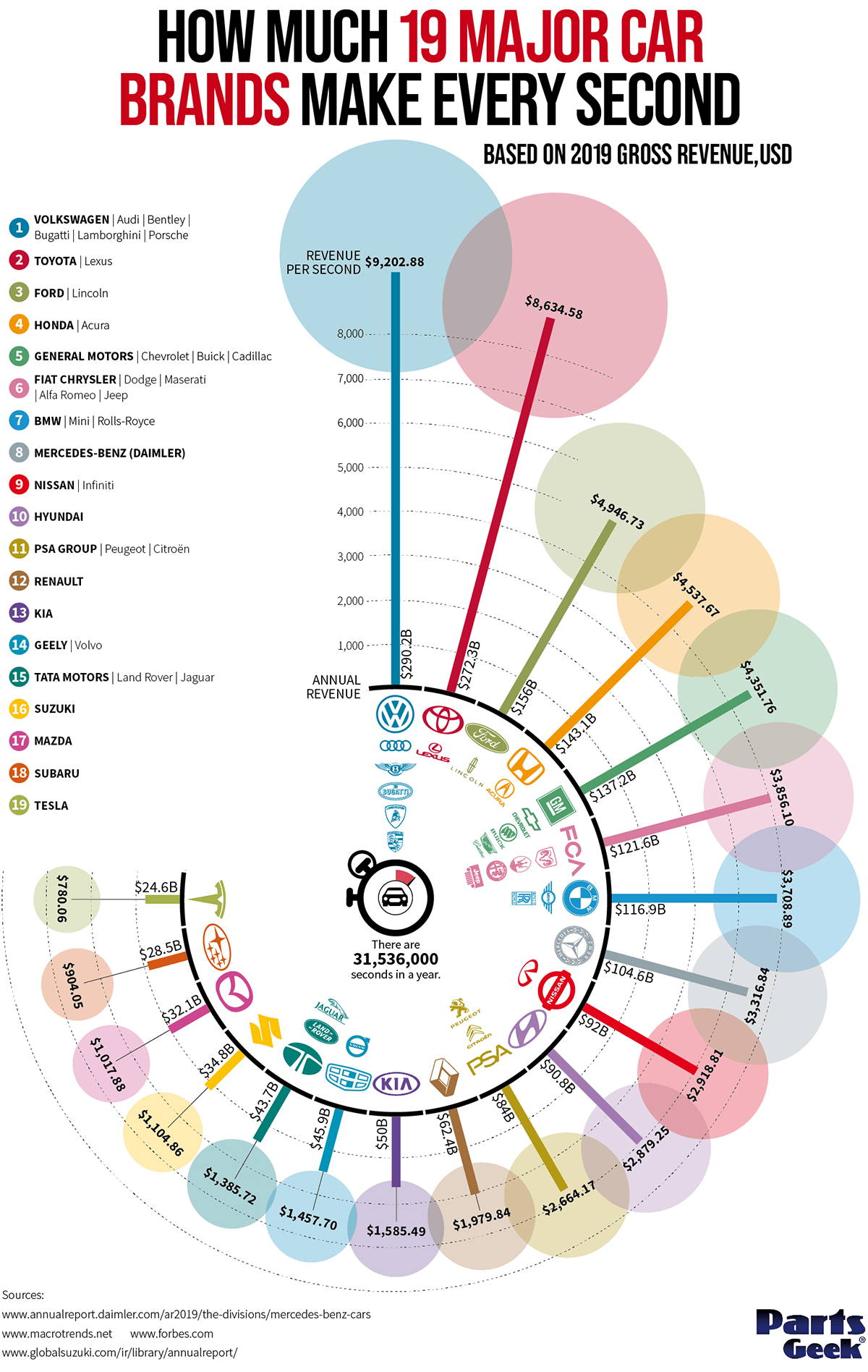
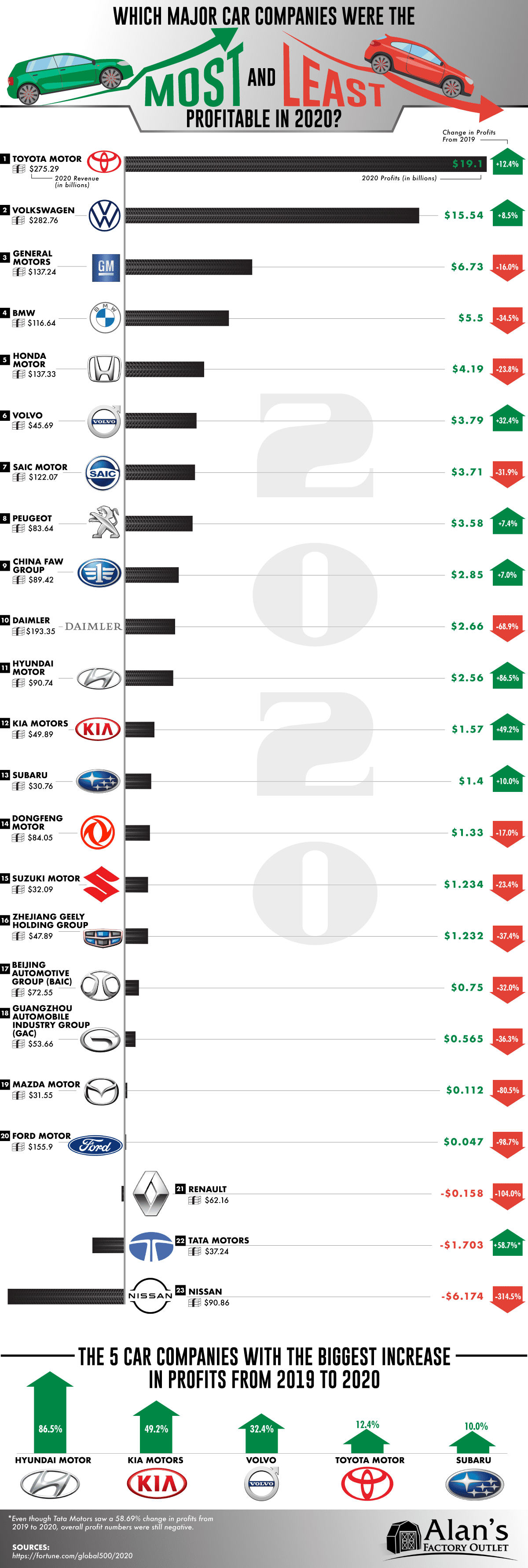
Car manufacturers earn different profits per vehicle sold. These profits depend on factors like production cost, brand value, and market demand. Examining top brands reveals how much they make per car. This section looks at Tesla, Toyota, and Volkswagen for clear insights.
Profit Insights From Tesla
Tesla earns higher profits per car than many traditional brands. Their electric cars have fewer parts, lowering production costs. Tesla uses direct sales to customers, cutting dealer expenses. Strong demand for electric vehicles helps Tesla maintain good margins.
Toyota’s Cost Efficiency
Toyota focuses on reducing costs through efficient manufacturing. They use lean production methods to save money. Toyota also builds many parts in-house, which lowers expenses. This approach keeps their profit per car steady, even in competitive markets.
Volkswagen’s Margin Strategy
Volkswagen balances price and quality to protect profits. They offer many models in different price ranges. VW uses scale to buy parts cheaply and reduce costs. Their profit per car varies by region and model but stays positive overall.
Future Profit Trends
Car manufacturers face many changes that will shape their future profits. Market demands, new technology, and sustainability goals all affect how much money they make per car. Understanding these trends helps predict their earnings in the years ahead.
Shifts In Consumer Demand
Buyers want more electric and hybrid cars now. This shift changes the types of vehicles manufacturers sell. They must invest in new designs and features to meet these needs. Profit margins may change as production costs vary for these models.
Emerging Technologies
Advanced tech like self-driving systems adds value to cars. These features cost more to develop but can increase sales prices. Manufacturers that adopt new tech quickly may see better profits. Yet, high research and development costs can lower short-term earnings.
Sustainability And Costs
Car makers must follow stricter environmental rules. Using eco-friendly materials and cleaner production raises costs. Still, green cars attract more buyers in some markets. Balancing these expenses with consumer demand will impact future profits.
Credit: alansfactoryoutlet.com
Frequently Asked Questions
How Much Profit Do Car Manufacturers Make Per Vehicle?
Car manufacturers typically earn between $1,000 and $3,000 profit per vehicle. This varies by brand, model, and market conditions. Luxury cars tend to have higher profit margins compared to economy models due to premium pricing and features.
What Factors Affect Car Manufacturers’ Profit Margins?
Profit margins depend on production costs, labor, materials, and supply chain efficiency. Marketing and research expenses also impact profits. Additionally, consumer demand and competition influence final pricing and manufacturer earnings per car.
Do Electric Cars Yield Higher Profits For Manufacturers?
Electric vehicles often have lower initial profits due to expensive batteries and technology. However, as production scales and costs drop, manufacturers expect higher margins. Government incentives and growing demand also improve profitability for electric car makers.
How Do Car Manufacturers Control Production Costs?
Manufacturers reduce costs by optimizing supply chains, automating assembly lines, and sourcing cheaper materials. Bulk purchasing and global manufacturing also lower expenses. Efficient cost control directly improves profit per car sold.
Conclusion
Car makers earn different amounts on each car sold. Costs like materials and labor affect profits. Popular models often bring higher earnings. Luxury cars usually have bigger profit margins. Understanding these details helps buyers see the market better. The car business is complex but interesting.
Every car on the road tells a profit story. Knowing this can change how you view car prices.

