Are you curious about how much cars at auction really sell for? Whether you’re looking to buy your next ride or just want to understand the market, knowing the typical prices can save you time and money.
Auctions can be a goldmine for deals, but they can also be tricky if you don’t know what to expect. You’ll discover the real prices cars go for at auctions, the factors that affect those prices, and tips to help you spot a great bargain.
Keep reading to unlock the secrets of car auctions and make smarter choices with your money.
Auction Car Price Range
Auction car prices vary widely based on many factors. Condition, make, model, and demand shape the final cost. Buyers find options that fit different budgets.
Understanding price ranges helps prepare for bidding. Auction cars can be affordable or very expensive. Here is a breakdown of typical price categories.
Budget-friendly Finds
Many cars at auction sell for under $5,000. These vehicles often need some repairs or have high mileage. Great for buyers who want a cheap, basic ride. Ideal for first-time car owners or those on tight budgets.
Models in this range include older sedans and compact cars. They usually have simple features and less power. Perfect for daily driving without breaking the bank.
Mid-range Market
Cars priced between $5,000 and $20,000 make up the mid-range market. These vehicles often have better condition and newer model years. Many come with modern features like airbags and improved fuel efficiency.
Mid-range auctions include sedans, SUVs, and some trucks. Buyers get a balance of quality and value. These cars suit families or commuters needing reliability and comfort.
High-end Luxury Cars
Luxury and rare cars at auctions can exceed $20,000. Prices may reach six figures for exotic or collector vehicles. These cars offer advanced technology, superior comfort, and prestige.
High-end buyers seek brands like BMW, Mercedes, and Porsche. Auctions sometimes feature classic cars with historical value. Such purchases are for enthusiasts and investors.
Factors Influencing Auction Prices
Auction prices for cars vary widely. Many factors influence what a car will sell for. Understanding these can help buyers and sellers make better decisions. Key elements include the car’s condition, brand popularity, and current market trends.
Car Condition And Mileage
The car’s condition is one of the most important price factors. Well-maintained cars often fetch higher prices. Low mileage usually increases value. Damaged or worn-out cars tend to sell for less. Buyers want reliable vehicles that need fewer repairs.
Brand And Model Popularity
Popular brands attract more bidders at auctions. Some models have a strong fan base. These cars often sell for more money. Rare or classic models can also increase the price. Buyers trust certain brands for quality and durability.
Market Demand Trends
Current market trends affect auction prices greatly. Demand for SUVs or electric cars can raise prices. Seasonal changes may impact what buyers want. Economic conditions also play a role in pricing. Sellers must watch trends to price cars right.
Types Of Auctions And Their Impact
Auction types shape car prices a lot. Each auction has unique rules and buyers. These differences affect how much cars sell for. Understanding auction types helps predict car costs better.
Public Vs Dealer Auctions
Public auctions allow anyone to bid. Many cars sell for lower prices here. Buyers compete openly, often driving prices down. Dealer auctions are for licensed dealers only. Prices tend to be higher because dealers know car values well. They often sell rare or high-demand cars.
Online Auction Platforms
Online auctions let buyers bid from anywhere. They offer many car choices and easy access. Prices vary a lot, depending on demand and bids. Some cars sell for much less than in-person auctions. Bidders must watch closely to avoid missing deals.
Specialty And Classic Car Auctions
These auctions focus on rare or vintage cars. Prices can be very high due to collectors’ interest. Cars often sell for more than market value. Bidders are usually experts or serious collectors. The auction atmosphere is often competitive and fast-paced.
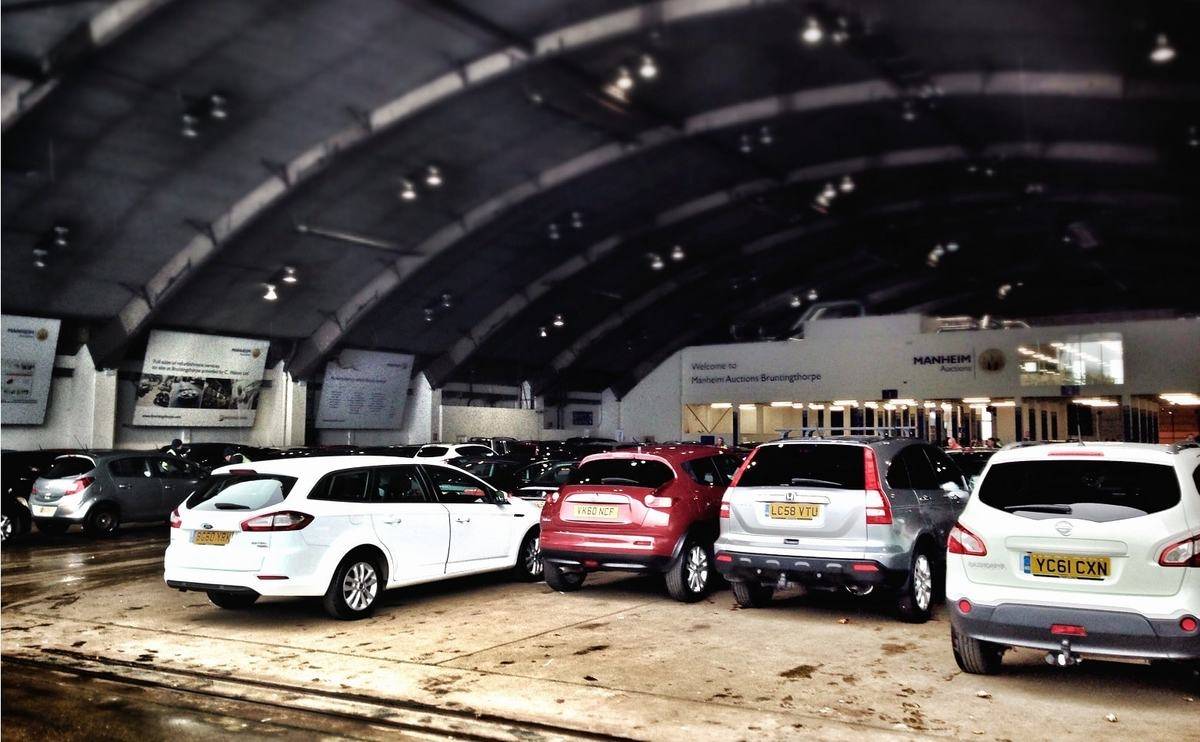
Credit: kdfoundation.org
Bidding Strategies To Get The Best Deal
Bidding at a car auction can be exciting and challenging. To get the best deal, you need smart strategies. These help you avoid paying too much and increase your chances of winning the car you want. Here are some key tips for bidding well.
Research Before Bidding
Know the car’s market value before you bid. Check prices on websites and local dealers. Learn about the car’s condition and history. This helps you decide a fair price. Research also shows how much similar cars sell for at auctions. This knowledge prevents overbidding.
Setting A Budget Limit
Decide your maximum bid before the auction starts. Stick to your budget no matter what. This stops you from paying more than you can afford. Remember to include extra costs like taxes and fees. Setting a budget keeps your spending under control and avoids regrets.
Timing Your Bid
Watch the auction closely before you bid. Start bidding later to avoid driving up the price too soon. Wait for the right moment when others hesitate. Quick, confident bids often work best. Timing can help you win at a lower price.
Surprising Auction Sale Records
Car auctions often surprise both buyers and sellers with unexpected results. Prices can rise much higher or fall much lower than predicted. These surprises make auctions exciting and sometimes puzzling.
The records set at auctions show how varied the car market can be. From rare classics to everyday models, auction prices tell unique stories.
Most Expensive Auction Sales
Some cars sell for millions at auction. Classic Ferraris and rare Bugattis often top the list. One Ferrari sold for over $70 million recently. These cars are prized for their history and rarity. Collectors pay big sums to own such legends.
Unexpected Bargain Deals
Not all cars go for high prices. Some find new owners for very little money. Older models or damaged cars often sell below market value. Savvy buyers spot these deals quickly. A little repair work can turn bargains into treasures.
Notable Auction Fluctuations
Car prices at auctions can change fast. Market trends and demand affect prices daily. One day a classic may sell for $50,000, next day for $30,000. Seasonal changes also play a role. These fluctuations keep the auction scene lively and unpredictable.

Credit: kdfoundation.org
Tips For First-time Auction Buyers
Buying a car at an auction can save money. New buyers must be careful. Many things can affect your purchase. These tips help first-time buyers avoid common mistakes. Understand the process well. Be ready to act fast.
Inspecting Vehicles Thoroughly
Check the car carefully before bidding. Look for dents, scratches, and rust. Open the hood to see the engine. Test the tires and brakes if possible. Ask for the vehicle history report. Bring a mechanic if you can. A good inspection saves money and trouble.
Understanding Auction Terms
Know the auction language. “Reserve price” means the lowest seller accepts. “Bid increment” is how much each new bid must rise. “Buyer’s premium” adds extra cost to your final price. Ask staff if terms are unclear. This helps avoid surprises during bidding.
Post-auction Procedures
After winning, pay the amount quickly. Complete all paperwork carefully. Arrange transport for the car. Some auctions offer delivery options. Check if you need insurance before driving. Follow rules to avoid fines or delays.
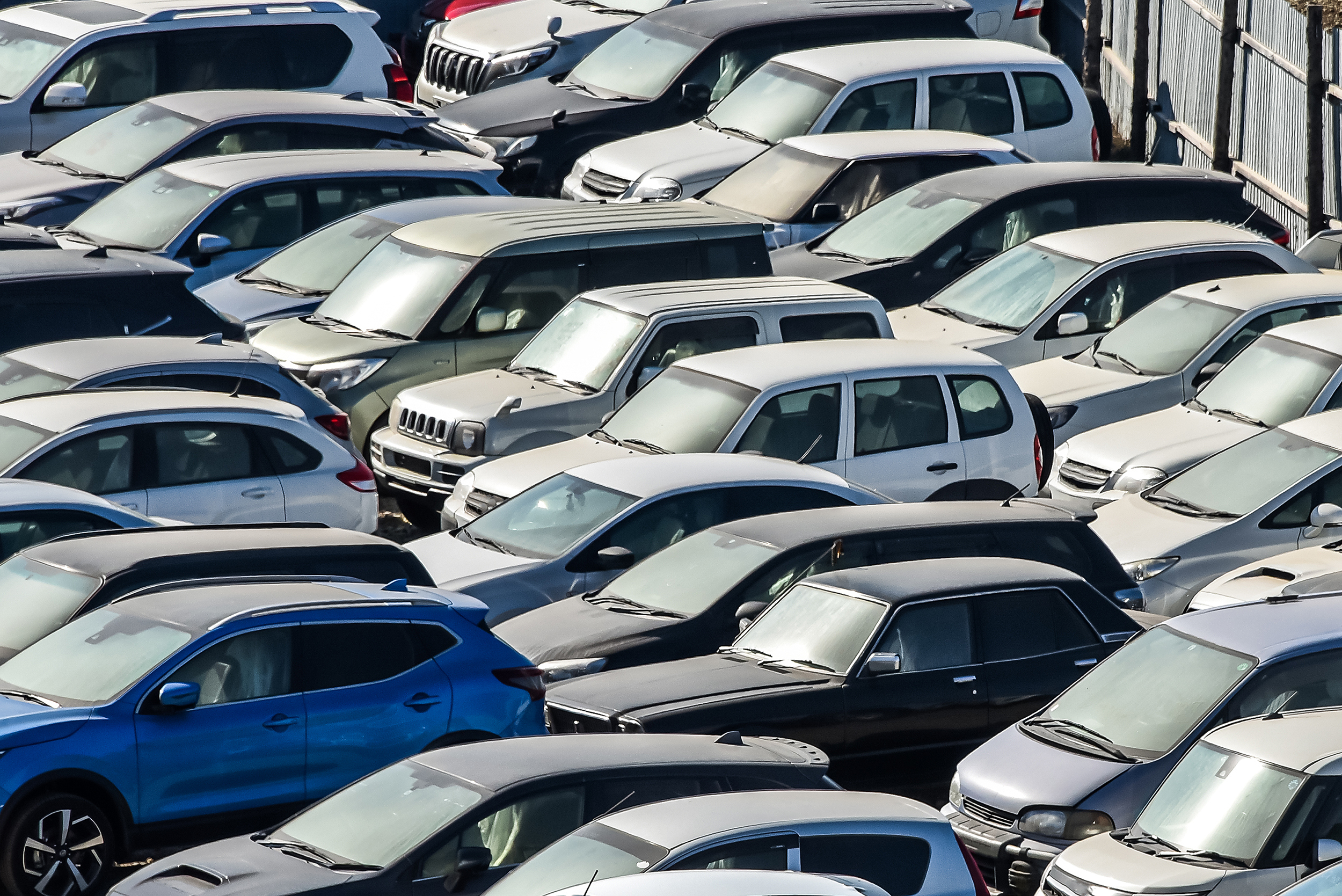
Credit: www.dakil.com
Frequently Asked Questions
How Much Do Cars Typically Sell For At Auction?
Cars at auction usually sell between $2,000 and $20,000. Prices vary greatly based on condition, make, model, and demand. Rare or classic cars can fetch much higher prices, while older or damaged vehicles tend to sell for less.
What Factors Affect Car Prices At Auctions?
Car age, condition, mileage, and brand strongly impact auction prices. Market demand and auction location also play key roles. Additionally, vehicle history, such as accidents or maintenance records, can significantly influence the final bid.
Are Auction Car Prices Cheaper Than Dealership Prices?
Generally, cars at auctions are cheaper than dealership prices. Auctions often sell vehicles “as-is,” allowing buyers to get bargains. However, buyers should factor in potential repair costs and fees when comparing prices.
Can Anyone Buy Cars At Auctions?
Most auctions allow public participation, but some are dealer-only. Registration and a deposit are usually required to bid. It’s important to understand auction rules and inspect vehicles before bidding.
Conclusion
Car auction prices vary based on many factors. Condition, brand, and demand affect the final cost. Some cars sell for very low prices, while rare models fetch high bids. Knowing how auctions work helps you spot good deals. Always set a budget and stick to it.
Attend a few auctions to learn more. This way, you can buy cars smartly and save money. Auctions offer chances to find unique vehicles at fair prices. Keep learning, and enjoy the auction experience.