

Are you hearing squeaks or feeling vibrations when you brake? It might be time to replace your brakes and rotors.
But before you visit the mechanic, you probably want to know one important thing: how much will it cost you? Understanding the price can help you avoid surprises and plan your budget better. You’ll discover the real costs behind brake and rotor replacement, what affects the price, and how you can save money without sacrificing safety.
Keep reading to make the best decision for your car and your wallet.
Brake And Rotor Replacement Basics
Brake and rotor replacement keeps your car safe and working well. Brakes slow your car, and rotors help stop the wheels. Over time, both parts wear out and need changing. Knowing the basics helps you spot problems early and save money.
Signs You Need Replacement
Listen for squealing or grinding sounds when braking. Feel if the brake pedal is soft or hard. Notice if your car pulls to one side. Watch for vibrations or shaking while stopping. These signs mean your brakes or rotors may need replacing.
Brake System Components
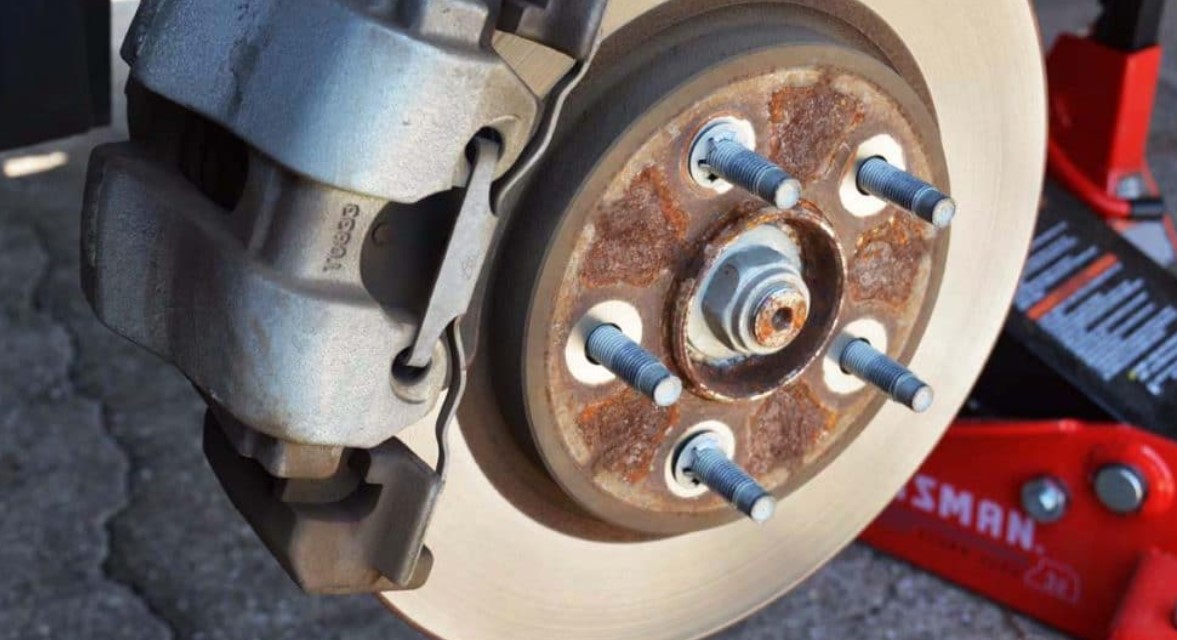
The brake system has several key parts. Brake pads press against rotors to slow the car. Rotors are metal discs that spin with the wheels. Calipers hold the brake pads and push them. Brake fluid helps move force from pedal to pads.
Rotor Types And Materials
Rotors come in different types and materials. Solid rotors are simple and common on small cars. Vented rotors cool better and suit bigger vehicles. Some rotors have drilled holes or slots for heat release. Most rotors are made of cast iron or steel for strength and durability.
Credit: omegaautocare.com
Factors Influencing Replacement Costs
Brake and rotor replacement costs vary widely. Several key factors affect the total price. Understanding these can help you plan your budget better. Each factor changes the cost in its own way.
Vehicle Make And Model
Different cars need different parts. Some vehicles have larger or more complex brakes. Luxury or sports cars often cost more to repair. Common models usually have cheaper parts. The design and size of brakes impact labor time too.
Quality Of Parts
Parts come in various grades. Standard parts cost less but may wear out faster. Premium parts last longer and perform better but cost more. Some drivers choose original equipment manufacturer (OEM) parts. Others prefer aftermarket options, which can be cheaper or more expensive depending on quality.
Labor Charges
Labor costs depend on the mechanic’s rate and job difficulty. More complex brake systems take longer to fix. Skilled technicians may charge higher fees. Independent shops often have lower labor rates than dealerships. The total labor cost reflects the time and expertise needed.
Geographic Location
Prices change by region and city. Urban areas usually have higher repair costs. Rural areas might offer cheaper labor and parts. Local demand and cost of living influence prices. Checking local rates helps avoid surprises.
Typical Cost Breakdown
Brake and rotor replacement costs include parts, labor, and taxes. Parts usually take up most of the price. Labor fees depend on the shop and location.
Brake Pads Pricing
Brake pads are the most common part replaced during brake service. Prices vary based on quality and brand. Standard brake pads cost between $30 and $70 per axle. Premium or ceramic pads can cost up to $100 or more. Labor for replacing brake pads usually adds $80 to $150 to the total.
Rotor Pricing
Rotors wear out over time and may need replacement. The cost depends on the vehicle and rotor type. Standard rotors typically cost between $30 and $75 each. High-performance or specialty rotors can cost over $100 each. Labor charges for rotor replacement range from $100 to $200.
Additional Fees And Taxes
Additional fees may appear on your bill. These include shop fees, disposal fees, and environmental fees. Taxes vary by location and add to the final cost. Always ask for a full price estimate before work begins. This helps avoid surprises after the service is done.

Credit: shop.advanceautoparts.com
Diy Vs Professional Service
Choosing between DIY and professional brake and rotor replacement affects cost, time, and safety. Some car owners enjoy fixing their own brakes to save money. Others prefer expert help for best results and peace of mind.
Understanding the pros and cons of both options helps you decide the right path. This section breaks down key points about DIY work and professional service.
Pros And Cons Of Diy
Doing brake and rotor replacement yourself can save money on labor. Parts cost less without the shop fees. You learn about your car and gain skills.
DIY work needs tools and space. Mistakes can cause serious safety risks. It takes time and patience to do the job right. You must follow instructions carefully to avoid damage.
When To Seek Professional Help
Choose professional service if you lack tools or experience. Professionals handle complex brake systems safely and quickly. They check all parts and ensure proper installation.
Look for help when brakes make noise or feel weak. Professionals spot hidden problems you might miss. They offer warranties on parts and labor for peace of mind.
Cost Comparison
DIY parts cost around $150 to $300 for brake pads and rotors. Labor charges add $100 to $300 in professional service. Shops provide tools, expertise, and fast turnaround.
DIY saves money but requires time and effort. Professional service costs more but reduces risk and stress. Balance cost with your skill level and safety priority.
Ways To Save On Replacement
Replacing brakes and rotors can be costly. Saving money is possible with smart choices. Small steps help reduce the total bill. Knowing how to save makes a difference.
Using Aftermarket Parts
Aftermarket parts cost less than original ones. They fit well and work safely. Many shops offer these parts to lower expenses. Choose quality brands to avoid future repairs. This choice cuts costs without losing performance.
Coupons And Discounts
Auto shops often have coupons or discounts. These offers reduce labor or parts prices. Check websites or ask the mechanic before the service. Seasonal sales also provide good savings. Using discounts lowers the final price easily.
Regular Maintenance Tips
Keep brakes clean and check them often. Replace pads before they wear out completely. Proper care extends rotor and brake life. Regular checks prevent big repairs later. Small maintenance saves money over time.

Credit: www.youtube.com
Impact Of Brake Quality On Safety And Performance
Brake quality plays a big role in how safe and well your vehicle stops. Good brakes help you avoid accidents and give you control on the road. Poor brakes can cause longer stopping distances and reduce your vehicle’s performance. Choosing the right brake parts helps keep you and others safe.
Brake parts vary in materials and design. These differences affect how long they last and how well they work. Spending a little more on quality parts often means better safety and fewer repairs later.
Choosing The Right Brake Pads
Brake pads are the first part that touches the rotor to stop your car. High-quality pads grip better and wear slowly. They also produce less dust and noise. Cheaper pads may wear quickly and reduce stopping power. Pick pads made for your vehicle type and driving style.
Rotor Quality And Longevity
Rotors must handle heat and pressure during braking. Good rotors resist warping and cracking. They last longer and keep braking smooth. Low-quality rotors can warp fast, causing vibrations and unsafe stops. Choose rotors tested for strength and heat resistance.
Effects On Vehicle Handling
Brakes affect how your vehicle reacts on the road. Quality brake parts help maintain balance and control. They prevent skidding and help in emergency stops. Worn or poor brakes can make your car pull to one side. Reliable brakes improve your confidence while driving.
Future Trends In Brake And Rotor Technology
Brake and rotor technology is changing fast. New ideas and materials improve safety and performance. These changes also affect costs and maintenance. Understanding future trends helps car owners prepare for repairs.
Emerging Materials
New materials make brakes stronger and lighter. Carbon-ceramic rotors last longer and resist heat better. Composite materials reduce weight, which saves fuel. These materials improve braking but may cost more upfront.
Advanced Brake Systems
Brake systems now include electronic controls. Anti-lock braking and electronic stability control are common. New systems use sensors to adjust braking in real time. These technologies improve safety and control on the road.
Cost Implications
Advanced brakes and materials often increase repair costs. Parts can be more expensive than traditional options. Labor might take longer due to complex systems. Regular maintenance helps avoid costly replacements later.
Frequently Asked Questions
How Much Does Brake And Rotor Replacement Cost?
Brake and rotor replacement typically costs between $250 and $600. Prices vary by vehicle type, labor rates, and parts quality. Luxury cars or trucks may cost more. Always get a detailed estimate from your mechanic for accurate pricing.
What Factors Affect Brake And Rotor Replacement Price?
Prices depend on vehicle make, rotor type, brake pad quality, and labor charges. High-performance or heavy-duty vehicles cost more. Parts brand and local labor rates also influence the total cost. Regular maintenance can reduce unexpected expenses.
Can I Replace Brakes And Rotors Myself?
Yes, if you have mechanical skills and tools, you can replace them. However, improper installation risks safety and can cause further damage. If unsure, it’s best to hire a professional mechanic to ensure proper and safe replacement.
How Often Should Brakes And Rotors Be Replaced?
Brake pads usually need replacement every 30,000 to 70,000 miles. Rotors last longer but may need replacement every 50,000 to 70,000 miles. Listen for squeaking or vibration, which signal brake or rotor wear needing attention.
Conclusion
Brake and rotor replacement costs vary by car and location. Choosing quality parts helps ensure safety and performance. Regular checks can prevent costly repairs later. Shop around for fair prices and trusted mechanics. Remember, investing in brakes protects you and your passengers.
Keep your vehicle in good shape for safe driving.


