

Have you ever wondered how heavy a railroad car really is? Whether you’re curious about train travel, logistics, or just love learning new facts, knowing the weight of a railroad car can surprise you.
This information affects everything from safety to the way goods are transported across the country. Keep reading, and you’ll discover the answers you didn’t even know you needed—and why this weight matters more than you might think. Your curiosity is about to pay off!
Credit: www.americanscaleus.com
Railroad Car Basics
Railroad cars are the backbone of train transport. They carry goods across long distances. Each car has a specific design and weight. Understanding the basics helps to know how much a railroad car weighs. This knowledge is key for safety and efficiency in rail transport.
Railroad cars vary by type and the materials used in their construction. These factors affect their weight and capacity. Learning about these basics gives a clear picture of railroad car weights.
Types Of Railroad Cars
Railroad cars come in several types. Boxcars carry general cargo safely inside. Flatcars hold large, heavy items like machinery. Tank cars transport liquids such as oil or chemicals. Hopper cars carry loose materials like coal or grain. Each type has a different weight and size.
The design depends on the cargo it carries. Some cars have open tops. Others have enclosed bodies. The type affects how much the car weighs empty and loaded.
Common Materials Used
Steel is the main material in railroad cars. It provides strength and durability. Aluminum appears in some cars to reduce weight. Wood is less common but used in older or special cars. The choice of material changes the car’s total weight.
Steel cars are heavy but strong. Aluminum cars weigh less but cost more. Material choice balances weight, cost, and strength. These factors influence the overall weight of the railroad car.
Credit: www.pwrs.ca
Weight Factors
Several factors affect the weight of a railroad car. The weight varies depending on the car’s condition and contents. Understanding these weight factors helps estimate the total load and safe handling.
Railroad cars have a base weight when empty. This weight changes significantly once the car is loaded. The type of cargo also plays a big role in the total weight.
Empty Weight Vs Loaded Weight
The empty weight, also known as tare weight, is the car’s weight without cargo. It includes the structure, wheels, and equipment. Loaded weight is the total weight with cargo added. Loaded weight can be several times higher than empty weight. This difference matters for track limits and safety.
Impact Of Cargo Types
Cargo type affects how much weight the car carries. Heavy materials like coal or metal increase weight more than light goods like paper. Bulk liquids and grains also change weight depending on volume and density. Knowing cargo types helps predict total weight and manage transportation better.
Average Weights Of Different Cars
Railroad cars come in many types. Each type has a different average weight. Knowing these weights helps in planning and safety. Here is a look at the common railroad cars and their weights.
Boxcars And Flatcars
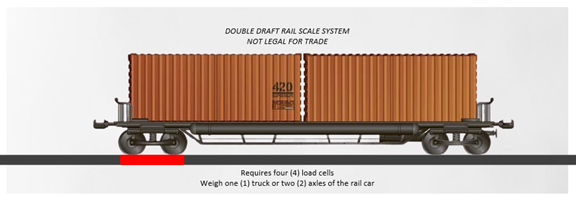
Boxcars are enclosed cars used to carry goods. Their average weight ranges from 30 to 35 tons empty. When loaded, they can weigh up to 70 tons. Flatcars have a flat surface to carry large items. They usually weigh between 20 and 25 tons empty. Loaded flatcars can weigh up to 60 tons. Both types serve many industries.
Tank Cars And Hopper Cars
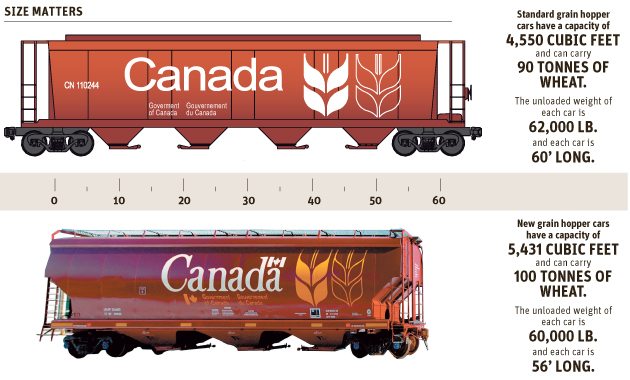
Tank cars carry liquids like oil or chemicals. They weigh about 25 to 30 tons empty. When full, their weight can reach 100 tons. Hopper cars carry bulk materials like coal or grain. Empty hopper cars weigh around 30 tons. Fully loaded, they can weigh 90 tons or more. These cars handle heavy loads efficiently.
Specialty Cars
Specialty cars serve unique purposes. Auto racks, for example, carry vehicles. They weigh about 35 tons empty. Some specialty cars carry heavy machinery or oversized loads. Their weights vary widely but often exceed 40 tons empty. These cars are built for specific cargo needs.
Engineering And Design Influence
The weight of a railroad car depends greatly on its engineering and design. Every detail matters. Designers focus on strength and lightness. This balance helps move heavy loads efficiently. The materials used and the car’s shape play key roles. These factors shape how much the railroad car weighs.
Material Advances
New materials have changed railroad car weights. Steel is still common, but lighter alloys are rising. Aluminum offers strength with less weight. These materials reduce the car’s empty weight. This lets trains carry more cargo without extra strain. Using better materials also improves durability and safety. Material science keeps evolving, helping make lighter, stronger cars.
Structural Innovations
Railroad cars benefit from smart structural designs. Engineers use shapes that hold weight well but use less material. Techniques like reinforced frames and hollow sections lower weight. These designs also absorb shocks during travel. Some cars have modular parts that fit together tightly. This cuts down on unnecessary bulk. Structural changes make cars lighter and more efficient on tracks.
Safety And Weight Regulations
Railroad car weight plays a big role in safety. Proper weight helps prevent accidents and damage. Rules exist to keep trains balanced and secure. These rules protect workers, cargo, and the public. Understanding safety and weight regulations is key for railroads.
Weight Limits
Railroad cars must follow strict weight limits. These limits depend on car type and cargo. Overloading can cause derailments and track damage. Weight limits ensure trains run smoothly and safely. Each car has a maximum gross weight allowed.
Inspection Standards
Railroad cars undergo regular inspections for safety. Inspectors check weight distribution and structural condition. They look for cracks, leaks, and wear. Inspections prevent accidents caused by faulty cars. Cars that fail inspection cannot carry loads until fixed.

Credit: www.producer.com
Surprising Weight Facts
Railroad cars often surprise people with their weight. Many expect them to be light, but they can weigh as much as small houses. Understanding these weights helps us appreciate the engineering behind rail transport.
Weights vary widely based on design, purpose, and materials used. Some cars carry heavy cargo, requiring stronger frames. Others are built lighter for speed and efficiency. The differences tell a story about the needs and challenges of railroads worldwide.
Heaviest Railroad Cars Ever Built
The heaviest railroad cars can weigh over 200 tons empty. Some specialized cars, like heavy-duty flatcars, carry massive industrial equipment. These cars must be strong to hold such heavy loads safely.
In the past, some ore cars reached weights exceeding 250 tons. Rail companies built them to transport minerals from mines to factories. Their size and weight show how railroads adapted to industrial demands.
Weight Variations By Region
Railroad car weights differ by region due to track strength and cargo type. North American cars tend to be larger and heavier. This matches the long distances and heavy freight common there.
In Europe and Asia, cars are often smaller and lighter. Tracks and infrastructure limit the size and weight allowed. These differences reflect local transport needs and regulations.
Frequently Asked Questions
How Much Does An Empty Railroad Car Weigh?
An empty railroad car typically weighs between 30,000 and 80,000 pounds. The exact weight depends on the car type and materials used in its construction.
What Is The Average Weight Of A Loaded Railroad Car?
A loaded railroad car can weigh between 100,000 and 286,000 pounds. The weight varies based on cargo type and car capacity.
Do Different Types Of Railroad Cars Weigh Differently?
Yes, different railroad cars have varying weights. Tank cars, boxcars, flatcars, and gondolas each have unique weights depending on their design and purpose.
How Does Railroad Car Weight Affect Train Operations?
Railroad car weight impacts fuel efficiency, speed, and braking distance. Heavier cars require more power and careful handling to ensure safety.
Conclusion
Railroad cars vary widely in weight depending on type and load. Empty cars weigh less, while loaded ones can be very heavy. Knowing these weights helps with safety and planning in rail transport. Understanding this topic gives insight into how trains operate efficiently.
Railroads carry goods and people across long distances safely. Weight affects speed, fuel use, and track wear. Keeping these factors in mind benefits both operators and passengers. The weight of railroad cars is a key part of railway logistics. Simple but important.


