

Have you ever wondered how much your car battery actually weighs? It might seem like a small detail, but knowing the weight can help you make smarter decisions—whether you’re lifting it yourself, choosing a replacement, or just curious about what’s under your hood.
Understanding this simple fact can save you time, effort, and even money. Keep reading, and you’ll discover everything you need to know about the average car battery’s weight and why it matters to you.
Car Battery Basics
A car battery is a key part of any vehicle. It provides the power to start the engine. Without it, the car cannot run. Car batteries store energy and release it when needed.
Different cars use different types of batteries. The weight of a battery depends on its type and materials. Understanding these basics helps explain why some batteries weigh more.
Types Of Car Batteries
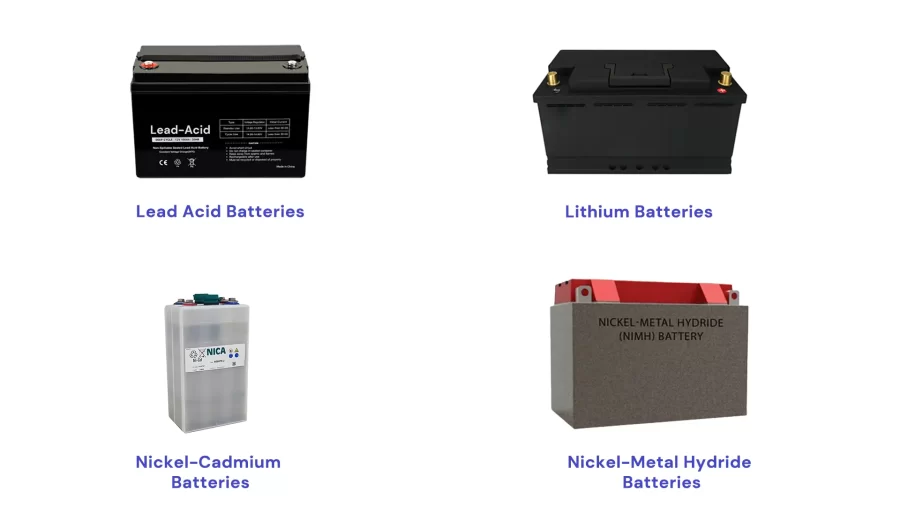
There are mainly three types of car batteries. Lead-acid batteries are the most common. They are heavy but affordable and reliable. Absorbent Glass Mat (AGM) batteries are newer. They last longer and handle more power. Gel cell batteries use a thick gel electrolyte. They are good in extreme weather but cost more.
Materials Used In Batteries
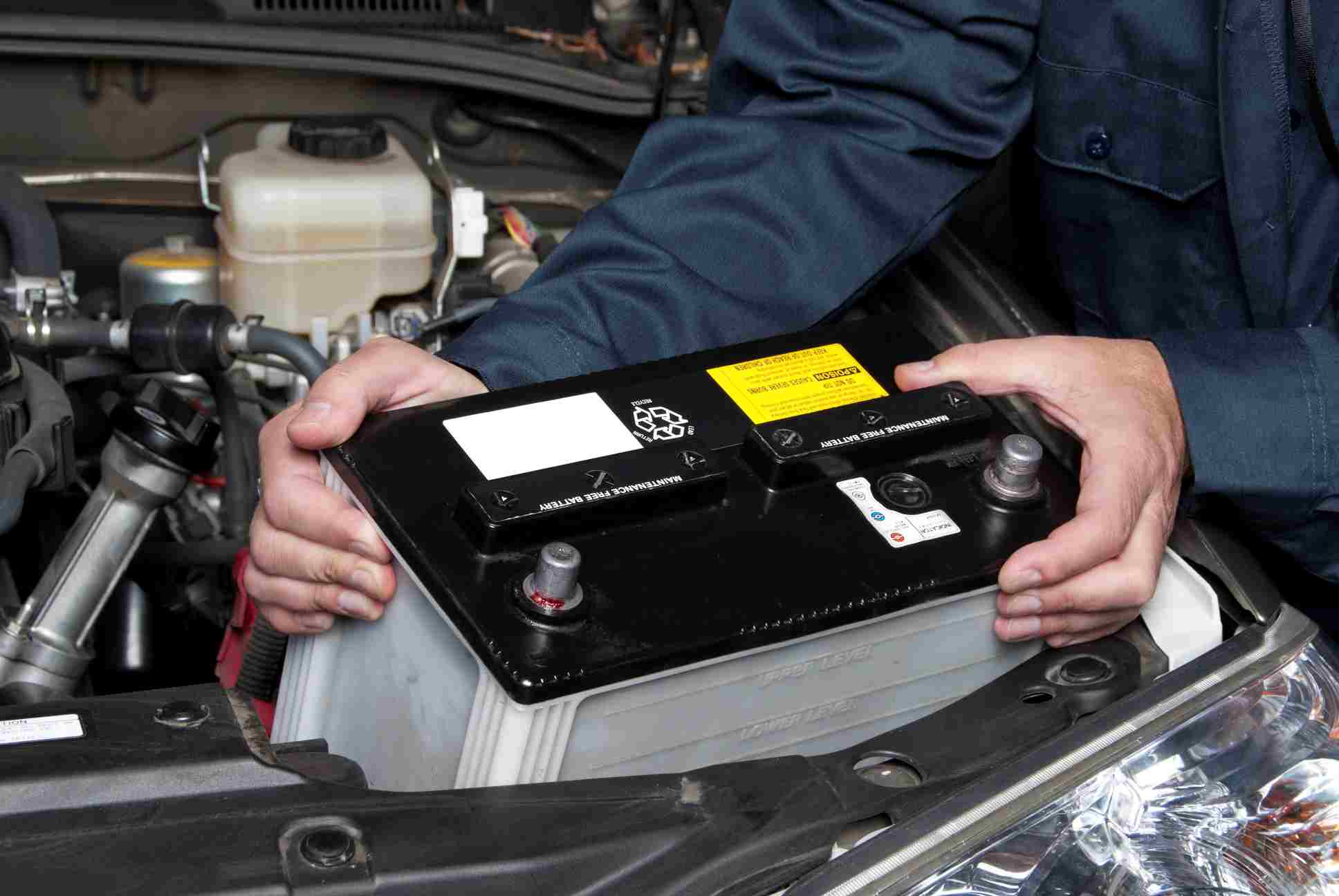
Most car batteries use lead plates inside. Lead is dense, which makes batteries heavy. The plates are submerged in an acid solution. This acid helps carry the electric charge. Some batteries have glass mats or gel instead of liquid acid. These materials also add to the battery’s weight.
Credit: www.lifepo4batteryshop.com
Average Weight Of Car Batteries
Car batteries are an essential part of any vehicle. They provide the power needed to start the engine and run electrical systems. Knowing the average weight of car batteries helps in handling, shipping, and installation. Battery weights vary based on size, type, and capacity.
Standard Battery Weights
Most standard car batteries weigh between 30 to 50 pounds. The common lead-acid battery usually falls in this range. Compact batteries for small cars tend to weigh less. Larger batteries for trucks or SUVs weigh more, sometimes up to 60 pounds. This weight includes the battery casing and acid inside.
Weight Variations By Battery Type
Different battery types have different weights. Lead-acid batteries are heavier because of the lead plates inside. AGM (Absorbent Glass Mat) batteries weigh slightly less but still remain heavy. Lithium-ion batteries are much lighter, often less than half the weight of lead-acid ones. This makes lithium-ion batteries easier to carry and install.
Factors Affecting Battery Weight
The weight of a car battery depends on several key factors. These factors influence how heavy or light the battery feels. Understanding these helps when choosing the right battery for a vehicle. Battery weight can affect fuel efficiency and handling. Let’s explore the main elements that affect battery weight.
Battery Size And Capacity
Battery size plays a big role in weight. Larger batteries hold more power but weigh more. Capacity is measured in ampere-hours (Ah). Higher capacity batteries need more material inside. More lead and acid increase the weight. Smaller batteries weigh less but may not last long. Choosing the right size balances power and weight.
Lead-acid Vs. Lithium-ion
Lead-acid batteries are the most common type. They are heavy because of the lead plates inside. These batteries usually weigh between 30 and 50 pounds. Lithium-ion batteries are lighter and more compact. They use different materials that reduce weight. Lithium-ion batteries can weigh up to 40% less. This makes them better for electric cars and hybrids. Weight differences impact vehicle performance and fuel use.
Why Battery Weight Matters
The weight of a car battery plays an important role beyond just numbers on a scale. It affects how your vehicle performs and how easy it is to handle the battery itself. Understanding why battery weight matters helps in making better choices for your car’s needs.
Impact On Vehicle Performance
Heavier batteries can add extra weight to the vehicle. This weight affects fuel efficiency by making the engine work harder. It can also influence the car’s balance and stability. A lighter battery helps improve acceleration and braking. The right battery weight supports smoother and safer driving.
Handling And Installation
Car batteries are not easy to carry. A heavy battery can make installation harder and risk injury. Lifting a lighter battery reduces strain on your muscles and joints. It also speeds up the replacement process. Choosing a battery with manageable weight makes maintenance safer and easier.
Comparing Battery Weights Across Vehicles
Car batteries vary in weight depending on the vehicle type. Battery weight affects the car’s overall performance and fuel efficiency. Understanding these differences helps when choosing the right battery or maintaining your vehicle.
Battery weight depends on size, capacity, and technology. Heavier batteries usually store more power but add extra load to the vehicle. Let’s explore how battery weights differ between sedans, SUVs, and electric vehicles.
Sedan Vs. Suv Batteries
Sedan batteries typically weigh between 30 to 50 pounds. They are smaller because sedans need less power to start and run. These batteries fit compact engine spaces and support average power needs.
SUV batteries often weigh 40 to 70 pounds. SUVs require larger batteries to power bigger engines and more accessories. The extra weight helps SUVs deliver strong starting power and handle rough terrains.
Electric Vehicle Battery Weights
Electric vehicle (EV) batteries are much heavier than traditional car batteries. They weigh between 400 to 1,200 pounds, depending on the model and range. These large batteries store energy to power electric motors instead of gasoline engines.
The heavy battery pack adds weight but offers longer driving range. Car makers design EVs to balance weight for safe handling and efficiency. This weight difference is the main reason EVs feel different on the road.
Credit: cmbatteries.com
Tips For Choosing The Right Battery
Choosing the right car battery is important for your vehicle’s performance. A battery that fits well helps your car start easily and run smoothly. Weight plays a key role in this choice. Knowing how to pick the right battery weight can save time and money. These tips help you make a smart choice.
Matching Weight With Vehicle Needs
Car batteries come in different weights. Heavy batteries often hold more power. Small cars usually need lighter batteries. Large trucks need heavier, stronger batteries. Check your vehicle’s manual for weight limits. A battery too heavy or light can cause problems. Balance weight with your car’s size and engine type.
Safety Considerations
Battery weight affects safety during installation and use. Heavy batteries are harder to lift and install. Use gloves and proper tools for safety. A battery that is too heavy may cause damage. Secure the battery well to avoid movement while driving. Proper weight also helps prevent acid leaks or spills.
Recycling And Disposal Of Batteries
Car batteries contain materials that can harm the environment. Recycling and disposal must be done carefully. This helps protect nature and conserve resources. Understanding the right ways to handle used batteries is important for everyone.
Environmental Impact
Car batteries have lead, acid, and plastic parts. These can pollute soil and water if not handled properly. Toxic chemicals can harm animals and plants. Recycling reduces waste and lowers pollution risks. It also saves energy by reusing materials.
Proper Disposal Methods
Do not throw old batteries in regular trash. Use designated recycling centers or special collection sites. Many auto shops accept used batteries for recycling. Store batteries safely before disposal to avoid leaks. Follow local rules for battery disposal to stay safe.

Credit: www.sustainabilitybynumbers.com
Frequently Asked Questions
How Much Does An Average Car Battery Weigh?
An average car battery typically weighs between 30 to 50 pounds (13. 6 to 22. 7 kg). Weight varies by battery type and size. Standard lead-acid batteries are heavier, while newer lithium-ion types weigh less. Always check your vehicle’s manual for the recommended battery specifications.
Why Does Car Battery Weight Matter?
Car battery weight affects vehicle balance and fuel efficiency. Heavier batteries can add extra load, impacting mileage. Lighter batteries, like lithium-ion, improve performance and handling. Knowing battery weight helps when replacing or upgrading to ensure compatibility and maintain safety standards.
Do All Car Batteries Weigh The Same?
No, car battery weights vary based on type, size, and capacity. Lead-acid batteries are heavier than lithium-ion ones. Compact batteries weigh less than high-capacity models. Weight differences affect installation, vehicle balance, and battery performance.
Can Car Battery Weight Affect Vehicle Performance?
Yes, battery weight influences vehicle handling and fuel efficiency. Heavier batteries may reduce fuel economy and affect balance. Lighter batteries can enhance acceleration and handling. Choosing the right battery weight is crucial for optimal vehicle performance.
Conclusion
Car batteries usually weigh between 30 and 50 pounds. This weight depends on the battery’s size and type. Heavier batteries often last longer and provide more power. Knowing the weight helps when lifting or replacing a battery. It also helps in choosing the right battery for your car.
Always handle batteries carefully to avoid injury. Understanding battery weight makes car maintenance easier and safer. Keep this in mind for your next battery purchase or replacement.


