If you’ve noticed strange noises or vibrations when braking, your brake rotors might be the culprit. But how much does it cost to turn a brake rotor and get your brakes working smoothly again?
Understanding this can save you from unexpected expenses and keep your car safe on the road. You’ll discover the real costs behind turning a brake rotor, why it matters, and how to make the best choice for your vehicle and budget.
Keep reading to avoid costly mistakes and keep your brakes in top shape.
Credit: www.r1concepts.com
Brake Rotor Basics
Brake rotors are a key part of your vehicle’s braking system. They work with brake pads to stop your car safely. Understanding how rotors work helps you know when they need attention or repair.
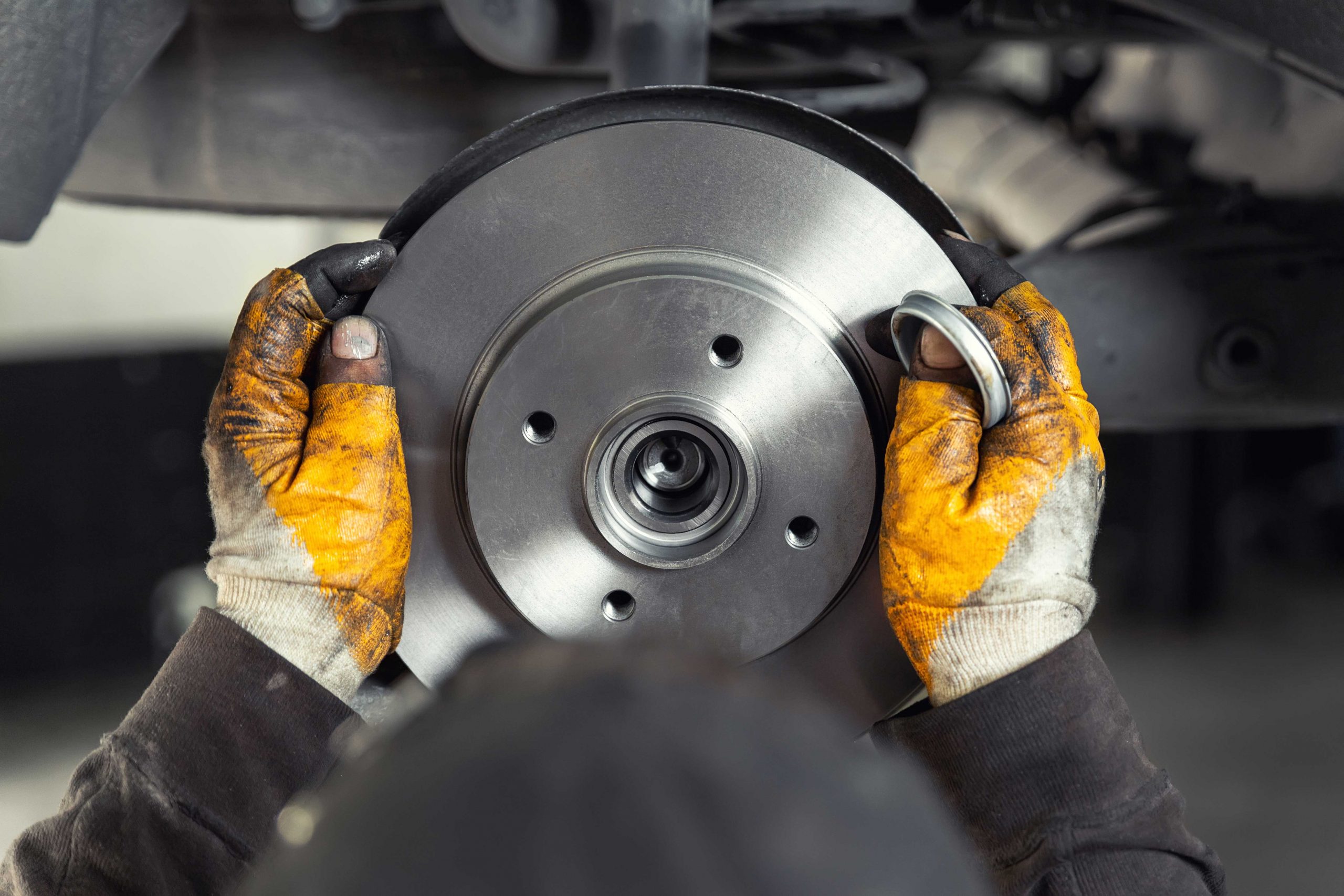
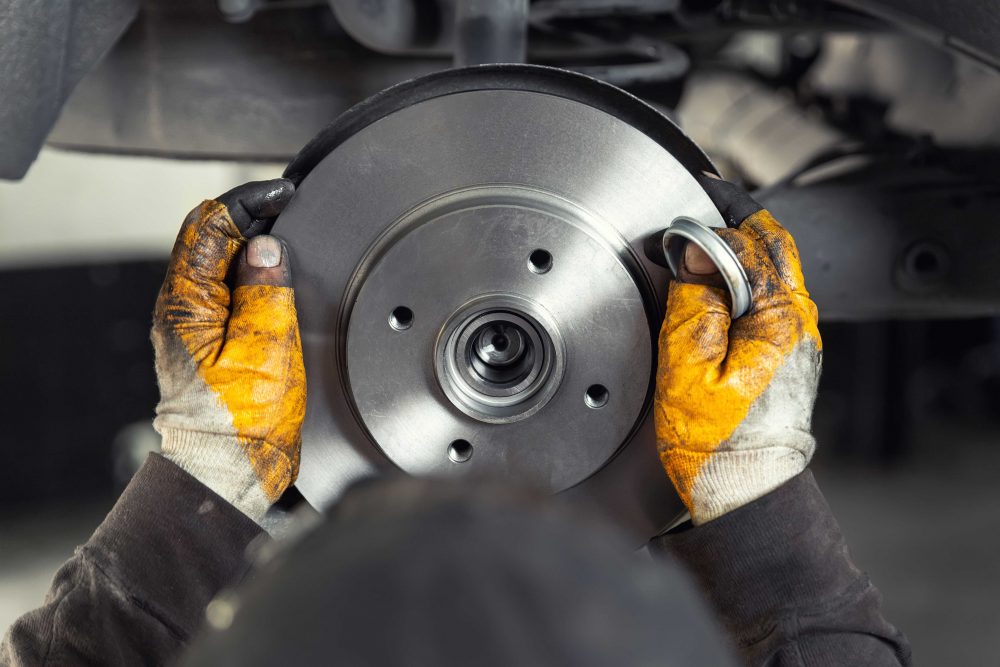
Rotors are round discs made of metal. They connect to the wheel and spin with it. When you press the brake pedal, the pads squeeze the rotors. This action slows the wheels and stops your car.
Role Of Brake Rotors
Brake rotors provide a surface for brake pads to press against. This creates friction that slows down the wheel’s spin. Rotors help convert your car’s motion into heat energy. This process stops the vehicle smoothly and safely.
Good rotors ensure strong and steady braking. They keep your car stable during stops. Damaged or worn rotors reduce braking power and increase stopping distance.
Signs Of Rotor Wear
Rotors wear out over time due to heat and friction. Common signs include a pulsing feeling in the brake pedal. You may also hear squealing or grinding noises while braking.
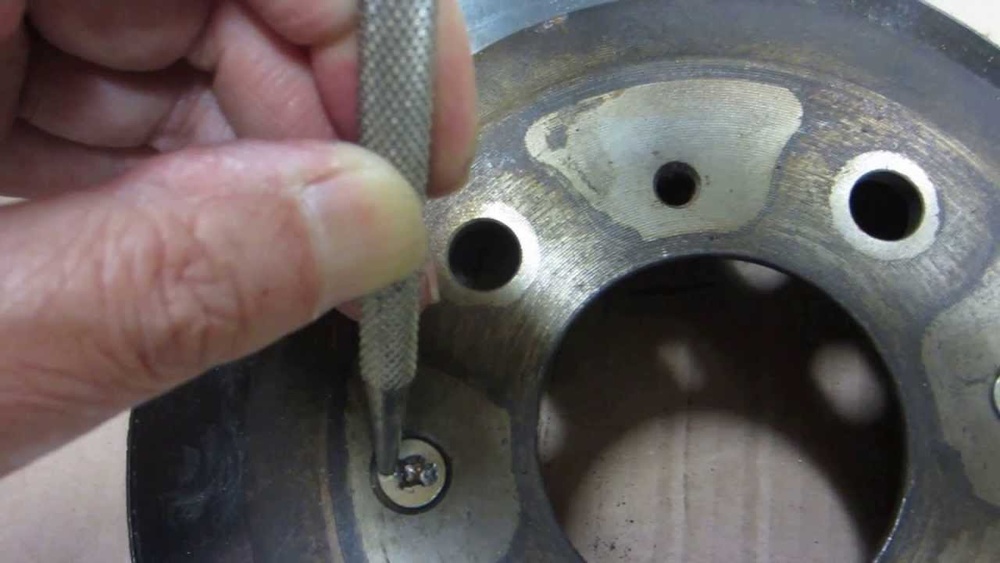
Visual signs include grooves, cracks, or rust on the rotor surface. Warped rotors cause vibration when braking. Ignoring these signs can lead to costly repairs or unsafe driving.
Factors Affecting Rotor Turning Cost
The cost to turn a brake rotor depends on several key factors. These affect the final price you will pay at the shop. Understanding these factors helps you prepare for the service and avoid surprises.
Each car and brake system is different. The cost varies based on the condition of the rotor, the type of vehicle, labor rates, and even your location. Let’s explore these factors in detail.
Rotor Condition
The state of your brake rotor plays a major role in cost. Rotors with deep grooves or heavy wear take longer to machine. If the rotor is too thin or damaged, it might need replacement instead. Simple resurfacing costs less than fixing badly worn rotors.
Vehicle Type
The type of vehicle affects the price to turn rotors. Larger vehicles like trucks or SUVs usually have bigger rotors. These take more time and effort to resurface. Luxury or performance cars may also cost more due to special parts and care needed.
Labor Charges
Labor rates vary widely between shops and regions. Some mechanics charge by the hour, while others have a flat rate for rotor turning. Shops with more experience or certifications may charge more. You pay for the skill and time spent on your brake job.
Location Variations
Where you live changes the cost too. Cities with a high cost of living often have higher shop prices. Rural areas may offer cheaper labor but fewer specialists. Local competition between repair shops can also lower prices for rotor turning.
Typical Price Range
Turning a brake rotor is a common service to restore smooth braking. The cost varies depending on the vehicle type and location. Understanding the typical price range helps you plan your budget better.
Cost For Standard Vehicles
For standard cars, rotor turning usually costs between $15 and $40 per rotor. Labor fees can add $50 to $100. The total price often stays under $150 for all four rotors. This service saves money compared to full rotor replacement.
Cost For Luxury And Performance Cars
Luxury and performance cars require special care and parts. Rotor turning for these vehicles can cost $50 to $100 per rotor. Labor charges also tend to be higher. Expect to pay $200 or more for all rotors. The price reflects the complexity and precision needed.
Credit: www.r1concepts.com
Diy Rotor Turning
DIY rotor turning lets you save money and learn car repair skills. It involves removing the brake rotor and smoothing its surface. This process can extend the life of your rotors and improve braking performance. Basic tools and some patience make this job possible at home.
Tools Required
- Brake lathe or rotor turning machine
- Jack and jack stands
- Lug wrench
- Socket set and ratchet
- Brake cleaner spray
- Torque wrench
- Safety gloves and goggles
Step-by-step Process
- Park car on a flat surface and loosen lug nuts.
- Use jack to lift the car and place it on stands.
- Remove the wheel and brake caliper carefully.
- Take off the brake rotor from the hub.
- Clean rotor surface with brake cleaner.
- Mount rotor on the brake lathe machine.
- Turn the rotor surface evenly to remove grooves.
- Reinstall the rotor, caliper, and wheel.
- Tighten lug nuts to proper torque.
- Lower the car and test brakes gently.
Risks And Considerations
Turning rotors too thin makes them unsafe. Check the rotor’s minimum thickness before starting. Uneven turning can cause brake vibration. Using the wrong tools can damage parts. Wear safety gear to avoid injury. If unsure, seek professional help to avoid costly mistakes.
Alternatives To Turning Rotors
Turning brake rotors is one way to fix issues with your brakes. There are other options to consider. These alternatives may suit your needs better. They can save you time, money, or effort. Understanding these choices helps you make the best decision for your car.
Rotor Replacement
Replacing rotors means getting new parts instead of fixing old ones. New rotors provide smooth braking and better safety. It costs more than turning but lasts longer. Sometimes, rotors are too worn or damaged to turn. New rotors can avoid future problems and save repair costs.
Resurfacing Vs. Turning
Resurfacing and turning both smooth the rotor surface. Resurfacing is a light, quick process. Turning removes more material and takes more time. Resurfacing can fix minor grooves or rust. Turning is better for deeper damage but reduces rotor thickness. Choosing depends on rotor condition and repair cost.

Credit: www.buybrakes.com
Tips To Lower Brake Maintenance Costs
Brake maintenance can be expensive, but simple steps can lower costs. Taking care of your brakes early saves money and keeps driving safe. Learn easy tips that help you spend less on brake repairs without cutting corners.
Regular Inspections
Check your brakes often to catch problems early. Small issues like worn pads or slight rotor damage can turn into costly repairs. Regular inspections help spot these problems before they get worse. You can do quick checks yourself or ask a mechanic during routine services.
Choosing The Right Service Shop
Pick a reliable shop that offers fair prices for brake services. Some places charge more for the same job. Read reviews and ask friends for recommendations. A good shop will explain costs clearly and suggest affordable options like rotor turning instead of replacement.
Frequently Asked Questions
How Much Does It Cost To Turn A Brake Rotor?
Turning a brake rotor typically costs between $15 and $45 per rotor. Prices vary by location and vehicle type. This process is cheaper than replacing rotors and can extend their lifespan effectively.
Is Turning Brake Rotors Better Than Replacing?
Turning rotors is cost-effective if the damage is minor. However, deep grooves or thin rotors require replacement. Turning improves surface smoothness but doesn’t fix severe rotor wear.
How Long Does Brake Rotor Turning Take?
Brake rotor turning usually takes about 30 to 60 minutes per axle. The time depends on the equipment and technician’s experience. It’s a quick service compared to full rotor replacement.
Can All Brake Rotors Be Turned Safely?
Not all rotors can be turned safely. Rotors must be above the minimum thickness to be resurfaced. Thin or cracked rotors should be replaced to ensure safety.
Conclusion
Turning a brake rotor usually costs less than buying a new one. Prices vary by car type and labor fees. Doing this can save money and extend rotor life. Keep in mind, some rotors might need full replacement. Always check your brake system regularly for safety.
Taking care of brakes helps avoid bigger repairs later. Choose trusted mechanics to ensure quality work. Spending a little now can prevent costly damage ahead. Brake maintenance is key to safe driving every day.