

Thinking about giving your kitchen a fresh new look without the hassle of a full renovation? Vinyl wrapping might be the perfect solution for you.
But before you dive in, you’re probably wondering: how much does it cost to vinyl wrap a kitchen? Understanding the price can help you plan your budget and avoid surprises. You’ll discover the key factors that affect the cost and learn how to get the best value for your money.
Keep reading to find out everything you need to know to transform your kitchen affordably and beautifully.
Factors Affecting Vinyl Wrap Cost
Several factors influence the cost of vinyl wrapping a kitchen. Understanding these can help plan your budget better. Each element affects the price differently, creating a range of possible costs.
Material Quality And Type
The quality and type of vinyl used play a big role in cost. Higher quality vinyl lasts longer and looks better. Some vinyl types have special finishes or textures. These options usually cost more but offer extra style and durability.
Kitchen Size And Complexity
Bigger kitchens need more vinyl, increasing material cost. Complex layouts with many corners or cabinets require more work. This complexity raises the price because wrapping takes more time and skill.
Labor And Installation Fees
Professional installation ensures a smooth, flawless finish. Labor charges depend on the installer’s experience and local rates. Some projects need extra care, which can add to installation fees.
Geographic Location
Prices vary by region due to local demand and cost of living. Urban areas often have higher rates than rural ones. Location affects both material availability and labor costs.
Additional Customization Options
Custom designs or patterns increase the price. Extra features like protective coatings or special cuts add costs. Custom work requires more time and skill, leading to higher fees.
Average Price Ranges
Vinyl wrapping a kitchen offers a fresh look without the high cost of remodeling. Prices vary based on kitchen size and material quality. Understanding average price ranges helps plan your budget better.
Small Kitchen Costs
Small kitchens usually cost less to wrap. Prices range from $300 to $700. This includes cabinets and some appliances. Simple designs keep costs low. Custom patterns may raise the price.
Medium Kitchen Costs
Medium kitchens cost between $700 and $1,500. More cabinets and surfaces need covering. The price depends on vinyl type and labor. Adding textures or special finishes can add to the cost.
Large Kitchen Costs
Large kitchens often cost $1,500 to $3,000 or more. Wrapping many cabinets and appliances takes time. High-end vinyl or detailed designs increase expenses. Professional installation is recommended for best results.
Diy Vinyl Wrapping Vs Professional Service
Deciding between DIY vinyl wrapping and hiring a professional service affects the kitchen wrap cost. Both choices have unique costs, benefits, and challenges. Understanding these factors helps make the best decision for your kitchen upgrade.
Cost Comparison
DIY vinyl wrap kits usually cost between $100 and $300. This price includes vinyl sheets and basic tools. Professionals charge more, often $500 to $1,500. Their price covers materials, labor, and expertise. DIY saves money upfront but may require extra spending on mistakes or tools. Professionals offer a fixed price with fewer surprises.
Pros And Cons Of Diy
DIY saves money and gives full control over the process. It suits small projects or simple designs. It requires time, patience, and some skill. Mistakes can cause bubbles, wrinkles, or uneven edges. Fixing errors costs extra time and money. DIY may lack the smooth finish a professional can provide. It’s good for people who enjoy hands-on work.
Benefits Of Hiring Professionals
Professionals bring skill and experience to the job. They ensure smooth application and perfect edges. Their work lasts longer and looks cleaner. Professionals save time and reduce stress. They use high-quality vinyl that fits your kitchen style. Most offer warranties on their work. Hiring experts guarantees a polished, durable finish.
Credit: www.wesprayupvc.co.uk
Materials And Tools Needed
Vinyl wrapping a kitchen requires specific materials and tools. These help ensure a smooth and lasting finish. Choosing the right supplies saves time and avoids mistakes. Below are the main materials and tools needed for this project.
Types Of Vinyl Wraps
There are several types of vinyl wraps for kitchens. Glossy vinyl offers a shiny, modern look. Matte vinyl creates a soft, subtle finish. Textured vinyl mimics wood, stone, or metal surfaces. Each type varies in price and durability. Pick a type that matches your kitchen style and budget.
Essential Tools For Application
Applying vinyl wrap needs the right tools. A squeegee removes air bubbles and smooths the wrap. A utility knife trims excess vinyl for clean edges. A heat gun softens vinyl for easy shaping around corners. Measuring tape ensures precise cuts. Clean cloths help prepare surfaces before application.
Maintenance Supplies
Keeping vinyl wrap looking good requires gentle care. Use a mild soap solution for cleaning. Soft sponges or microfiber cloths avoid scratches. Avoid abrasive cleaners or scrubbing pads. Regular cleaning prevents dirt buildup and keeps colors vibrant. Having these supplies extends the life of your wrap.
Tips To Save Money On Vinyl Wrapping
Saving money on vinyl wrapping can make your kitchen makeover more affordable. Small choices add up and help reduce the total cost. Planning ahead and smart shopping are key to staying within budget.
These tips help you get quality results without paying too much. Focus on materials, timing, and finding the right help for your project.
Choosing Affordable Materials
Vinyl wraps come in many types and prices. Pick budget-friendly options without losing style. Matte finishes often cost less than glossy ones. Look for brands that offer good quality at lower prices. Avoid custom prints, as they raise the cost. Simple colors and patterns usually save money.
Timing Your Project
Schedule your wrapping during off-peak seasons. Installers may offer discounts when they have less work. Avoid holiday periods to get better prices. Plan your project a few weeks ahead. This approach helps you find deals and avoid rush fees.
Finding Reliable Installers
Choose experienced installers who offer fair prices. Check reviews and ask for quotes from several professionals. Avoid very cheap services that may cause poor results. A good installer saves money by reducing mistakes. Clear communication helps prevent extra costs later.

Credit: layed.com
Common Challenges And How They Affect Costs
Vinyl wrapping a kitchen can be a cost-effective way to update its look. Costs vary because of several common challenges. These challenges impact the price by increasing labor and materials needed. Understanding these helps plan your budget better.
Surface Preparation Issues
Kitchen surfaces must be smooth and clean for vinyl to stick well. Old paint, grease, or dirt can cause problems. Removing these takes extra time and effort. Sometimes sanding or priming is required. These steps add to the total cost.
Complex Shapes And Designs
Kitchen cabinets and appliances often have curves or details. Wrapping around these shapes is tricky and takes skill. More time spent means higher labor costs. Intricate designs may need custom-cut vinyl pieces. This increases material waste and cost too.
Repair And Replacement Costs
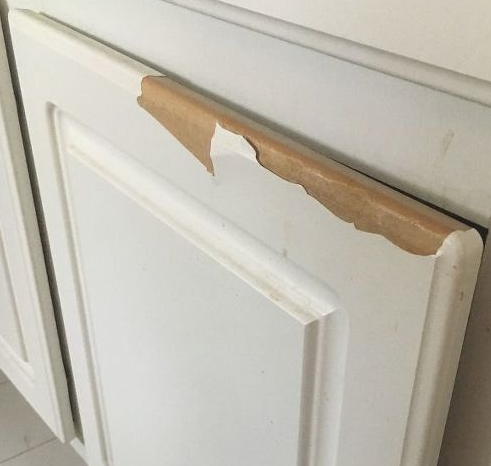
Damaged surfaces may need fixing before wrapping. Cracks, chips, or peeling areas must be repaired. Replacing broken parts is sometimes necessary. These repairs add to the overall expense. Skipping repairs can ruin the wrap’s look and durability.

Credit: www.youtube.com
Frequently Asked Questions
How Much Does Vinyl Wrapping A Kitchen Cost?
Vinyl wrapping a kitchen typically costs between $1,000 and $3,000. Prices vary by kitchen size, material quality, and labor. Custom designs or premium vinyl can increase the price. It’s a cost-effective alternative to full kitchen remodeling.
What Factors Affect Kitchen Vinyl Wrap Pricing?
Pricing depends on kitchen size, cabinet condition, and vinyl type. Labor rates and design complexity also influence costs. Additional prep work like cleaning or repairs can add to the total price. Location and installer expertise matter as well.
Is Vinyl Wrapping Cheaper Than Kitchen Painting?
Yes, vinyl wrapping is usually cheaper than professional kitchen painting. It offers faster installation and less mess. Vinyl wraps provide a durable, wipe-clean surface that resists scratches and stains better than paint.
How Long Does A Kitchen Vinyl Wrap Last?
A well-installed vinyl wrap can last 5 to 10 years. Longevity depends on material quality and kitchen usage. Proper care and gentle cleaning extend its lifespan, keeping your kitchen looking fresh longer.
Conclusion
Vinyl wrapping a kitchen can fit many budgets. Costs depend on size, material, and labor. It offers a fresh look without remodeling. This option saves time and money compared to full renovation. Choose quality vinyl for better durability and finish.
Think about your style and kitchen needs before deciding. A vinyl wrap can brighten your space with less hassle. Simple changes can make a big difference. Consider this cost-effective way to update your kitchen today.


