Wondering how much a fuel filter costs? You’re not alone.
If your car’s been acting up or you’re planning regular maintenance, knowing the price of a fuel filter can save you time and money. But the cost can vary a lot depending on your vehicle and where you buy it.
You’ll discover what affects the price, how to find the best deal, and why investing in a quality fuel filter matters for your engine’s health. Keep reading to make a smart choice that protects your car and your wallet.

Credit: www.fonho.com
Fuel Filter Basics
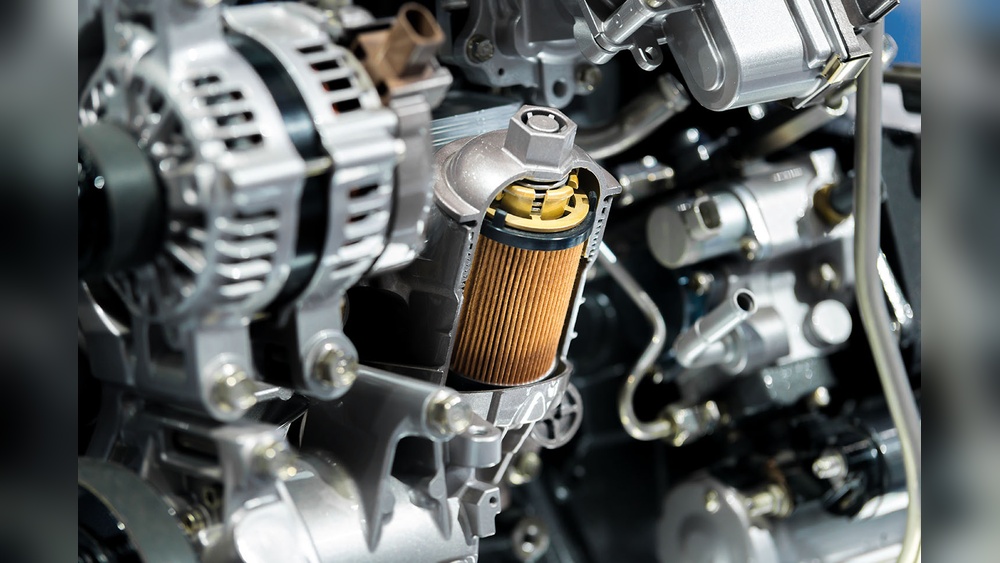
A fuel filter is a small but important part of a vehicle. It helps keep the engine clean by stopping dirt and rust from reaching the fuel system. Understanding fuel filter basics can help you know why it matters and how much it might cost.
The fuel filter works quietly inside your car. Without it, the engine could get damaged or stop working well. Knowing the purpose and types of fuel filters helps you care for your vehicle better.
Purpose Of A Fuel Filter
The main job of a fuel filter is to clean the fuel before it reaches the engine. It removes dust, dirt, and other small particles. Clean fuel helps the engine run smoothly and saves money on repairs.
Fuel filters protect the fuel injectors and carburetor from getting clogged. This keeps your car’s performance strong and steady. Changing the fuel filter regularly keeps the fuel clean and your engine healthy.
Types Of Fuel Filters
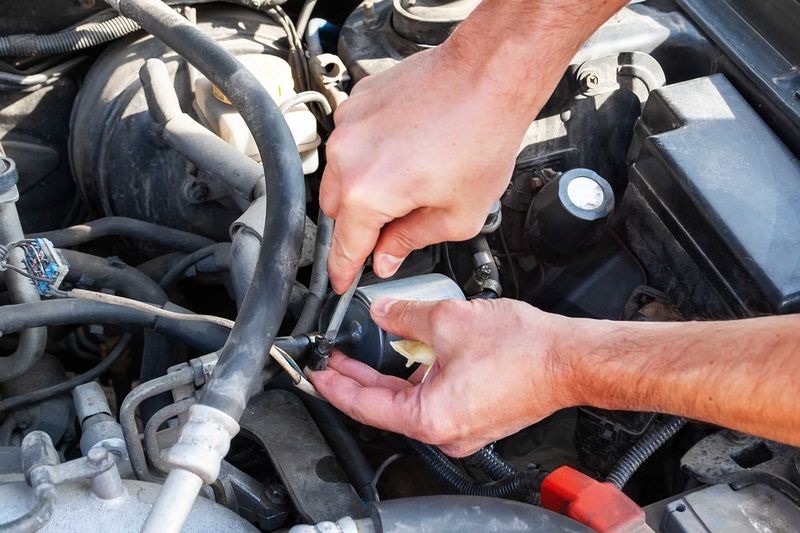
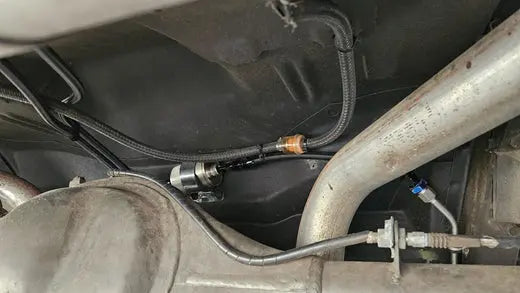
There are two common types of fuel filters: inline and cartridge. Inline filters are placed along the fuel line. They are easy to replace and often seen in many cars.
Cartridge filters are inside a housing and need a special tool to change. They are common in newer vehicles. Both types work well to stop dirt from reaching the engine.
Choosing the right fuel filter depends on your car’s make and model. Using the correct filter helps keep your car running smoothly and extends engine life.
Credit: driving.ca
Factors Affecting Fuel Filter Cost
The cost of a fuel filter varies depending on several key factors. Understanding these can help you plan your car maintenance budget better. Prices differ based on the type of vehicle and the quality of the filter. Some filters cost more due to their material or brand. Knowing what affects the price can guide you to the right choice for your vehicle.
Vehicle Make And Model
Different cars need different fuel filters. Some models require special sizes or designs. Luxury or rare cars often have pricier parts. Common vehicles usually have cheaper filters. The complexity of your car’s fuel system also matters. This affects how much the filter will cost.
Filter Material And Quality
Fuel filters come in various materials. Paper filters are common and cost less. Metal or synthetic filters last longer but cost more. Better quality filters protect your engine well. Cheap filters may clog faster and need replacing soon. Choosing quality means better performance and fewer repairs.
Oem Vs Aftermarket Options
OEM filters come from the car maker. They match your vehicle’s original parts. These filters are often more expensive. Aftermarket filters are made by other companies. They can be cheaper and work well. Some aftermarket brands offer high quality at lower prices. Deciding between OEM and aftermarket affects your fuel filter cost.
Average Price Range
The cost of a fuel filter varies depending on the type of vehicle. Knowing the average price range helps plan your budget. Prices differ for economy cars, luxury vehicles, and trucks.
Cost For Economy Cars
Fuel filters for economy cars usually cost between $15 and $40. These filters are simpler and more common. Most auto shops carry parts for standard vehicles.
Labor charges for installation may add another $20 to $50. Sometimes, owners choose to replace the filter themselves.
Cost For Luxury And Trucks
Luxury vehicles and trucks need higher-quality fuel filters. These filters cost more, ranging from $40 to $100. Brands and filter types affect the price.
Installing a fuel filter on these vehicles may take more time. Labor costs can rise to $50 to $120 depending on complexity.
Additional Costs To Consider
Besides parts and labor, some extra costs might appear. Old fuel system cleaning or fuel line inspection may add fees. Some shops charge environmental fees for disposing of old filters.
Prices vary by location and shop type. Always ask for a full estimate before service.
Installation Expenses
Installation expenses can affect the total cost of replacing a fuel filter. Costs depend on whether you do it yourself or hire a professional. Understanding these expenses helps in budgeting and planning your car maintenance.
Diy Installation Tips
Doing the installation yourself saves money on labor. You only pay for the fuel filter and basic tools. Find a clear guide or video for your car model. Work in a well-ventilated area and keep safety in mind. Disconnect the battery before starting. Use gloves and eye protection. Take your time to avoid mistakes. Double-check connections before finishing.
Professional Service Costs
Hiring a mechanic adds labor charges to the fuel filter price. Labor rates vary by location and shop type. Expect to pay between $50 and $150 for labor. Some shops include the filter cost in their service fee. Others charge separately for parts and labor. Professional service ensures correct installation and warranty coverage.
Labor Time Estimates
Replacing a fuel filter usually takes 30 to 60 minutes. Some vehicles need more time due to filter location. Older cars might require extra steps. Mechanics work faster with experience and tools. Quick service reduces labor costs. Plan for possible delays or extra repairs.
Signs You Need A New Fuel Filter
A fuel filter keeps dirt and rust out of your engine’s fuel. Over time, it clogs up and stops working well. This can cause your car to lose power or stall. Knowing the signs of a bad fuel filter helps avoid bigger problems. You can save money and stay safe on the road.
Common Symptoms
One sign is your engine sputters or hesitates. The car may struggle to start or take longer than usual. You might feel a loss of power when going uphill or carrying heavy loads. The engine can also run roughly or stall at idle. Poor fuel mileage can be another clue. Strange noises from the fuel pump may also appear.
When To Replace
Check your car’s manual for replacement schedules. Usually, fuel filters need change every 20,000 to 40,000 miles. Replace sooner if symptoms show or fuel quality is poor. Do it during regular maintenance or if you notice any signs. A clean fuel filter helps your engine run smoothly and last longer.
Credit: www.ievilenergy.com
Tips To Save On Fuel Filter Replacement
Fuel filter replacement can be costly if not planned well. Saving money on this service is possible with smart choices. Simple tips help reduce expenses without risking vehicle health. Focus on buying, service, and maintenance to cut costs.
Buying Filters Online
Online stores often sell fuel filters cheaper than local shops. Compare prices from different websites before buying. Check product reviews to ensure quality and fit. Buying the right filter saves money and prevents damage.
Choosing The Right Service Shop
Not all service shops charge the same for fuel filter replacement. Find a shop with fair prices and good customer feedback. Avoid expensive dealerships for simple services. A trusted local mechanic can offer quality work at lower costs.
Maintenance Practices
Regular car maintenance helps extend fuel filter life. Change the filter as recommended in the owner’s manual. Keep fuel clean by avoiding poor-quality gas stations. Clean fuel helps the filter last longer and improves engine performance.
Fuel Filter Longevity And Maintenance
Understanding fuel filter longevity and maintenance helps keep your vehicle running smoothly. A clean fuel filter protects the engine from dirt and debris. It also improves fuel efficiency and engine performance.
Regular care of the fuel filter saves money on repairs. It prevents engine problems caused by clogged filters. Knowing when and how to maintain it is important for every vehicle owner.
Typical Lifespan
Most fuel filters last between 20,000 and 40,000 miles. This can change based on driving habits and car type. Some vehicles may need filter changes more often. Check your car manual for the recommended schedule.
Impact Of Fuel Quality
Fuel quality affects how long a filter lasts. Poor fuel contains more dirt and water. This dirt clogs the filter faster. Using clean, high-quality fuel helps the filter work longer. It also protects the engine from damage.
Regular Checks
Inspect your fuel filter regularly to avoid issues. Signs of a clogged filter include engine misfires and poor acceleration. Listen for unusual sounds or check engine lights. Replace the filter if problems appear. Regular checks keep your car healthy and efficient.
Frequently Asked Questions
How Much Does A Fuel Filter Replacement Cost?
Fuel filter replacement typically costs between $20 and $100. Prices vary depending on your vehicle model and labor charges at the service center.
What Factors Affect Fuel Filter Prices?
Fuel filter cost depends on vehicle type, filter quality, and labor fees. OEM parts usually cost more than aftermarket alternatives.
How Often Should You Change Your Fuel Filter?
Most manufacturers recommend changing the fuel filter every 20,000 to 40,000 miles. Regular replacement ensures optimal engine performance and fuel efficiency.
Can A Dirty Fuel Filter Cause Engine Problems?
Yes, a clogged fuel filter restricts fuel flow, causing poor engine performance, stalling, or difficulty starting the vehicle.
Conclusion
Fuel filters vary in price depending on type and car model. Simple filters cost less, while advanced ones cost more. Installation fees may add to the total expense. Regular filter changes keep your engine clean and running well. Neglecting this part can lead to costly repairs.
Choosing the right filter helps save money and time. Always check prices and quality before buying. A clean fuel filter means a healthier car. Small costs now can prevent big problems later.