When your car starts making strange noises or you feel it pulling to one side, it’s often a sign your brake pads and rotors need attention. But before you head to the mechanic, you probably want to know: how much will it cost to get new brake pads and rotors installed?
Understanding the price can save you from unexpected bills and help you make smarter decisions for your car’s safety. You’ll discover the factors that affect the cost, what to expect during the repair, and tips to get the best deal without compromising quality.
Keep reading to protect your wallet and your ride.

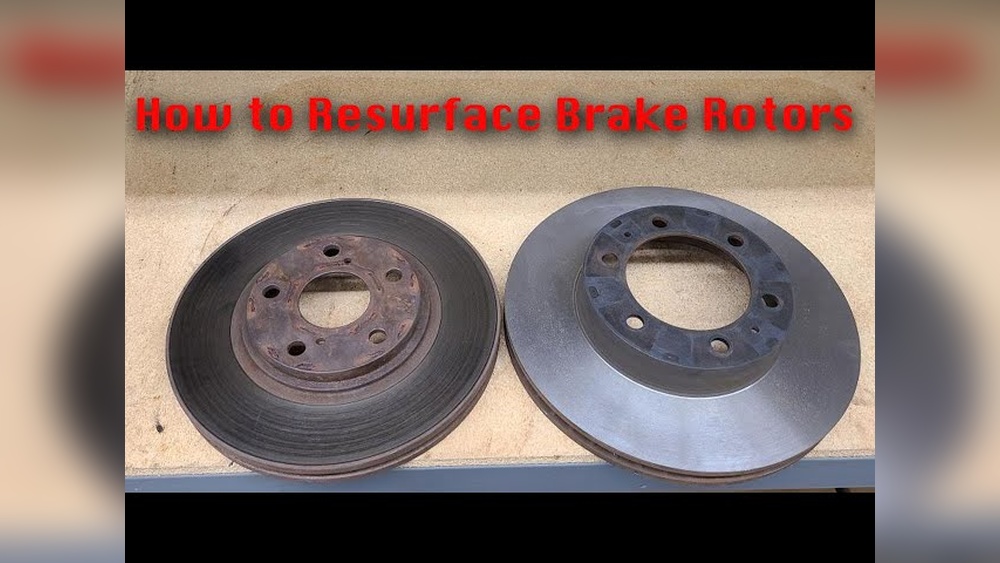
Credit: www.reddit.com
Brake Pads And Rotors Basics
Brake pads and rotors are key parts of your car’s brake system. They work together to stop your vehicle safely. Understanding their basics helps you know why replacing them matters. It also helps you understand the cost of new brake pads and rotors installed.
Brake pads press against the rotors to create friction. This friction slows down and stops your car. Over time, both parts wear out and need replacement. Choosing the right types affects your car’s braking performance and safety.
Types Of Brake Pads
Brake pads come in several types. Each type has different materials and uses. Ceramic pads are quiet and last long. They produce less dust, keeping wheels cleaner. Semi-metallic pads offer strong braking power. They work well in cold and wet conditions. Organic pads are softer and quieter. They wear faster but cost less. Choose pads based on driving style and conditions.
Rotor Materials And Styles
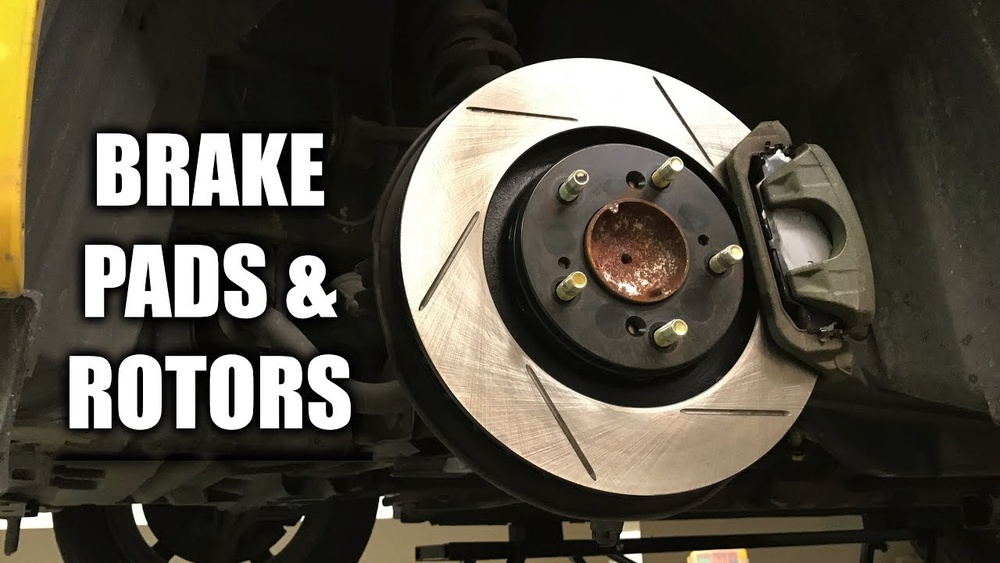
Rotors also vary by material and design. Most rotors are made of cast iron. Cast iron is strong and affordable. Some rotors have drilled holes to cool faster. Slotted rotors help remove brake dust and water. Performance cars may use lightweight rotors made from special alloys. The right rotor type improves braking and lasts longer.
Factors Affecting Replacement Costs
Replacing brake pads and rotors costs vary widely. Several factors influence the total price. Understanding these factors helps you prepare for the expense. Let’s explore the main elements affecting brake replacement costs.
Vehicle Make And Model
Different cars need different brake parts. Luxury and sports cars often require expensive components. Common models use standard parts that cost less. Some vehicles have complex brake systems. This can increase the price of parts and labor.
Quality Of Parts
Brake parts come in various quality levels. Economy parts are cheaper but wear out faster. Premium parts last longer and perform better. Choosing high-quality parts raises the replacement cost. Low-quality parts reduce upfront cost but may cost more later.
Labor Charges
Labor rates vary by location and shop type. Dealerships usually charge more than local garages. Experienced mechanics may charge higher fees. The job’s complexity affects labor time and cost. Simple brake jobs take less time, so cost less.
Average Cost Breakdown
Replacing brake pads and rotors is a common car repair. Knowing the average cost helps you plan your budget. Costs vary by car type, part quality, and labor rates. Below is a simple breakdown of typical prices.
Brake Pads Price Range
Brake pads cost between $30 and $80 per set. Economy pads are cheaper but wear out faster. Premium pads offer better stopping power and last longer. Prices depend on the brand and material used.
Rotor Price Range
Rotors usually cost from $40 to $100 each. Some high-performance rotors cost more. Standard rotors work well for daily driving. You might pay more for drilled or slotted designs.
Labor Cost Estimates
Labor for brake pad and rotor replacement ranges from $80 to $150. Shops charge by the hour, usually one to two hours per axle. Labor costs differ by location and shop type.
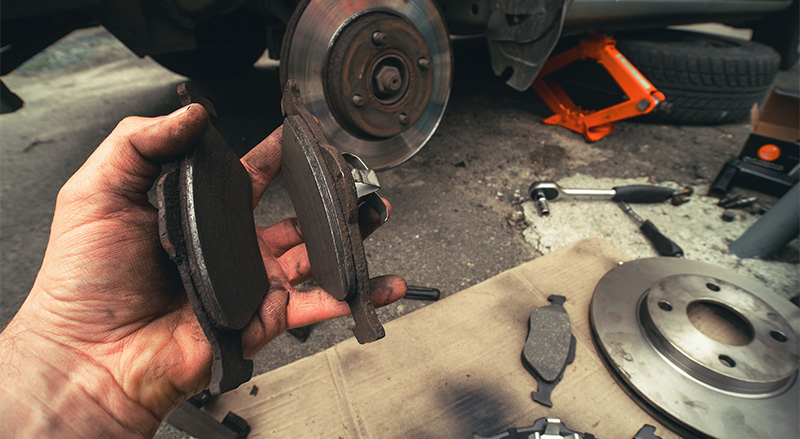
Credit: blog.napacanada.com
Diy Vs Professional Installation
Choosing between DIY and professional installation for new brake pads and rotors can affect your car’s safety and your budget. Both options have benefits and drawbacks. Understanding these can help you make the right choice for your needs and skills.
Pros And Cons Of Diy
Doing the job yourself saves labor costs and gives a sense of achievement. You learn more about your car’s brakes and maintenance. You can work at your own pace without waiting for an appointment.
DIY requires tools and space. Mistakes can cause brake failure or damage. It takes time, especially for beginners. Safety risks are higher if you don’t follow instructions carefully.
When To Choose A Mechanic
Choose a mechanic if you lack tools or experience. Professionals ensure correct installation and test the brakes. They save you time and reduce risk. Mechanics provide warranties on parts and labor.
Complex brake systems or worn parts need expert care. If you want peace of mind and safe brakes, professional help is best. It costs more but offers quality and safety assurance.
Signs You Need New Pads And Rotors
Knowing when to replace brake pads and rotors is important for safety. Worn parts can cause problems and increase repair costs. Pay close attention to your car’s signs. Catching issues early saves money and avoids accidents.
Brake Noise And Vibration
Squealing or grinding noises often mean worn brake pads. The sound comes from metal parts rubbing together. Vibration when braking is another warning. It feels like shaking in the brake pedal or steering wheel. These signs show rotors may be warped or damaged.
Reduced Braking Performance
If your car takes longer to stop, pads might be thin. Soft or spongy brake pedal also indicates trouble. Reduced braking power puts you at risk on the road. Check your brakes regularly to keep them working well.
Tips To Save On Brake Service
Brake service can be costly, but there are ways to save money. Small steps help reduce costs without risking safety. Smart choices on parts and labor make a big difference. Regular care also keeps your brakes working longer.
Choosing Affordable Parts
Choose brake pads and rotors that fit your car and budget. OEM parts cost more but last longer. Aftermarket parts can be cheaper and work well if picked carefully. Compare prices online and at stores. Avoid very cheap parts that may wear out fast.
Finding Reliable Mechanics
Find mechanics with good reviews and fair prices. Ask friends or check online ratings. A trusted mechanic avoids unnecessary repairs and uses quality parts. Get multiple quotes before deciding. Some shops offer free brake inspections to spot issues early.
Regular Maintenance Practices
Check brake pads and rotors often. Change pads before they wear completely. Clean brake parts to avoid dirt buildup. Drive gently to reduce brake wear. Regular maintenance helps avoid costly repairs later. Keep your car’s braking system in good shape.

Credit: www.youtube.com
Frequently Asked Questions
How Much Do New Brake Pads And Rotors Cost Installed?
The cost typically ranges from $250 to $500. Prices vary by vehicle type, quality of parts, and labor rates at the shop.
How Long Does Brake Pad And Rotor Replacement Take?
Replacement usually takes 1 to 2 hours. Time depends on vehicle model and mechanic’s experience.
Are Oem Brake Pads And Rotors Worth The Extra Cost?
OEM parts ensure perfect fit and reliable performance. They may cost more but often last longer and maintain safety.
Can I Install Brake Pads And Rotors Myself?
DIY is possible with tools and knowledge. However, professional installation ensures safety and proper brake function.
Conclusion
New brake pads and rotors keep your car safe and smooth. Prices vary based on car type and parts quality. Labor costs also affect the total price. Regular checks help avoid big repair bills later. Choose a trusted mechanic for good work.
Knowing costs helps you plan your budget better. Stay safe on the road with fresh brakes. Don’t wait until brakes wear out completely. A small investment now saves money and stress. Simple steps keep your driving worry-free and steady.