Have you ever wondered, “How much is a car with a blown engine worth?” If your car’s engine has given out, you’re probably worried about its value.
You might think it’s worthless, but that’s not always true. Knowing the real worth can help you make smart decisions—whether you want to sell, trade, or repair your car. You’ll discover exactly how to figure out the value of your car with a blown engine and what options you have to get the best deal.
Keep reading—you don’t want to miss these important tips that could save you money and stress.
Factors Affecting Value
Determining the value of a car with a blown engine depends on several important factors. Each factor changes how much buyers are willing to pay. Understanding these can help set a fair price or decide on the next steps.
Age And Mileage
Older cars with high mileage usually lose more value. A blown engine in an older car lowers its worth even more. Newer cars with fewer miles might still have some value. Buyers may pay more if the rest of the car is in good shape.
Make And Model
Some car brands keep their value better than others. Popular or rare models may still fetch a good price. Luxury cars or sports cars often have higher parts value. Less popular brands usually drop in price faster.
Condition Beyond Engine
The car’s body, tires, and interior also affect its value. A clean, well-maintained car sells for more. Damage like rust, dents, or worn seats lowers value. Working features like brakes and electronics add worth.
Market Demand
Demand for certain cars changes by location and time. A car in high demand may sell for more, even with a blown engine. Low demand means lower prices. Seasonal trends and fuel prices also impact value.
Types Of Engine Damage
Engine damage varies widely. It affects a car’s value a lot. Understanding types of engine damage helps buyers and sellers. It also guides repair decisions. The damage can be minor or major. Some engines can be fixed. Others are beyond repair. Knowing the signs of a blown engine is key. It helps to spot problems early.
Minor Vs Major Damage
Minor damage includes small leaks or worn parts. These issues usually cause less harm. They often do not stop the engine from running. Major damage means broken parts inside the engine. It can cause the engine to fail completely. Examples are cracked blocks or damaged pistons. Major damage lowers the car’s worth a lot. Minor damage lowers it a little.
Repairability
Minor damage can often be fixed cheaply. Simple repairs may restore engine function. Major damage needs costly parts and labor. Sometimes, repairs cost more than the car’s value. Engine replacement is another option. It depends on the car’s age and model. A repairable engine keeps more value in the car. An irreparable engine lowers resale price significantly.
Signs Of A Blown Engine
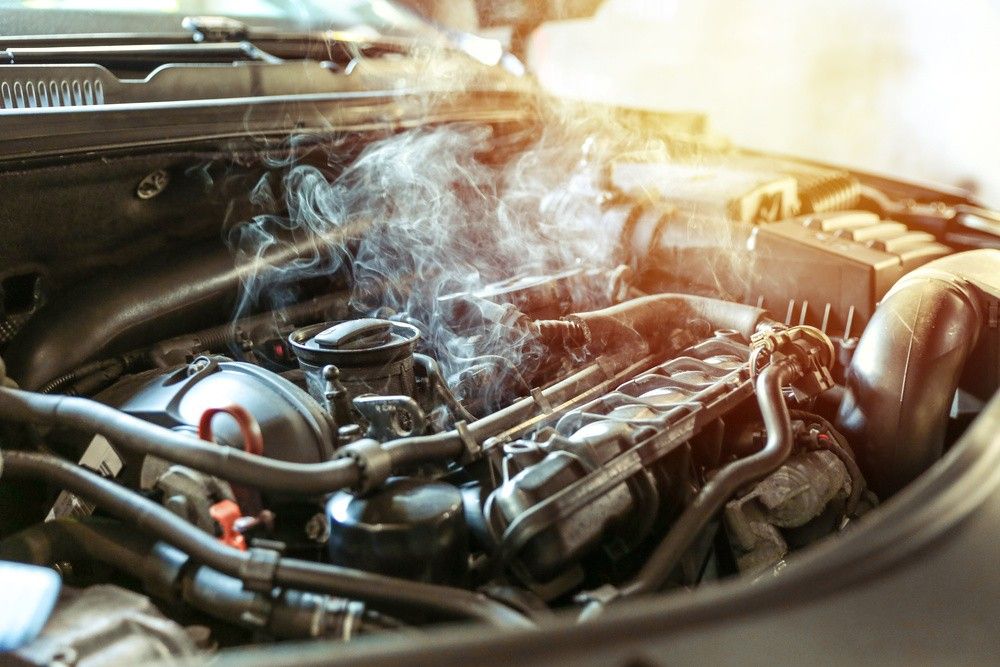
White smoke from the exhaust signals engine trouble. Overheating is a common warning sign. Strange noises like knocking or tapping matter. Engine oil mixing with coolant shows damage inside. Poor performance and stalling indicate serious issues. These signs mean the engine might be blown. Early detection helps save money and time.
Valuation Methods
Determining the value of a car with a blown engine requires understanding different ways to estimate its worth. Various methods help find a fair price depending on the car’s condition and the buyer’s interest. Each method offers a unique perspective on how much you can get for the vehicle.
Trade-in Value
Trade-in value is what a dealership offers for the car. Dealers often lower this value because they consider repair costs. This price is usually less than private sale offers. It saves time and effort for the seller. However, expect a lower amount than other methods.
Private Sale Price
A private sale can bring a higher price than trade-in offers. Buyers here may want the car for parts or repair projects. The price depends on the car’s model, age, and condition. It can be tricky to find the right buyer. Still, this method often provides the best return.
Parts Selling Price
Selling the car’s parts individually can bring a good total value. Some parts stay valuable even if the engine is damaged. Tires, seats, and electronics are examples. This method requires time and knowledge. It suits sellers ready to dismantle the car piece by piece.
Scrap Value
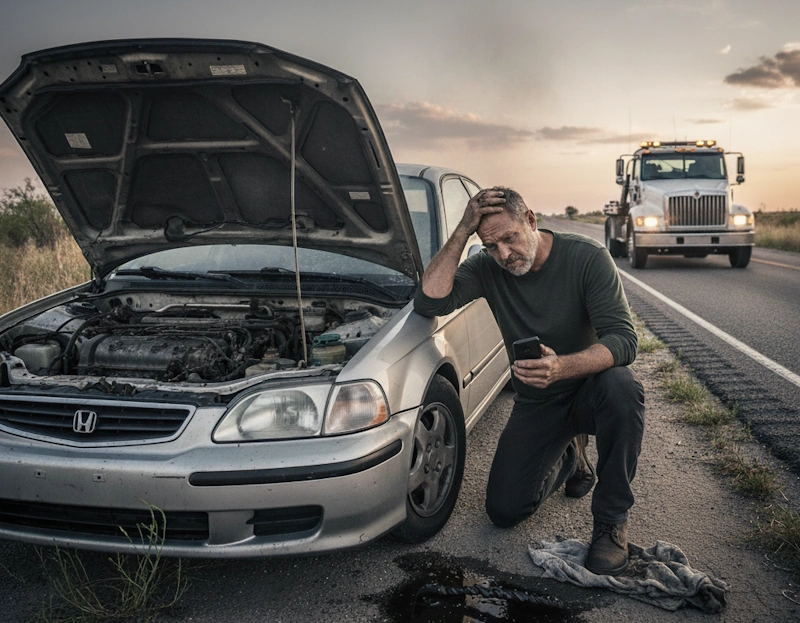
Scrap value is the lowest price but the quickest option. It depends on the car’s weight and metal prices. Scrap yards pay cash fast and handle the car removal. This method is best when other options seem too hard or slow. It gives a final value based on metal recycling.
Credit: junkcardog.com
Selling Options
Selling a car with a blown engine can be tricky. Many sellers wonder about the best way to get value from such a vehicle. There are several selling options. Each option has its pros and cons. Understanding these can help you choose the best path.
Selling As-is
Selling a car as-is means you sell it in its current condition. The buyer knows the engine is blown. This option saves time. You do not pay for repairs or parts. The price will be lower than a working car. Buyers often include mechanics or hobbyists. They buy to fix or use parts.
Selling For Parts
Some sellers choose to sell the car for parts only. This can bring more money than selling the whole car. Parts like tires, seats, and electronics can be valuable. Removing and selling parts takes time and effort. It works well if the car has many good parts. Many buyers look for used parts to save money.
Engine Replacement Before Sale
Replacing the engine before selling can increase the car’s value. It takes money and time to fix the engine. The car will be more attractive to buyers. You can ask for a higher price. This option suits sellers who want a faster sale. It also suits those who want a better profit. The cost of replacement must be less than the price increase.
Tips To Maximize Value
Maximizing the value of a car with a blown engine takes some effort. Small steps can help you get a better price. Clear information and the right buyers make a big difference. Below are some tips to help you get the most value.
Accurate Disclosure
Be honest about the engine condition. Tell buyers the engine is blown right away. Hiding problems can cause trust issues. Clear facts build trust and avoid future problems. Honesty helps buyers make quick decisions.
Documentation And History
Gather all maintenance records and repair history. Show proof of past services and upgrades. Good documents prove the car was cared for. It makes the car more attractive to buyers. Papers give confidence about the car’s overall condition.
Targeting The Right Buyers
Find buyers who want projects or parts. Mechanics and hobbyists look for cars like this. Sell in places where these buyers search. Specialized forums and local groups work well. Targeted buyers understand the value better.
Credit: www.bumper.co

Credit: www.reddit.com
Frequently Asked Questions
How Much Is A Car With A Blown Engine Worth?
A car with a blown engine is typically worth 10% to 30% of its market value. The exact price depends on the car’s make, model, and condition.
Can I Sell A Car With A Blown Engine For Parts?
Yes, selling a car with a blown engine for parts can be profitable. Buyers often seek usable components like tires and electronics.
Does A Blown Engine Car Have Any Resale Value?
Yes, it has resale value mainly for scrap, parts, or repair projects. The value is much lower than a running car.
How Do Mechanics Price Cars With Blown Engines?
Mechanics price them based on repair costs and parts value. They often consider the engine replacement expense and overall vehicle condition.
Conclusion
A car with a blown engine still holds some value. Parts can be sold separately to recover money. Buyers may want it for repairs or projects. Knowing the worth helps make better decisions. Prices vary based on car model and condition.
Always research before selling or buying such cars. This helps avoid surprises and saves time. Understanding the value guides you to the right choice. Keep these points in mind for smart deals.