

Are you thinking about tinting your car windows but wondering how much it will cost? You’re not alone.
Many people want to enjoy the benefits of car tinting—like better privacy, heat reduction, and a sleek look—without breaking the bank. But the price can vary a lot depending on several factors. You’ll discover exactly what influences the cost of car tinting and how to get the best value for your money.
Keep reading to find out how much you should expect to pay and what options fit your budget perfectly.

Credit: www.raynofilm.com
Factors Affecting Tinting Prices
Several factors affect the cost of car tinting. Knowing these helps you understand price differences. Prices vary by film type, car size, window count, labor rates, and extra features. Each factor changes the final cost differently.
Type Of Tint Film
The type of tint film impacts price the most. Basic dyed films cost less. Ceramic and metallic films offer better heat rejection but cost more. Higher quality films last longer and protect better. Choose a film that fits your budget and needs.
Vehicle Size And Model
Bigger vehicles need more tint film. Large SUVs and vans usually cost more to tint than small cars. Curved or complex window shapes take more time and skill. That can increase the price for some car models.
Number Of Windows
The total number of windows to tint matters. More windows need more film and labor. Some vehicles have extra small windows or rear windshields. Including these increases the overall cost.
Local Labor Rates
Labor costs vary by location. Shops in big cities charge more than those in smaller towns. Skilled technicians may also charge higher rates. Labor price changes can affect the total cost significantly.
Additional Features
Extra options add to the tinting cost. Features like UV protection, anti-glare, or privacy enhancements cost extra. Some films come with warranties or special coatings. These features raise the price but improve value.
Credit: www.tintingchicago.com
Common Types Of Tint Films
Car tinting uses different types of films to block sunlight and add privacy. Each tint film offers unique benefits and costs. Knowing the common types helps choose the best one for your needs.
These tint films vary in durability, heat rejection, and appearance. Understanding them makes it easier to decide on the right tint for your car.
Dyed Tint
Dyed tint is the most affordable and popular option. It uses a layer of dye to absorb sunlight and reduce glare. This tint darkens windows but may fade over time. It does not block heat as well as others.
Metallic Tint
Metallic tint contains tiny metal particles that reflect heat and UV rays. It offers good heat rejection and increases privacy. This tint can interfere with electronic signals like GPS or radio. It lasts longer than dyed tint.
Carbon Tint
Carbon tint uses carbon particles to block heat and UV rays effectively. It does not fade or change color over time. This tint gives windows a matte finish and keeps the car cooler. It is more expensive than dyed and metallic tints.
Ceramic Tint
Ceramic tint uses advanced ceramic technology for excellent heat and UV protection. It does not block signals or fade. This tint keeps the interior cooler and improves comfort. It is the most expensive type but offers top performance.
Hybrid Tint
Hybrid tint combines dyed and metallic layers for balanced benefits. It offers good heat rejection and a sleek look. This tint reduces fading and signal interference. It costs more than dyed but less than ceramic tint.
Price Ranges For Different Vehicles
Car tinting costs vary depending on the type of vehicle. Different vehicles need different amounts of tinting material. This affects the total price. Understanding price ranges helps you plan your budget better. Below, we explore common vehicle categories and their tinting costs.
Sedans And Compact Cars
Sedans and compact cars are smaller and use less tint film. The cost usually ranges from $100 to $250. Prices depend on the tint quality and installer. These vehicles are the most affordable for tinting.
Suvs And Crossovers
SUVs and crossovers have larger windows. More tint film is required. This raises the price to between $150 and $350. Some models with bigger rear windows may cost more.
Trucks And Vans
Trucks and vans often have wide and tall windows. Tinting these vehicles costs more due to size. Prices typically range from $200 to $400. Vans with many windows may be at the higher end.
Luxury And Specialty Cars
Luxury and specialty cars need high-quality tint and precise work. The cost can reach $300 to $600 or more. Specialty films and warranties add to the price. Expect higher costs for rare or custom vehicles.
Diy Vs Professional Tinting Costs
Deciding between DIY and professional car tinting affects your costs and results. Each choice has its own price points and benefits. Understanding these differences helps you pick the best option for your budget and needs.
Materials And Tools Expense
DIY tinting requires buying film, tools, and cleaning supplies. High-quality tint films cost between $20 and $100. Tools like squeegees and knives add to the price. Professional tinting includes all materials, so you pay only one fee. This fee usually ranges from $100 to $400 depending on car size and tint quality.
Skill And Time Considerations
DIY tinting needs patience and skill to avoid bubbles or wrinkles. It may take several hours or more for a good job. Mistakes could mean buying new film. Professionals work fast and have experience. They finish in under two hours, saving your time and effort.
Warranty And Quality Differences
Professional tinting often comes with a warranty covering peeling or fading. DIY jobs usually have no warranty. Professionals use better materials and techniques. This results in longer-lasting tint and cleaner edges. DIY tint may fade or peel faster without expert care.
Legal Restrictions And Their Impact On Cost
Legal rules for car tinting vary across regions. These rules affect how much tinting costs. Complying with laws can raise the price. Knowing these limits helps avoid fines and extra charges.
State And Local Regulations
Each state and city sets its own tinting rules. Some places allow darker tints than others. Local laws may have stricter limits. Violating these rules can lead to fines. This risk makes some tint options cost more.
Tint Darkness Limits
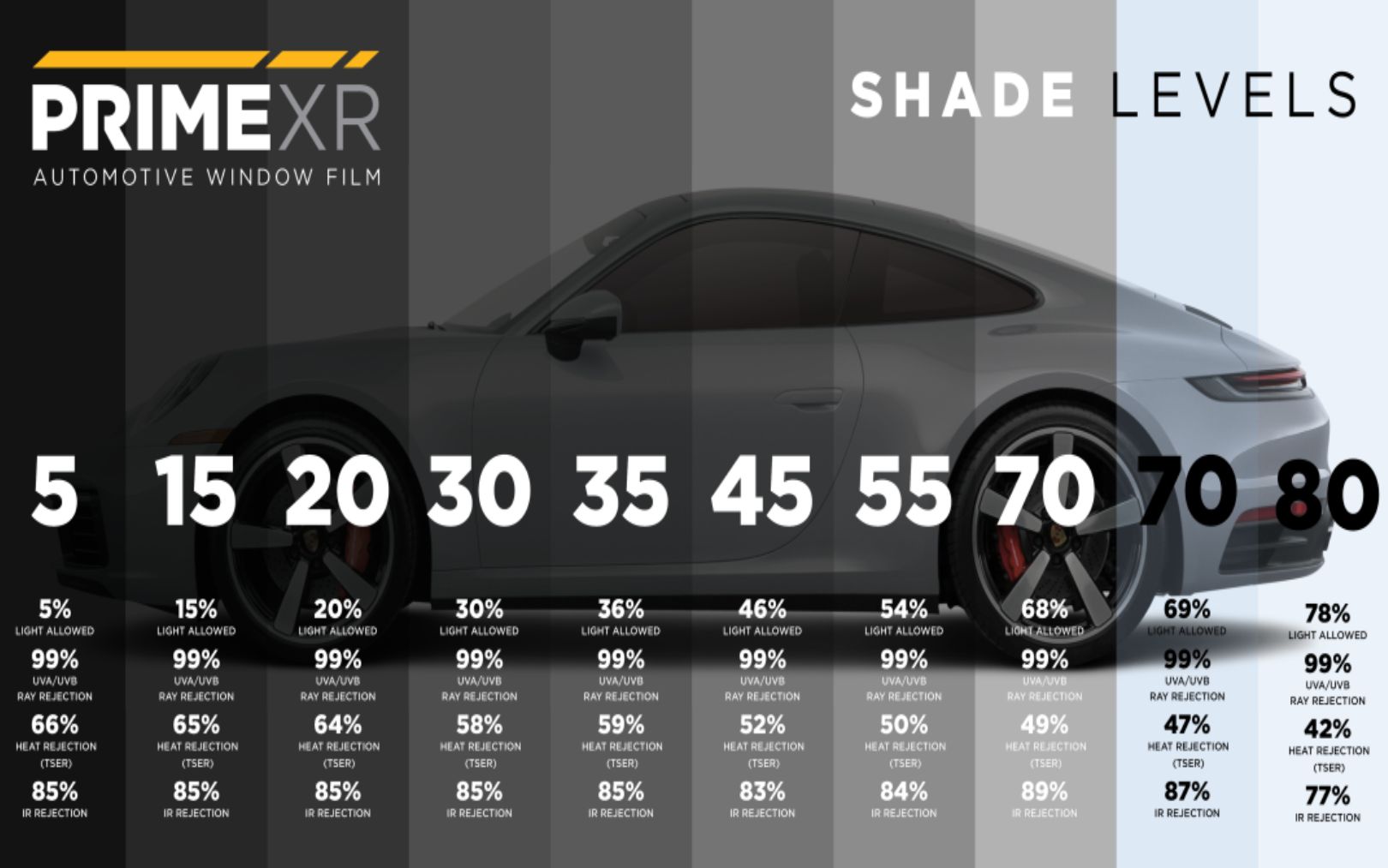
Most laws limit how dark tint can be. The darker the tint, the higher the chance of breaking the law. Lighter tints that meet regulations often cost less. Special films that block light but stay legal cost more. Balancing darkness and legality affects the final price.
Certification And Compliance Fees
Some tint films need certification to prove they follow laws. Certified films usually cost more due to testing. Shops may charge extra for legal compliance paperwork. These fees add to the total tinting cost. Choosing certified products helps avoid legal trouble and extra fines.

Credit: www.godetail.com
Tips To Save On Tinting Expenses
Saving money on car tinting does not have to be hard. Small steps can lower your total cost. Choosing smart options helps you get good results without overspending. Here are some tips to help you spend less on tinting your car.
Choosing The Right Film
Select a film that fits your budget and needs. Cheaper films can still block sunlight well. Avoid the most expensive brands if you want to save. Look for films with good reviews that cost less. This helps you avoid paying too much for features you don’t need.
Bundling Services
Ask shops about discounts for multiple services. Some places offer deals if you tint all windows at once. Bundling tinting with other car services might also reduce costs. Combine services to get better prices and save money overall.
Seasonal Discounts
Check for discounts during slow seasons. Many shops lower prices in winter or rainy months. Off-season tinting may cost less and have more available appointments. Watch for special deals or sales events near holidays.
Comparing Local Shops
Visit several local tinting shops to compare prices. Prices can vary a lot between shops. Look at quality and warranty along with cost. Choosing a shop with fair prices and good service saves money and stress.
Maintaining And Caring For Tinted Windows
Maintaining and caring for tinted windows keeps them looking great longer. Proper care protects the tint from damage and fading. Good habits help save money on repairs or replacements.
Cleaning Techniques
Use a soft cloth or sponge to clean tinted windows. Avoid paper towels or abrasive materials that can scratch the film. Use a mild soap and water solution for cleaning. Spray the solution on the cloth, not directly on the window. Wipe gently in circular motions. Dry with a clean microfiber cloth to avoid streaks.
Avoiding Damage
Do not use ammonia-based cleaners on tinted windows. Ammonia can cause the tint to bubble or peel. Avoid sharp objects or scrapers near the glass. Keep car windows rolled up during automatic car washes. Strong brushes can scratch or lift the tint film. Protect windows from direct sunlight for long periods when possible.
Longevity Tips
Park in shaded areas to reduce sun damage. Avoid rolling down windows too often in the first days after tinting. Give the tint time to cure and stick firmly. Regularly check for bubbles or peeling edges. Address small problems quickly to prevent bigger damage. Proper care helps the tint last for years.
Frequently Asked Questions
How Much Does Car Tinting Typically Cost?
Car tinting usually costs between $100 and $400, depending on the type of film and vehicle size. Premium films and larger vehicles increase the price. Installation quality also affects the overall cost.
What Factors Influence Car Tinting Prices?
Prices vary based on film quality, vehicle size, tint darkness, and installation complexity. Legal restrictions in your area can also affect your choice and cost. Higher quality films offer better durability and UV protection.
Is Professional Car Tinting Worth The Cost?
Yes, professional tinting ensures precise installation and long-lasting results. It prevents bubbling and peeling common with DIY kits. Professionals also offer warranties and comply with local tint laws for safety.
Can Car Tinting Save Money On Energy Bills?
Yes, car tinting reduces heat inside your vehicle, lowering air conditioning use. This helps save fuel and energy costs over time. It also protects your interior from sun damage, preserving resale value.
Conclusion
Car tinting costs vary depending on several factors like type and quality. Choosing the right tint can protect you from the sun and add privacy. Prices often reflect the material and installation skill. It pays to compare local shops and read reviews before deciding.
Remember, a good tint job lasts many years and keeps your car cooler. Think about your budget and needs carefully. Getting tinting done right saves money in the long run. Simple steps lead to better results and satisfaction.


