

Are you wondering how much it will cost to register your car in Utah? Knowing the exact fees can save you time, money, and headaches.
Whether you’re buying a new vehicle or renewing your registration, understanding the costs involved is key. You’ll discover the details about Utah’s car registration fees, what factors affect the price, and tips to make the process smooth and affordable. Keep reading to get the clear answers you need before heading to the DMV.
Registration Fees Breakdown
Understanding the registration fees for a car in Utah helps you plan your budget. The total cost includes several parts. Each part adds to the final amount you pay. Knowing the details makes the process clear and easy.
Base Registration Costs
The base fee depends on the vehicle type and weight. Passenger cars usually have a set fee. Heavier vehicles pay more. This fee covers the basic cost to register the car with the state.
Additional County Fees
Counties in Utah charge extra fees. These vary based on where you live. Some counties add fees for road maintenance and local services. These fees are added to the base registration cost.
Special Plate Charges
Special or personalized plates cost extra. Plates with unique designs or causes require an additional fee. This fee supports specific programs or charities. You can choose these plates for a small additional cost.
Factors Affecting Registration Cost
Several factors affect the cost of car registration in Utah. These factors help determine the final price you pay each year. Understanding these can help you plan your budget better. Here are the key elements that influence registration fees.
Vehicle Weight And Type
Heavier vehicles usually have higher registration fees. This is because they cause more wear on roads. Trucks and SUVs often cost more than small cars. The type of vehicle also matters. Passenger cars, motorcycles, and commercial vehicles have different fee structures.
Vehicle Age Impact
Older cars generally have lower registration costs. Utah lowers fees for vehicles that are many years old. This encourages owners to keep older vehicles registered. Newer cars tend to have higher fees due to their value and condition. The state updates these rules regularly.
Electric And Hybrid Vehicle Fees
Electric and hybrid cars pay special fees in Utah. These fees help cover road maintenance since these cars use less gas. Electric vehicles may pay extra yearly charges. Hybrid cars sometimes pay less than electric but more than gas cars. These fees aim to balance road use and environmental benefits.
How To Calculate Registration Fees
Calculating your car registration fees in Utah is simple. Understanding the process helps you plan your budget. Fees depend on your vehicle and other factors. There are two easy ways to calculate your registration fees. You can use online tools or do it manually.
Using Online Calculators
Online calculators provide a quick way to find your fees. Enter details like your car’s year, make, and model. The calculator shows the exact registration cost. These tools are updated with Utah’s latest fee rules. They save time and reduce errors. You only need a device with internet access.
Estimating Fees Manually
Manual estimation requires knowing key fee components. Base fees depend on your vehicle’s weight and age. County fees vary depending on your home address. You must add a small fee for special plates, if used. Check Utah’s Department of Motor Vehicles website for current rates. Add all fees together for a total estimate.

Credit: www.boat-ed.com
Required Documents For Registration
Registering a car in Utah requires specific documents. These papers prove your ownership and show your car meets state rules. Having the right documents ready makes the process faster. Here are the main documents needed for registration.
Proof Of Ownership
You must show proof you own the car. This is usually the car title or a bill of sale. If the car is new, the dealer provides the title. For used cars, the previous owner must sign the title over to you. Without proof, registration cannot be completed.
Insurance Requirements
Utah law requires car insurance for registration. You need to provide a valid insurance card. This card shows you have liability coverage. Liability covers damage or injury you cause in an accident. No insurance means no registration.
Emissions And Safety Inspections
Some Utah areas require emissions tests. These tests check pollution levels from your car. A safety inspection might also be needed. It ensures your car is safe to drive. You must pass these tests before registering your vehicle.
Registration Process In Utah
Registering a car in Utah is a clear and structured process. Every vehicle owner must register their car to drive legally. The process involves submitting documents and paying fees. The Utah DMV offers options to make registration easy. You can register your car online or in person. The state also has clear renewal steps to keep your registration current.
Online Registration Steps
Start by visiting the Utah DMV website. Create or log in to your account. Enter your vehicle details, such as VIN and license plate number. Upload required documents like proof of insurance and ID. Pay the registration fee using a credit card. After payment, print your temporary registration. Your official registration card and stickers arrive by mail.
In-person Registration
Go to the nearest Utah DMV office. Bring your ID, proof of insurance, and vehicle title. Complete the registration application form. Submit all documents to the clerk. Pay the registration fee by cash, check, or card. Receive your registration card and license plates immediately. This option helps if you need assistance or have questions.
Renewal Procedures
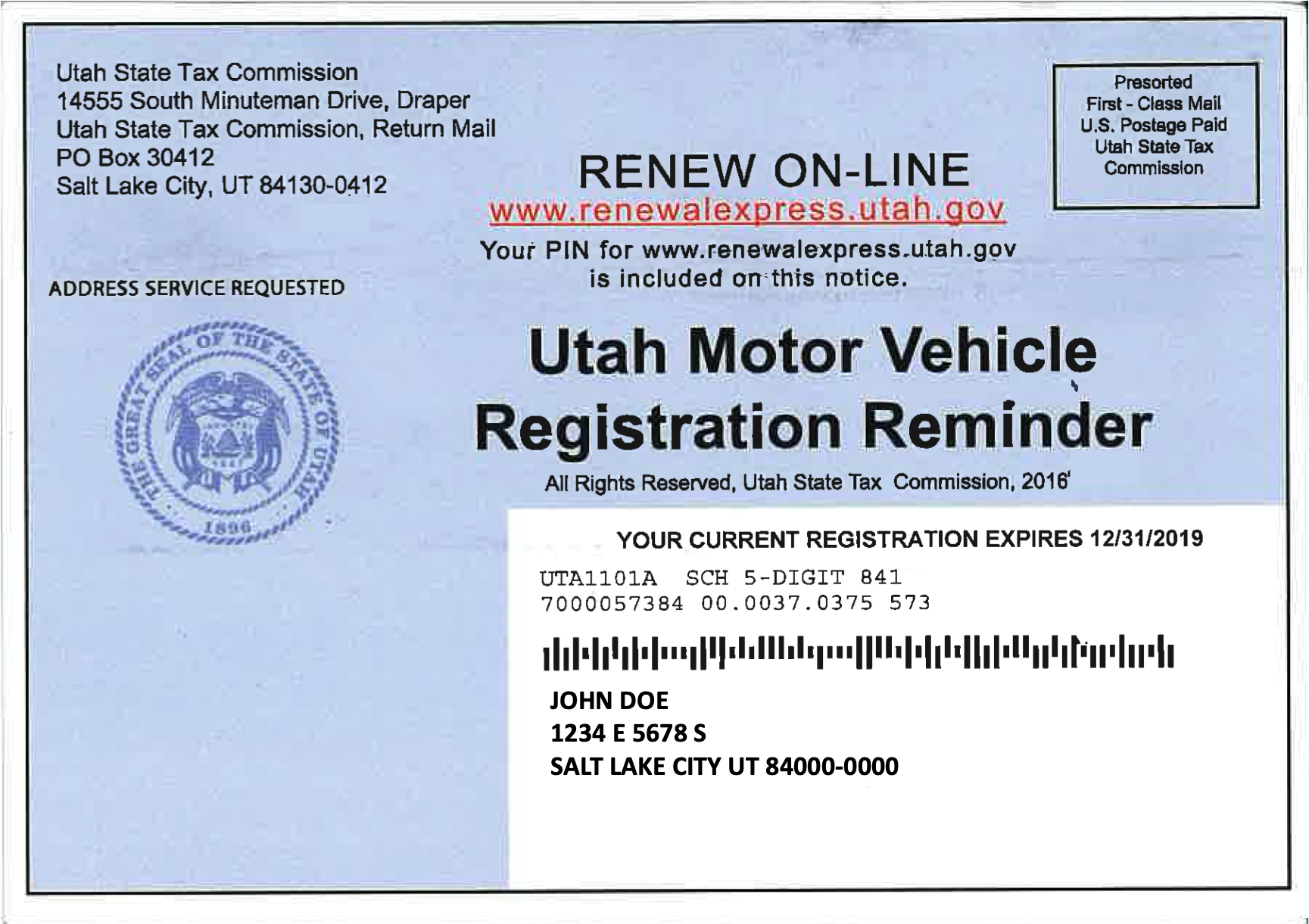
Renew your registration every year before it expires. Utah sends a renewal notice by mail or email. Use the notice to renew online or in person. Provide updated insurance and vehicle information. Pay the renewal fee to complete the process. Receive new stickers to display on your license plate. Timely renewal avoids late fees and penalties.
Credit: secure.utah.gov
Late Fees And Penalties
Paying your car registration on time in Utah is very important. Missing the deadline brings extra costs. These extra charges are called late fees and penalties. They can make your registration much more expensive.
Grace Periods
Utah offers a small grace period after the registration expires. During this time, you can still renew without paying a late fee. The grace period usually lasts 15 days. Acting within this time saves you money and stress.
Penalty Costs
After the grace period ends, late fees start to add up. Utah charges a penalty fee based on how late you pay. The fee can be a flat amount or a percentage of your registration cost. The longer you wait, the higher the penalty.
How To Avoid Late Fees
Set a reminder before your registration expires. Renew early online or in person. Keep your address updated with the DMV to get renewal notices. Planning ahead stops penalties and keeps your costs low.
Discounts And Exemptions
Utah offers several discounts and exemptions on car registration fees. These benefits help reduce costs for certain groups. They make car ownership more affordable for many people. Understanding these can save you money and effort.
Military And Veteran Discounts
Active military members and veterans get special discounts. Utah honors their service by lowering registration fees. Proof of military status is required to apply. These discounts make it easier for service members to register their vehicles.
Senior Citizen Benefits
Senior citizens in Utah can receive reduced fees on car registration. The state offers these benefits to ease financial burdens. Seniors need to provide proof of age to qualify. This helps older adults maintain their independence through affordable vehicle registration.
Exemptions For Disabled Drivers
Disabled drivers may qualify for full or partial exemptions on fees. Utah supports accessibility and mobility for disabled individuals. Proper documentation from medical or government authorities is necessary. These exemptions help remove barriers for disabled drivers.

Credit: duchesne.utah.gov
Additional Costs To Consider
Registering a car in Utah involves more than just the basic registration fee. Several additional costs may apply. These fees can add up, so prepare your budget carefully. Knowing these extra costs helps avoid surprises at the DMV.
Title Fees
Title fees cover the legal ownership transfer of your vehicle. Utah charges a one-time fee for issuing a new title. This fee varies but usually stays around $6.50. Paying this fee is essential to prove you legally own the car.
License Plate Replacement
License plate replacement fees apply if you lose or damage your plates. Utah offers standard and specialty plates, each with different costs. Standard plate replacements usually cost about $22. Specialty plates may cost more. Keep your plates safe to avoid these fees.
Transfer Fees
Transfer fees arise when you change ownership between buyers and sellers. This fee covers the paperwork and processing costs. Utah’s transfer fee is typically around $6.50. Both parties should understand this fee during a vehicle sale or transfer.
Frequently Asked Questions
How Much Does Car Registration Cost In Utah?
Car registration fees in Utah vary by vehicle type and weight. Typical fees range from $40 to $150 annually. Additional taxes and county fees may apply, increasing the total cost. Always check the Utah DMV website for precise, up-to-date fee information.
Are There Extra Fees For Electric Vehicle Registration?
Yes, Utah charges an additional $120 annual fee for electric vehicles. This fee helps offset the loss of gas tax revenue. It is added to the standard registration cost. Check Utah DMV for any updates on these charges.
How Often Must I Renew My Utah Car Registration?
Utah requires vehicle registration renewal every year. You can renew online, by mail, or in person. Renewal fees depend on your vehicle’s classification and location. Timely renewal avoids late fees and penalties.
Can I Register My Car Online In Utah?
Yes, Utah DMV offers online car registration renewal services. It is quick, convenient, and available for most vehicles. You need your registration details and payment method to complete the process.
Conclusion
Registering a car in Utah costs depend on several factors. Fees vary by vehicle type, weight, and county. Most drivers pay between $40 and $70 yearly. Additional fees may apply for specialty plates or late registration. Knowing these costs helps you plan your budget.
Staying up to date avoids fines and legal issues. Keep your registration current to drive without worries. Understanding fees saves time at the DMV. Simple steps make car registration easy and clear.


