

Have you ever wondered how much oil goes in a car? Knowing this simple fact can save you time, money, and even prevent engine trouble down the road.
Whether you’re topping up your oil or doing a full change, understanding the right amount your car needs is key to keeping it running smoothly. Keep reading, and you’ll discover exactly how much oil your vehicle requires—and why getting it right matters more than you might think.
Credit: www.autozone.com
Oil Capacity Basics
Understanding oil capacity is key for car maintenance. Oil keeps the engine parts moving smoothly. Too little oil can cause damage. Too much oil can also harm the engine. Knowing the right oil amount saves money and protects your car.
Typical Oil Amounts
Most cars use between 4 to 6 quarts of oil. Small cars usually need about 4 quarts. Larger cars and trucks may need up to 8 quarts. The oil capacity depends on the engine size. Check your owner’s manual for the exact amount.
Factors Affecting Oil Volume
Engine type changes how much oil is needed. V6 and V8 engines usually need more oil. Turbocharged engines may also require extra oil. The oil filter size can affect oil volume too. Older cars might need different oil amounts than new ones.
Checking Your Oil Level
Checking your car’s oil level is a simple task that helps keep your engine healthy. Regular checks prevent engine damage and costly repairs. Knowing the right steps ensures you do it correctly and safely.
When To Check
Check your oil when the car is parked on a flat surface. The engine should be cool or off for at least 10 minutes. This allows the oil to settle in the pan. Avoid checking right after driving. Morning checks are often best for accuracy.
Using The Dipstick
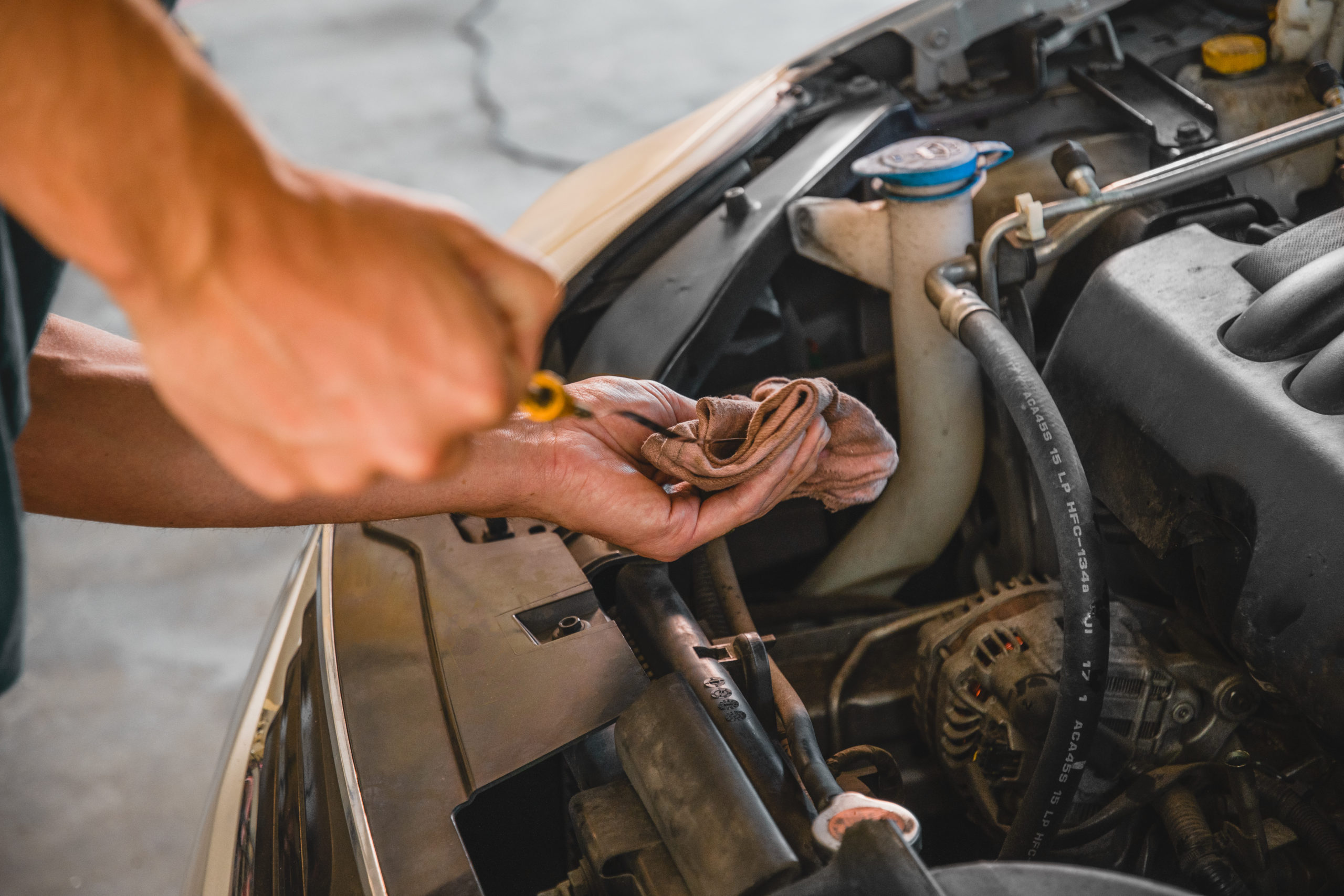
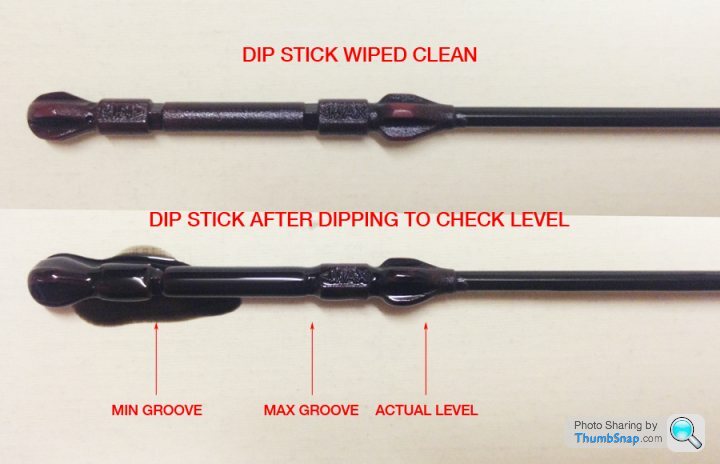
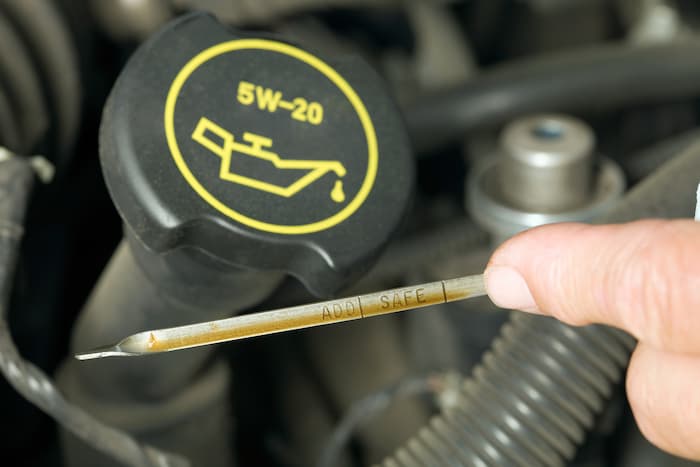
Open the hood and find the dipstick, usually marked with a bright handle. Pull it out and wipe it clean with a cloth. Reinsert the dipstick fully, then pull it out again. Look at the oil level against the marked lines. The oil should be between the low and full marks. If it’s below, you need to add oil.
Signs Of Low Oil
Low oil can cause the engine to run roughly or make noises. Watch for warning lights on the dashboard. Dark, dirty oil or a burning smell may also signal trouble. Low oil can lead to overheating and damage. Check oil regularly to catch problems early.
Choosing The Right Oil
Choosing the right oil for your car is very important. The correct oil keeps the engine clean and protects it from damage. Using the wrong oil can cause poor performance and reduce engine life. Let’s explore how to pick the best oil for your vehicle.
Types Of Motor Oil
There are three main types of motor oil: conventional, synthetic, and blend. Conventional oil is the most common and affordable. Synthetic oil lasts longer and works better in extreme temperatures. Blend oil combines both types to offer a balance of cost and performance. Choose the type that suits your car’s needs and driving habits.
Viscosity And Grades
Viscosity means how thick or thin the oil is. Oil grades like 5W-30 or 10W-40 show viscosity levels. The first number with “W” tells how the oil flows in cold weather. The second number shows how it performs when hot. Thinner oil flows easily but may not protect well at high temperatures. Thicker oil protects better but can reduce fuel efficiency.
Manufacturer Recommendations
Car makers provide oil recommendations in the owner’s manual. They suggest the right type, viscosity, and oil quality. Following these rules helps keep your warranty valid and your engine healthy. Ignoring these guidelines can cause engine problems and costly repairs. Always check the manual before buying oil.
Credit: www.pistonheads.com
Changing Your Oil
Changing your car’s oil is a key part of car care. Clean oil keeps the engine running smoothly and stops damage. Regular oil changes help your car last longer and perform better.
How Often To Change
Most cars need an oil change every 3,000 to 5,000 miles. Check your car manual for exact numbers. Newer cars may go longer between changes. Driving conditions, like city traffic or rough roads, can affect oil life.
Step-by-step Process
First, warm up the engine for a few minutes. Warm oil drains faster and cleaner. Next, lift the car using a jack and secure it with stands. Find the oil drain plug under the engine. Use a wrench to remove the plug and let oil drain into a pan. Remove the old oil filter and replace it with a new one. Put the drain plug back and tighten it. Finally, add the correct amount of new oil through the oil filler cap on top of the engine.
Disposing Of Old Oil
Used oil is harmful to the environment. Never pour it down drains or on the ground. Collect the old oil in a sealed container. Take it to a recycling center or auto shop that accepts used oil. Proper disposal keeps nature safe and follows local laws.
Common Mistakes To Avoid
Knowing how much oil your car needs is important. Many people make mistakes that can harm the engine. Avoid these common errors to keep your car running well. Small errors can cause big problems. Stay careful and check your oil properly.
Overfilling Oil
Putting too much oil in the engine is dangerous. It can cause pressure build-up and damage seals. The engine may run poorly or even fail. Always add oil slowly and check the dipstick often. Stop adding when the level reaches the full mark.
Ignoring Oil Leaks
Oil leaks reduce the oil level quickly. Ignoring leaks leads to low oil and engine wear. Look under your car for puddles or stains. Fix leaks as soon as you notice them. Regular checks prevent serious damage and costly repairs.
Using Wrong Oil Type
Using the wrong oil harms engine parts. Oil types differ by thickness and additives. Check your car manual for the correct oil grade. Using the right oil keeps the engine clean and cool. Avoid guessing or using cheap, wrong oil brands.
Credit: www.budgetdirect.com.au
Oil And Engine Performance
Oil plays a key role in how well an engine works. It keeps the engine parts moving smoothly. Without enough oil, the engine can get damaged quickly. The right amount of oil helps the engine run at its best.
Impact Of Proper Oil Levels
Having the correct oil level protects the engine from wear. Oil creates a thin layer between moving parts. This layer stops metal parts from rubbing and breaking.
Proper oil also helps cool the engine. It carries heat away from hot areas. This prevents the engine from overheating.
Good oil levels keep the engine clean. Oil picks up dirt and tiny debris. This stops buildup that can block parts.
Consequences Of Low Or Dirty Oil
Low oil can cause serious engine damage. Without enough oil, parts rub directly. This causes friction and wear.
Dirty oil loses its ability to protect. Contaminants in oil can clog engine parts. This reduces engine power and efficiency.
Running an engine with poor oil can lead to costly repairs. The engine may overheat or even fail.
Frequently Asked Questions
How Much Oil Does A Typical Car Engine Need?
Most cars require between 4 to 6 quarts of oil. The exact amount depends on the engine size and model. Always check your owner’s manual for the precise oil capacity to avoid overfilling or underfilling.
How Often Should I Check My Car’s Oil Level?
It’s best to check your oil level at least once a month. Regular checks help prevent engine damage and maintain performance. Use the dipstick to ensure oil is within the recommended range.
Can I Use Any Type Of Oil For My Car?
No, always use oil recommended by your car manufacturer. Using the wrong oil can cause engine wear and reduce efficiency. Refer to your manual for the correct oil grade and type.
What Happens If I Put Too Much Oil In My Car?
Overfilling oil can cause engine damage and leaks. Excess oil creates pressure that harms seals and components. It’s important to add the exact amount specified in your manual.
Conclusion
Knowing how much oil your car needs helps keep it running well. Check your owner’s manual for the exact amount. Too little oil can harm the engine. Too much oil can cause leaks or damage. Regular oil checks and changes protect your car’s life.
Keep your engine healthy with the right oil level. Simple steps save time and money. Stay safe on the road with proper car care.


