Have you ever wondered how much pressure a car wash wand really uses to clean your vehicle? Knowing this can help you protect your car’s paint and get the best wash without causing damage.
If you’ve noticed streaks or scratches after washing, the pressure might be the reason. You’ll discover the ideal pressure levels, why they matter, and how to make sure your car stays spotless and safe. Keep reading to learn the secrets behind that powerful spray and how it affects your car’s shine.
Car Wash Wand Basics
A car wash wand is an essential tool for cleaning vehicles. It sprays water and soap at high pressure. This helps remove dirt, grime, and stains quickly. Understanding the basics of car wash wands helps you choose the right one. It also shows how they work and what pressure they use.
Car wash wands come in different types and pressures. Knowing these details can protect your car’s paint. It also ensures the cleaning is effective without damage.
Types Of Car Wash Wands
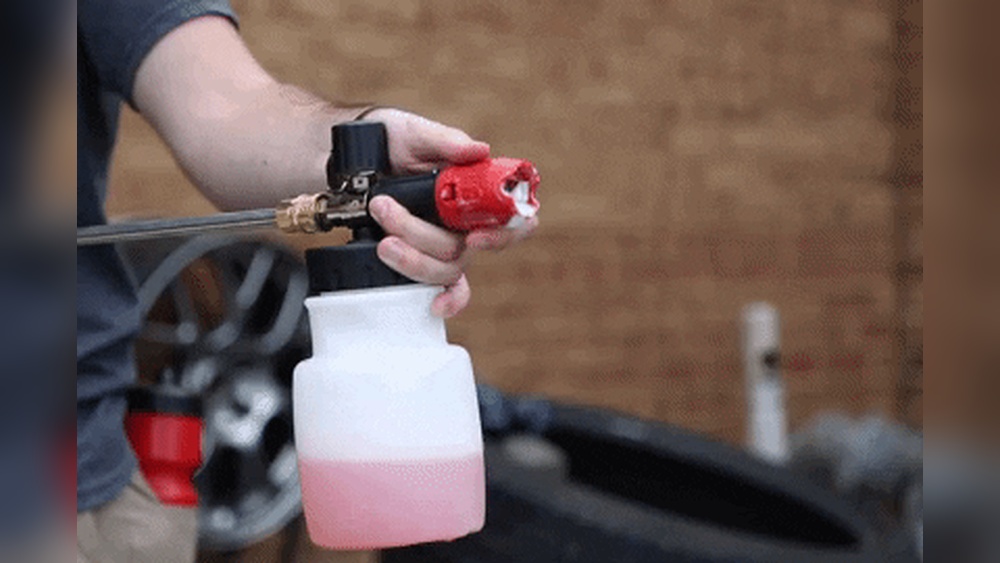
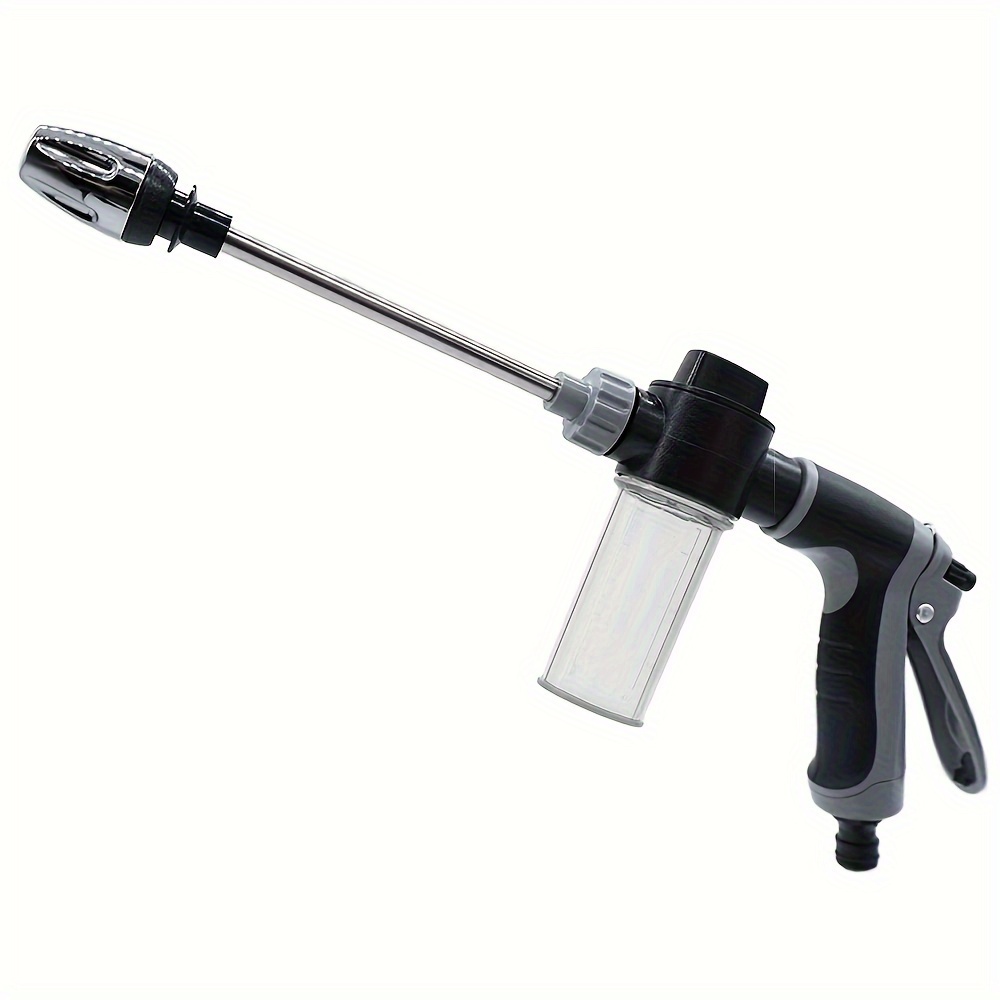
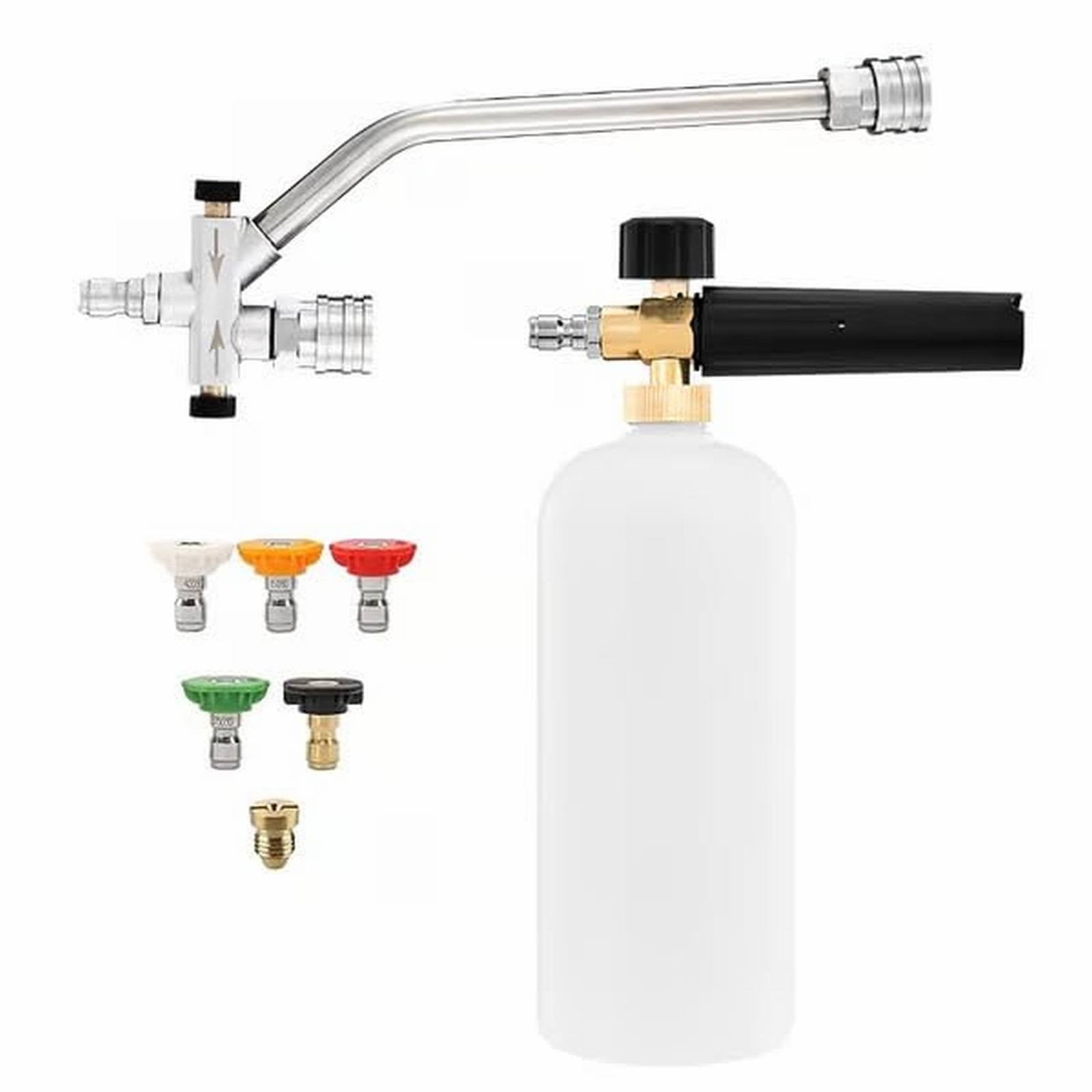
There are several types of car wash wands. Some are simple spray wands with one nozzle. Others have adjustable nozzles for different spray patterns. Foam wands apply soap as thick foam for better cleaning. High-pressure wands are used for tough dirt and grime. Each type fits different cleaning needs and car surfaces.
Common Pressure Ranges
Car wash wands usually work between 500 and 2000 PSI. Low-pressure wands spray around 500 to 1000 PSI. They are safe for delicate paint and light cleaning. Medium-pressure wands range from 1000 to 1500 PSI. These are good for regular dirt and grime. High-pressure wands push 1500 to 2000 PSI or more. They remove tough stains but need careful use to avoid damage.
Credit: battledental.com
Measuring Water Pressure
Measuring water pressure is important for understanding how a car wash wand works. Pressure affects the cleaning power and safety of the wand. Too much pressure can damage the car’s paint. Too little pressure may not clean well. Knowing the pressure helps you choose the right wand and settings.
Units Of Pressure
Pressure is measured in units that show force on an area. The most common unit is pounds per square inch (PSI). It tells how many pounds of force press on one square inch. Another unit is bar, often used outside the U.S. One bar equals about 14.5 PSI. Kilopascals (kPa) also measure pressure. One bar equals 100 kPa. These units help compare different car wash wands easily.
Tools For Measurement
Special tools measure the pressure of water from a car wash wand. Pressure gauges attach to the wand or hose. They show the pressure in PSI, bar, or kPa. Digital gauges give exact numbers and are easy to read. Mechanical gauges have a needle and dial. Both types help check if the wand works correctly. Regular checks keep pressure safe and effective for cleaning.
Ideal Pressure For Car Washing
Finding the ideal pressure for car washing is key to cleaning effectively. Too little pressure leaves dirt behind. Too much can damage paint or trim. The right balance cleans well and keeps your car safe.
Pressure For Different Surfaces
Different car parts need different pressure levels. Paint and clear coats require gentle pressure. Around 1200 to 1900 PSI works best here. Tires and wheels can take higher pressure, up to 2100 PSI. Stronger sprays remove tough grime and brake dust. Glass surfaces need moderate pressure to avoid cracks. Use soft nozzles for delicate areas like mirrors and trim.
Balancing Pressure And Safety
High pressure cleans better but risks damage. Always test pressure on a small spot first. Keep the wand moving to avoid paint stripping. Hold the nozzle 6 to 12 inches from the surface. Avoid spraying directly at sensitive parts like seals and sensors. Use the lowest pressure that removes dirt well. This protects your car and extends its life.
Credit: www.nutco.es
Risks Of Excessive Pressure
Using too much pressure from a car wash wand can cause serious problems. The water jet might seem strong enough to clean everything fast. But too much force can harm your car instead of helping it. Knowing these risks helps protect your vehicle and keep it looking great.
Potential Damage To Paint
High pressure can chip or peel off the paint on your car. Paint is a thin layer that protects metal from rust and damage. A strong water stream can wear down this layer quickly. This damage makes your car look old and can lead to costly repairs. Paint chips also leave metal exposed to air and water. This causes rust, which spreads fast and ruins the car’s body.
Impact On Vehicle Components
Strong water pressure can harm parts like mirrors, seals, and lights. These components are sensitive and not made for heavy force. Water can push seals out of place, causing leaks inside the car. It can also crack or loosen mirrors and lights. Such damage reduces your car’s safety and performance. Repairs for these parts often cost more than simple paint touch-ups.
Adjusting Pressure Settings
Adjusting the pressure settings of a car wash wand is key for a safe and effective clean. Different surfaces need different pressure levels. Too high pressure can damage paint. Too low pressure might not clean well. Finding the right balance helps protect your car and remove dirt efficiently.
Manual Adjustments
Some car wash wands allow you to change pressure by hand. You turn a knob or dial to increase or decrease force. This method gives you control over the pressure level. It suits cars with delicate paint or older models. Manual adjustment is simple and quick to do. It helps avoid damage by keeping pressure low on sensitive parts.
Automatic Pressure Controls
Modern car wash wands often have built-in sensors. These sensors adjust pressure automatically based on the surface. They raise pressure on tough dirt and lower it on fragile areas. This technology saves time and effort. It also reduces the risk of using too much pressure. Automatic controls ensure a balanced wash every time.
Professional Vs Diy Car Wash Wands
Choosing between professional and DIY car wash wands depends on several factors. Each option offers different pressure levels, costs, and efficiency. Understanding these differences helps in picking the right tool for your needs.
Pressure Differences
Professional car wash wands use high pressure. They usually operate between 1,200 and 2,500 PSI. This pressure removes tough dirt and grime easily. DIY wands have lower pressure, often under 1,000 PSI. Lower pressure means safer use on delicate car surfaces. It also means less effective cleaning on heavy dirt.
Cost And Efficiency
Professional wands cost more upfront. They require special equipment and maintenance. The high pressure cleans cars faster and better. DIY wands are cheaper and easy to buy. They use less water and power. DIY options take more time and effort to clean well. Cost savings come with trade-offs in cleaning power and speed.
Maintenance Tips For Car Wash Wands
Car wash wands need regular care to work well and last long. Proper maintenance keeps the pressure steady and prevents damage. Simple steps can save money and avoid repairs. Follow these tips to keep your wand in top shape.
Cleaning And Care
Rinse the wand after every use to remove dirt and soap. Use a soft cloth to wipe down the nozzle and handle. Check for any cracks or leaks that could lower pressure. Store the wand in a dry place away from sun damage. Avoid dropping the wand to prevent cracks and breaks.
Troubleshooting Pressure Issues
Low pressure may come from clogged nozzles or hoses. Clear blockages by soaking the nozzle in vinegar or warm water. Check the hose for kinks or bends that block water flow. Tighten any loose connections to stop leaks. Replace worn-out parts to restore full pressure.
Innovations In Car Wash Technology
Car wash technology has seen many changes over the years. New tools and methods make cleaning cars faster and safer. Pressure wands now use smarter systems to protect car paint and save water. These advances help both car owners and the environment.
Smart Pressure Systems
Smart pressure systems adjust water pressure automatically. They use sensors to find the right force for each car surface. Gentle on paint but strong enough to clean dirt. These systems reduce damage risks and improve cleaning results. They also save water by using only what is needed.
Eco-friendly Solutions
Eco-friendly car wash technology focuses on saving water and energy. Many wands now recycle water during washing. Biodegradable soaps replace harsh chemicals. This protects the environment and keeps cars safe. These solutions reduce waste and lower operating costs.

Credit: www.amazon.com
Frequently Asked Questions
What Is The Typical Pressure Of A Car Wash Wand?
A car wash wand usually operates between 1000 and 3000 PSI. This range effectively cleans dirt without damaging the car’s paint.
Can High Pressure Damage My Car’s Paint?
Yes, pressures above 3000 PSI can harm paint and decals. Use moderate pressure to avoid scratches and paint stripping.
How Does Pressure Affect Cleaning Efficiency?
Higher pressure removes stubborn dirt faster but risks damage. Moderate pressure balances effective cleaning with surface safety.
Is Pressure Adjustable On Most Car Wash Wands?
Most car wash wands have adjustable nozzles or settings. This allows users to control pressure based on cleaning needs.
Conclusion
A car wash wand usually has pressure between 1,000 and 2,500 PSI. This pressure cleans dirt and grime effectively without harming your car’s paint. Using the right pressure helps avoid damage and saves water. Always check the wand’s settings before use.
Proper pressure keeps your car clean and safe. Remember, too much pressure can cause scratches or dents. Choose a wand that fits your car wash needs. Clean cars look better and last longer. Simple care makes a big difference.