

Have you ever wondered how much pressure is really used to clean your car at a car wash? You might think it’s just water spraying gently, but there’s more power behind those nozzles than you realize.
Understanding the pressure can help you know if your car is getting a thorough clean without damage. You’ll discover the surprising facts about car wash pressure and why it matters for your vehicle’s care. Keep reading to find out how this hidden force works and what it means for your next visit to the car wash.
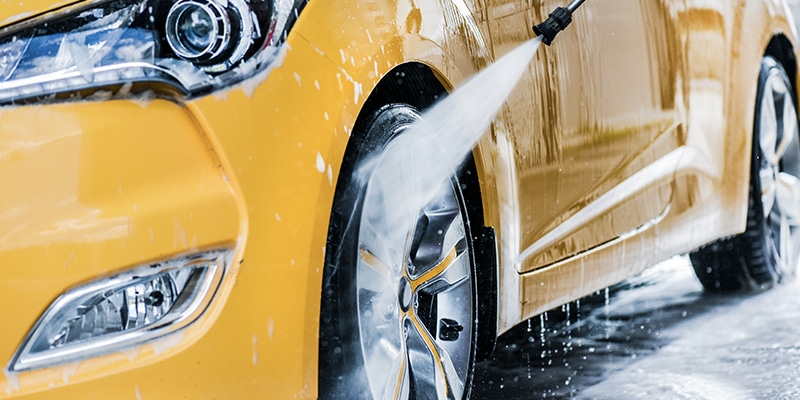
Credit: washh.com
Car Wash Pressure Basics
Understanding the pressure used at a car wash helps you see how your car gets clean. Pressure plays a key role in removing dirt and grime. It must be strong enough to clean but gentle enough to avoid damage. Let’s explore the basics of car wash pressure.
Pressure Units Explained
Pressure is measured in pounds per square inch, or PSI. This unit tells how much force pushes on a small area. Another unit is bar, where 1 bar equals about 14.5 PSI. Most car wash systems use PSI to show water pressure strength. Higher PSI means stronger water force.
Typical Pressure Ranges
Car washes usually use pressure between 1000 and 2000 PSI. Self-service stations may have lower pressure, around 1000 PSI. Automatic car washes often use 1200 to 1500 PSI. Professional or heavy-duty washes might reach 2000 PSI. Too much pressure can harm paint or windows. Too little pressure may not clean well.
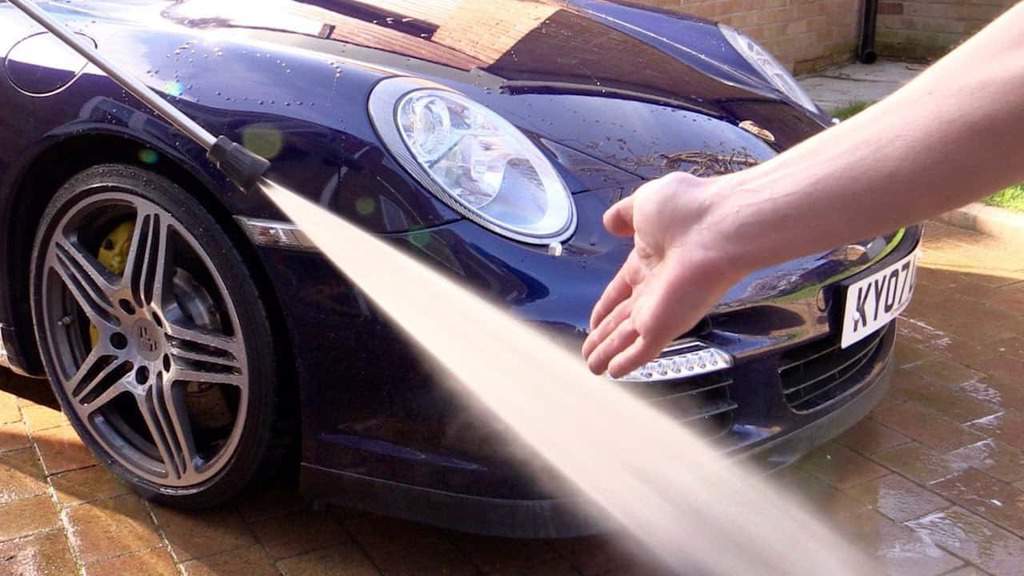
Credit: avalonking.com
Pressure Levels In Different Car Wash Types
Different car wash types use varied water pressure levels. Each method balances cleaning power with vehicle safety. Understanding these pressure levels helps you choose the right wash for your car.
Self-service Wash Pressure
Self-service car washes usually have pressure between 1,000 and 2,000 PSI. This level is strong enough to remove dirt but gentle on paint. Users control the spray, so they can adjust distance and pressure.
Automatic Tunnel Wash Pressure
Automatic tunnel washes operate at pressures around 1,200 to 1,500 PSI. They use brushes and water jets to clean quickly. This pressure works well for everyday dirt without damaging the vehicle’s surface.
Touchless Wash Pressure
Touchless car washes apply higher pressure, often between 1,800 and 2,500 PSI. They rely on powerful water jets and detergents to clean without brushes. This method reduces scratches but may need stronger pressure for tough grime.
How Pressure Affects Cleaning Efficiency
Pressure plays a key role in how well a car wash cleans a vehicle. The right amount of pressure helps remove dirt and grime effectively. It also protects the car’s surface from damage. Understanding how pressure affects cleaning helps choose the best car wash method.
Removing Dirt And Grime
High pressure water sprays force dirt and grime off the car’s surface. It reaches places that brushes cannot touch. Pressure breaks loose stubborn mud, dust, and bugs. This makes the car cleaner in less time. Too low pressure may leave dirt behind. Too high pressure can cause splashing and waste water.
Impact On Vehicle Surface
Pressure must be strong enough to clean but gentle enough to protect paint. Very high pressure can scratch or chip the paint. It can also damage decals or stickers. Low pressure protects the surface but may not clean well. Many car washes use pressure settings to balance cleaning and safety. Proper pressure keeps the car shiny and damage-free.
Safety Concerns With High Pressure
High-pressure water jets at car washes can clean dirt fast. But strong pressure may cause safety problems. It is important to know the risks to protect your car and yourself. Understanding these concerns helps prevent damage and injury during a wash.
Potential Vehicle Damage
High pressure can harm your car’s paint. It can chip or scratch the surface easily. Seals and trims may also get damaged. Water may push into small cracks, causing rust later. Sensitive parts like mirrors and antennas might break. Using too strong pressure can lead to costly repairs.
Personal Safety Tips
Keep your distance from the water jets. Do not point the nozzle at yourself or others. Wear protective gear if using a pressure washer at home. Avoid loose clothing that water can catch on. Always follow the car wash’s safety rules. Stay alert and watch your step on wet floors.
Choosing The Right Pressure For Your Car
Choosing the right pressure for washing your car helps protect its paint and finish. Using too much pressure can cause damage. Too little pressure may not clean the dirt properly. Finding the right balance keeps your car looking great and extends its life.
Factors To Consider
First, think about the car’s paint condition. Older or faded paint needs gentler pressure. Newer paint can handle stronger pressure. Consider the type of dirt on the car. Stubborn mud needs more pressure than light dust. The nozzle type also changes how pressure feels on the surface. Always test a small area first. Distance from the car affects pressure strength. Hold the spray farther for less force.
Pressure Recommendations By Vehicle Type
For sedans and compact cars, use 1200 to 1900 PSI. This cleans well without harm. SUVs and trucks can handle 1900 to 2100 PSI safely. Avoid going over 2100 PSI to protect paint. Classic or luxury cars need below 1200 PSI. Use soft brushes or foam instead. Electric cars also prefer lower pressure, around 1200 PSI. Adjust based on your car’s age and condition.
Innovations In Car Wash Pressure Technology
Car washes use water pressure to clean vehicles quickly and well. New technology makes this pressure safer and more effective. These improvements help protect cars and save water. They also reduce damage to paint and parts.
Pressure systems now adjust automatically. They change pressure based on the dirt level and car type. This keeps the cleaning strong but gentle. It also reduces water waste and power use. Such smart systems improve the washing process for every vehicle.
Pressure Control Systems
Modern car washes use pressure control systems to manage water force. These systems measure pressure in real time. They keep it steady and avoid spikes that can harm cars. Sensors and valves work together to adjust pressure quickly. This technology protects sensitive areas like mirrors and decals.
Operators can set pressure levels for different wash stages. For example, low pressure for pre-rinse, higher for washing. This precision cleaning leads to better results. It also extends the life of the car wash equipment.
Eco-friendly Pressure Solutions
Many car washes now use eco-friendly pressure technology. These use less water by optimizing pressure patterns. They spray water more efficiently and reduce runoff. Lower pressure settings save water without losing cleaning power.
Some systems recycle water and filter it for reuse. This approach cuts water use drastically. It also lowers the environmental impact of car washing. Eco-friendly pressure solutions benefit both the planet and the car owner.
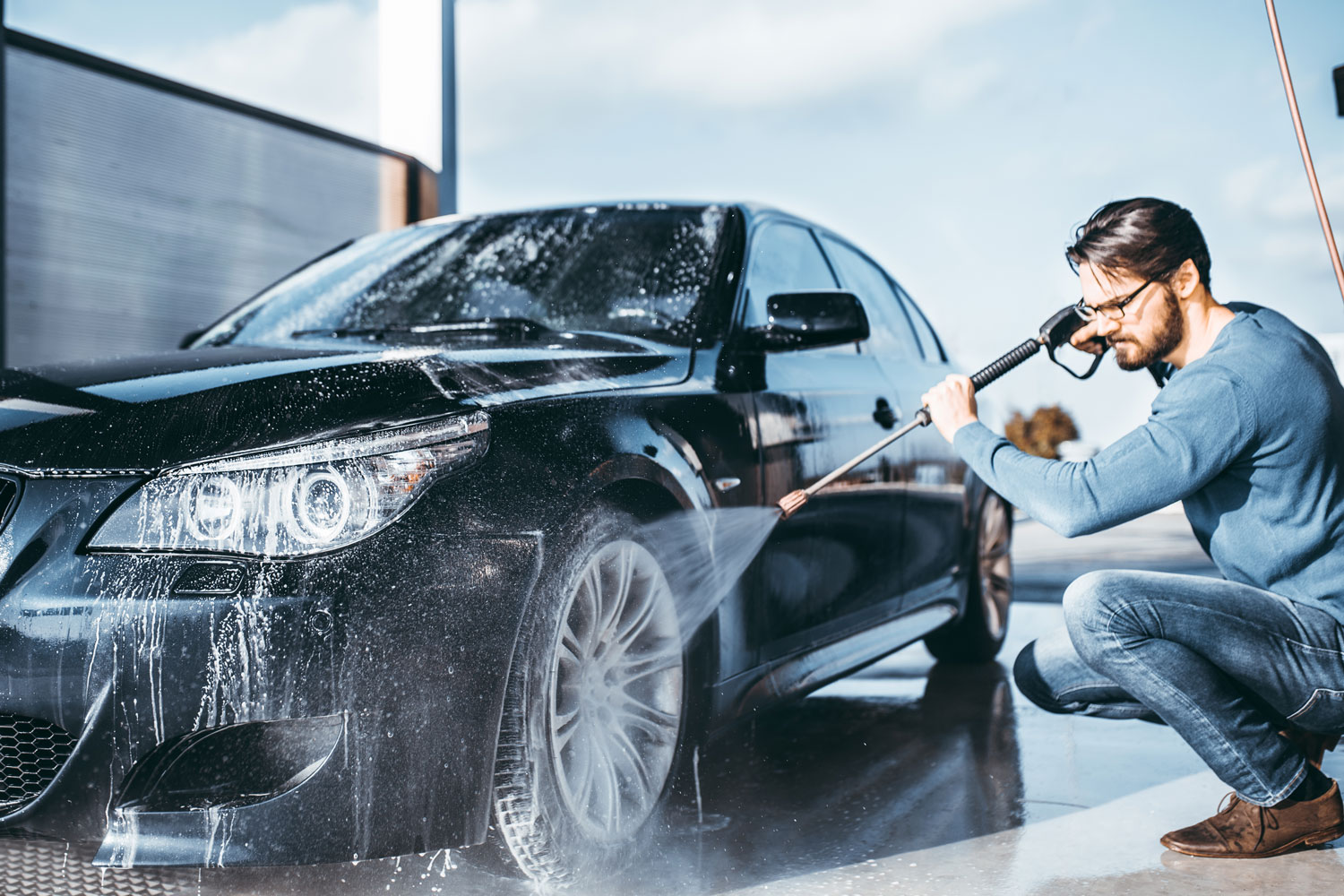
Credit: www.capitalone.com
Frequently Asked Questions
What Pressure Is Used In A Typical Car Wash?
Most car washes use water pressure between 1200 to 1900 PSI. This level effectively removes dirt without damaging the vehicle’s paint.
Can High Pressure Damage My Car’s Paint?
Yes, pressure above 2000 PSI can harm paint and seals. Professional car washes maintain safe pressure to protect your vehicle.
How Does Pressure Vary In Different Car Wash Types?
Self-service washes use adjustable pressure, usually 1200-1900 PSI. Automatic washes have preset pressure optimized for safe, effective cleaning.
Is Pressure Alone Enough For A Clean Car?
No, soap and brushes also help remove grime. Pressure loosens dirt, while cleaners and brushes ensure thorough washing.
Conclusion
Car washes use water pressure between 1000 and 2000 PSI. This pressure cleans dirt without hurting your car’s paint. Too much pressure can cause damage. Too little pressure may not clean well. Knowing the right pressure helps you choose the best wash.
Always follow the car wash instructions for safety. Clean cars look better and last longer. Now you understand how pressure works at car washes. Keep this in mind next time you visit one.


