Are you wondering how much pressure washer power is just right for cleaning your car? Too little pressure means your car stays dirty, while too much can damage the paint or delicate parts.
Finding the perfect balance is key to making your car shine without risking costly repairs. You’ll discover exactly what pressure levels work best for your vehicle, so you can wash smarter, not harder. Keep reading to learn how to protect your car and get a spotless finish every time.
Choosing The Right Pressure Washer
Choosing the right pressure washer for your car is important. The right machine cleans well without damaging the paint. Knowing what pressure level and type works best helps you make a smart choice. This guide breaks down key points to consider before buying.
Pressure Levels For Car Washing
Cars need gentle cleaning power. Too much pressure can harm the paint or trim. A pressure washer with 1200 to 1900 PSI is safe for most cars. This range removes dirt without causing damage. Lower pressure also saves water and energy.
Types Of Pressure Washers
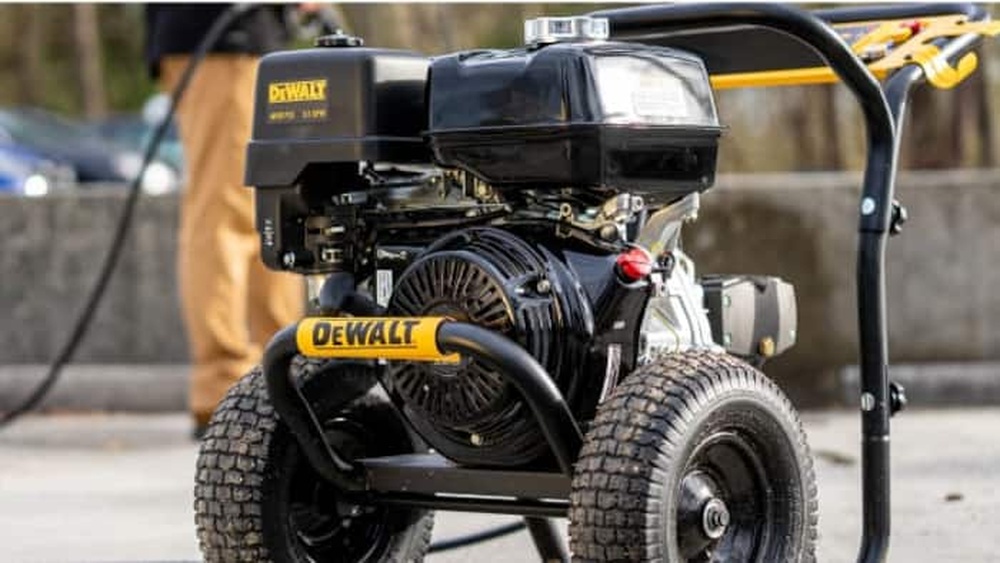
Pressure washers come in two main types: electric and gas. Each type has strengths and weaknesses. Electric washers are lighter, quieter, and easier to use. Gas models are stronger and better for heavy dirt. Choose based on your cleaning needs and storage space.
Electric Vs Gas Models
Electric pressure washers suit small jobs and indoor use. They need less maintenance and start instantly. Gas washers deliver more power and work without cords. They are best for big cleaning tasks and outdoor use. Consider noise, power, and convenience before deciding.

Credit: www.turtlewax.com
Recommended Psi For Cars
Choosing the right pressure for washing your car is very important. Too much pressure can damage the paint. Too little pressure might not clean well. The recommended PSI helps clean your car safely and effectively.
Safe Psi Range
The safe PSI range for washing cars is usually between 1200 and 1900 PSI. This range is strong enough to remove dirt and grime without hurting the paint. Stay within this range for a good balance of power and safety.
Effects Of High Psi
Using high PSI above 2000 can cause problems. It may strip off paint or scratch the surface. It can also force water into small cracks, causing rust later. High pressure can harm windows and seals too.
Adjusting Pressure Settings
Many pressure washers let you adjust PSI. Start with a lower setting and test on a small area. Increase pressure slowly if needed. Use a wider spray nozzle to reduce pressure and avoid damage.
Nozzle Tips And Their Uses
Nozzle tips play a key role in using a pressure washer safely and effectively on a car. Each tip controls how water sprays out. The shape and pressure of the spray change with different nozzles. Using the right nozzle helps clean your car well without causing damage. It also saves water and time. Knowing the common nozzle types and their uses helps pick the best one for washing your car.
Common Nozzle Types
Pressure washer nozzles come in various angles. The most common angles are 0°, 15°, 25°, 40°, and a soap nozzle.
The 0° nozzle creates a very narrow, strong stream. It is good for tough stains but can harm car paint. The 15° nozzle sprays a narrow but less intense stream. It works well on dirty wheels or tires.
The 25° nozzle is wider and gentler. It fits most car cleaning tasks. The 40° nozzle is the widest and softest spray. It rinses soap off without hurting surfaces. The soap nozzle sprays low pressure to apply detergents.
Best Nozzle For Cars
The 25° nozzle is the best choice for washing cars. It balances cleaning power and safety. It removes dirt and grime without scratching paint. Use the 40° nozzle to rinse the car after washing. Avoid the 0° and 15° nozzles on painted surfaces.
Avoiding Paint Damage
High pressure can chip or scratch car paint. Always keep the nozzle at least 12 inches from the surface. Spray at a 45-degree angle to reduce force on the paint. Never use the 0° nozzle on your car’s body.
Check the pressure washer’s PSI. Keep it below 1200 PSI for safe car washing. Use a wide spray tip and gentle detergents. These steps protect your car’s finish while cleaning.
Additional Features To Consider
Choosing the right pressure washer for your car involves more than just pressure power. Extra features affect cleaning quality and ease of use. These features help you get the best results without damage.
Consider the water flow rate, detergent systems, and portability. These factors make a big difference in your washing experience.
Water Flow Rate
The water flow rate shows how much water the washer uses per minute. Higher flow means faster cleaning. But too much water can waste water and create a mess.
For cars, a flow rate of 1.2 to 1.5 gallons per minute works well. It balances cleaning power and water use. Check this rate before buying your pressure washer.
Detergent Systems
Some pressure washers include detergent tanks or soap injectors. They help add cleaning solutions to the water spray. This feature removes tough dirt and grease easier.
Choose a model with an easy-to-fill detergent system. It saves time and effort. Also, check if it supports different soap types for better cleaning.
Portability And Size
Portability matters if you move the washer around often. Lightweight models with wheels make transport simple. A compact size fits small storage spaces better.
Pick a pressure washer that feels comfortable to carry. Think about where you will store it and how often you will use it.
Step-by-step Car Washing Process
The step-by-step car washing process helps keep your car clean and shiny. Using a pressure washer makes the job faster and easier. Follow these simple steps to clean your car safely and well.
Pre-rinse Techniques
Start by rinsing your car with water. Use a pressure washer at low pressure. This removes loose dirt and dust. Spray from top to bottom. Avoid staying too long in one spot. This prevents damage to the paint.
Applying Soap And Scrubbing
Next, apply car soap with a foam cannon or sponge. Use soap made for cars only. Scrub gently with a soft brush or sponge. Clean one section at a time. Focus on dirty areas like wheels and bumpers. Avoid hard scrubbing to protect the paint.
Final Rinse And Drying
Rinse off the soap completely with the pressure washer. Use medium pressure for thorough cleaning. Spray from top to bottom again. After rinsing, dry your car with a clean microfiber towel. This stops water spots and streaks. Drying is key for a shiny finish.

Credit: www.caranddriver.com
Safety Tips For Pressure Washing Cars
Pressure washing a car saves time and effort. It removes dirt and grime quickly. Safety is very important during this task. Protecting your car and yourself prevents damage and injury.
Protecting Sensitive Areas
Cover parts like the engine, air intake, and electrical components. Use plastic bags or waterproof covers. Avoid spraying water directly on these areas. High pressure can cause leaks or damage.
Be gentle around paint and decals. Keep the nozzle at a safe distance. Strong water jets can peel paint or scratch surfaces.
Using Protective Gear
Wear safety glasses to protect your eyes. Water and debris can cause injury. Gloves protect your hands from strong water flow and chemicals. Non-slip shoes help avoid falls on wet surfaces. Dress in clothes that can get wet and dirty.
Avoiding Common Mistakes
Do not use too high pressure on your car. It can damage the paint and trim. Avoid holding the nozzle too close to the surface. Start with low pressure and increase if needed. Do not spray directly into windows or mirrors. Always test on a small area first.
Maintaining Your Pressure Washer
Maintaining your pressure washer is key to keeping it working well. Regular care helps avoid damage and saves money. Simple steps can extend its life and improve performance.
Cleaning And Storage
After each use, clean the pressure washer thoroughly. Remove dirt and debris from nozzles and hose. Wipe down the machine to prevent rust. Store it in a dry place, away from cold. Proper storage stops damage from weather and moisture.
Regular Maintenance Checks
Check oil levels and change oil as needed. Inspect hoses and connections for leaks or cracks. Tighten loose parts to avoid breakdowns. Replace worn-out nozzles for better spray. Regular checks keep the pressure washer ready to use.
Troubleshooting Common Issues
Low pressure often means clogged nozzles or filters. Clean or replace these parts to fix it. Engine won’t start? Check fuel and spark plug. Strange noises can signal loose parts or worn belts. Fix small issues early to avoid costly repairs.

Credit: www.youtube.com
Frequently Asked Questions
What Pressure Washer Is Best For Washing Cars?
A pressure washer with 1200-1900 PSI is ideal for cars. It cleans effectively without damaging paint or decals. Choose models with adjustable pressure settings for better control.
Can High Psi Damage My Car’s Paint?
Yes, pressure above 2000 PSI can harm your car’s paint. Always use lower pressure and keep the nozzle at least 12 inches away. Using a wide spray nozzle reduces the risk of paint damage.
Is Electric Or Gas Pressure Washer Better For Cars?
Electric pressure washers are better for cars. They provide sufficient pressure, are quieter, and easier to maintain. Gas models offer more power but can be too strong for delicate car surfaces.
How Far Should I Hold The Pressure Washer From Car?
Hold the pressure washer nozzle 12-18 inches away from the car. This distance ensures effective cleaning without causing paint or trim damage. Adjust the distance based on pressure settings and spray angle.
Conclusion
Choosing the right pressure washer protects your car’s paint and finish. Too much pressure can cause damage. Too little pressure may not clean well. Aim for a washer with 1200 to 1900 PSI. This range cleans effectively and is safe for cars.
Remember to use the right nozzle and distance. Clean your car gently and often for best results. A good pressure washer makes washing easier and faster. Simple care keeps your car looking fresh and new.