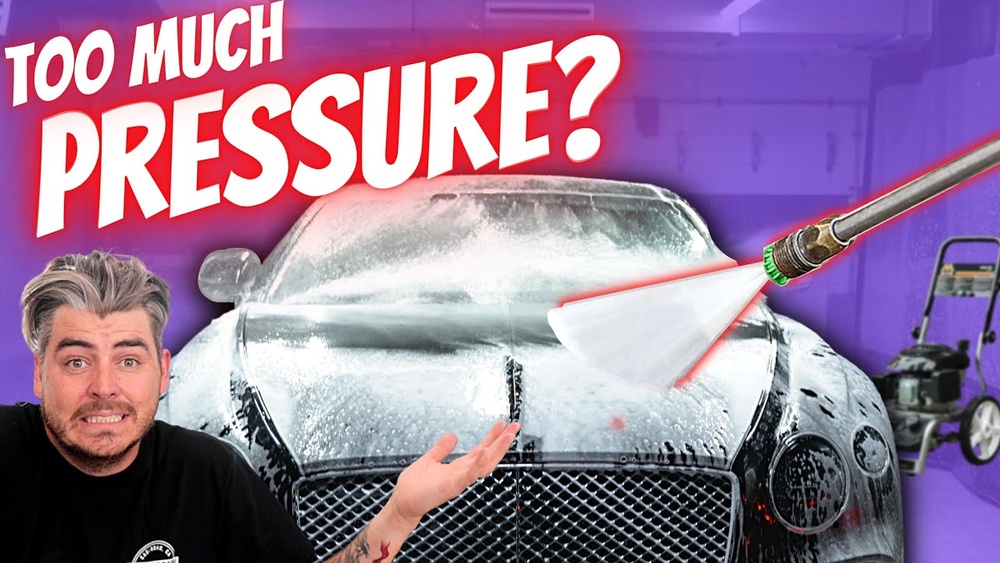
Are you wondering how much PSI your pressure washer needs to safely and effectively clean your car? Using too much pressure can damage your paint, while too little might leave dirt behind.
Finding the right balance is key to making your car shine without causing harm. You’ll discover the perfect PSI range for washing your car, tips to protect your vehicle’s finish, and how to get the best results every time. Keep reading to make your next car wash easy, safe, and spotlessly clean.
Credit: giraffetools.com
Choosing The Right Psi For Car Washing
Choosing the right PSI for car washing is important. The pressure washer must clean well without harming the car’s paint. Too much pressure can cause damage. Too little pressure may not clean enough. Finding the right balance keeps your car safe and shiny.
Why Psi Matters
PSI stands for pounds per square inch. It measures water pressure from the washer. High PSI removes tough dirt fast. Low PSI is gentler on surfaces. The right PSI protects the car’s paint and finish. It helps avoid scratches or peeling paint.
Common Psi Ranges For Cars
Most cars clean well with 1200 to 1900 PSI. This range removes dirt and grime safely. Below 1200 PSI may not clean well. Above 1900 PSI risks damaging paint or decals. Use a washer in this range for best results.
Balancing Power And Safety
Choose a pressure washer that balances power and care. Use lower PSI for delicate parts like windows or trim. Higher PSI works on tires and wheel wells. Always keep the nozzle moving. Never hold it too close to the paint.
Types Of Pressure Washers
Pressure washers come in different types. Each type suits various cleaning needs. Choosing the right one helps clean your car safely and well.
Understanding these types makes it easier to pick the best pressure washer. Focus on power, size, and ease of use for your car.
Electric Vs Gas Pressure Washers
Electric pressure washers are quiet and easy to use. They work well for small jobs like washing cars. These models need less maintenance and are lighter to carry.
Gas pressure washers offer more power. They handle bigger jobs and tough dirt better. These are heavier and louder but deliver strong water pressure.
Portable Models For Home Use
Portable pressure washers fit well in small spaces. They are easy to move around your driveway or garage. These models usually have lower pressure, perfect for cars.
They often plug into regular outlets and use less water. This makes them eco-friendly and budget-friendly for home users.
Professional Grade Options
Professional pressure washers have high PSI and flow rates. They clean deeply and quickly, saving time. These are built for frequent use and tough stains.
They cost more and need careful handling. Best for users who wash many cars or large vehicles often.
Optimal Psi Settings For Different Car Surfaces
Using the right PSI for each car surface keeps your vehicle safe and clean. Different parts need different pressure levels to avoid damage. Setting the pressure too high can cause scratches or strip paint. Too low, and dirt might stay stuck. Follow these guidelines for the best results on every car surface.
Delicate Paint And Finishes
Delicate paint needs gentle care. Use a pressure washer with 1200 to 1900 PSI. Keep the nozzle at least 12 inches away from the surface. This pressure cleans dirt without harming the paint or clear coat. Use a wide spray pattern to spread the force evenly.
Tires And Rims
Tires and rims can handle higher pressure. Set your washer between 1900 and 2500 PSI. This level removes brake dust and grime well. Aim directly but avoid holding the spray on one spot too long. Use a narrow nozzle for tough dirt on rims.
Underbody Cleaning
The underbody collects dirt and salt from roads. Use 2000 to 3000 PSI to clean it properly. Spray from a safe distance to avoid damaging parts. Focus on rust-prone areas and corners. Rinse thoroughly to remove all debris and prevent corrosion.
Recommended Nozzle Tips And Attachments
Choosing the right nozzle tips and attachments makes car washing easier and safer. These tools control the water pressure and spray pattern. They protect your car’s paint while cleaning thoroughly. Using the correct attachments improves the washing results and saves time.
Nozzle Angles For Car Washing
Nozzle tips come in different angles. A 25-degree nozzle works well for most car surfaces. It sprays water wide enough to clean without damage. The 40-degree nozzle is gentler and good for delicate areas. Avoid narrow angles like 0 or 15 degrees. These can damage paint and cause scratches.
Foam Cannons And Detergent Applicators
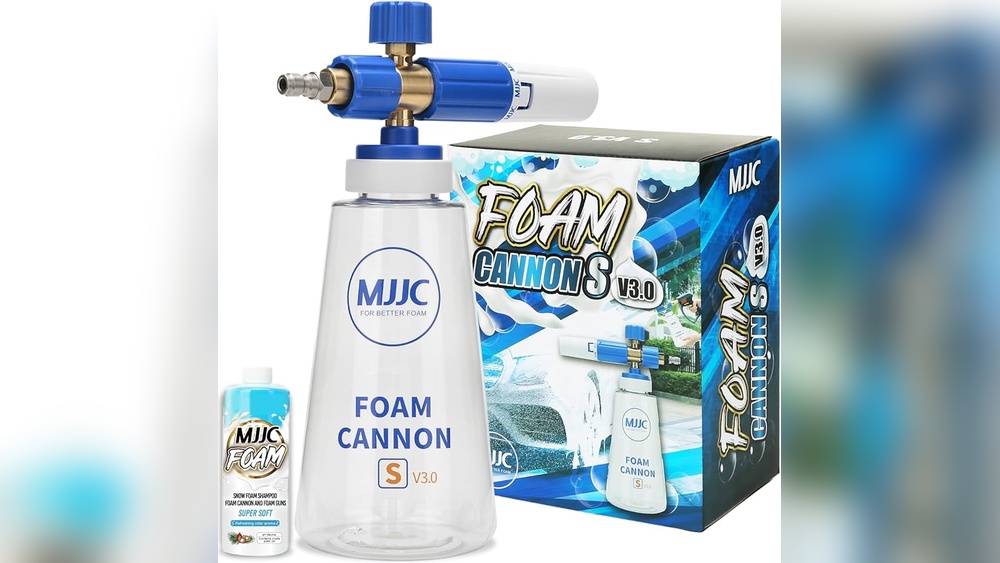
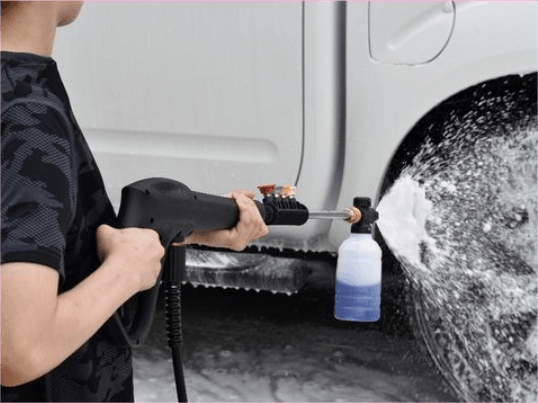
Foam cannons help apply soap evenly on your car. They cover the surface with thick foam. This foam lifts dirt and grime gently. Detergent applicators mix soap with water automatically. This saves time and ensures the right soap amount. Both tools help clean without scrubbing hard.
Surface Cleaners For Even Results
Surface cleaners use rotating jets to clean flat areas. They work well on car roofs and hoods. These attachments give even cleaning without streaks. They reduce the risk of paint damage. Surface cleaners also speed up washing large parts of your car.
Safety Tips For Pressure Washing Your Car
Pressure washing your car can make it shine like new. It also removes dirt and grime quickly. Safety is very important during this process. Without safety, you risk damage to your car or yourself. Follow these safety tips for a smooth pressure washing experience.
Maintaining Safe Distance
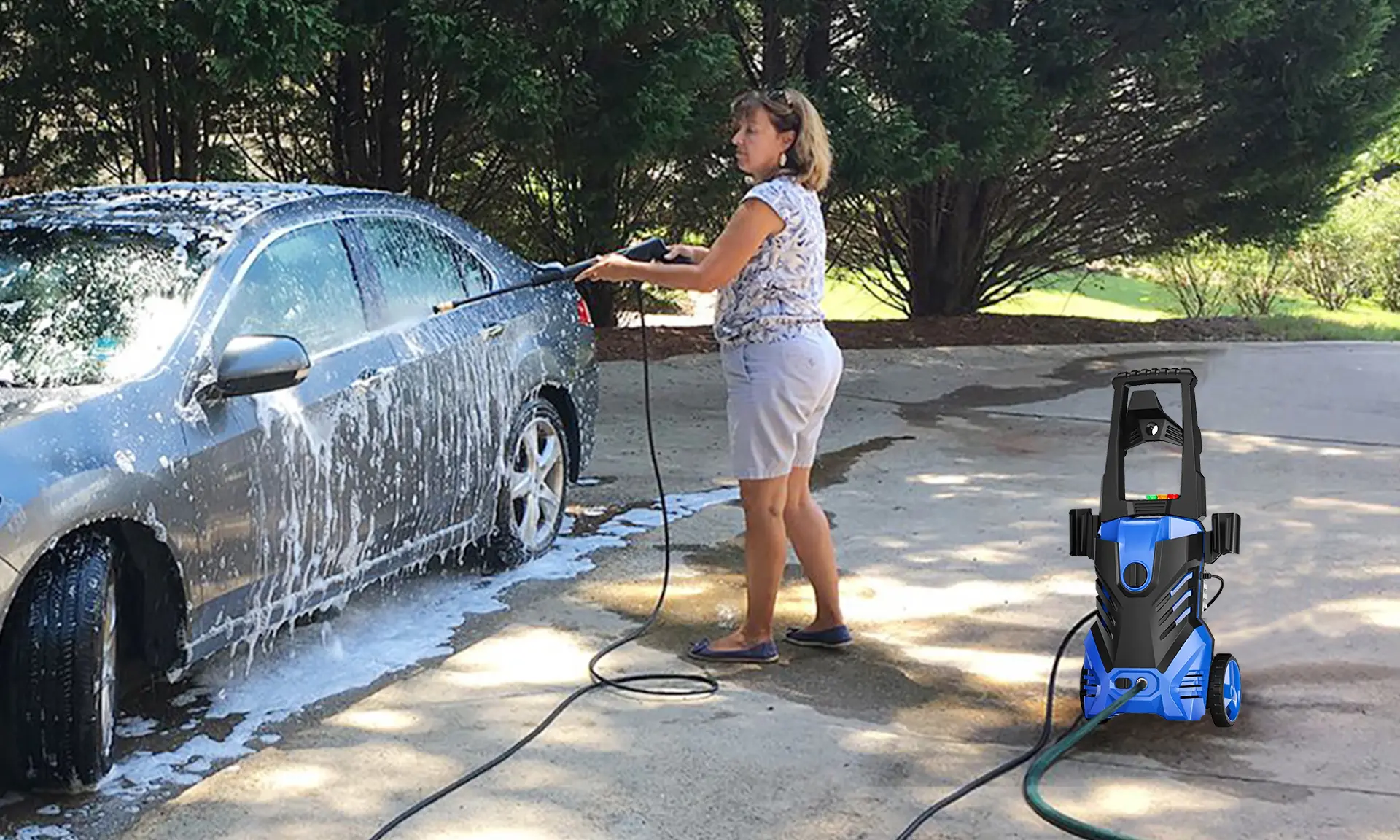
Keep the pressure washer nozzle at least 12 inches from the car surface. Too close can cause paint damage or dents. Move the nozzle in a steady motion. Avoid focusing on one spot for too long. This prevents paint from peeling or scratching.
Avoiding Paint Damage
Use a pressure washer with 1200 to 1900 PSI for washing cars. Higher pressure can harm the paint. Choose a wide spray nozzle to spread the water evenly. Do not use a narrow, powerful jet on delicate areas. Always test on a small, hidden spot first.
Proper Protective Gear
Wear safety glasses to protect your eyes from debris. Gloves help keep your hands safe from strong water streams. Use closed-toe shoes to protect your feet. Avoid loose clothing that can get caught in equipment. Safety gear helps prevent injuries during washing.
Step-by-step Pressure Washing Process
Pressure washing your car can be quick and effective with the right steps. Following a clear process helps protect your car’s paint and removes dirt gently. This step-by-step guide breaks down each part of washing your car with a pressure washer.
Pre-rinse Preparation
Start by rinsing the car with low pressure. This removes loose dirt and dust. Keep the nozzle about 12 inches away from the surface. Avoid using high pressure at this stage. Check that the pressure washer is set between 1200 and 1900 PSI. Use a wide spray pattern to cover more area. This step helps avoid scratches during cleaning.
Applying Soap And Cleaning
Use a foam cannon or soap dispenser for even soap coverage. Apply car-safe detergent on the wet surface. Let the soap sit for 3 to 5 minutes. Do not let the soap dry on the paint. Use a soft brush or sponge for stubborn spots. Keep the pressure low while scrubbing. This step breaks down grime and road grease effectively.
Final Rinse And Drying
Rinse the car again with clean water at medium pressure. Hold the nozzle farther away to avoid damage. Remove all soap residues carefully. Dry the car using a microfiber towel or chamois cloth. This prevents water spots and streaks. Drying also gives your car a smooth finish. The right pressure and care keep your car looking new.
Common Mistakes To Avoid
Washing your car with a pressure washer can save time and effort. Yet, many make mistakes that damage their vehicle or reduce cleaning quality. Avoiding these common errors helps protect your car and improves results. Pay close attention to how you use the pressure washer and prepare your car.
Using Excessive Psi
Using too much PSI can harm your car’s paint and surface. High pressure can strip paint or leave scratches. Most cars need a pressure washer with 1200 to 1900 PSI. Anything higher risks damage. Always choose a pressure level that cleans without force.
Ignoring Manufacturer Guidelines
Every pressure washer has instructions for safe use. Ignoring these can cause accidents or damage. Follow the recommended PSI, nozzle type, and distance from the car. Manufacturer guidelines ensure you use the washer correctly. Skipping these rules leads to poor cleaning and possible harm.
Skipping Pre-wash Inspection
Check your car before washing. Look for cracks, loose parts, or peeling paint. Pressure washing can worsen these problems. Fix any damage or avoid spraying those areas. Pre-wash inspection helps prevent costly repairs after cleaning.
Credit: www.eveagetool.com
Maintaining Your Pressure Washer
Maintaining your pressure washer keeps it working well and lasts longer. Regular care prevents breakdowns and saves money. Simple steps help your machine stay in top shape for every car wash.
Regular Cleaning And Storage
After each use, rinse the pressure washer’s nozzles and hose. Remove dirt and debris to avoid clogs. Drain all water to stop freezing or damage. Store the machine in a dry, cool place. Cover it to protect from dust and moisture.
Troubleshooting Common Issues
Check the water supply if pressure is low. Clean or replace clogged nozzles quickly. Listen for strange noises; they may signal a problem. Tighten loose connections to stop leaks. Keep the engine oil fresh and at the right level.
Extending Equipment Lifespan
Use the right pressure settings for each task. Avoid running the machine without water. Change filters and oil regularly. Inspect hoses and parts for wear and tear. Follow the user manual’s maintenance schedule for best results.

Credit: www.caranddriver.com
Frequently Asked Questions
What Psi Is Safe For Washing A Car?
A pressure washer with 1200 to 1900 PSI is safe for car washing. This range effectively removes dirt without damaging paint or surfaces.
Can Too Much Psi Damage My Car’s Paint?
Yes, using over 2000 PSI can harm your car’s paint. High pressure may strip paint or cause scratches, so use moderate PSI levels.
What Nozzle Should I Use With A Pressure Washer?
Use a 25-degree or 40-degree nozzle for washing cars. These provide a wide spray pattern, reducing the risk of paint damage while cleaning effectively.
How Far Should I Hold The Pressure Washer Nozzle?
Hold the nozzle at least 12 to 18 inches from the car surface. This distance prevents paint damage and ensures thorough cleaning without excessive force.
Conclusion
Choosing the right PSI for your car wash keeps paint safe and clean. Too much pressure can damage the surface. Too little pressure may not remove dirt well. A pressure between 1200 and 1900 PSI works best. Always test on a small area first.
Use a wide spray nozzle to avoid harm. Regular washing with proper pressure keeps your car looking new. Simple steps make washing easier and safer. Now, you know how much PSI to use for a clean car.