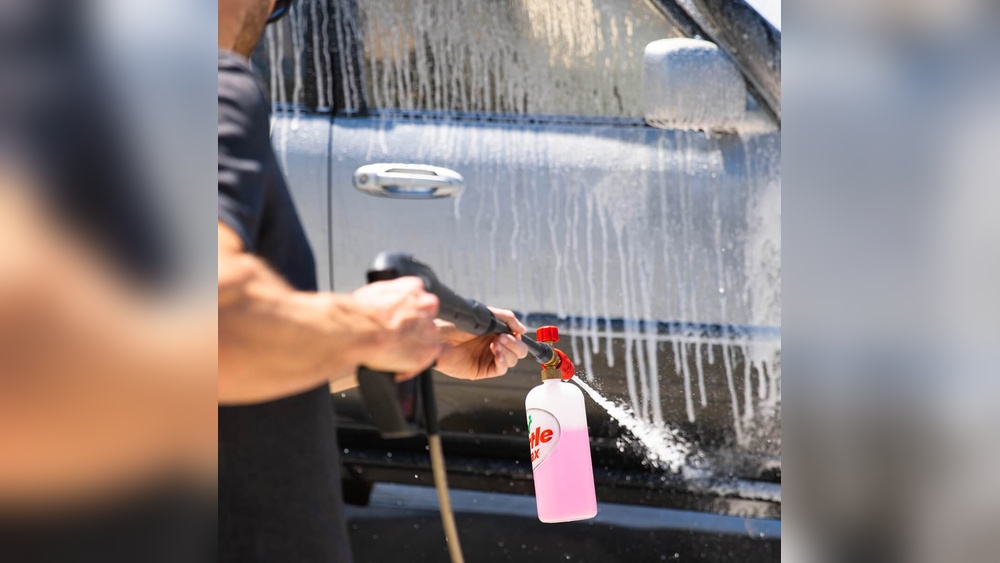
Are you tired of guessing how much soap to add to your foam cannon? Using too much or too little can ruin your car wash, wasting soap or leaving your vehicle less clean.
Getting the right amount is easier than you think—and it makes a big difference in the foam quality and cleaning power. You’ll discover the simple steps to measure the perfect soap amount every time. Keep reading to unlock the secret to a spotless, shiny car without any guesswork.
Choosing The Right Soap
Choosing the right soap for your foam cannon is key to getting thick, lasting foam. Not all soaps work the same. The type, concentration, and quality of soap affect the foam’s texture and cleaning power. Picking eco-friendly options also helps protect the environment while washing your car.
Types Of Soaps For Foam Cannons
Foam cannons work best with car wash soaps made for foam. These soaps create dense foam that sticks to surfaces. Avoid using dish soap or household cleaners. They can damage your car’s paint and reduce foam quality. Look for soaps labeled as pH balanced or safe for automotive use. Some soaps include conditioners to protect paint and wax.
Soap Concentration And Quality
Soap concentration affects how much foam your cannon produces. Higher concentration soaps need less amount to make thick foam. Low concentration soaps require more soap but may not foam as well. Always follow the soap maker’s instructions for the right amount. Quality matters too. Cheap soaps may not clean well or produce lasting foam. Choose reputable brands for better results and paint safety.
Eco-friendly Soap Options
Eco-friendly soaps break down quickly and reduce pollution. They avoid harsh chemicals that harm plants and animals. Many eco-friendly soaps are biodegradable and phosphate-free. Using these soaps helps keep water and soil clean. They still produce good foam and clean effectively. Choose eco-friendly if you want a safer, greener wash.
Recommended Soap-to-water Ratios
Knowing the right soap-to-water ratio is key for a foam cannon. Too much soap wastes product and leaves residue. Too little soap results in weak foam and poor cleaning. Finding the balance helps create thick foam that clings to surfaces and cleans well. The ratio varies by soap type, water quality, and machine settings.
Standard Mixing Ratios
Most foam cannons use a 1:10 soap-to-water ratio. This means 1 part soap to 10 parts water. It works well for many car wash soaps. This mix creates rich foam without wasting soap. Some users prefer a 1:15 ratio for lighter foam. Always check the soap label for manufacturer advice.
Adjusting Ratios For Different Soaps
Different soaps have different strengths. Thick, concentrated soaps need less volume. Use a 1:20 ratio for strong soaps to avoid over-foaming. Mild or homemade soaps may require a 1:5 ratio for good results. Test small batches to find the best mix for your soap.
Effect Of Water Hardness
Hard water contains minerals that reduce soap effectiveness. This can cause thin foam and spots on surfaces. Use more soap in hard water areas. Increase soap by 20% to 30% for better foam. Soft water needs less soap for good lather. Consider a water softener if hard water is a constant issue.
Measuring Soap Accurately
Measuring soap accurately is key to getting the best foam from your foam cannon. Too much soap can clog the system, while too little soap leads to weak foam. Precise measurement ensures you use the right amount every time. This helps save soap and keeps your foam cannon working well. Let’s explore tools and common errors to avoid for perfect soap measurement.
Tools For Precise Measurement
Use a measuring cup or a small container with clear markings. These tools help you pour exact amounts of soap. A syringe or a small measuring spoon works well for small quantities. They give better control than guessing or pouring directly from the bottle. Keep these tools clean to avoid mixing soap types.
Common Mistakes To Avoid
Never guess the soap amount by eye. This often causes too much or too little soap. Avoid using dirty or unmarked containers for measuring. Mixing different soap brands without measuring changes foam quality. Always measure soap before adding water. Adding soap directly to the foam cannon can cause clogs.
Optimizing Foam Thickness
Optimizing foam thickness is key to effective car washing with a foam cannon. The right foam thickness helps the soap stick to the surface. It lifts dirt and grime easily. Too little foam can reduce cleaning power. Too much foam can waste soap and time. Finding the right balance improves results and saves resources.
Impact Of Soap Amount On Foam Quality
The amount of soap affects foam quality directly. Using too little soap creates weak foam. This foam breaks quickly and cleans poorly. Too much soap makes foam thick but heavy. Thick foam can drip off before cleaning. A balanced soap amount creates stable, thick foam. This foam clings to surfaces longer. It loosens dirt effectively for easy rinsing.
Balancing Foam And Cleaning Power
Finding the right soap level balances foam and cleaning. Use enough soap to make strong foam. Avoid excess soap that wastes product and time. Test small amounts first to see foam thickness. Adjust soap quantity based on water pressure and surface type. Proper balance means foam cleans well without overuse. This saves money and protects your vehicle’s finish.
Adjusting For Water Pressure And Temperature
Adjusting the soap amount in your foam cannon depends on water pressure and temperature. Both factors affect foam quality and cleaning power. Understanding their roles helps you get the best foam without wasting soap.
How Water Pressure Affects Foam
Water pressure controls how soap mixes with water. Low pressure means less force to create thick foam. You may need to add more soap to get good foam. High pressure forces soap and water to mix quickly. Use less soap to avoid a runny foam. Too much soap with high pressure creates lots of bubbles but weak cleaning. Aim for balance between soap amount and water pressure. Test different soap levels to find what works best.
Temperature Considerations
Water temperature changes soap behavior. Cold water slows soap mixing and foam formation. Add a bit more soap in cold water to boost foam. Hot water helps soap dissolve and foam faster. Use less soap with hot water to save product. Hot water also cleans better, so thick foam is less needed. Avoid very hot water as it can break down soap. Always adjust soap amount based on the water temperature for best results.
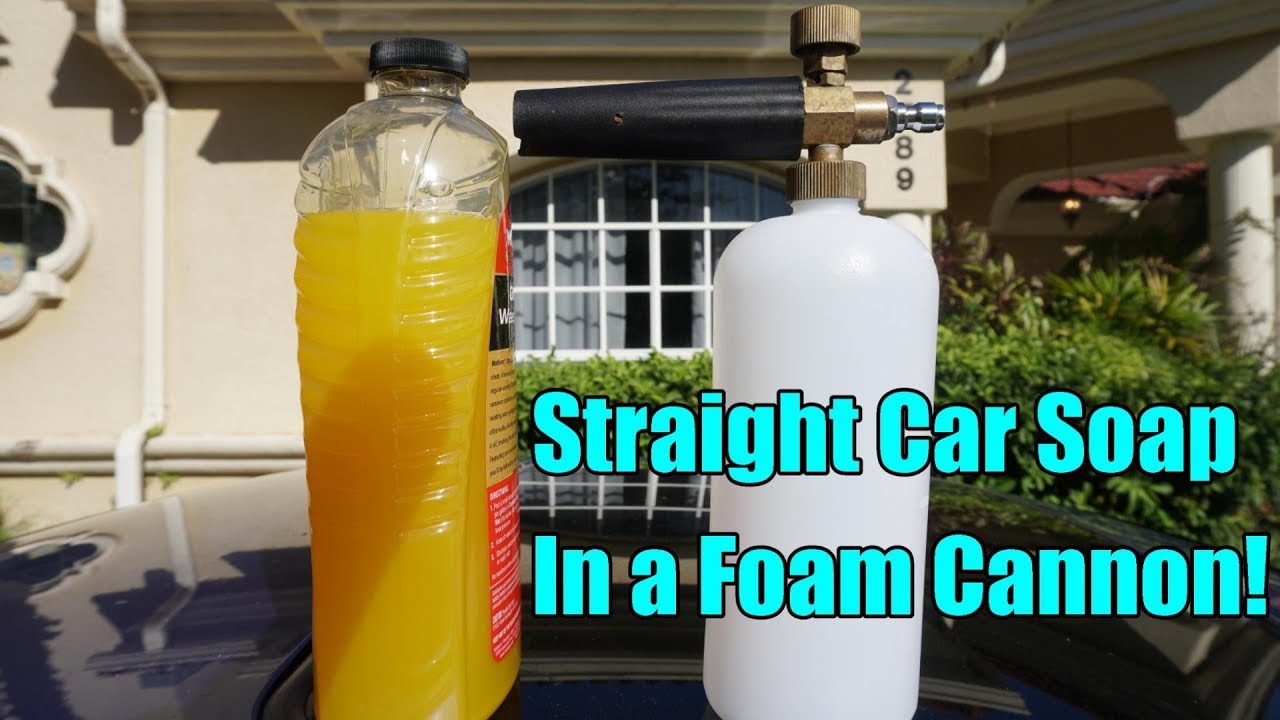
Credit: www.youtube.com
Mixing Techniques For Best Results
Getting the right foam depends on how you mix the soap and water. Mixing well helps create thick, rich foam that cleans better. Poor mixing can lead to weak foam or clogs in your foam cannon. Use the right method to get the best foam every time.
Two common ways to mix soap are pre-mixing before adding to the cannon or mixing inside the device. Each method has its own benefits and works well with different soaps and water types.
Pre-mixing Vs. In-device Mixing
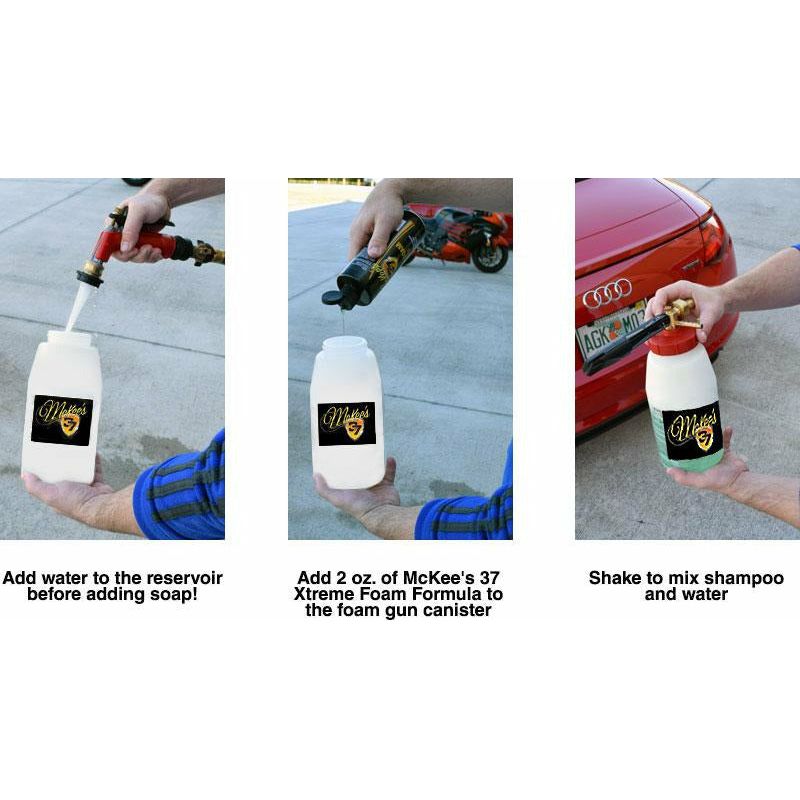
Pre-mixing means blending soap and water in a separate container. This gives you control over the soap amount and water ratio. It also helps avoid soap clumps and ensures smooth flow in the foam cannon.
In-device mixing happens inside the foam cannon’s tank. This method is faster but may not mix as evenly. It works best with liquid soaps designed for foam cannons. Choose pre-mixing for thick soaps and in-device mixing for quick setups.
Shaking And Stirring Tips
Shake or stir the soap mixture gently but well. Avoid shaking too hard to prevent bubbles before spraying. Stirring helps blend soap and water evenly, which improves foam quality.
Use a clean tool like a spoon or stick for stirring. Shake the container lightly after stirring to mix any remaining soap. Proper mixing reduces soap waste and protects your foam cannon from damage.
Troubleshooting Foam Cannon Issues
Troubleshooting foam cannon issues is key to getting the best wash. Problems like low foam or soap residue can stop your cleaning. Fixing these helps your foam cannon work well every time.
Understanding common issues and their causes saves time and frustration. Small changes can improve foam quality and cleaning power quickly.
Low Foam Production Causes
Low foam can come from using too little soap. Check the soap concentration in your foam cannon.
Water pressure also affects foam. Weak pressure means less foam output. Ensure your pressure washer is working properly.
Wrong soap type can cause poor foam. Use soaps designed for foam cannons only. Avoid harsh detergents or dish soap.
Clogged nozzle or filter reduces foam flow. Clean these parts regularly to keep foam strong and consistent.
Soap Residue And Overuse Problems
Too much soap causes residue on surfaces. Use the right soap amount to avoid sticky or streaky residue.
Overuse of soap wastes product and can harm paint. Follow manufacturer recommendations for soap mixing ratios.
Soap residue can build up in your foam cannon. Rinse the foam cannon after use to prevent clogging and residue.
Using the right soap amount ensures safe, effective cleaning without residue issues.

Credit: www.mckillans.com
Safety And Maintenance Tips
Using the right amount of soap in your foam cannon keeps your car clean and your equipment safe. Taking care of your tools helps them last longer and work well every time. Follow these safety and maintenance tips to avoid problems and get the best results.
Handling Soap Safely
Always wear gloves when handling soap. Some soaps can irritate your skin. Avoid splashing soap into your eyes. Keep soap containers closed tightly to prevent spills. Store soap in a cool, dry place. Keep soap away from children and pets.
Cleaning Your Foam Cannon
Rinse your foam cannon after each use. Use clean water to remove soap residue. Do not leave soap inside the cannon for long. Soap buildup can block the nozzle. Clean the nozzle with a soft brush if needed. Dry the foam cannon before storing it.
Credit: mckees37.com
Frequently Asked Questions
How Much Soap To Add To A Foam Cannon?
Typically, add 1 to 2 ounces of soap per gallon of water. Adjust based on soap concentration and foam thickness desired. Using too much soap can cause residue, while too little reduces foam quality.
Can I Use Regular Car Soap In A Foam Cannon?
Regular car soap may work, but specialized foam cannon soap creates thicker foam. These soaps are designed for better lubrication and safe paint cleaning. Always check product compatibility for best results.
What Happens If I Add Too Much Soap To Foam Cannon?
Excess soap can leave a sticky residue, making rinsing difficult. It may also reduce foam stability and waste product. Use the recommended amount for optimal cleaning and foam production.
Should I Dilute Soap Before Adding It To Foam Cannon?
Yes, dilute soap according to manufacturer instructions before adding it. Proper dilution ensures effective foam coverage and prevents damage to your car’s paint. Over-concentrated soap can harm finishes and reduce foam quality.
Conclusion
Adding the right amount of soap to your foam cannon matters a lot. Too much soap can cause thick suds but leave residue. Too little soap means weak foam and less cleaning power. Measure carefully and follow your foam cannon’s instructions for best results.
Clean cars look great, and proper soap use helps you get there. Experiment a bit to find what works for your setup. Keep it simple, and enjoy a shiny, clean car every time.