
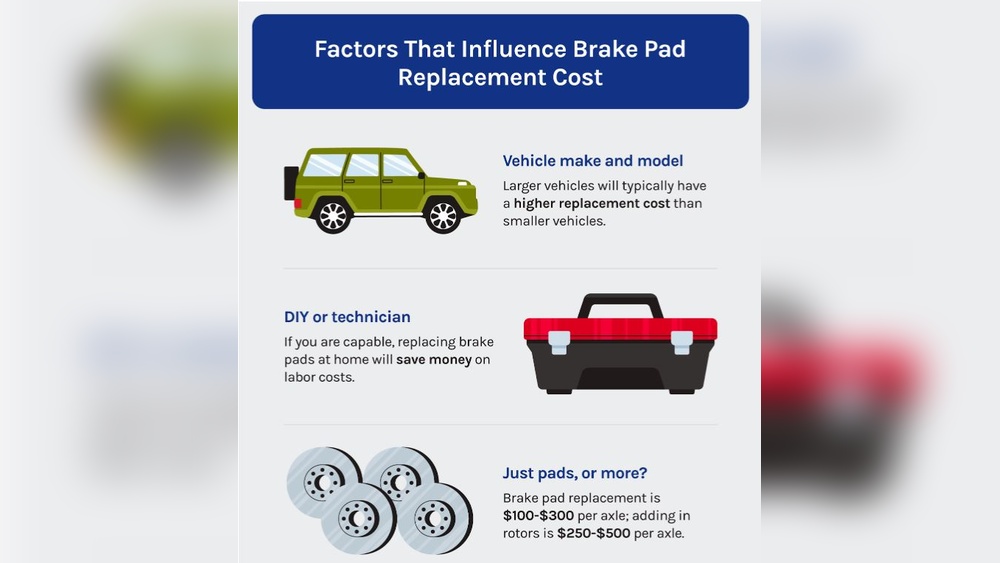
When it comes to your car’s safety, brakes and rotors play a huge role. But how much should you expect to pay to replace all of them?
You might be worried about high costs or hidden fees. Knowing the right price can help you avoid overspending and keep your car running smoothly. You’ll discover clear, simple answers about brake and rotor replacement costs. By the end, you’ll feel confident about what to expect and how to make the best choice for your budget and safety.
Keep reading to get the facts that every car owner needs to know.
Brake System Basics
The brake system is a key part of your car’s safety. It helps stop the car safely and quickly. Understanding the basics helps you know when to replace parts. Brakes and rotors wear down over time and need care.
Knowing how brakes work shows why replacing both brakes and rotors matters. It keeps your car safe and running well. Let’s explore the main parts of the brake system.
Types Of Brakes
There are two common types of brakes: disc brakes and drum brakes. Disc brakes use pads that press on a metal disc. Drum brakes use shoes that press inside a drum. Most modern cars use disc brakes for better stopping power.
Role Of Rotors
Rotors are metal discs connected to the wheels. When you press the brake pedal, brake pads squeeze the rotors. This creates friction that slows the wheels. Rotors must be smooth and strong to work well. Worn or damaged rotors reduce braking ability.
Signs Of Wear
Look for brake noise like squealing or grinding sounds. Feel if the brake pedal is soft or spongy. Notice if the car pulls to one side during braking. Also, check if braking takes longer than before. These signs mean brakes or rotors may need replacing.
Credit: www.jiffylube.com
Factors Affecting Replacement Costs
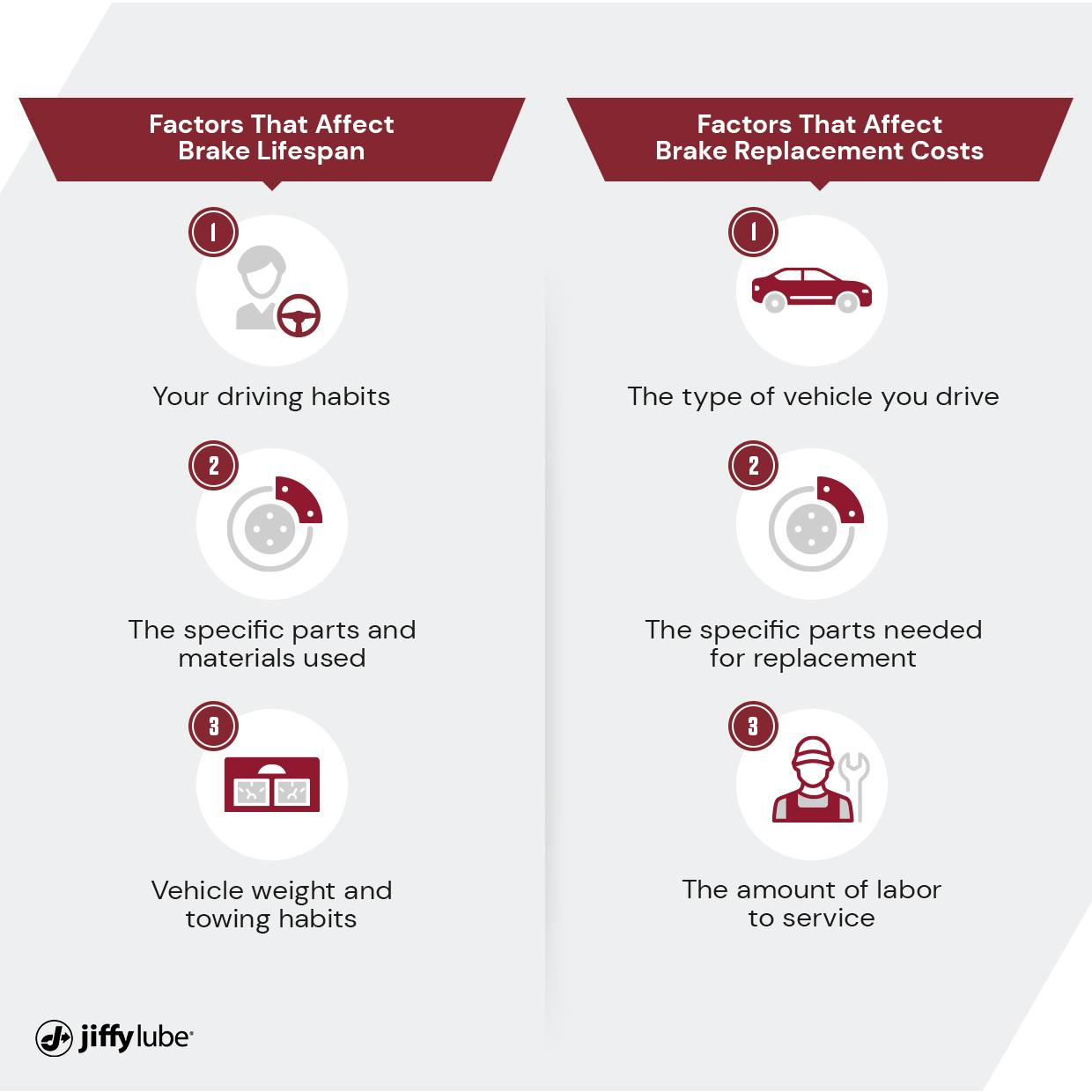
Replacing all brakes and rotors can vary in cost. Several factors influence the final price. Knowing these helps you plan your budget better. Below are key elements that affect replacement costs.
Vehicle Make And Model
The type of vehicle changes the cost. Luxury and sports cars need special parts. These parts cost more than those for common cars. Some models require more labor time too. This raises the total expense.
Brake Pad Material
Brake pads come in different materials. Organic pads cost less but wear out faster. Ceramic pads last longer but are pricier. Semi-metallic pads fall in the middle. The material you choose impacts the price.
Rotor Quality
Rotors vary in quality and price. Standard rotors are cheaper but may wear quickly. High-performance rotors last longer but cost more. Some rotors have special coatings for durability. Choosing better rotors means spending more upfront.
Labor Charges
Labor costs differ by location and shop. Dealerships usually charge more than local mechanics. Complex brake systems take more time to fix. More labor hours increase the overall bill. Always ask about labor rates before work starts.
Average Cost Breakdown
Replacing all brakes and rotors can vary in cost based on parts and labor. Understanding the average cost breakdown helps you budget better. Each component has its own price range. Labor fees also impact the total cost. Some extra expenses may come up too.
Brake Pads Cost
Brake pads usually cost between $30 and $80 per axle. Prices depend on the material and brand. Organic pads are cheaper but wear faster. Ceramic pads cost more but last longer and are quieter.
Rotors Cost
Rotors generally range from $40 to $100 each. Some high-performance rotors can cost more. Quality rotors improve braking and last longer. Cheap rotors may wear out quickly or warp.
Labor Fees
Labor fees vary by location and shop. Expect to pay $80 to $150 per axle for labor. It takes about 1 to 2 hours to replace pads and rotors. Skilled mechanics charge higher rates but work faster.
Additional Expenses
Extra costs may include brake fluid replacement or hardware kits. Some vehicles need special tools or parts. Taxes and shop fees add to the total bill. Always ask for a full estimate before starting work.
Cost Variations By Vehicle Type
Brake and rotor replacement costs vary by vehicle type. Each vehicle has different parts and labor needs. This affects how much you pay for the service.
Knowing the cost range for your vehicle type helps you plan better. It also avoids surprises when you visit the mechanic.
Sedans And Compact Cars
Sedans and compact cars usually have lower brake and rotor costs. Their parts are smaller and easier to replace. Labor time is also shorter. Expect to pay between $250 and $400 for a full brake and rotor replacement. These vehicles use common parts, which helps keep prices down.
Suvs And Trucks
SUVs and trucks need larger, heavier brake parts. This makes replacement more expensive. Labor can take longer due to the size and weight. Costs often range from $350 to $600. Off-road or heavy-duty models may cost even more. These vehicles require stronger brakes for safety and performance.
Luxury And Performance Vehicles
Luxury and performance cars have the highest brake replacement costs. Their brakes use high-quality, specialized materials. Labor is more complex and takes longer. Costs can go from $600 to over $1,000. These vehicles need precise parts to maintain performance. Using cheap parts can damage the system and reduce safety.
Diy Vs Professional Replacement
Deciding between DIY and professional brake and rotor replacement can affect your budget and safety. Both methods have pros and cons. Knowing them helps you choose the right option for your car and skills.
Benefits Of Diy
Doing the job yourself saves money on labor costs. You learn more about your car’s parts and how they work. You can work at your own pace without waiting for a mechanic. It gives a sense of satisfaction after completing the task. Tools and parts may cost less if you shop smart. You avoid extra charges mechanics may add.
Risks And Challenges
Brake systems are complex and require care. Mistakes can lead to poor braking or accidents. Lack of proper tools can make the job hard or unsafe. It takes time to do the replacement correctly. Old or rusty parts can cause extra difficulties. Improper installation may wear parts faster or cause noise.
When To Seek Professionals
Choose a mechanic if you lack tools or experience. Professionals handle complex brake systems safely and quickly. They spot hidden problems you might miss. Warranties often cover professional work, adding peace of mind. If your brakes make unusual noises or vibrations, get expert help. Time constraints also make professional service a good choice.

Credit: www.reddit.com
Tips To Lower Replacement Costs
Replacing all brakes and rotors can be costly. Saving money is possible with smart choices. These tips help lower replacement costs without sacrificing safety.
Simple steps make a big difference. Spending less on parts and labor adds up fast. Keep your brakes in good shape to avoid bigger expenses.
Choosing Affordable Parts
Opt for quality but budget-friendly brake pads and rotors. Aftermarket parts often cost less than brand-name items. Check reviews to ensure they are reliable. Avoid the cheapest options that wear out quickly. Good parts last longer and protect your vehicle.
Regular Maintenance
Inspect brakes and rotors regularly to catch issues early. Clean and lubricate parts to prevent damage. Replace worn pads before rotors get damaged. Proper care extends the life of brake components. Maintenance saves money by avoiding full replacements.
Shop Around For Labor
Compare prices from different mechanics or shops. Some places charge less for brake and rotor replacement. Ask for quotes before committing to one service. Consider local shops instead of big chains for better deals. Skilled but affordable labor reduces your total cost.
Long-term Brake Care
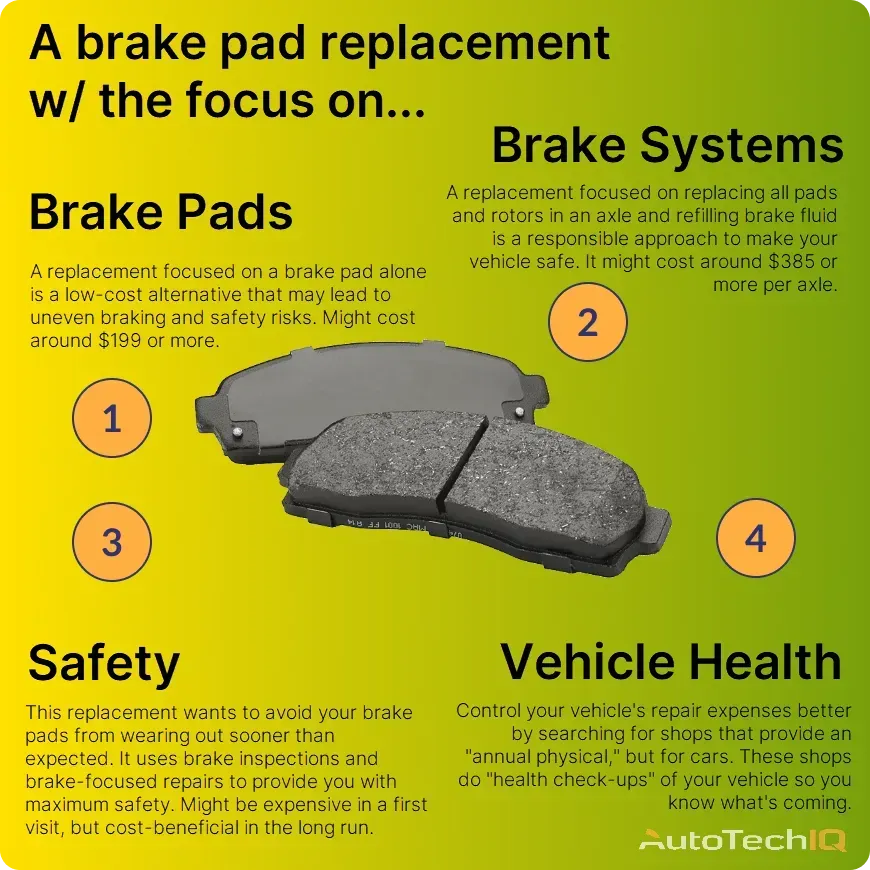
Long-term brake care helps keep your vehicle safe and saves money. Regular care extends the life of brakes and rotors. It reduces the need for frequent replacements. Simple habits and checks make a big difference.
Driving Habits
Gentle braking reduces wear on brake pads and rotors. Avoid hard stops and sudden braking. Slow down early to stop smoothly. This lowers heat and pressure on brake parts. Consistent gentle driving helps brakes last longer.
Routine Inspections
Check brakes regularly for wear and tear. Look for squeaking or grinding sounds. Inspect brake pads for thickness and rotors for damage. Early detection prevents bigger problems. Schedule professional brake checks twice a year.
Rotor Resurfacing
Rotors can get rough or warped over time. Resurfacing smooths the rotor surface without replacing it. This saves money and improves braking performance. Ask your mechanic if rotor resurfacing is possible. It extends rotor life and keeps brakes working well.
Credit: www.autotechiq.com
Frequently Asked Questions
How Much Does It Cost To Replace All Brakes And Rotors?
Replacing all brakes and rotors typically costs between $300 and $800. The price depends on your vehicle type, parts quality, and labor rates. Luxury or performance cars usually cost more. Always get a detailed estimate from a trusted mechanic for accurate pricing.
How Long Does Brake And Rotor Replacement Take?
Brake and rotor replacement usually takes 1 to 2 hours. The exact time depends on the vehicle model and technician experience. Some complex vehicles may require more time. Scheduling an appointment in advance helps avoid long wait times.
Can I Replace Brakes And Rotors Myself To Save Money?
Yes, you can replace brakes and rotors yourself if you have mechanical skills. However, it requires proper tools and safety knowledge. Improper installation risks safety and can cause damage. Consider professional help if you’re unsure or inexperienced.
How Often Should Brakes And Rotors Be Replaced?
Brakes and rotors should be replaced every 30,000 to 70,000 miles. This varies based on driving habits and conditions. Regular inspections help identify wear early. Replacing parts on time ensures safety and optimal vehicle performance.
Conclusion
Replacing all brakes and rotors costs vary by car and parts. Labor charges also affect the total price. Choosing quality parts can save money in the long run. Regular brake maintenance keeps your car safe on the road. Don’t wait until brakes fail; act early to avoid bigger problems.
Understanding costs helps you plan your budget better. Stay safe and keep your vehicle running smoothly. Simple steps can protect your brakes and your wallet.

