Thinking about wrapping your full-size truck but not sure how much vinyl you’ll need? You’re not alone.
Getting the right amount of vinyl is key to making your truck look sharp without wasting money. Too little, and you’ll be stuck mid-project; too much, and you’ll spend more than necessary. You’ll discover exactly how to calculate the vinyl needed to cover your truck from bumper to bumper.
By the end, you’ll have the confidence to order the perfect amount and start your wrap with ease. Let’s get your truck looking amazing!
Choosing The Right Vinyl Wrap
Choosing the right vinyl wrap is key to a successful truck wrap project. It affects the look, lifespan, and cost of the wrap. Picking the best type depends on your needs and style. Consider how long you want the wrap to last and the finish you prefer. Also, think about the colors and designs that match your personality or brand.
This section helps you understand the main options. It guides you to make a smart choice. You will learn about different vinyl types, durability, finishes, and color options.
Types Of Vinyl Wraps
There are several vinyl types for wrapping trucks. Cast vinyl is thin, flexible, and lasts long. It fits curved surfaces well. Calendared vinyl is thicker and cheaper. It suits flat or simple shapes. Air-release vinyl has tiny channels to avoid bubbles. This makes installation easier. Choose vinyl based on your truck’s shape and how long you want the wrap to last.
Durability And Finish Options
Vinyl wraps come in different durability levels. Some last 3-5 years, others up to 10 years. Durability depends on vinyl type and UV protection. Finishes include matte, gloss, satin, and textured. Glossy finishes shine and look new. Matte finishes reduce glare and look smooth. Satin is between matte and gloss. Textured finishes add unique feel and style. Pick a finish that fits your taste and truck use.
Color And Design Choices
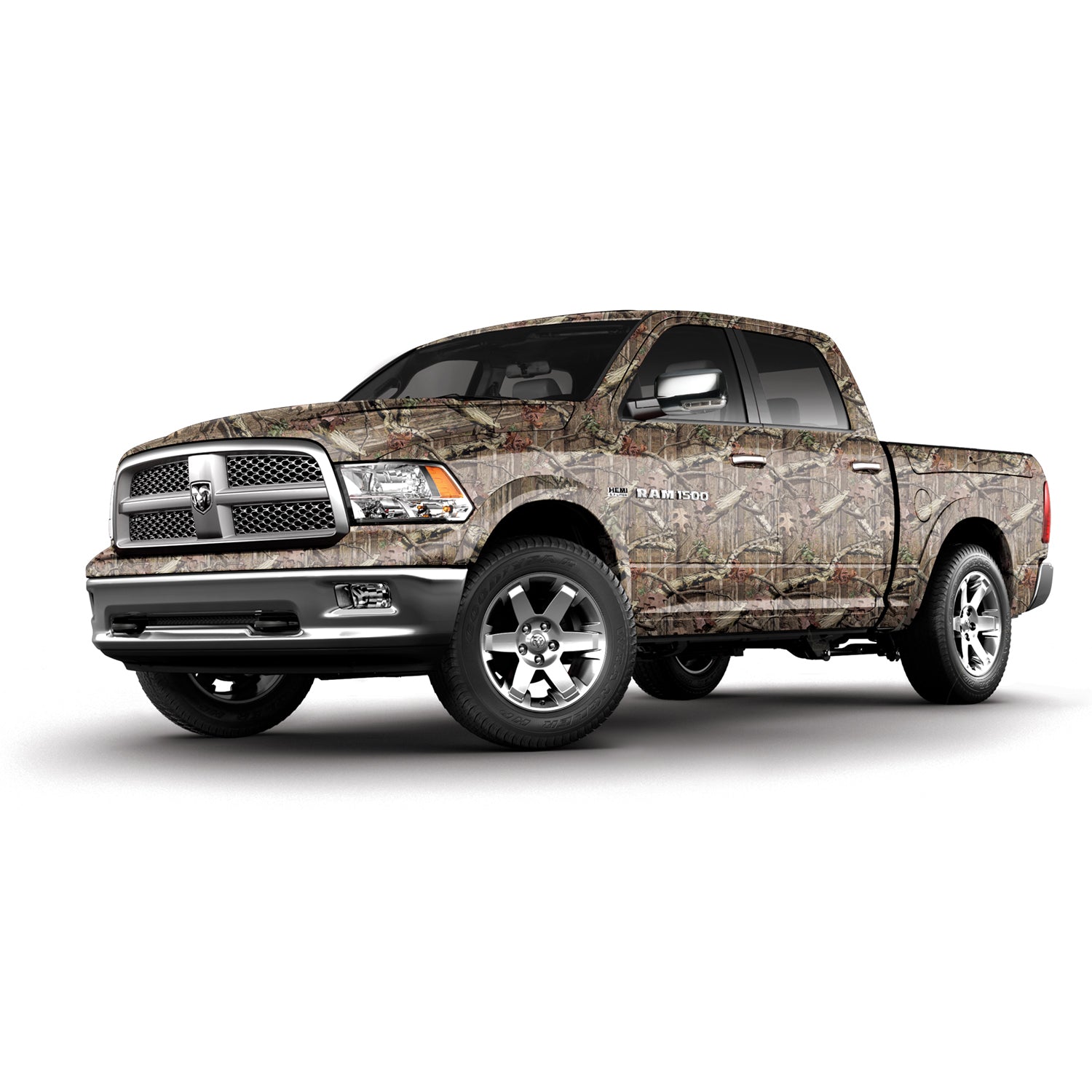
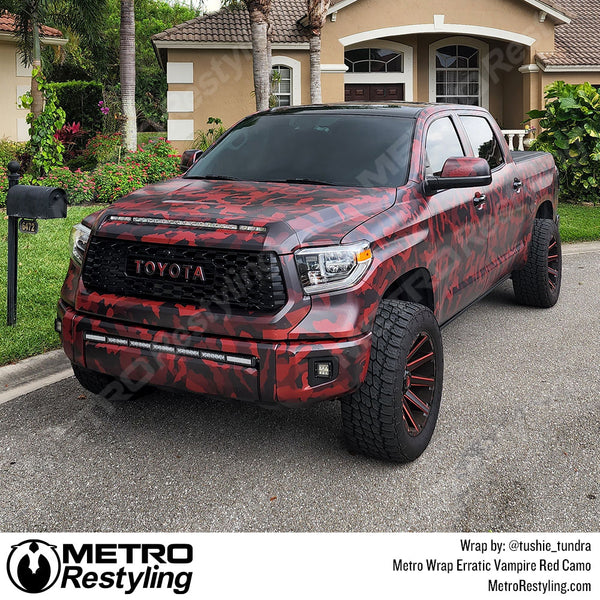
Vinyl wraps offer many colors and designs. Solid colors are simple and classic. Metallic and chrome colors give a bright, shiny look. Printed vinyl lets you add graphics or logos. Custom designs help your truck stand out. Think about your brand or personal style. Choose colors that match your message or mood. Good color and design make your truck unique and eye-catching.
Measuring Your Truck
Measuring your truck is the first step to know how much vinyl you need. Accurate measurements help avoid waste and extra costs. Take your time and be precise. Even small errors can cause problems later. Use this guide to measure your full-size truck correctly.
Key Dimensions To Measure
Start with the length of the truck from front to back. Measure the height from the ground to the roof. Don’t forget the width, including mirrors if you want to wrap them. Measure each side separately for accuracy. Note the size of the doors and windows. These details help calculate the total vinyl needed.
Tools For Accurate Measurement
Use a tape measure for easy and quick results. A laser distance measurer gives more precise readings. A notebook or phone app helps record numbers correctly. A helper can make the job easier and faster. Double-check measurements to avoid mistakes.
Common Truck Sizes
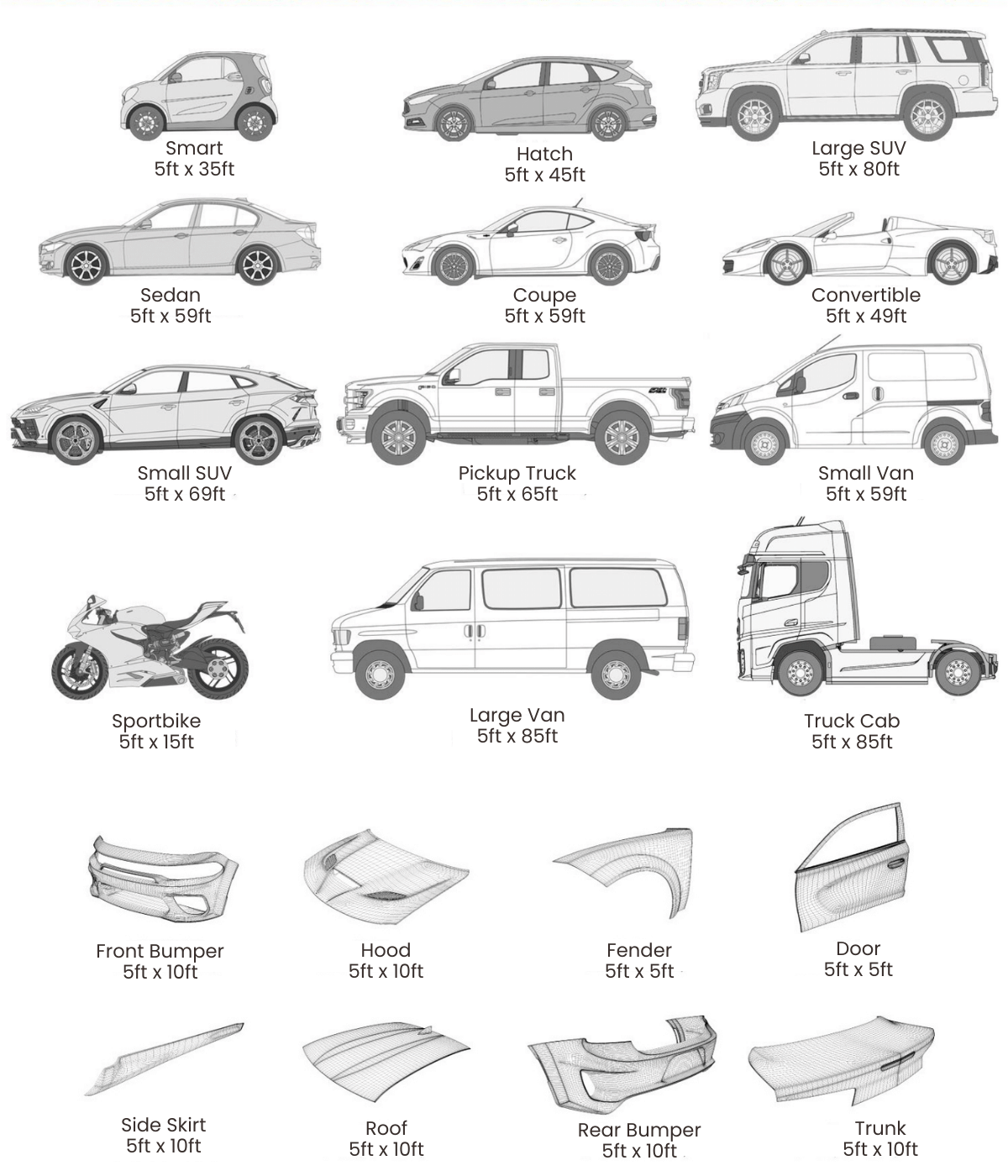
Full-size trucks vary but often measure about 20 to 22 feet long. Heights range from 6 to 7 feet. Widths, including mirrors, can reach 8 feet. Knowing these sizes helps estimate vinyl rolls needed. Always measure your specific truck for best results.
Calculating Vinyl Requirements
Calculating how much vinyl you need to wrap a full size truck is key. Accurate measurement saves money and time. You avoid running short or wasting material. This process involves measuring the truck’s surface and adding extra for mistakes. Let’s break down the steps to get the right amount of vinyl.
Estimating Surface Area
Start by measuring the truck’s length, width, and height. Measure each side separately for accuracy. Include the hood, roof, and tailgate. Multiply length by height for each section. Add all sections together for total surface area. This gives a rough idea of vinyl needed.
Accounting For Doors And Mirrors
Doors and mirrors need special attention. They have curves and edges. Measure their surfaces separately. Add these measurements to the total area. These parts require extra vinyl to cover fully. Don’t forget side steps or handles if wrapped.
Allowances For Errors And Overlaps
Wraps need overlap to avoid gaps. Add 10 to 20 percent more vinyl for overlaps. This also covers cutting errors and adjustments. Better to have extra vinyl than too little. Extra material helps with tricky spots and re-cuts.
Vinyl Roll Sizes And Coverage
Choosing the right vinyl roll size is key for wrapping a full-size truck. Rolls come in different widths and lengths. Knowing these helps plan how much material is needed. It also helps avoid running out or buying too much vinyl. Understanding coverage is important to get smooth, seamless results.
Standard Roll Dimensions
Vinyl rolls usually come in widths of 12, 24, 48, or 60 inches. Lengths vary from 12 to 100 feet or more. Most truck wraps use 48 or 60-inch wide rolls. These widths cover large areas faster. Smaller widths may work for details or smaller vehicles. Length depends on the wrap size and complexity.
How Roll Size Affects Coverage
Wider rolls cover more surface area with fewer seams. This reduces cutting and fitting time. Longer rolls mean fewer joins and less waste. Too narrow or short rolls create more seams. Seams can be weak points and affect the wrap’s look. Choosing the right roll size saves time and material.
Buying Extra Material
Buy extra vinyl to cover mistakes and trimming. It’s smart to add 10-20% more than the truck’s surface area. Extra vinyl helps with curves and edges. It also allows for test fitting and adjustments. Running short during wrapping causes delays and stress.
Installation Tips
Installing vinyl wrap on a full-size truck needs careful steps. Proper installation helps the wrap last longer and look smooth. Follow clear instructions to avoid wrinkles, bubbles, or peeling. The right preparation and tools make the job easier and more successful.
Preparing The Truck Surface
Clean the truck surface thoroughly. Use soap and water to remove dirt and grime. Dry the truck completely with a clean cloth. Remove grease with isopropyl alcohol or a similar cleaner. Check for rough spots or rust and fix them. A smooth surface helps vinyl stick well and look neat.
Tools Needed For Wrapping
Gather all tools before starting. You will need a heat gun to soften the vinyl. Use a squeegee to smooth out air bubbles. A sharp utility knife helps cut the vinyl precisely. Gloves protect your hands and keep the vinyl clean. A measuring tape and masking tape assist in positioning the wrap.
Step-by-step Wrapping Process
Start by measuring the truck panels and cutting vinyl slightly larger. Peel the backing off the vinyl slowly. Place the vinyl on the truck surface carefully. Use the squeegee to push air bubbles out from the center. Heat the vinyl with the heat gun to stretch around curves. Trim extra vinyl with the utility knife. Work on one section at a time for best results.
Credit: yeswrap.com
Common Challenges And Solutions
Wrapping a full-size truck with vinyl is not always simple. Several challenges can appear during the process. Knowing these common problems and their solutions helps achieve a smooth, professional wrap. This section covers key issues and tips to fix them.
Handling Curves And Edges
Curves and edges on trucks are tricky to cover. Vinyl can stretch or tear if not handled well. Use a heat gun to warm the vinyl slightly. Warm vinyl becomes more flexible and easier to mold. Stretch the vinyl gently over curves and press it down slowly. Use a squeegee to remove air pockets near edges. Trim excess vinyl carefully for a clean finish.
Dealing With Bubbles And Wrinkles
Bubbles and wrinkles spoil the wrap’s look. Small bubbles often trap air or moisture. Use a squeegee to push bubbles toward the edge. For stubborn bubbles, prick them with a pin and smooth out the vinyl. Wrinkles happen if the vinyl is not stretched evenly. Apply heat and pull the vinyl gently to smooth wrinkles. Work slowly for the best results.
Removing Old Wraps
Old wraps must come off before applying new vinyl. Heat the old vinyl with a heat gun to loosen the adhesive. Peel the wrap carefully to avoid damaging the paint. Use adhesive remover to clean leftover glue. Clean and dry the truck surface before starting the new wrap. A smooth surface ensures better vinyl adhesion and durability.
Cost Considerations
Cost plays a big role in deciding how to wrap a full size truck with vinyl. Understanding different cost factors helps plan the budget better. Expenses vary based on material, labor, and upkeep. Knowing these details avoids surprises and ensures smart spending.
Vinyl Material Costs
Vinyl wrap prices depend on quality and type. Standard vinyl rolls cost less but may wear out faster. Premium vinyl offers better durability and colors but costs more. Full size trucks need about 50 to 75 feet of vinyl. Extra material might be needed for curves and edges. Choosing the right vinyl impacts the total cost and look.
Professional Vs. Diy Wrapping
Hiring a professional can cost between $2,500 and $5,000. Experts guarantee a smooth, bubble-free finish. DIY kits cost less, around $300 to $700 for material. DIY requires time and skill to avoid mistakes. Poor installation may cause peeling or damage. Balance cost savings with quality and effort.
Maintenance And Longevity
Vinyl wraps need care to last long. Regular cleaning with mild soap keeps the wrap fresh. Avoid harsh chemicals or pressure washers. A well-maintained wrap can last 5 to 7 years. Damage repairs add to overall cost. Proper upkeep reduces the need for early replacement.
Credit: www.mossyoakgraphics.com
Credit: metrorestyling.com
Frequently Asked Questions
How Much Vinyl Is Needed For A Full-size Truck Wrap?
Typically, 50 to 75 square feet of vinyl is needed for a full-size truck wrap. This depends on the truck’s dimensions and wrap complexity.
What Factors Affect Vinyl Wrap Material Quantity?
Truck size, design coverage, and wrap style influence vinyl quantity. Full wraps require more vinyl than partial or accent wraps.
Can I Use Standard Vinyl Rolls For A Truck Wrap?
Yes, standard vinyl rolls of 54 to 60 inches width are common for truck wraps. Multiple rolls may be necessary for full coverage.
How To Calculate Vinyl Needed For Custom Truck Wraps?
Measure truck length, height, and width accurately. Multiply to find surface area, then add 10-20% for errors and overlaps.
Conclusion
Wrapping a full-size truck needs careful planning. Measure the truck’s length, width, and height first. Usually, 50 to 60 feet of vinyl works well. Allow extra material for curves and edges. Choosing the right amount saves money and effort. Vinyl wrapping protects your truck and looks great too.
Take time to prepare and measure well. This helps avoid mistakes and delays. With the right vinyl, your truck will stand out nicely. Simple steps lead to a smooth wrap job.