

Thinking about wrapping your pickup truck but unsure how much vinyl you’ll need? You’re not alone.
Getting the right amount of vinyl is key to a smooth, hassle-free wrap job—and to avoid wasting money on extra material. You’ll discover exactly how to measure your truck and calculate the vinyl needed. Whether you’re a DIY enthusiast or planning to hire a pro, understanding these details will save you time, effort, and stress.
Keep reading to make sure your pickup truck wrap turns out perfect from start to finish.
Estimating Vinyl Requirements
Estimating how much vinyl you need to wrap a pickup truck is important. It saves money and avoids running out mid-project. Careful measurement and calculation help get the right amount of vinyl. This section guides you through the steps.
Measuring Your Pickup Truck
Measure the length, width, and height of the truck. Take measurements of the cab, bed, and doors separately. Use a tape measure and write down all numbers. Measure twice to avoid mistakes. Include mirrors, bumpers, and other parts to cover.
Calculating Surface Area
Multiply length by height for each section. Add all areas to get total surface area. Convert measurements to square feet or meters. This shows how much vinyl covers the truck. Use simple math or an online calculator.
Accounting For Overlaps And Errors
Vinyl wrapping needs extra material for overlaps and cuts. Add about 10-15% more vinyl than calculated. This covers mistakes and trimming edges. Extra vinyl helps wrap curves and corners smoothly. Always round up to be safe.
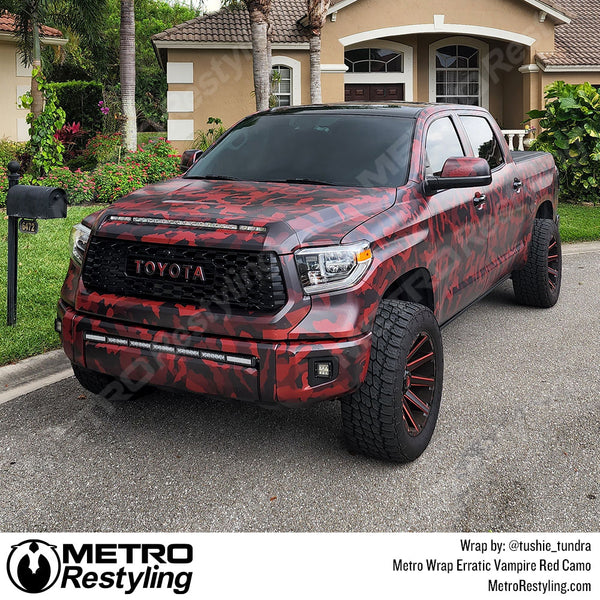
Credit: metrorestyling.com
Types Of Vinyl Wraps
Choosing the right vinyl wrap affects your truck’s look and protection. Different types of vinyl wraps suit various needs and styles. Understanding these options helps you pick the best wrap for your pickup truck.
Vinyl wraps come in many finishes, thicknesses, and special designs. Each type has unique features that impact appearance and durability. This section explains the main types of vinyl wraps available.
Glossy Vs Matte Finishes
Glossy wraps shine and reflect light well. They give a bright, clean look to your truck. Matte wraps have no shine. They offer a smooth, flat appearance. Matte is great for a subtle, modern style. Glossy finishes are easier to clean. Matte wraps may show fingerprints more.
Durability And Thickness
Vinyl wraps come in different thickness levels. Thicker wraps last longer and protect better. Thin wraps are easier to apply but may tear. Durability depends on the vinyl quality and thickness. A thicker wrap can handle harsh weather and scratches well. Choose thickness based on how long you want the wrap to last.
Specialty Vinyl Options
Specialty vinyls include textured, chrome, and color-shift wraps. Textured wraps add patterns like carbon fiber or leather feel. Chrome wraps create a mirror-like shine. Color-shift wraps change color from different angles. These options stand out and add personality. They may cost more and need careful handling.
Tools And Materials Needed
Wrapping a pickup truck with vinyl requires specific tools and materials. Having the right items makes the job easier and helps achieve a smooth finish. You must prepare the truck properly before applying the vinyl. Safety is also important during the process. Below is a list of what you need.
Essential Wrapping Tools
Start with high-quality vinyl wrap film designed for vehicles. A heat gun helps soften the vinyl for better stretching. Use a squeegee with a soft edge to remove air bubbles. A sharp utility knife or blade is necessary to trim excess vinyl. Magnetic clips or tape help hold the vinyl in place during installation. A measuring tape is useful to measure the truck surface accurately.
Preparing The Truck Surface
Clean the truck surface thoroughly before wrapping. Use soap and water to remove dirt and grease. Follow with isopropyl alcohol to remove any residue. Dry the surface completely with a clean cloth. Remove any rust or loose paint. Sand rough areas lightly to create a smooth surface. This step ensures the vinyl sticks well and lasts longer.
Safety Equipment
Wear gloves to protect your hands from cuts and chemicals. Eye protection prevents injuries from flying debris or splashes. Work in a well-ventilated area to avoid inhaling fumes. Use a mask if working with strong adhesives or solvents. Keep a first aid kit nearby for any minor injuries during the job.
Step-by-step Wrapping Process
Wrapping a pickup truck with vinyl requires careful steps to ensure a smooth, lasting finish. Each stage matters for the vinyl to stick well and look great. Follow these steps to wrap your truck properly and avoid common mistakes.
Cleaning And Prepping
Start by washing your truck thoroughly. Dirt and grease stop vinyl from sticking. Use soap and water, then dry the surface well. Remove any wax or polish with rubbing alcohol. Check for dents or rust and fix them first. A clean, smooth surface helps the vinyl lay flat.
Applying The Vinyl
Cut vinyl pieces to cover the truck parts. Leave extra material for adjustments. Peel the backing a little and stick the vinyl on the truck. Work slowly, pressing the vinyl down as you go. Use a squeegee to push out air bubbles and wrinkles. Heat the vinyl gently with a heat gun for better flexibility.
Smoothing And Trimming
After applying, smooth the vinyl with a soft cloth or squeegee. Check all edges and corners closely. Trim the excess vinyl carefully using a sharp knife. Avoid cutting too deep to protect the paint. Heat edges slightly to seal and prevent peeling. Take your time for a neat, professional look.
Common Wrapping Challenges
Wrapping a pickup truck with vinyl can be tricky. The surface has many curves, edges, and details that make the job hard. Many people face problems that can spoil the final look. Knowing these common challenges helps prepare better for the task.
Small mistakes can cause air bubbles, wrinkles, or tears. Fixing them takes time and effort. Understanding how to handle these issues improves the quality of the wrap and makes the truck look smooth and clean.
Dealing With Curves And Edges
Pickup trucks have many curves and sharp edges. Vinyl wrap does not stretch like paint. It can wrinkle or tear on tight curves. Use heat guns to soften the vinyl and make it flexible. Stretch the vinyl gently over the curve. Work slowly and carefully around edges. Use a squeegee to press the vinyl flat and remove air pockets. Cutting the vinyl in small sections helps fit complex areas better.
Avoiding Air Bubbles
Air bubbles trap air under the vinyl and create bumps. They ruin the smooth look of the wrap. Start by cleaning the surface well to avoid dirt under the vinyl. Use a squeegee from the center outwards to push air out. Apply the vinyl slowly and carefully. If bubbles appear, prick them with a needle and press the air out. Taking time to avoid bubbles ensures a clean finish.
Fixing Wrinkles And Tears
Wrinkles happen when the vinyl folds or creases. Avoid pulling too hard on the vinyl. Warm the vinyl with a heat gun to make it more flexible. Smooth wrinkles with a squeegee or your hand. Small tears can be fixed by patching from the inside. Bigger tears may need replacing the vinyl section. Patience is key to fixing these mistakes without ruining the wrap.
Maintenance And Longevity
Maintaining a vinyl wrap on your pickup truck is key to keeping it looking fresh and lasting longer. Proper care helps protect the vinyl from damage and fading. Small efforts every day can extend the wrap’s life significantly.
Understanding simple maintenance steps makes a big difference. Cleaning, weather protection, and knowing when to replace the wrap all play a part. These tips keep your truck wrapped and ready for the road.
Cleaning Tips For Vinyl Wraps
Use mild soap and water to clean the wrap. Avoid harsh chemicals or abrasive brushes. Gently wash with a soft cloth or sponge. Rinse thoroughly to remove all soap. Dry the surface with a microfiber towel. Regular cleaning prevents dirt buildup and stains.
Protecting From Weather
Park in shaded areas to reduce sun damage. UV rays can cause fading and cracking. Cover the truck during heavy rain or snow. Use a breathable car cover to avoid moisture buildup. Avoid automatic car washes with rough brushes. These steps help keep the vinyl smooth and bright.
When To Replace The Wrap
Look for peeling edges or bubbles on the surface. Faded colors or scratches also signal wear. If the wrap loses its shine or shows cracks, it’s time to replace. Regular checks help catch damage early. Replacing the wrap restores your truck’s look and protects its paint.
Cost Considerations
Cost plays a big role in deciding how much vinyl to wrap a pickup truck. Knowing different expenses helps plan the budget well. It also avoids surprises during the project. Here are key points to think about.
Vinyl Pricing Factors
Vinyl prices vary by brand, quality, and type. Glossy or matte finishes may cost differently. Thicker vinyl usually lasts longer but costs more. Some colors or patterns can be pricier. Bigger trucks need more vinyl, increasing the price. Always check the price per foot or meter.
Diy Vs Professional Installation
Doing the wrap yourself saves money on labor. But it needs skill and special tools. Mistakes can waste vinyl and cause extra costs. Professionals charge for labor but guarantee quality. They also finish faster. Choose based on your budget and confidence.
Budgeting For Extras
Extras add to the total cost. Cleaning supplies help prepare the truck surface. Tools like squeegees and heat guns may be needed. Removing old wraps or decals costs extra. Some vinyl types require special adhesives or primers. Plan extra money for small costs.

Credit: raxtify.com

Credit: raxtify.com
Frequently Asked Questions
How Much Vinyl Wrap Do I Need For A Pickup Truck?
Typically, you need 30 to 35 feet of vinyl wrap to cover a full-size pickup truck. This estimate includes extra material for mistakes and trimming.
Can I Wrap A Pickup Truck Myself?
Yes, you can wrap a pickup truck yourself if you have patience and the right tools. However, professional installation ensures a smooth, bubble-free finish.
What Factors Affect The Amount Of Vinyl Wrap Needed?
Truck size, wrap design complexity, and extra coverage areas impact the vinyl amount. Larger trucks and detailed wraps require more vinyl material.
How Long Does A Vinyl Wrap Last On A Pickup Truck?
A quality vinyl wrap can last 5 to 7 years with proper care. Durability depends on the vinyl type and environmental exposure.
Conclusion
Wrapping a pickup truck needs careful measurement of vinyl. Always measure the truck’s length, width, and height first. Add extra vinyl for mistakes or tricky spots. Usually, 25 to 30 square feet covers most trucks well. Remember, quality and fit matter more than just size.
Take time to plan and cut vinyl carefully. This helps avoid waste and saves money. A well-wrapped truck looks great and lasts longer. Keep these tips in mind to get the best results. Vinyl wrap can change your truck’s look easily and affordably.


