Have you ever wondered how powerful the water is when you take your car through a wash? Knowing how much water pressure a car wash uses can help you understand how it cleans your vehicle so effectively without causing damage.
Whether you’re curious about protecting your paint job or just want to learn more about the process, this article will give you clear answers. Keep reading to discover the surprising facts about car wash water pressure and how it affects your car’s shine and safety.
Typical Car Wash Pressure
Water pressure plays a key role in cleaning cars effectively. It helps remove dirt, grime, and stains from the vehicle’s surface. Typical car wash pressure varies depending on the type of car wash. Understanding these differences can help you choose the right wash for your needs.
Car wash pressure is measured in pounds per square inch (PSI). The pressure must be strong enough to clean but gentle to avoid damage. The range of pressure depends on whether the car wash is residential or commercial.
Residential Car Wash Pressure
Residential car wash pressure usually ranges from 1200 to 1900 PSI. This pressure is enough for home use and small cleaning tasks. It is safe for all car surfaces including paint, glass, and tires.
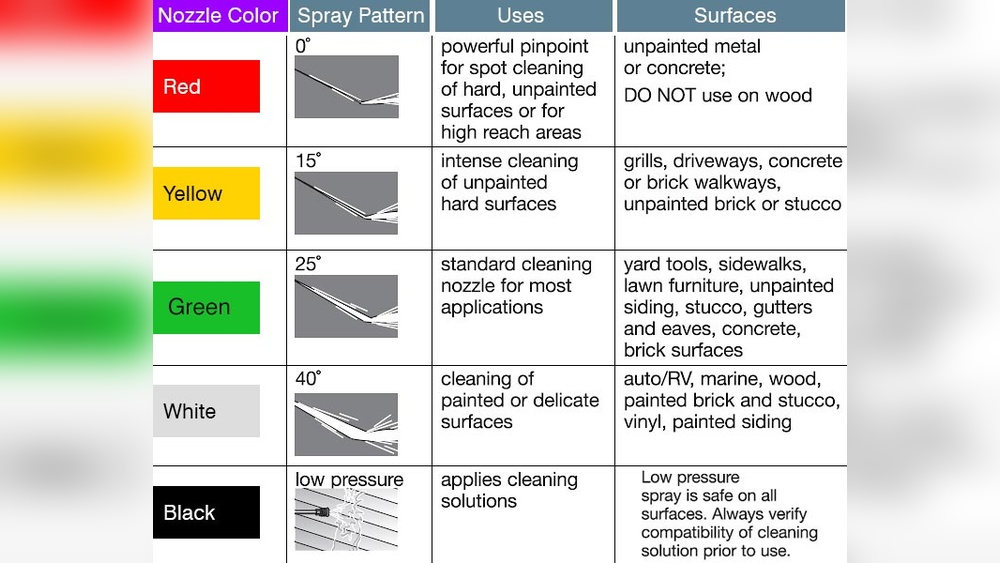
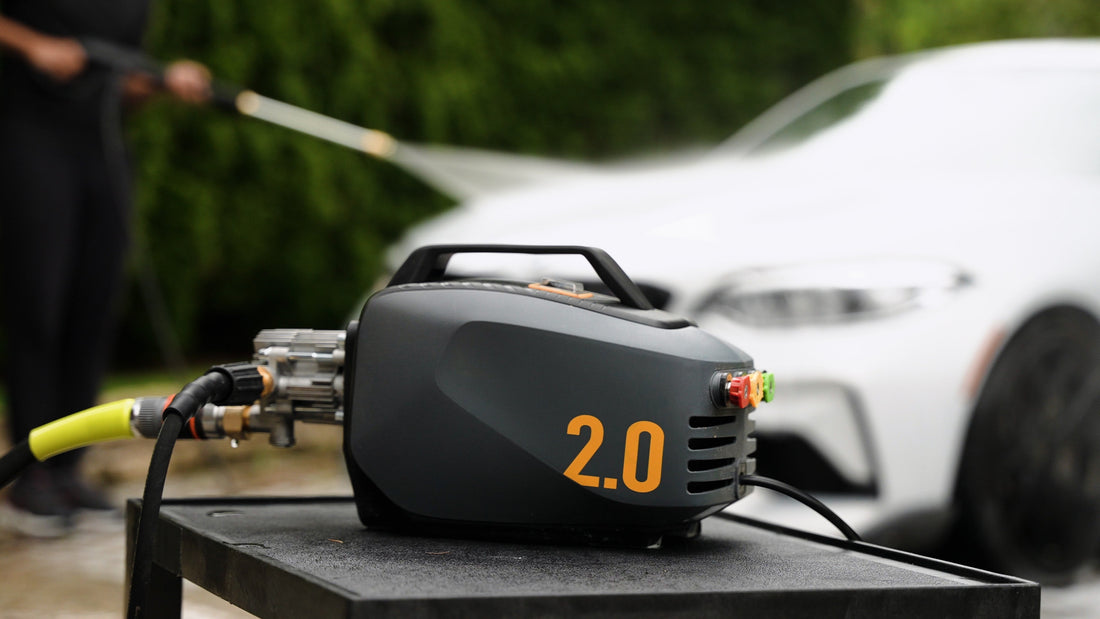
Most home pressure washers come with adjustable pressure settings. Users can control the pressure to suit different parts of the car. Lower pressure settings protect delicate areas like mirrors and trim.
Commercial Car Wash Pressure
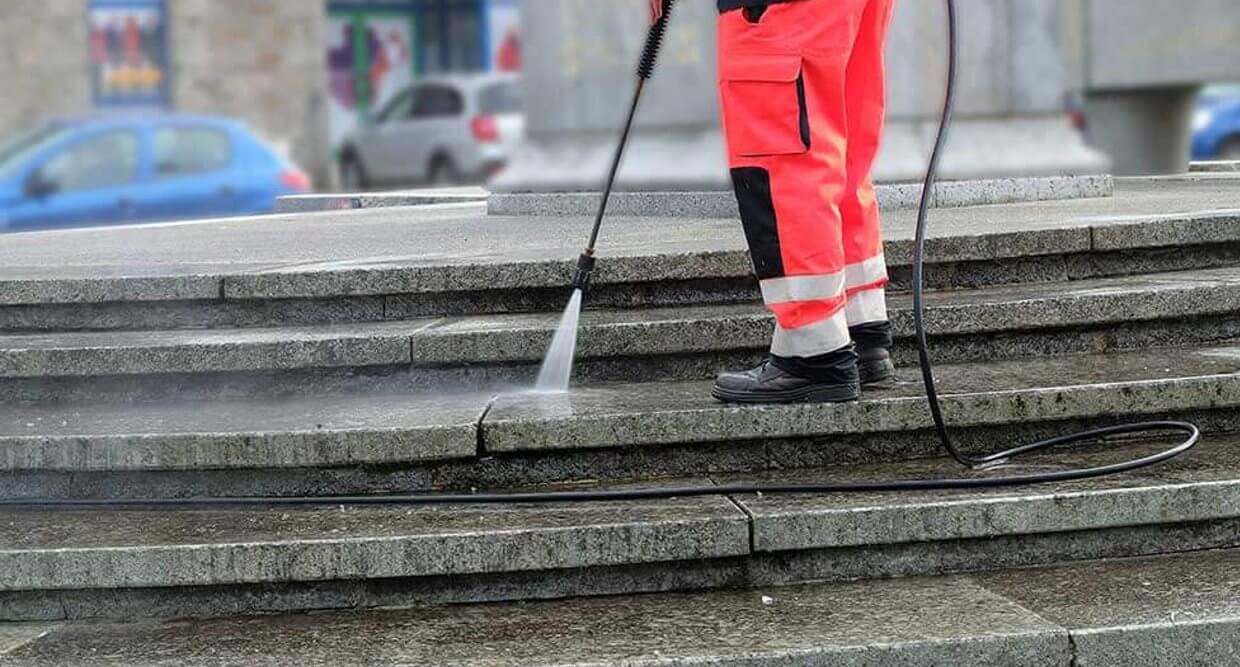
Commercial car washes use higher pressure, typically between 2000 and 3000 PSI. This pressure cleans cars quickly and removes tough dirt and grease. It is ideal for busy car wash stations that handle many vehicles daily.
Commercial systems also use specialized nozzles to focus water streams. This improves cleaning without damaging the vehicle’s surface. The higher pressure helps in drying the car faster too.
Credit: www.hotsyab.com
Pressure Variations By Car Wash Type
Water pressure varies significantly across different car wash types. Each system uses a specific pressure level to clean vehicles effectively. Understanding these differences helps you choose the right wash for your car.
Pressure affects cleaning power and safety. Too much pressure can damage paint or trim. Too little pressure may not remove dirt well.
Touchless Car Wash Systems
Touchless car washes use high water pressure to clean without brushes. Pressure ranges from 1,200 to 2,000 PSI. Strong jets remove dirt and grime quickly. This method reduces scratches but may miss stubborn spots.
Soft Cloth Car Wash Systems
Soft cloth systems combine moderate water pressure with gentle cloth brushes. Pressure usually stays between 800 and 1,200 PSI. The cloths scrub while water rinses dirt away. This balance protects the paint and cleans well.
Hand Wash Pressure Levels
Hand washing uses the lowest water pressure, often under 500 PSI. People control water flow with hoses or buckets. This method is gentler and allows careful cleaning of delicate areas. It takes more time but reduces risk of damage.
Impact Of Water Pressure On Cleaning
Water pressure plays a key role in how well a car wash cleans. It pushes water and soap to remove dirt and grime. The right pressure helps clean deeply without hurting the car’s surface.
Too little pressure leaves dirt behind. Too much pressure can damage paint or parts. Understanding this balance helps keep cars clean and safe.
Effectiveness In Dirt Removal
Strong water pressure removes stubborn dirt quickly. It reaches tough spots like wheel wells and undercarriage. This pressure breaks loose mud, dust, and bugs. It also rinses soap away fast. This means less scrubbing by hand.
Low pressure may not clear all grime. It can leave layers of dirt that dull the paint. Good pressure saves time and effort. It makes the car look cleaner and shinier.
Potential Risks To Vehicle Paint
High water pressure can harm car paint. It may strip off wax or clear coat. This weakens paint protection over time. Strong jets can also cause scratches or chips. Sensitive parts like mirrors and trim can break.
Car washes use safe pressure levels to avoid damage. Hand washing with a gentle hose is safer. Knowing the right pressure protects the car’s finish and value.
Recommended Pressure Ranges
Water pressure is key to a good car wash. Too high or too low pressure can harm your vehicle or leave it dirty. Knowing the right pressure range helps protect your car’s paint and finish. It also ensures a thorough clean without damage.
Safe Pressure Limits
Safe water pressure for car washing usually stays between 1200 and 1900 PSI. Pressures above 2000 PSI may damage paint or seals. Lower pressure keeps the car safe but may need more time to clean. Always avoid pressure that can chip or scratch surfaces.
Optimal Pressure For Different Surfaces
Different parts of your car need different water pressures. For delicate areas like windows and trim, use 1200 to 1400 PSI. Tires and wheel wells can handle stronger pressure, around 1900 PSI. Adjust pressure based on dirt level and surface type. This way, cleaning is effective and safe.
Factors Affecting Water Pressure
Water pressure plays a key role in how well a car wash cleans your vehicle. Several factors influence the water pressure that reaches the car’s surface. Understanding these factors helps explain why some car washes work better than others.
Equipment Specifications
The type of equipment affects water pressure strongly. Pumps, nozzles, and hoses each have specific pressure ratings. High-quality pumps deliver stronger water streams. Nozzles control how the water sprays, changing pressure and reach. Older or cheaper equipment may lower water pressure.
Water Supply And Plumbing
The water source and plumbing system impact pressure levels. A strong water supply provides steady pressure for washing. Narrow or clogged pipes reduce water flow and pressure. The distance from the water source also matters. Longer pipes can cause pressure to drop before reaching the car wash.
Maintenance And Calibration
Regular maintenance keeps water pressure consistent. Cleaning filters and removing blockages improve flow. Calibration of pumps and nozzles ensures correct pressure output. Worn parts or leaks reduce water pressure and cleaning power. Well-maintained systems deliver the best results.
How To Measure Water Pressure
Measuring water pressure helps understand how strong the water flow is. It is important for car washes to have the right pressure. Too much pressure can damage the car’s paint. Too little pressure may not clean well. There are easy ways to check water pressure at home or with tools.
Using Pressure Gauges
Pressure gauges are tools designed to measure water pressure directly. They connect to your hose or water outlet. The gauge shows pressure in PSI (pounds per square inch). Most car washes use pressure between 120 and 190 PSI. Attach the gauge, open the water, and read the number. This method gives a clear and accurate reading fast.
Diy Pressure Testing Methods
You can also test water pressure without special tools. One way is to time how fast a container fills. Use a container with a known volume, like a 1-gallon bucket. Turn on the water fully and measure the seconds it takes to fill. Then, calculate the flow rate. This helps estimate pressure roughly. It is not as precise as a gauge but useful for quick checks.
Improving Car Wash Pressure
Improving car wash pressure helps clean vehicles better and faster. Proper pressure removes dirt and grime without damaging the paint. Small changes can make a big difference in washing results. Focus on equipment, water flow, and maintenance for best pressure.
Upgrading Equipment
Old or low-quality equipment lowers water pressure. Replace worn-out nozzles and pumps with newer models. Choose equipment designed for higher pressure output. This upgrade boosts cleaning power and saves water. Modern systems also use less energy.
Adjusting Water Flow
Water flow affects pressure directly. Check flow rate settings on your system. Reduce unnecessary water flow to increase pressure at the nozzle. Balance flow to avoid using too much water. Proper flow adjustment ensures strong, steady pressure for washing.
Regular Maintenance Tips
Keep equipment clean and free of clogs. Inspect hoses and nozzles for blockages or damage. Replace parts showing wear or leaks immediately. Regularly check pumps for proper operation. Scheduled maintenance keeps pressure consistent and prevents breakdowns.
Credit: activeproducts.com
Common Myths About Car Wash Pressure
Many people believe certain things about car wash water pressure that are not true. These myths often cause confusion about how a car wash really works. Understanding the facts helps to know what pressure is best for cleaning your car without damage.
Higher Pressure Always Means Cleaner
Some think that higher water pressure cleans better. But very high pressure can harm your car’s paint. It can also push dirt into small cracks. Car washes use balanced pressure to clean safely and well. It’s not about being the strongest, but being the right strength.
Low Pressure Is Ineffective
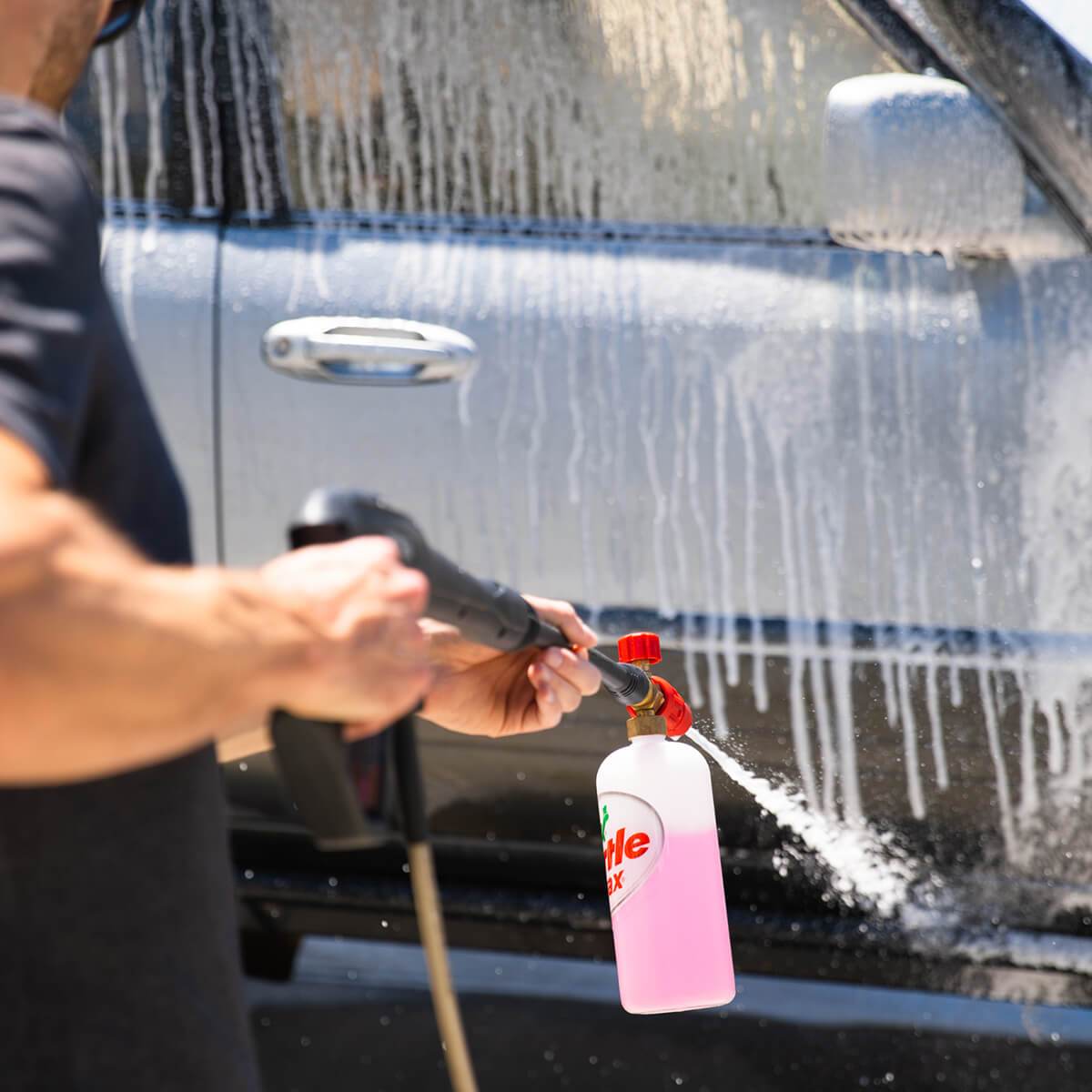
Low pressure is often seen as weak and useless. Yet, gentle pressure can remove dirt without scratches. Many car washes use moderate pressure and special soaps to clean well. Too much pressure can cause damage, so low pressure can be smart and safe.
Credit: www.turtlewax.com
Frequently Asked Questions
What Is The Average Water Pressure In A Car Wash?
The average water pressure in a car wash ranges between 1200 to 1900 PSI. This pressure effectively removes dirt without damaging the vehicle’s paint.
How Does Water Pressure Affect Car Wash Cleaning?
Higher water pressure helps remove tough grime quickly. However, excessive pressure may harm paint or decals. Balanced pressure ensures safe and efficient cleaning.
Can Low Water Pressure Damage Car Wash Results?
Yes, low water pressure can lead to poor cleaning. It may leave dirt and stains on the vehicle, reducing the wash quality significantly.
What Pressure Is Safe For Automatic Car Washes?
Automatic car washes typically use water pressure around 1400 to 1700 PSI. This range cleans effectively while protecting the car’s surface from damage.
Conclusion
Car washes use water pressure to clean cars well. Usually, pressure ranges from 1000 to 2000 PSI. This level removes dirt without harming paint. Too much pressure can damage your vehicle. Too little pressure may not clean properly. Knowing this helps you choose the right wash.
It keeps your car safe and shiny. Always pick a car wash with balanced pressure. Your car will look clean and stay protected. Simple pressure control makes a big difference. Now you understand how water pressure works in car washes.