

When it comes to washing your car, you might wonder how much water pressure is just right. Too little pressure, and the dirt won’t budge.
Too much, and you risk damaging your paint or sensitive parts. You want your car to look spotless without causing harm. You’ll discover the ideal water pressure to get your car clean and safe. Keep reading, because knowing the right pressure can save you time, money, and frustration.
Your car deserves the best care—and it starts with the right water pressure.
Credit: www.hotsyab.com
Ideal Water Pressure For Car Washing
Choosing the right water pressure for washing your car matters a lot. Too much pressure can damage the paint. Too little pressure may not clean well. Finding the ideal water pressure helps keep your car clean and safe.
Let’s explore the best pressure range for car washing. Also, learn how to balance pressure and paint safety for the best results.
Recommended Psi Range
The ideal pressure for washing a car usually falls between 1200 and 1900 PSI. This range cleans dirt and grime without harming the paint. Pressures below 1200 PSI might not remove tough stains. Above 1900 PSI, the risk of paint damage rises.
For general car cleaning, aim for around 1500 PSI. This level works well for most cars and removes dirt effectively. It also prevents paint scratches or dents from high pressure.
Balancing Pressure And Paint Safety
High pressure can strip wax and damage paint layers. Low pressure might leave stubborn dirt behind. Use a pressure washer with adjustable settings. Start at low pressure and increase only if needed.
Keep the nozzle at least 12 inches from the car surface. Moving the spray constantly prevents damage in one spot. Use a wide spray tip to spread water evenly. These steps protect your car’s finish while cleaning well.
Types Of Pressure Washers
Choosing the right pressure washer can make washing your car easier and safer. Different types of pressure washers offer different power levels and features. Understanding these types helps you pick the best one for your car washing needs.
Pressure washers mainly fall into two categories based on their power source and mobility. Each type has its own benefits and drawbacks. Knowing these differences can help you avoid damage to your car and save time.
Electric Vs Gas Pressure Washers
Electric pressure washers are quieter and lighter. They use less power and work well for light cleaning jobs. They are easy to start and need less maintenance.
Gas pressure washers are stronger and more powerful. They work well for heavy-duty cleaning. They are louder and heavier but can handle tougher dirt and stains.
Electric models are better for small cars and gentle washing. Gas models suit larger vehicles or very dirty cars.
Portable Vs Stationary Models
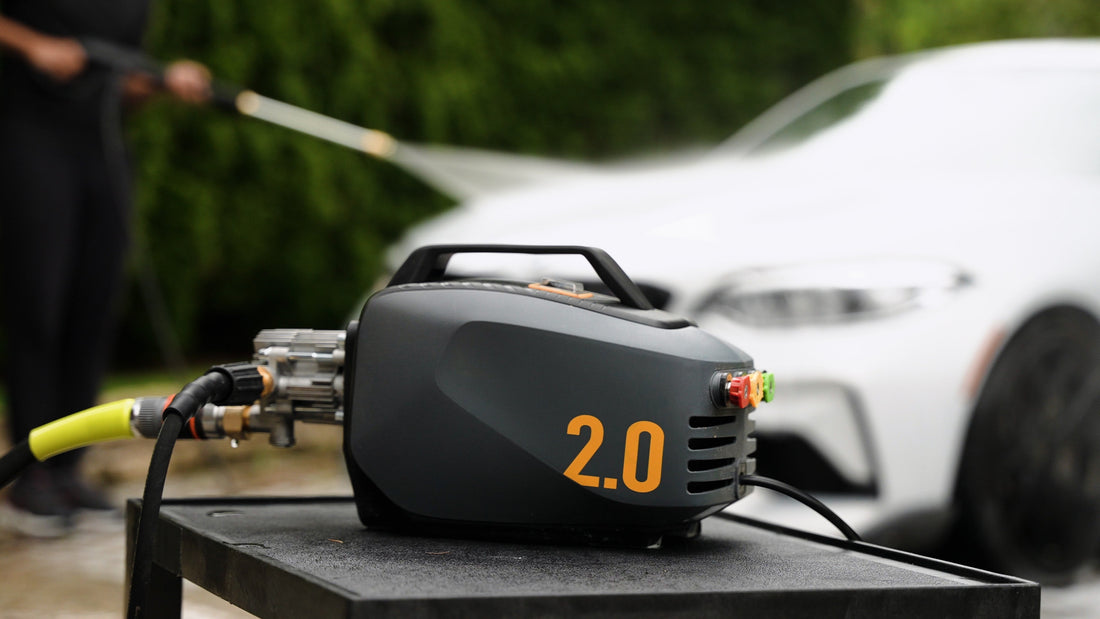
Portable pressure washers are small and easy to carry. They are perfect for washing cars at home or on the go. They often have wheels or handles for easy movement.
Stationary pressure washers are bigger and stay in one place. They offer more power and longer use time. They are best for professional use or large areas.
Portable models offer convenience. Stationary models provide more strength and durability.
Choosing The Right Nozzle
Choosing the right nozzle is key to washing a car safely and effectively. The nozzle controls water pressure and spray pattern. This affects how well dirt is removed and if the car’s paint stays unharmed. Picking the correct nozzle helps avoid damage and saves water. It also makes cleaning easier and faster.
Nozzle Angles And Their Effects
Nozzles come in different angles, like 0°, 15°, 25°, and 40°. A 0° nozzle shoots a very strong, narrow stream. This can damage paint if too close. The 15° nozzle has a tighter spray but is less harsh. It works well for tough dirt but needs careful use.
The 25° nozzle offers a wider spray that cleans gently. It suits most car surfaces without harm. The 40° nozzle produces the widest, softest spray. It rinses away soap and light dirt safely. Choosing the right angle balances cleaning power and safety.
Best Nozzles For Car Surfaces
Soft surfaces like paint and glass need gentle nozzles. The 25° or 40° nozzles are best here. They clean well without scratching or stripping wax. For tires and wheels, use a 15° nozzle. It removes brake dust and grime effectively.
Avoid 0° nozzles on the car body. Use them only on hard, durable surfaces. Nozzle choice depends on dirt type and surface strength. Proper nozzles protect your car and improve cleaning results.
Credit: activeproducts.com
Step-by-step Car Washing Process
Washing a car properly requires a clear process to get the best results. Following simple steps helps protect the paint and remove dirt well. Using the right water pressure is key to avoid damage and clean effectively.
This step-by-step guide shows how to wash your car safely and thoroughly. Each step builds on the last to give a shiny, clean finish.
Pre-rinse Techniques
Start by rinsing the car with water to remove loose dirt. Use a pressure of about 1200 to 1900 PSI for this step. Hold the nozzle 6 to 12 inches from the surface. Spray from the top down to avoid streaks. This step prevents scratches during washing.
Applying Soap And Foam
Apply car soap or foam with a sponge or foam cannon. Use soap designed for cars to protect the paint. Let the foam sit for a few minutes to loosen dirt. Avoid letting soap dry on the surface. Use gentle pressure to scrub without damaging the paint.
Final Rinse Tips
Rinse off all soap using clean water at medium pressure. Keep the nozzle 12 inches away to prevent damage. Make sure no soap remains in corners or crevices. Rinse from top to bottom for a clear finish. Dry the car with a soft cloth to avoid water spots.
Common Mistakes To Avoid
Washing your car with the right water pressure is important. Using the wrong pressure can cause damage or leave your car dirty. Some mistakes happen often and can be avoided easily. Knowing these common errors helps you protect your car’s paint and parts. Here are the most frequent mistakes to avoid.
Using Excessive Pressure
Too much water pressure can harm your car’s paint. Strong pressure may cause scratches or peel off paint layers. It also risks breaking small parts like mirrors or antennas. Use a moderate pressure setting to clean effectively without damage.
Ignoring Delicate Areas
Some parts of your car need gentle care. Windows, lights, and trim are delicate and can crack or scratch. Avoid high pressure on these spots. Spray lightly and keep a safe distance for these sensitive areas.
Wrong Distance From Surface
Holding the water nozzle too close can damage the paint. Too far away means the water may not clean well. Keep the nozzle about 12 to 18 inches from the car surface. This distance cleans well and protects the paint.

Credit: www.turtlewax.com
Maintenance Of Pressure Washer
Maintaining your pressure washer keeps it working well for washing your car. Proper care stops damage and saves money on repairs. Simple steps help your tool last longer and clean better. Follow easy tips to keep your pressure washer in top shape.
Cleaning Nozzles
Nozzles can get clogged with dirt or debris. Clean them after each use to keep water flow strong. Use a small brush or a pin to clear holes. Rinse nozzles with clean water before storing. Clear nozzles prevent uneven spray and poor cleaning.
Storing Equipment Properly
Store your pressure washer in a dry, cool place. Avoid leaving it outside in rain or sun. Coil hoses loosely to prevent cracks and kinks. Keep the machine covered to stop dust buildup. Proper storage protects parts and keeps your washer ready to use.
Frequently Asked Questions
What Is The Ideal Water Pressure For Washing A Car?
The ideal water pressure for washing a car is between 1200 and 1900 PSI. This range effectively removes dirt without damaging the paint or decals.
Can High Water Pressure Damage My Car’s Paint?
Yes, water pressure above 2000 PSI can damage your car’s paint. Always use moderate pressure to avoid scratches and paint chipping.
How Does Water Pressure Affect Car Washing Efficiency?
Higher water pressure improves dirt removal speed but risks paint damage. Balanced pressure ensures thorough cleaning and preserves the vehicle’s finish.
Should I Use A Pressure Washer Or A Garden Hose?
A pressure washer with 1200-1900 PSI cleans better than a garden hose. It removes grime efficiently without excessive water use.
Conclusion
Choosing the right water pressure keeps your car safe and clean. Too much pressure can harm the paint and parts. Too little may leave dirt behind. Aim for a gentle but strong spray, around 1200 to 1900 PSI. Always test on a small spot first.
Use the correct nozzle and keep distance from the car. Clean your car with care and patience. Your car will look great and last longer. Simple steps make washing easier and better every time.


