
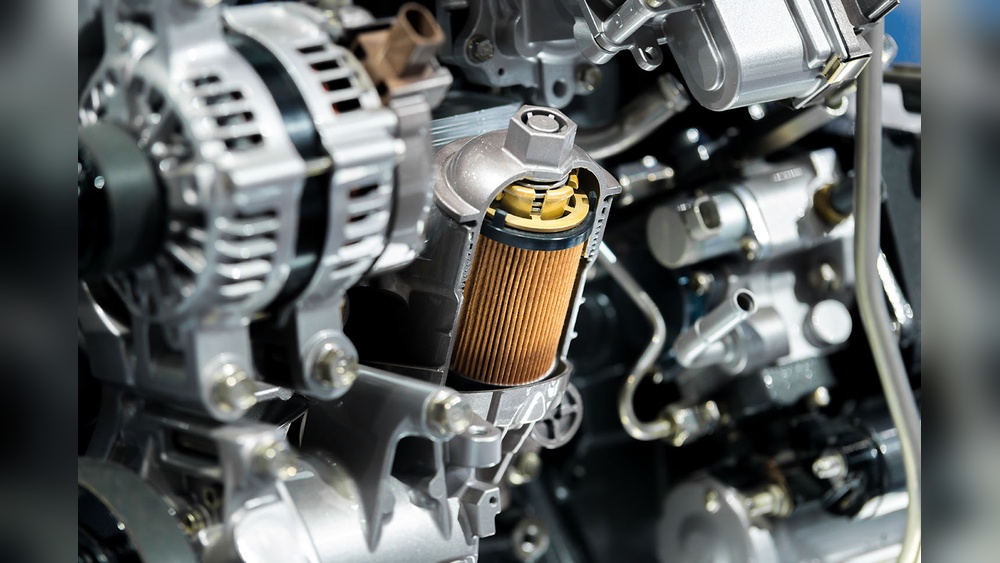
Have you ever thought about how often you change your fuel filter? It’s one of those small maintenance tasks that can make a big difference in how well your vehicle runs.
Ignoring it could lead to poor engine performance, reduced fuel efficiency, or even costly repairs. But how do you know when it’s time to replace it? You’ll discover the signs to watch for and the best schedule to keep your fuel filter working perfectly.
Keep reading to make sure your car stays in top shape and avoid unexpected breakdowns.
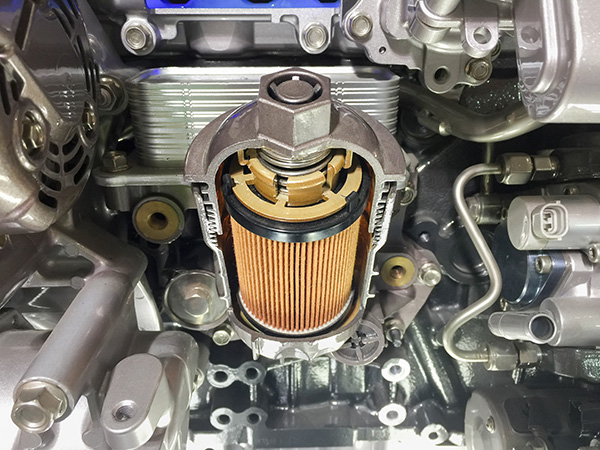
Credit: www.paulsauto.com
Why Fuel Filters Matter
Fuel filters play a key role in keeping your vehicle running well. They clean the fuel before it reaches the engine. Dirt, rust, and other particles can damage engine parts. A clean fuel filter stops these harmful particles. This helps your car perform smoothly and last longer.
Role In Engine Health
Fuel filters protect the engine from damage. They catch dirt and debris in the fuel. Without a filter, these particles can clog fuel injectors. This causes poor engine performance and costly repairs. A clean filter helps the engine run without problems.
Impact On Fuel Efficiency
A clogged fuel filter reduces fuel flow to the engine. This makes the engine work harder. Hard work means more fuel is used. A clean fuel filter keeps fuel flowing freely. This improves fuel efficiency and saves money on gas.
Signs Of A Clogged Fuel Filter
A clogged fuel filter can cause many problems in your car. It blocks fuel flow and makes the engine work harder. You need to know the signs early. This helps avoid bigger damage and costly repairs.
Watch for changes in how your car runs. These signs show the fuel filter may be clogged and needs attention.
Engine Performance Issues
The engine may run rough or lose power. It can hesitate or jerk during acceleration. You might notice poor fuel efficiency. These happen because the engine is not getting enough fuel.
Starting Problems
Your car might take longer to start or fail to start. This happens when fuel flow is blocked. The engine does not get the fuel it needs to ignite properly.
Unusual Noises
You may hear sputtering or coughing sounds from the engine. These noises come from fuel starvation. The engine struggles to run smoothly with a clogged filter.
Recommended Replacement Intervals
Knowing how often to change your fuel filter helps keep your engine healthy. The fuel filter stops dirt and debris from reaching the engine. Over time, the filter gets clogged and needs replacement. Replacing it at the right time keeps your car running smoothly.
Recommended replacement intervals vary by car and usage. Following the right schedule saves money and prevents engine problems. Below are the main guidelines and factors that affect how often you should change the fuel filter.
Manufacturer Guidelines
Car makers provide specific advice on fuel filter changes. The owner’s manual lists the recommended mileage or time for replacement. Most fuel filters need changing every 20,000 to 40,000 miles. Some newer models use filters that last longer, up to 60,000 miles. Sticking to these guidelines helps avoid engine damage.
Factors Affecting Frequency
Driving conditions affect how often the fuel filter clogs. Dusty or rough roads make the filter dirty faster. Frequent short trips can also cause build-up. Using poor quality fuel increases dirt and particles in the filter. Older cars may need more frequent changes. Check the filter more often if you notice engine trouble or less power.
Credit: www.bigboxcars.com.au
How To Check Your Fuel Filter
Checking your fuel filter is important to keep your vehicle running smoothly. A clean fuel filter stops dirt and rust from reaching the engine. This helps avoid engine problems and saves money on repairs. Learning how to check the fuel filter yourself can save time and help you spot issues early.
Visual Inspection Tips
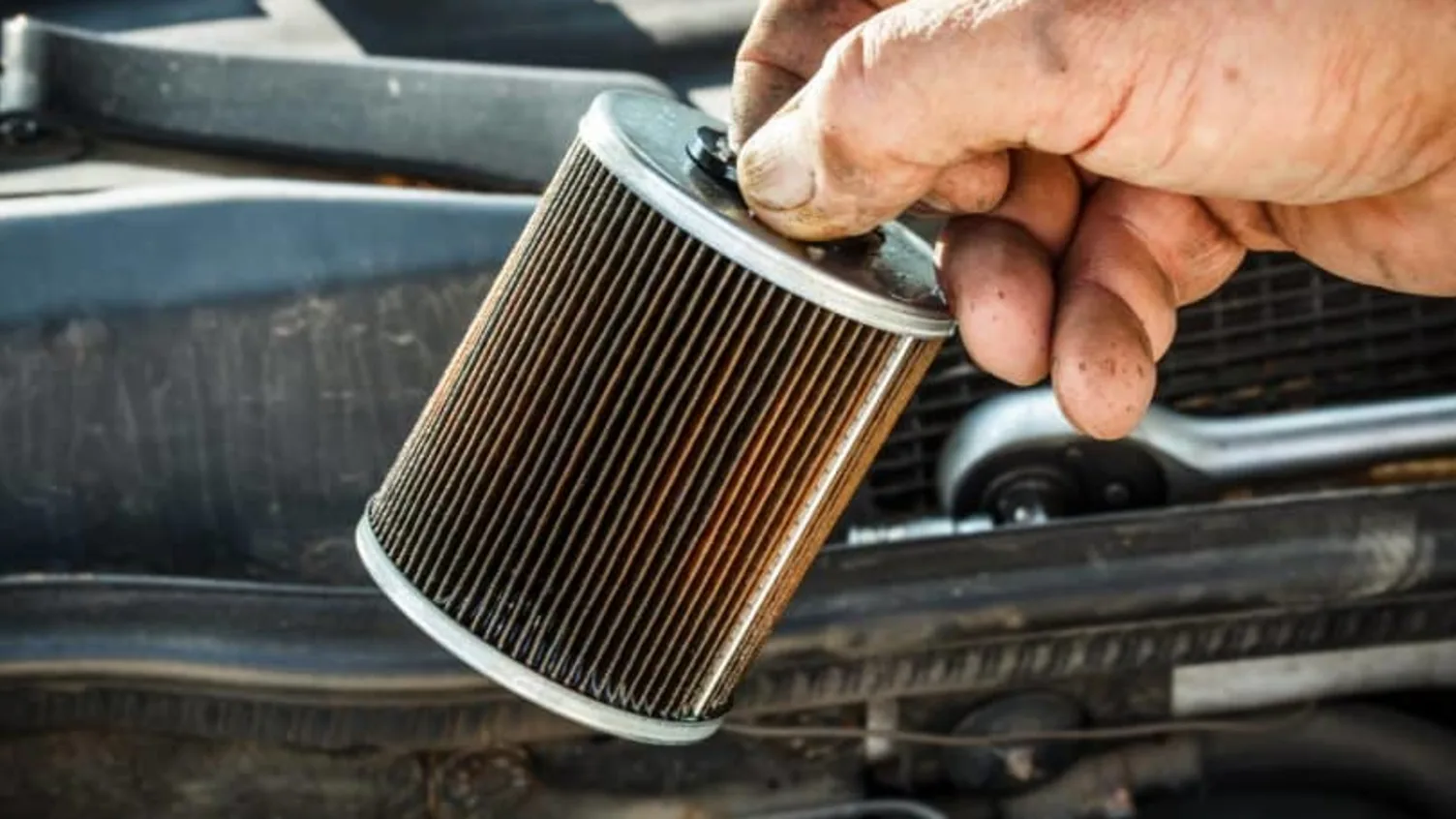
Start by finding the fuel filter under your vehicle or in the engine bay. Look for any cracks, rust, or leaks on the filter body. Check the fuel lines connected to the filter for damage or wear. A dirty or clogged filter may look dark or dirty inside. If the filter looks bad, it might be time to replace it.
Using Diagnostic Tools
Some cars have sensors to monitor fuel flow. A diagnostic scanner can read error codes from the car’s computer. Codes related to fuel pressure or engine performance can point to a bad filter. Mechanics often use pressure gauges to check fuel flow through the filter. Low pressure means the filter could be clogged and needs changing.
Replacing The Fuel Filter
Replacing the fuel filter is an important part of car maintenance. It keeps dirt and debris from reaching the engine. A clean fuel filter helps the engine run smoothly and saves fuel. Over time, the filter gets clogged and needs to be changed. Knowing how to replace it can save time and money.
Diy Vs Professional Service
Some people choose to change the fuel filter themselves. This can be cheaper and faster. Basic tools and a new filter are needed. But, it may be tricky for beginners. Mistakes can cause leaks or damage.
Professional service offers safety and skill. Mechanics have the right tools and experience. They check the whole fuel system too. This service costs more but reduces risks. Choose what fits your skills and budget.
Step-by-step Replacement Process
First, locate the fuel filter. It is usually near the fuel tank or engine. Next, relieve fuel system pressure. This stops fuel from spraying out. Then, disconnect the fuel lines carefully.
Remove the old filter and note its position. Install the new filter the same way. Reconnect the fuel lines tightly. Finally, start the engine and check for leaks. Replace the filter every 20,000 to 40,000 miles for best results.
Consequences Of Delayed Replacement
Delaying the replacement of your fuel filter can cause many problems for your vehicle. The fuel filter keeps dirt and debris out of the engine. Over time, it gets clogged and stops working well. This can affect your car’s performance and cause serious damage.
Engine Damage Risks
A clogged fuel filter limits fuel flow to the engine. This forces the engine to work harder. The engine may misfire or stall often. Dirt and debris can pass through a damaged filter. These particles can harm the engine parts. Repairing engine damage can be costly and time-consuming.
Reduced Fuel Economy
A dirty fuel filter reduces fuel efficiency. The engine uses more fuel to run. You will spend more money on gas. Poor fuel flow also lowers engine power. Your car may feel slow or weak during drives. Replacing the filter keeps fuel use steady and saves money.
Tips For Maintaining Fuel System Health
Maintaining the health of your fuel system is key to keeping your vehicle running smoothly. A clean and well-maintained fuel system improves engine performance and saves money on repairs. Simple habits can help avoid fuel system problems and extend the life of your fuel filter.
Using Quality Fuel
Always choose fuel from trusted stations. Low-quality fuel can contain dirt and water. These impurities clog the fuel filter quickly. Clean fuel keeps the injectors and engine parts safe. Avoid cheap fuel that may harm your engine over time.
Regular Maintenance Checks
Check your fuel system regularly. Look for leaks, cracks, or damage in fuel lines. Replace the fuel filter as recommended by your vehicle’s manual. Regular inspections catch problems early. This prevents costly repairs and keeps your car running well.

Credit: www.mercedesbenzportland.com
Frequently Asked Questions
How Often Should You Change Your Fuel Filter?
Most manufacturers recommend changing the fuel filter every 20,000 to 40,000 miles. Check your owner’s manual for exact intervals. Regular replacement ensures optimal engine performance and fuel efficiency.
What Are Signs Of A Clogged Fuel Filter?
Symptoms include engine misfires, poor acceleration, and difficulty starting. A clogged fuel filter restricts fuel flow, causing these issues. Timely replacement prevents engine damage and maintains smooth operation.
Can A Dirty Fuel Filter Affect Fuel Economy?
Yes, a dirty fuel filter reduces fuel flow, forcing the engine to work harder. This lowers fuel efficiency and increases emissions. Replacing the filter helps maintain optimal fuel economy and performance.
Is Fuel Filter Replacement Necessary For Diesel Engines?
Absolutely. Diesel engines rely heavily on clean fuel. A clogged filter can cause severe engine damage. Regular replacement keeps the fuel system clean and prolongs engine life.
Conclusion
Changing your fuel filter regularly keeps your engine running smooth. Dirt and debris can clog the filter and slow your car down. Most experts suggest changing it every 20,000 to 40,000 miles. Check your car’s manual for the exact timing.
Clean fuel filters help save fuel and prevent costly repairs. Don’t wait for problems to start. A small step like this can make a big difference. Keep your car healthy and enjoy better performance on the road. Simple care goes a long way.


