

If you drive a diesel vehicle, one question you might often wonder about is how often you should change your fuel filter. This small part plays a big role in keeping your engine running smoothly.
Ignoring it can lead to poor performance, costly repairs, or even a breakdown when you least expect it. You’ll discover the simple signs to watch for and the best schedule to keep your diesel engine healthy. Keep reading to protect your investment and avoid unnecessary hassles on the road.
Credit: bostechauto.com
Fuel Filter Role
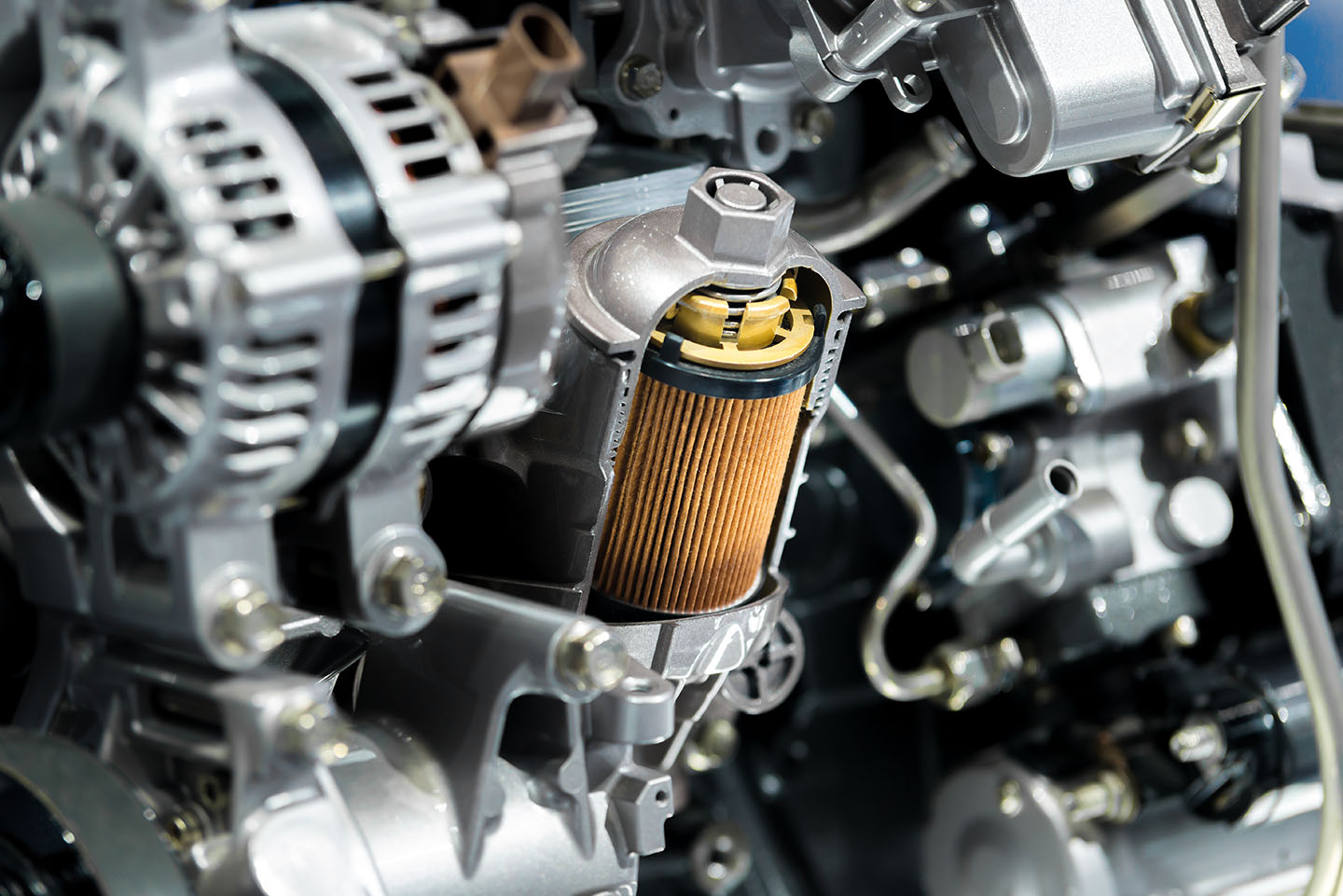
The fuel filter plays a critical role in diesel engines. It cleans the fuel before it reaches the engine. This helps keep the engine running smoothly and avoids damage. Understanding the fuel filter’s role is key to knowing why regular changes matter.
Purpose In Diesel Engines
The fuel filter traps dirt, rust, and other particles. Diesel fuel often contains impurities that can harm engine parts. The filter stops these contaminants from entering the fuel injectors. Clean fuel ensures better combustion and prevents engine wear.
Impact On Performance
A clogged fuel filter reduces fuel flow to the engine. This can cause poor engine starts and reduced power. Dirty filters may lead to rough idling and lower fuel efficiency. Changing the filter keeps the engine running strong and reliable.
Credit: www.bigboxcars.com.au
Signs To Replace
Knowing the signs that show your diesel fuel filter needs changing helps keep your engine healthy. A clogged or dirty fuel filter can cause problems that affect your vehicle’s performance. Watch for these clear signals to replace the filter and avoid bigger issues.
Engine Performance Issues
The engine may run rough or stall often. You might notice a loss of power during acceleration. Starting the engine could take longer than usual. These problems happen because the fuel filter blocks dirt and debris. A dirty filter restricts fuel flow, causing poor engine performance.
Fuel Efficiency Drop
Your diesel engine uses more fuel than before. You may see fewer miles per gallon on your trip. A clogged fuel filter forces the engine to work harder. This extra effort increases fuel consumption and lowers efficiency. Changing the fuel filter helps save fuel and money.
Visible Contamination
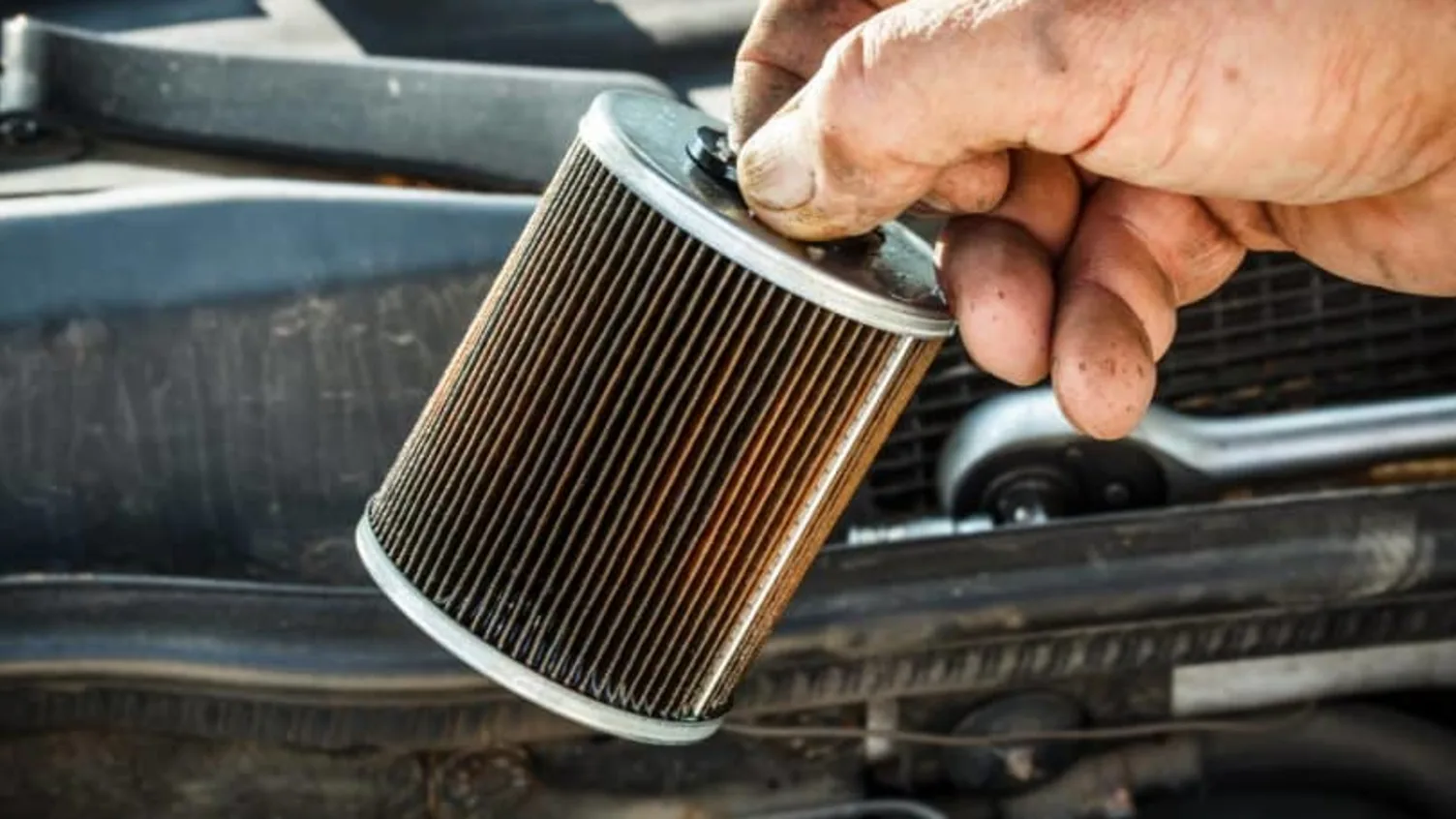
Check the fuel filter for dirt or sludge build-up. Some filters have a clear bowl or casing for easy inspection. Dark or cloudy fuel inside the filter means it is dirty. Visible contamination signals the filter cannot clean fuel properly. Replace it quickly to protect your engine.
Recommended Intervals
Knowing the right time to change your diesel fuel filter is key to keeping your engine healthy. Changing it too late can cause problems. Changing it too soon wastes money. Recommended intervals help you find the right balance. These intervals depend on several factors.
Manufacturer Guidelines
Each diesel vehicle has specific instructions. Manufacturers suggest changing the fuel filter after a certain number of miles. This number usually ranges from 15,000 to 30,000 miles. Check your owner’s manual for exact details. Follow these guidelines to avoid engine issues. Using the manufacturer’s advice keeps your warranty valid.
Driving Conditions Influence
Driving style and environment affect filter life. Dusty roads or rough terrain clog filters faster. Short trips where the engine does not fully warm up also cause faster wear. Heavy towing or frequent stop-and-go traffic adds strain. Change the fuel filter more often in these cases. Adjust the schedule based on how and where you drive.
Credit: boodmo.com
Replacement Process
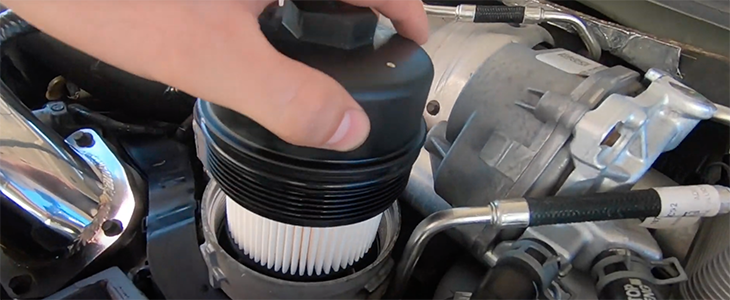
The replacement process of a diesel fuel filter is simple but requires care. Changing the filter helps keep the engine clean. It stops dirt and water from damaging fuel injectors. Regular replacement improves engine life and performance.
Follow the steps closely to avoid mistakes. Use the right tools and work safely. This guide makes the process easy for anyone.
Tools Needed
- New diesel fuel filter
- Wrench or socket set
- Screwdriver
- Drain pan
- Gloves
- Rags or paper towels
- Fuel line clamps (optional)
Step-by-step Guide
- Park your vehicle on a flat surface and turn off the engine.
- Locate the fuel filter under the hood or near the fuel tank.
- Place the drain pan below the filter to catch spilled fuel.
- Loosen the clamps or bolts holding the fuel filter.
- Carefully remove the old filter from the fuel lines.
- Check the new filter for any defects before installation.
- Install the new filter in the same direction as the old one.
- Tighten clamps or bolts securely to avoid leaks.
- Start the engine and check for leaks around the filter.
- Dispose of the old filter properly according to local rules.
Safety Tips
- Wear gloves to protect your hands from fuel.
- Work in a well-ventilated area to avoid fumes.
- Keep fire sources away from fuel and tools.
- Have a fire extinguisher nearby just in case.
- Clean spills immediately to prevent slipping or fire.
- Do not smoke or use open flames near the work area.
- Make sure the engine is cool before starting.
Common Mistakes
Changing the fuel filter on a diesel engine is crucial for its health. Many people make mistakes that damage the engine or reduce performance. Knowing these common errors helps you avoid them and keep your engine running smoothly.
Ignoring Early Signs
Dirty fuel filters cause slow engine start and poor power. Some drivers ignore these signs. Waiting too long to replace the filter lets dirt block fuel flow. This can harm the engine and cause costly repairs.
Using Low-quality Filters
Cheap filters may save money at first. They do not clean fuel well. Low-quality filters break down faster and let dirt pass through. Using good filters protects the engine and lasts longer.
Improper Installation
Installing a fuel filter wrong causes leaks and poor fuel flow. Some people do not tighten fittings or place the filter backward. Careful installation ensures the filter works well and avoids damage.
Maintenance Tips
Maintaining the fuel filter in a diesel engine is key for smooth performance. Proper care helps avoid engine problems and costly repairs. Follow simple tips to keep the fuel system clean and efficient.
Regular Inspections
Check the fuel filter regularly. Look for dirt, water, or damage. Early detection stops blockages and fuel flow issues. Inspect every 5,000 to 7,000 miles or as your vehicle manual suggests. Keep an eye on warning lights and unusual engine sounds. Clean or replace the filter promptly to protect the engine.
Fuel Quality Importance
Use clean, high-quality diesel fuel. Poor fuel clogs the filter faster. Contaminants like dirt and water cause engine wear. Avoid cheap or unknown fuel sources. Store diesel in clean containers. Good fuel keeps the filter working longer and improves engine health.
Benefits Of Timely Change
Changing the fuel filter on time brings many benefits. It keeps your diesel engine running well. It helps avoid costly repairs. A clean fuel filter ensures the engine gets clean fuel. This improves performance and saves money in the long run.
Engine Longevity
A clean fuel filter protects the engine parts. Dirt and debris can damage the engine if not filtered. Changing the filter stops harmful particles from entering the engine. This reduces wear and tear. The engine lasts longer and works better.
Improved Fuel Economy
A clogged fuel filter slows down fuel flow. This makes the engine work harder. The engine then uses more fuel. Changing the fuel filter improves fuel flow. The engine runs smoothly and uses less fuel. This saves money at the pump.
Reduced Emissions
Dirty fuel filters cause incomplete fuel burning. This leads to more harmful smoke and gases. A clean filter helps the engine burn fuel fully. This lowers harmful emissions from the exhaust. It helps protect the environment and keeps air cleaner.
Frequently Asked Questions
How Often Should You Change A Diesel Fuel Filter?
Typically, change the diesel fuel filter every 20,000 to 30,000 miles. Check your vehicle’s manual for exact intervals. Regular changes prevent clogging and maintain engine efficiency.
What Are Signs Of A Clogged Diesel Fuel Filter?
Common signs include engine misfires, reduced power, rough idling, and poor fuel economy. If you notice these, inspect or replace the fuel filter promptly.
Can A Dirty Fuel Filter Damage A Diesel Engine?
Yes, a dirty fuel filter restricts fuel flow, causing engine strain. It can lead to poor performance, increased wear, and potential engine damage if ignored.
Is It Necessary To Use Oem Fuel Filters For Diesel Engines?
Using OEM or high-quality filters ensures proper fit and filtration. It protects the engine from contaminants and maintains optimal performance and fuel efficiency.
Conclusion
Changing your diesel fuel filter regularly keeps your engine healthy. Dirty filters block fuel and cause poor performance. Most experts suggest changing it every 10,000 to 15,000 miles. Check your vehicle’s manual for exact advice. Clean fuel filters help save money on repairs.
Don’t wait for signs like engine trouble or low power. A simple filter change can prevent big problems. Keep your diesel running smooth and strong. Small care makes a big difference. Stay on schedule and enjoy trouble-free driving.


