

Have you ever wondered how often your fuel filter needs changing? Ignoring this small but crucial part can lead to bigger problems for your car.
Your engine depends on clean fuel to run smoothly, and a clogged fuel filter can slow you down or even leave you stranded. You’ll discover the signs that your fuel filter needs attention, how often you should replace it, and why keeping it clean saves you time and money.
Keep reading to protect your ride and avoid costly repairs.
Fuel Filter Basics
Understanding fuel filter basics helps keep your vehicle running smoothly. The fuel filter protects your engine by cleaning the fuel before it reaches the engine parts. Clean fuel means better engine performance and longer engine life.
Fuel filters need regular checks and replacements. Knowing their purpose and types makes this task easier. This knowledge helps avoid engine problems and costly repairs.
Purpose Of A Fuel Filter
The fuel filter removes dirt, rust, and debris from the fuel. These impurities can damage the engine if not filtered out. A clean fuel filter ensures fuel flows freely to the engine. This helps maintain good fuel efficiency and engine power. Without a fuel filter, the engine can clog and fail.
Types Of Fuel Filters
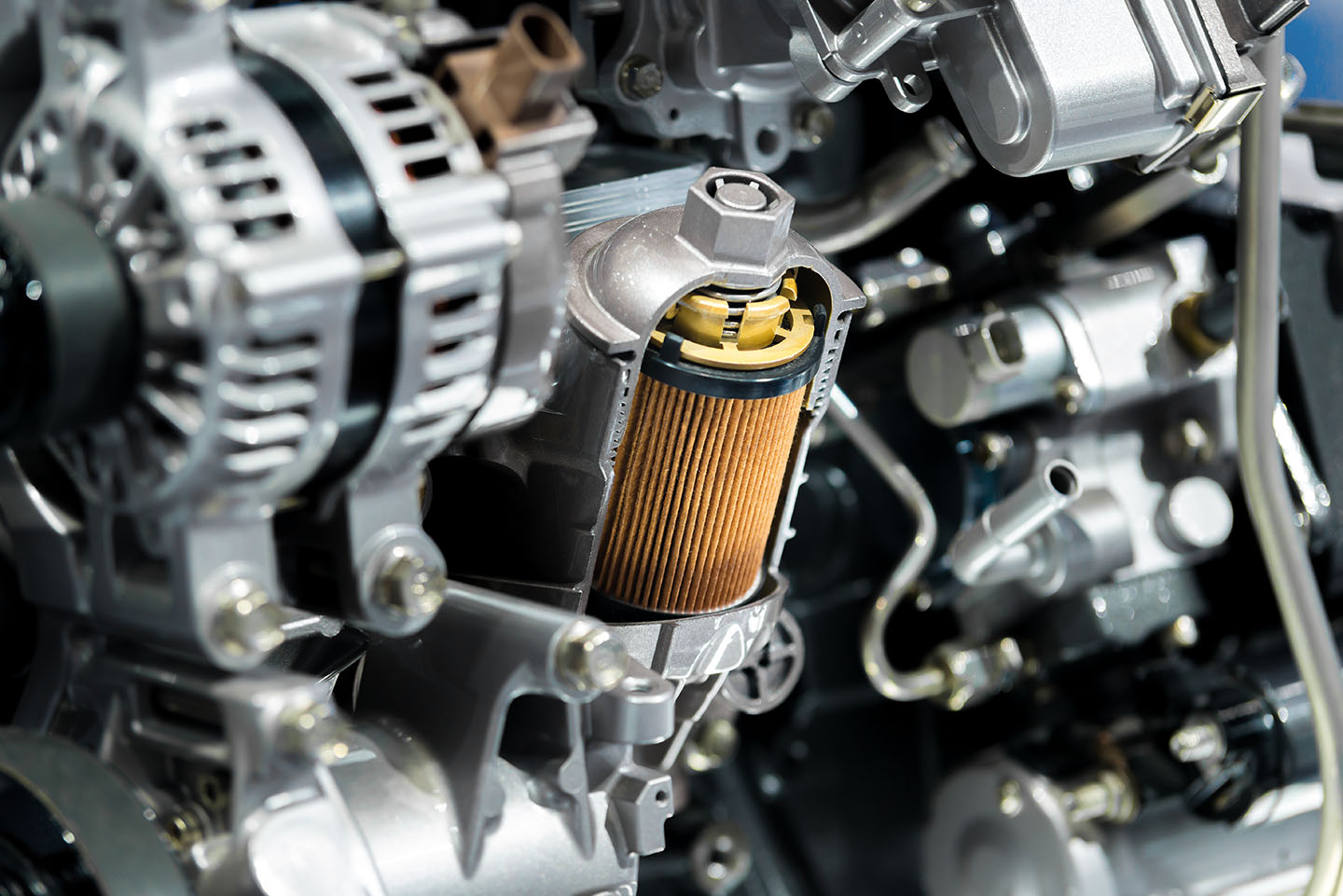
There are several types of fuel filters used in vehicles. The most common are cartridge, spin-on, and in-line fuel filters. Cartridge filters fit inside a housing and are replaced by changing the cartridge. Spin-on filters look like oil filters and twist off for replacement. In-line filters are placed along the fuel line and are easy to replace. Each type does the same job but fits different vehicle designs.

Credit: kbmotorsports.biz
Signs Of A Clogged Fuel Filter
A clogged fuel filter can cause several problems in your car’s engine. It blocks the flow of fuel, making the engine work harder. Recognizing the signs early helps avoid costly repairs and keeps your car running smoothly.
Engine Performance Issues
The engine may hesitate or stall during driving. You might feel a loss of power, especially going uphill. Rough idling or misfires can also occur. These issues happen because the engine doesn’t get enough fuel.
Fuel Efficiency Drops
Your car may use more fuel than usual. A clogged filter forces the engine to work harder, burning more gas. You will notice you fill the tank more often. This drop in fuel economy signals a fuel flow problem.
Starting Problems
The engine may crank but not start easily. Sometimes it takes several tries to get the engine running. A clogged filter limits fuel supply at startup. This makes starting slow or difficult, especially in cold weather.
Recommended Replacement Intervals
Knowing the right time to change your fuel filter helps keep your car running well. The fuel filter stops dirt and rust from entering the engine. Over time, it gets clogged and needs replacement. Checking the recommended replacement intervals saves you from costly repairs and poor engine performance.
Manufacturer Guidelines
Car makers give specific advice on fuel filter changes. These instructions appear in the owner’s manual. Most suggest replacing the fuel filter every 20,000 to 40,000 miles. Some modern vehicles have filters that last up to 60,000 miles. Following these guidelines ensures your engine stays clean and efficient.
Factors Affecting Replacement Frequency
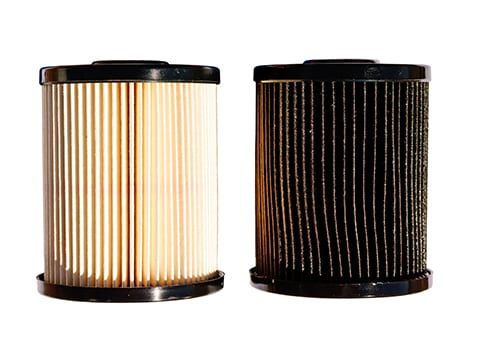
Different things change how often you need a new fuel filter. Driving in dusty or dirty areas clogs the filter faster. Using low-quality fuel can also cause buildup inside the filter. Short trips and stop-and-go traffic strain the fuel system more. Regular checks help spot problems early and keep your car healthy.
Credit: bostechauto.com
Impact Of Driving Conditions
Driving conditions play a big role in how often you should change your fuel filter. Different roads and fuel types affect the filter’s performance. Dirt, dust, and debris can clog the filter faster in some situations. Understanding these factors helps keep your engine healthy and running smoothly.
City Vs Highway Driving
City driving causes more stress on the fuel filter than highway driving. Stop-and-go traffic means the engine works harder. More engine idling lets dirt and particles build up. Short trips may not burn all fuel, leaving residue behind. Highway driving usually means steady speeds and less strain. The filter stays cleaner longer on highways. Changing the fuel filter more often in city driving is wise.
Fuel Quality Influence
Fuel quality affects how fast the filter clogs. Poor quality fuel has more impurities and dirt. These particles get trapped in the fuel filter. Using low-grade fuel can shorten filter life. High-quality fuel keeps the filter cleaner. Always choose good fuel to protect your engine. Changing the filter more often is needed with bad fuel.
Diy Vs Professional Replacement
Deciding between doing a fuel filter replacement yourself or hiring a professional depends on several factors. Your comfort with car repairs, the tools you have, and the complexity of your vehicle’s fuel system all matter. Both options have pros and cons. Doing it yourself can save money but requires careful steps. Professional help costs more but offers safety and expertise.
Steps For Diy Replacement
Start by locating the fuel filter in your vehicle. It is usually near the fuel tank or engine. Make sure the engine is off and cool before you begin. Relieve the fuel system pressure to avoid spills. Use the right tools to disconnect the fuel lines carefully. Remove the old filter and install the new one in the correct direction. Tighten connections securely to prevent leaks. Check for fuel leaks after replacement. Dispose of the old filter properly. Always wear gloves and eye protection for safety.
When To Seek Professional Help
Seek professional help if you feel unsure about the process. Complex fuel systems or hard-to-reach filters require expert skills. Fuel leaks can be dangerous and cause fire risks. Professionals have the right tools and knowledge for safe removal and installation. They can also inspect related parts for damage. If your vehicle is under warranty, professional service may be required. Avoid risks that can cause costly repairs or harm. Trust experts to handle fuel filter replacement safely and correctly.
Consequences Of Neglecting Fuel Filter Maintenance
Neglecting fuel filter maintenance can cause serious problems for your vehicle. The fuel filter stops dirt and debris from reaching the engine. Over time, the filter gets clogged and loses its ability to protect the engine. This leads to poor engine performance and costly repairs. Knowing the risks helps you avoid damage and save money.
Engine Damage Risks
A dirty fuel filter can reduce fuel flow to the engine. This makes the engine run rough or stall. Poor fuel flow can cause the engine to overheat. Overheating leads to severe engine damage. Small particles can reach the engine and cause wear. This damages important parts like fuel injectors and cylinders. Ignoring the fuel filter can shorten engine life.
Increased Repair Costs
Replacing a fuel filter is cheap and easy. Ignoring it can cause bigger problems. Engine repairs due to fuel issues cost much more. Fuel injector replacement or engine overhaul is expensive. Repair shops charge high fees for these fixes. Regular fuel filter changes help avoid these costs. Spending a little on maintenance saves a lot in repairs.
Tips To Extend Fuel Filter Life
Extending the life of your fuel filter helps save money and keeps your engine running smoothly. A well-maintained fuel filter prevents dirt and debris from reaching the engine. This reduces wear and tear and improves fuel efficiency. Here are some simple tips to help your fuel filter last longer.
Using Quality Fuel
Fuel quality directly affects the fuel filter’s lifespan. Poor-quality fuel contains more dirt and impurities. These particles clog the filter faster. Always choose fuel from reputable stations. Clean fuel reduces the strain on the filter. It also protects your engine from damage.
Regular Vehicle Checkups
Routine checkups catch issues before they worsen. Mechanics inspect the fuel system during service visits. They can identify early signs of filter clogging. Timely filter cleaning or replacement prevents engine problems. Regular checks ensure your vehicle runs efficiently. They also help maintain the fuel filter’s condition longer.
Credit: www.waynesautocenter.com
Frequently Asked Questions
How Often Should A Fuel Filter Be Changed?
Typically, fuel filters should be changed every 20,000 to 40,000 miles. Check your vehicle’s manual for exact intervals. Regular replacement prevents dirt buildup, ensuring optimal engine performance and fuel efficiency.
What Are Signs Of A Clogged Fuel Filter?
Signs include engine misfires, difficulty starting, reduced power, and stalling. If your vehicle shows these symptoms, inspect or replace the fuel filter promptly to avoid engine damage.
Can A Dirty Fuel Filter Affect Fuel Economy?
Yes, a clogged fuel filter restricts fuel flow, causing poor combustion. This leads to reduced fuel efficiency and increased emissions. Timely filter changes help maintain better mileage.
Does Driving Condition Affect Fuel Filter Lifespan?
Yes, dusty or rough driving conditions clog filters faster. Frequent short trips and poor fuel quality also reduce filter lifespan. Adjust replacement frequency based on your driving environment.
Conclusion
Changing your fuel filter regularly keeps your engine clean and running well. Most experts suggest replacing it every 20,000 to 40,000 miles. Dirt and debris can clog the filter over time and reduce fuel flow. A clean fuel filter helps improve gas mileage and prevents engine problems.
Check your vehicle’s manual for exact recommendations. Don’t wait for symptoms like rough idling or poor acceleration. Staying on schedule saves money and avoids costly repairs. Simple maintenance keeps your car healthy and drives smoothly.


