

You rely on your diesel engine every day, so keeping it running smoothly is key. One simple part plays a big role in protecting your engine: the fuel filter.
But how often should you change the fuel filter on your diesel vehicle? If you’re unsure, you’re not alone. Changing it at the right time can save you from costly repairs and keep your engine performing at its best. You’ll discover the signs to watch for and the best schedule to follow.
Keep reading to make sure your diesel engine gets the care it deserves.
Role Of A Diesel Fuel Filter
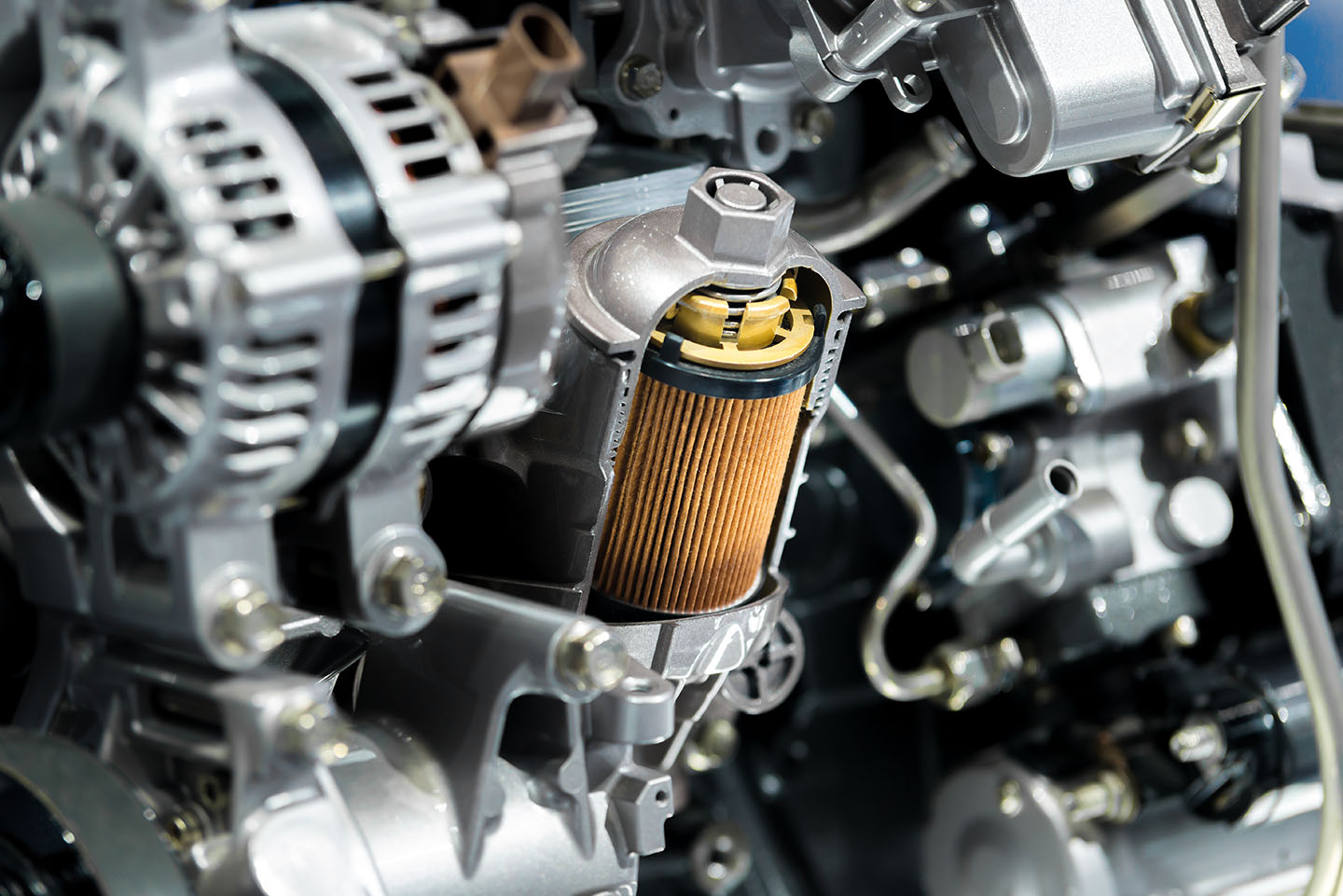
The diesel fuel filter plays a key role in keeping your engine healthy. It cleans the fuel before it reaches the engine parts. This helps the engine run smoothly and last longer. Knowing its role helps you understand why changing it regularly is important.
Filtering Contaminants
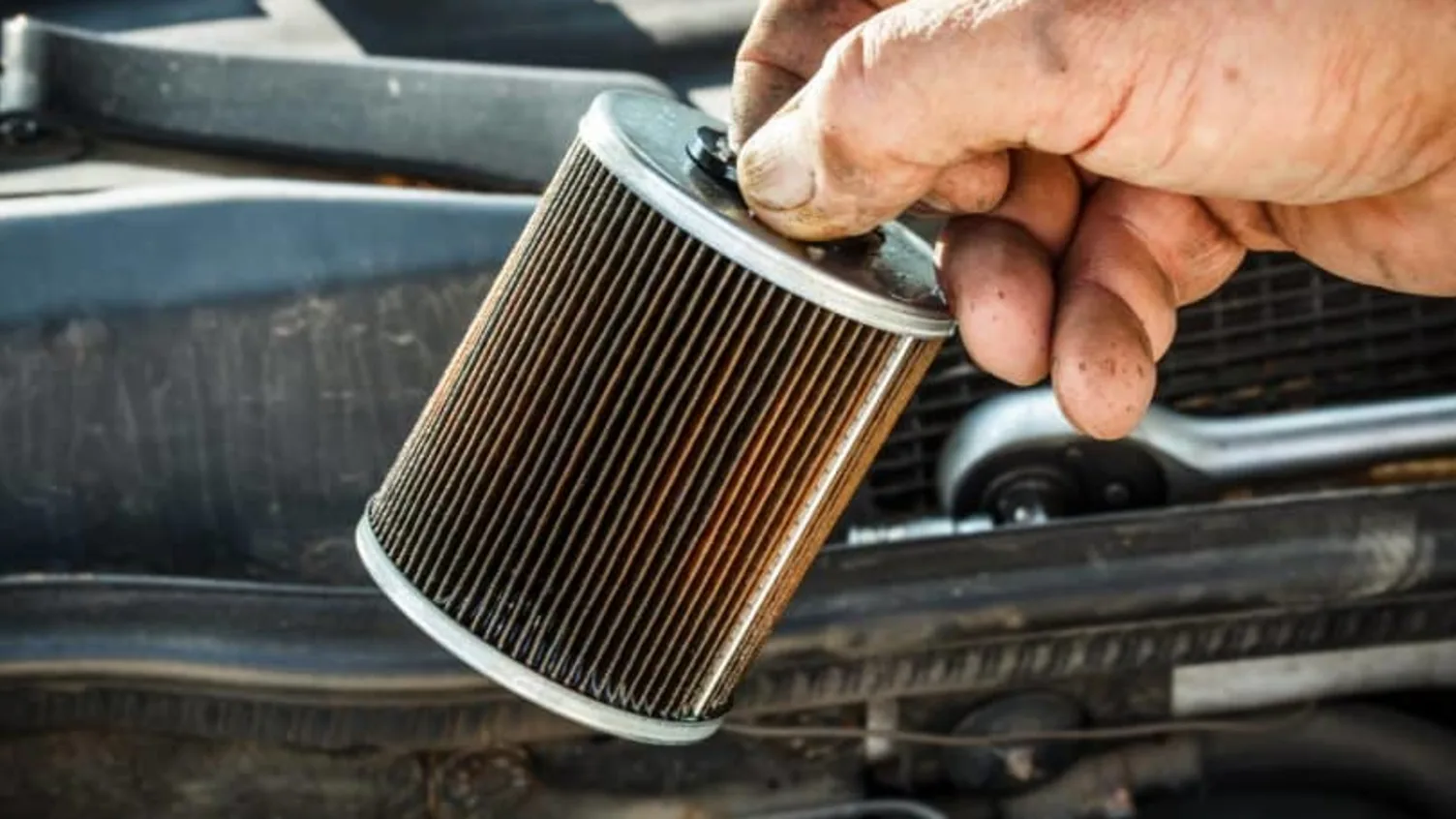
The fuel filter removes dirt, rust, and other small particles from the diesel fuel. These contaminants can enter the fuel tank through the air or during refueling. If not filtered out, they can block fuel injectors or damage engine parts. Clean fuel means better engine performance and fewer breakdowns.
Protecting Engine Components
The fuel filter protects vital engine parts from harm. Dirty fuel can cause wear and tear on the fuel pump and injectors. This leads to costly repairs and poor engine efficiency. A good fuel filter keeps these parts safe by catching harmful debris early.
Credit: www.bigboxcars.com.au
Signs Of A Clogged Fuel Filter
A clogged fuel filter in a diesel engine causes many problems. It blocks the flow of fuel, making the engine work harder. Recognizing the signs early can save you from costly repairs. Watch for changes in how your engine runs. Notice any unusual behavior or sounds. These hints show your fuel filter might need changing soon.
Reduced Engine Performance
Your engine may lose power and feel weak. It struggles to reach higher speeds or climb hills. The car might hesitate or jerk during acceleration. Fuel flow is limited, so the engine can’t work well. This drop in performance signals a clogged filter.
Difficulty Starting
Starting your diesel engine takes longer than usual. The engine may crank but fail to start right away. You might hear the starter working hard with no success. Fuel supply is not steady, causing delays in ignition. This issue often points to a blocked fuel filter.
Unusual Engine Noises
Listen for strange sounds from the engine area. Whining, sputtering, or knocking noises can occur. These noises happen when fuel flow is uneven. The engine struggles to get enough fuel to run smoothly. Such sounds warn of a clogged fuel filter needing attention.
Recommended Replacement Intervals
Knowing the right time to change your diesel fuel filter keeps your engine healthy. Regular replacement stops dirt and water from damaging the fuel system. Changing it too late can cause poor engine performance or damage. Follow clear guidelines to maintain your vehicle’s power and efficiency.
Manufacturer Guidelines
Check your vehicle’s manual for fuel filter change intervals. Most diesel engines suggest changing the filter every 20,000 to 40,000 miles. Some models need replacement more often, depending on the design. Stick to the schedule to avoid filter clogging and engine issues. Using the manufacturer’s advice helps protect your engine and saves repair costs.
Impact Of Driving Conditions
Driving in dusty or dirty environments clogs filters faster. Short trips and stop-and-go traffic can also affect filter life. If you drive in tough conditions, change the fuel filter more often than usual. Clean fuel keeps the engine running smoothly, especially in harsh environments. Adjust your maintenance routine based on where and how you drive.
Credit: bostechauto.com
Factors Affecting Fuel Filter Life
The life of a fuel filter in a diesel engine depends on many factors. Understanding these helps to know how often to change it. A fuel filter keeps dirt and water from entering the engine. Over time, these contaminants clog the filter, reducing engine performance. Different conditions affect how fast this happens.
Fuel Quality
Poor fuel quality can clog the filter quickly. Dirt, rust, and water often mix with low-grade diesel. Cleaner fuel means a longer filter life. Using fuel from trusted sources helps protect the filter.
Climate And Environment
Cold climates cause diesel to gel and clog filters. Dusty or sandy environments fill the fuel with more particles. Hot climates can cause fuel to degrade faster. These conditions make the filter work harder and wear out sooner.
Vehicle Usage Patterns
Short trips do not allow the engine to warm fully. This can cause more water buildup in the fuel system. Frequent heavy loads or towing increase fuel flow and dirt intake. Vehicles driven mainly in city traffic may need filter changes more often than highway drivers.
Steps To Change A Diesel Fuel Filter
Changing a diesel fuel filter is a key part of vehicle care. It keeps your engine clean and running well. The process is simple and can be done with basic tools. Follow these steps to change your diesel fuel filter safely and correctly.
Gathering Tools And Materials
Start by collecting all needed tools and materials. You will need a new fuel filter made for diesel engines. Prepare a wrench or filter removal tool. Also, have a container ready to catch any spilled fuel. Gloves and rags are helpful to keep clean.
Removing The Old Filter
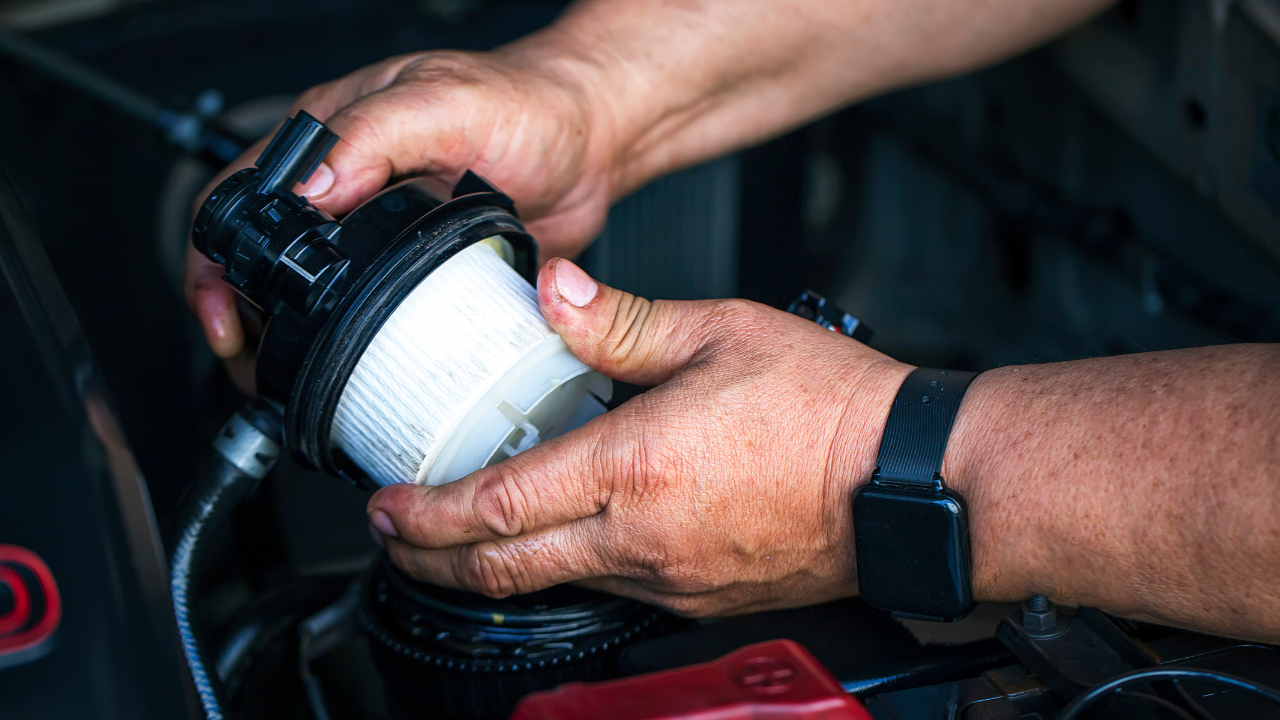
Turn off the engine and wait for it to cool. Locate the fuel filter, usually near the fuel tank or engine. Use the wrench to loosen the filter carefully. Be ready for some fuel to spill out. Remove the old filter and dispose of it safely.
Installing The New Filter
Check the new filter for damage before installing. Apply a little clean diesel or oil to the filter gasket. This helps create a good seal. Screw the new filter in place by hand. Tighten it securely but do not over-tighten.
Bleeding Air From The System
Air in the fuel system can cause engine problems. Locate the bleed screw near the filter. Open it slightly and pump the fuel primer or hand pump. Close the screw once fuel flows without bubbles. Start the engine and check for smooth running.
Diy Vs Professional Replacement
Deciding between DIY and professional replacement of your diesel fuel filter can affect your vehicle’s performance. Changing the fuel filter regularly is important. It keeps the engine clean and running smoothly. Both DIY and professional options have pros and cons. Understanding these helps you make the right choice for your needs.
Benefits Of Diy
Doing the job yourself saves money on labor costs. You learn more about your vehicle’s parts and how they work. It can be done at your own pace and convenience. Basic tools are usually enough for the job. DIY replacement helps you spot other engine issues early. Many guides and videos make the process easy to follow. It gives a sense of accomplishment and control over maintenance.
When To Seek Professional Help
Some fuel filter replacements need special tools and skills. Professionals have the right equipment and experience. They can spot problems you might miss. Incorrect installation can cause engine damage. Professionals ensure proper disposal of old fuel filters. If your vehicle still has issues after replacement, experts can diagnose them. Complex systems and tight spaces often need a mechanic’s touch. Using a professional avoids risks and saves time in the long run.
Consequences Of Neglecting Fuel Filter Changes
Neglecting to change the fuel filter in a diesel engine can cause serious problems. The fuel filter keeps dirt and debris out of the engine. Over time, it gets clogged and stops working properly. This leads to several issues that affect your vehicle’s performance and lifespan.
Engine Damage Risks
A dirty fuel filter allows contaminants into the engine. These particles can damage fuel injectors and other parts. This causes poor engine performance and costly repairs. In severe cases, the engine may stop working completely.
Reduced Fuel Efficiency
A clogged fuel filter makes the engine work harder. This uses more fuel than normal. As a result, your vehicle’s fuel efficiency drops. You will spend more money on fuel over time.
Increased Emissions
When the fuel filter is blocked, the engine burns fuel less cleanly. This creates more harmful emissions. Higher emissions can damage the environment and fail emissions tests. Keeping the fuel filter clean helps reduce pollution.
Tips For Extending Fuel Filter Life
Extending the life of your diesel fuel filter saves money and prevents engine problems. A clean fuel filter ensures smooth engine performance. It stops dirt and water from reaching the engine. Follow simple tips to keep your fuel filter working longer.
Using Quality Fuel
Always fill your tank with clean, high-quality diesel. Low-quality fuel contains more dirt and water. These contaminants clog the fuel filter faster. Choose fuel from trusted stations. Clean fuel reduces filter wear and engine damage.
Regular Maintenance Checks
Check your fuel filter regularly for signs of dirt and clogging. Replace the filter if you notice poor engine performance or strange noises. Follow your vehicle’s service schedule. Timely checks prevent filter failure and costly repairs.
Credit: universalautospares.com.au
Frequently Asked Questions
How Often Should I Change Diesel Fuel Filters?
Diesel fuel filters should be changed every 10,000 to 25,000 miles. Check your vehicle manual for exact intervals. Regular changes prevent clogging and engine damage.
What Are Signs Of A Clogged Diesel Fuel Filter?
Signs include engine misfires, reduced power, hard starting, and poor fuel efficiency. If you notice these, inspect or replace the fuel filter immediately.
Can A Dirty Fuel Filter Damage My Diesel Engine?
Yes, a dirty fuel filter restricts fuel flow and causes engine strain. This can lead to injector damage and costly repairs.
Does Fuel Quality Affect Fuel Filter Lifespan?
Poor fuel quality with contaminants clogs filters faster. Using clean, high-quality diesel extends the fuel filter’s lifespan and protects your engine.
Conclusion
Changing your diesel fuel filter regularly keeps your engine running well. It helps avoid clogs and engine problems. Most experts suggest changing it every 10,000 to 15,000 miles. But check your vehicle’s manual for exact advice. Clean fuel means better performance and longer engine life.
Don’t wait for warning signs. Stay ahead with timely fuel filter changes. Your diesel engine will thank you with smoother rides and fewer repairs. Simple steps can save you time and money. Keep your truck or car healthy and strong.


