

Have you ever wondered how often you should change your fuel filter? It might seem like a small part, but your fuel filter plays a big role in keeping your engine running smoothly.
If it gets clogged, your car can lose power, waste fuel, or even break down. Knowing when to replace it can save you from costly repairs and keep your ride smooth and efficient. You’ll discover the signs to watch for, the recommended replacement schedule, and simple tips to keep your fuel system in top shape.
Keep reading—you’ll be glad you did!
Credit: www.waynesautocenter.com
Role Of A Fuel Filter
The fuel filter plays a vital role in keeping your vehicle running smoothly. It cleans the fuel before it reaches the engine. Without a clean fuel filter, dirt and debris can cause serious damage. This small part works hard to protect important engine components. Understanding its role helps explain why regular changes matter.
Filtering Contaminants
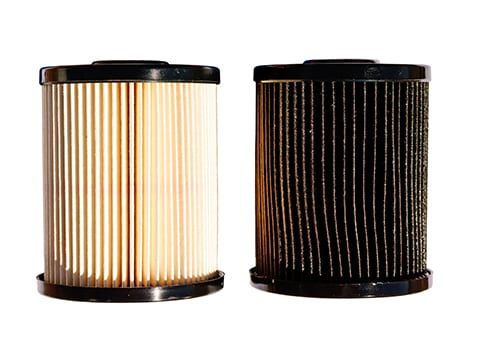
The fuel filter traps dirt, rust, and other impurities in the fuel. These contaminants can come from old fuel tanks or poor-quality fuel. The filter stops these particles from entering the engine. Clean fuel means better engine performance and less wear over time. A clogged filter reduces fuel flow, causing engine problems.
Protecting Engine Components
The fuel filter protects parts like fuel injectors and the carburetor. These parts are sensitive and can get damaged by dirt. Damage leads to costly repairs and poor fuel efficiency. A clean filter helps the engine work efficiently and last longer. Changing the fuel filter regularly keeps these parts safe and your car running well.
Signs Of A Clogged Fuel Filter
A clogged fuel filter can cause several issues in your vehicle. It blocks the flow of fuel to the engine. This leads to poor performance and other problems. Recognizing the signs early helps avoid costly repairs and keeps your car running smoothly.
Engine Performance Issues
A dirty fuel filter reduces fuel flow to the engine. This causes the engine to run rough or stall. You may notice hesitation during acceleration. The engine might also misfire or lose power. These problems often point to a clogged fuel filter.
Fuel Efficiency Drop
Your car may use more fuel than usual. A blocked filter forces the engine to work harder. This lowers fuel efficiency and raises fuel costs. Tracking your miles per gallon can reveal this drop early.
Starting Problems
A clogged fuel filter can make starting the car difficult. The engine may crank but not start quickly. Sometimes it takes multiple attempts to start. This happens because fuel cannot reach the engine fast enough.
Recommended Replacement Intervals
Knowing the right time to change your fuel filter helps keep your vehicle running well. Changing it at the correct interval stops dirt and debris from clogging your engine. This protects your fuel system and improves performance. Follow clear guidelines to avoid damage and costly repairs.
Manufacturer Guidelines
Car makers provide specific advice for fuel filter changes. Check your owner’s manual for exact intervals. Most suggest replacing the fuel filter every 20,000 to 40,000 miles. Some newer models have filters that last longer. Stick to the schedule to maintain engine health and fuel efficiency.
Driving Conditions Impact
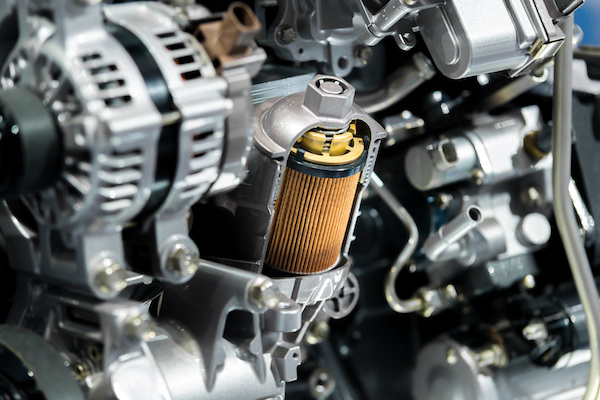
Driving habits and road quality affect how fast the fuel filter clogs. Rough roads or dusty areas increase dirt entering the fuel system. Frequent short trips also cause faster buildup. Under such conditions, change the filter more often than the manual suggests. Doing this prevents engine problems and keeps fuel flow smooth.
Credit: www.nergersautoexpress.com
Diy Vs Professional Replacement
Changing your fuel filter is important for your vehicle’s health. You can do it yourself or hire a professional. Both options have benefits and challenges. Knowing the differences helps you decide what suits you best.
Tools Needed
For a DIY fuel filter change, basic tools are necessary. You will need wrenches, screwdrivers, and pliers. A jack and stands help to lift the car safely. New fuel filter and gloves are also required. Professionals bring all tools and parts with them. They use special equipment to avoid damage.
Safety Precautions
Fuel filter replacement involves working with fuel, which is flammable. Always work in a well-ventilated area. Avoid sparks or open flames near your vehicle. Wear gloves and eye protection to prevent injury. Relieve fuel system pressure before starting. Professionals follow strict safety rules and have experience handling risks.
Cost Considerations
DIY replacement saves money on labor costs. You only pay for the filter and tools. Mistakes can cause damage, leading to higher repair costs. Professionals charge for parts and labor. Their work is faster and usually comes with a warranty. Weigh cost savings against potential risks when choosing.
Benefits Of Timely Fuel Filter Changes
Changing the fuel filter on time helps keep your car running smoothly. It stops dirt and debris from reaching the engine. This simple step saves money and avoids bigger repairs later.
Here are the key benefits of timely fuel filter changes.
Improved Engine Longevity
A clean fuel filter protects the engine from damage. Dirt and rust particles can wear out engine parts fast. Changing the filter prevents this wear and tear. Your engine lasts longer and stays reliable.
Enhanced Fuel Economy
A clogged fuel filter reduces fuel flow. The engine works harder and uses more fuel. A new filter helps fuel reach the engine easily. This improves gas mileage and saves money on fuel.
Reduced Emissions
A clean fuel filter helps the engine burn fuel better. Better combustion means fewer harmful gases released. Changing the filter lowers your car’s pollution and helps the environment.

Credit: www.mercedesbenzportland.com
Common Myths About Fuel Filters
Many people misunderstand how fuel filters work and when to replace them. These myths can lead to ignoring important maintenance. Knowing the truth helps keep your engine safe and running well. Let’s clear up some common myths about fuel filters.
Lifetime Filters
Some believe fuel filters last forever and never need changing. This is not true. Fuel filters catch dirt and rust from the fuel. Over time, they get clogged and block fuel flow. A clogged filter can cause engine problems and reduce fuel efficiency. Most manufacturers recommend changing the fuel filter every 20,000 to 40,000 miles. Check your owner’s manual for specific advice.
Fuel Additives As Alternatives
Fuel additives claim to clean the fuel system and replace filter changes. These products can help remove small deposits but do not replace a clogged filter. Additives do not filter out dirt or particles. Relying only on additives may damage your engine over time. Regular filter replacement is still necessary for proper engine care.
Frequently Asked Questions
How Often Should I Replace My Fuel Filter?
Most experts recommend changing your fuel filter every 20,000 to 40,000 miles. However, consult your vehicle’s manual for specific intervals. Regular changes ensure optimal engine performance and prevent fuel system clogs.
What Are Signs Of A Clogged Fuel Filter?
Common signs include engine misfires, hesitation during acceleration, and reduced fuel efficiency. Your car may also stall or have difficulty starting if the fuel filter is blocked.
Can I Change My Fuel Filter Myself?
Yes, if you have basic mechanical skills and tools, you can replace the fuel filter yourself. Always follow safety precautions and refer to your vehicle’s manual for guidance.
Does A Dirty Fuel Filter Affect Fuel Economy?
Yes, a clogged fuel filter restricts fuel flow, causing your engine to work harder. This leads to decreased fuel efficiency and higher fuel consumption.
Conclusion
Changing your fuel filter regularly keeps your car running well. Dirt and debris can block the filter and harm the engine. Most cars need a new fuel filter every 20,000 to 40,000 miles. Check your car manual for the best time to change it.
Clean fuel helps the engine work smoothly and saves money on repairs. Don’t wait for problems to start. A simple fuel filter change can prevent big engine issues later. Keep your car healthy with timely fuel filter care.


