You want your car to look great and stay protected as the seasons change. But how often should you wax your car in the fall?
With leaves falling, rain coming, and colder weather setting in, your car’s paint faces new challenges. Waxing at the right time can keep your car shining and shielded from damage. You’ll discover the best waxing routine for fall so your car stays beautiful and strong all season long.
Keep reading to find out exactly what your car needs now.

Credit: www.bowmanchevy.com
Benefits Of Waxing In Fall
Waxing your car in the fall offers many benefits. It prepares your vehicle for the changing weather. Fall brings rain, wind, and falling leaves. These can harm your car’s paint. Applying wax creates a strong barrier. This keeps your car safe and looking great.
Regular waxing in fall helps your car stay clean longer. It also makes washing easier. The right care keeps your car shiny through the cold months ahead.
Protecting Against Fall Elements
Wax shields your car from moisture and dirt. Rain and dew can cause spots and stains. Wax forms a water-repellent layer. Leaves and tree sap can stick to your car. Wax makes them easier to remove. It prevents damage caused by acid rain too.
Enhancing Paint Durability
Fall weather can wear down your car’s paint. Wind can carry tiny particles that scratch the surface. Wax adds a protective coat to reduce these scratches. It slows down paint fading caused by UV rays. This helps your car look newer for longer.
Maintaining Shine And Gloss
Waxing brings out the natural shine of your car’s paint. It smooths the surface and reflects light better. This keeps your car looking bright and fresh. Regular waxing keeps the gloss from dulling. Your car will stand out even on cloudy fall days.
Credit: cleantools.net
Ideal Waxing Frequency
Car waxing in the fall protects your paint from dirt and weather damage. Aim to wax every six to eight weeks for best results. This keeps your car shiny and safe during cooler months.
Factors Influencing Waxing Schedule
The ideal waxing frequency depends on several factors. Weather plays a big role in how often you wax your car. Fall brings more rain, wind, and falling leaves that can harm the paint. The type of wax you use also matters. Some waxes last longer than others. How often you drive and where you park affect wax durability. Cars parked outside need waxing more often than those in a garage.
Recommended Waxing Intervals
For fall, waxing every two to three months is a good rule. This timing protects the paint from moisture and dirt. If you use a high-quality synthetic wax, you might stretch it to four months. Natural waxes usually need reapplication every six weeks. Regular waxing maintains shine and guards against fall elements. Stick to a schedule to keep your car looking fresh.
Signs Your Car Needs Waxing
Look for dull or faded paint as a sign to wax. Water spots that don’t bead off show the wax is gone. Dirt and grime sticking to the surface also means it’s time. Scratches and swirl marks can appear without protection. Waxing restores shine and adds a protective layer. Check your car often to catch these signs early.
Types Of Wax For Fall
Choosing the right wax for your car in fall is important. Fall weather can be cold and wet. Your car needs strong protection against rain, dirt, and falling leaves. Different wax types offer different levels of protection and shine. Knowing which wax fits fall conditions helps keep your car looking great.
Natural Vs Synthetic Waxes
Natural wax comes from carnauba, a plant. It gives a deep shine and smooth finish. Natural wax lasts a few weeks. It works best in mild weather. Synthetic wax is made in labs. It lasts longer than natural wax. Synthetic wax resists rain and cold better. It protects your car for several months. For fall, synthetic wax often works best.
Best Waxes For Cold Weather
Cold weather needs wax that stays hard and clear. Some waxes crack in low temperatures. Look for wax with polymers or sealants. These add extra protection and durability. Synthetic wax often includes these. It keeps water and dirt away. It also guards against frost damage. Choose wax labeled for cold or all-season use.
Wax Application Methods
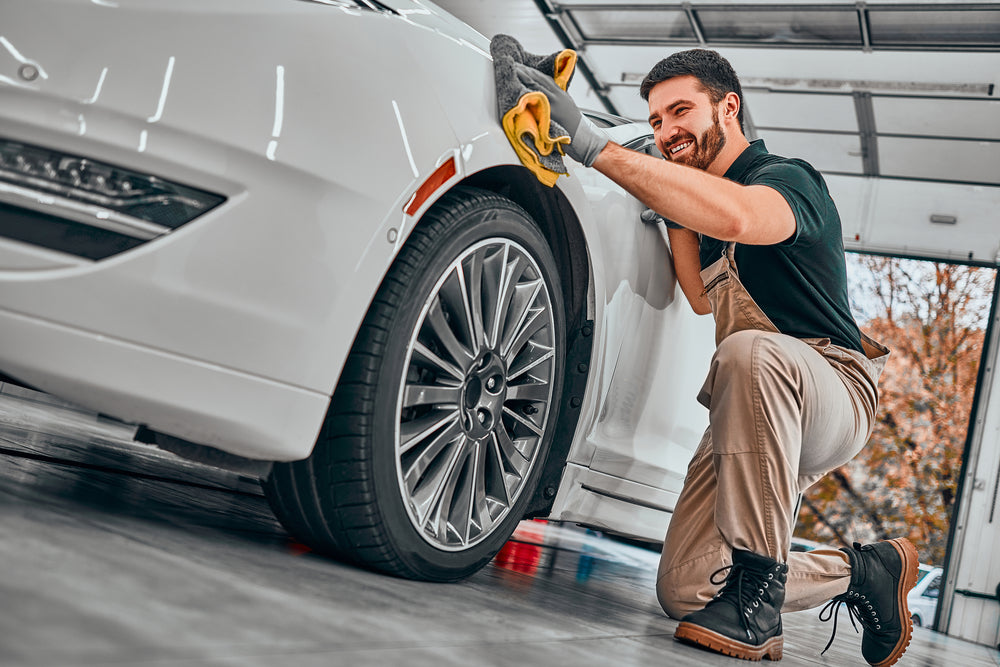
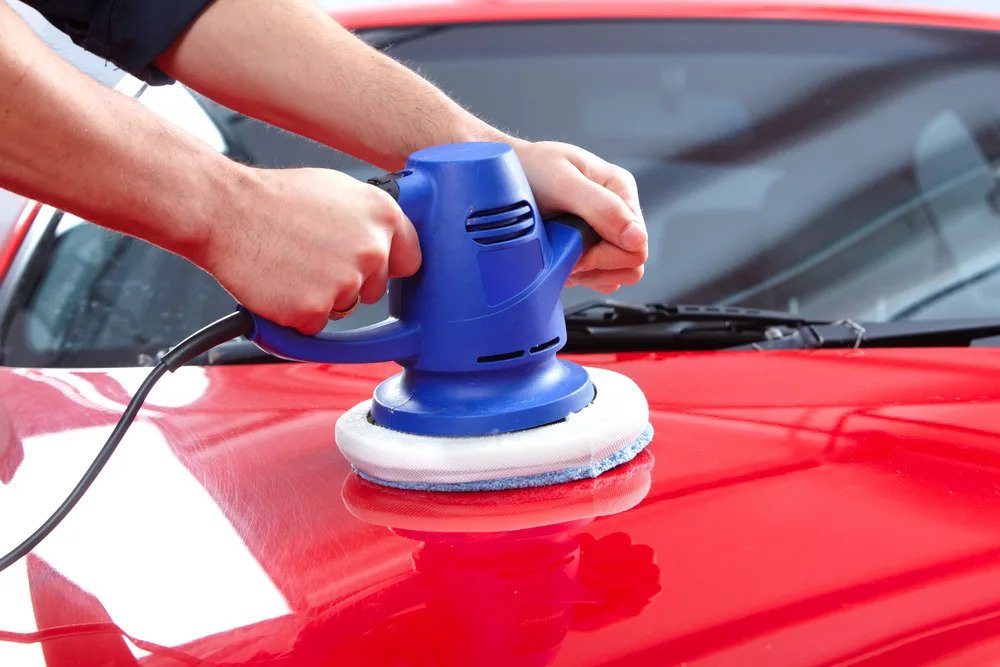
Apply wax by hand or machine. Hand waxing lets you control pressure and spread. Use a soft cloth or foam applicator. Apply wax in small sections. Buff with a clean microfiber towel. Machine waxing uses a buffer or polisher. It works faster and gives even shine. Use low speed to avoid paint damage. Both methods protect your car well in fall.
Credit: ethoscarcare.com
Preparing Your Car For Waxing
Preparing your car for waxing in the fall is important. Proper preparation helps the wax stick better. It also protects your car’s paint from dirt and damage. Taking time to clean and check your car makes a big difference in results.
Cleaning And Washing Tips
Start by rinsing your car with water. This removes loose dirt and dust. Use a car shampoo and a soft sponge to wash the surface. Avoid household cleaners that can harm the paint. Rinse well to remove all soap. Dry your car with a clean microfiber cloth to avoid water spots.
Removing Fall Debris
Fall brings leaves, sap, and pollen. These can stick to your car and damage the paint. Use a gentle brush or cloth to remove leaves and debris. Check the windshield and wiper blades too. Remove any sticky sap with a special cleaner made for cars. Clean these areas carefully before waxing.
Surface Inspection
Look closely at your car’s surface after washing. Check for scratches, chips, or rust spots. These need attention before waxing. Small scratches can be fixed with a polish. Rust spots might need professional help. A smooth, clean surface helps the wax last longer and shine brighter.
Common Waxing Mistakes To Avoid
Waxing your car in the fall protects it from harsh weather and dirt. Avoiding common mistakes helps keep your car’s shine and paint safe. Many people make errors that reduce wax effectiveness or even damage the paint.
Knowing these mistakes can save time and money. It helps your car look better for longer. Here are some common waxing mistakes to avoid.
Over-waxing Risks
Applying wax too often can harm your car’s paint. Wax builds up and creates a cloudy look. It can trap dirt and moisture under the layers. This weakens the paint and reduces shine. Stick to waxing every three months in fall. This keeps your car protected without damage.
Waxing Dirty Surfaces
Waxing a dirty car causes scratches. Dirt and dust act like sandpaper during waxing. It can leave tiny marks on the paint. Always wash and dry your car before waxing. Clean surfaces help the wax stick properly. This gives a smooth, shiny finish.
Ignoring Weather Conditions
Waxing under direct sunlight or cold weather is a bad idea. Heat makes wax dry too fast, leaving streaks. Cold slows wax curing and makes it hard to remove. Choose a cool, shaded spot for waxing. This ensures an even application and better protection.
Additional Fall Car Care Tips
Fall is a key time to care for your car beyond just waxing. The cooler weather and changing conditions need special attention. Simple steps help protect your vehicle and keep it running well. Use these tips to prepare your car for fall and the coming winter months.
Protecting Tires And Windows
Tires face rough roads and cold temperatures in fall. Check tire pressure often. Cold air lowers pressure and can cause uneven wear. Clean windows and mirrors to remove dirt and grime. Use a good glass cleaner to keep visibility clear. Cover your windshield with a protector at night to stop frost buildup.
Interior Maintenance
Keep the inside of your car clean to avoid damage. Remove leaves and dirt from floor mats regularly. Use a vacuum to clean seats and carpets. Apply a protectant on the dashboard to stop cracking from sun exposure. Check for leaks and fix them to prevent mold and bad smells.
Winterizing Preparations
Fall is the time to get ready for winter. Change to winter or all-season tires if needed. Check the antifreeze level and top it up if low. Test your car battery to avoid cold weather failures. Replace windshield wipers with winter blades for better snow clearing. Keep an emergency kit with blankets, lights, and tools inside your car.
Frequently Asked Questions
How Often Should I Wax My Car During Fall?
You should wax your car every 6 to 8 weeks in fall. This protects the paint from rain, leaves, and colder temperatures. Regular waxing maintains shine and prevents damage from fall debris and moisture.
Does Fall Weather Affect Car Wax Durability?
Yes, fall weather with rain and temperature changes can reduce wax durability. Wax tends to wear off faster due to moisture and dirt. Frequent waxing helps maintain protection and shine during unpredictable fall conditions.
What Type Of Wax Is Best For Fall Protection?
Synthetic or polymer-based waxes work best in fall. They offer longer-lasting protection against moisture and contaminants. These waxes create a durable barrier that resists rain, dirt, and tree sap common in autumn.
Can I Wax My Car Before Winter In Fall?
Yes, waxing before winter is ideal to protect your car. A good wax coat in late fall shields paint from snow, salt, and harsh cold. It also makes cleaning winter grime easier.
Conclusion
Waxing your car regularly protects it from fall weather. Aim to wax every six to eight weeks during autumn. This keeps dirt, rain, and leaves from harming the paint. A clean, waxed car looks better and lasts longer. Don’t wait until dirt builds up.
Small efforts now save time and money later. Keep your car shiny and safe all season long. Simple steps make a big difference.