
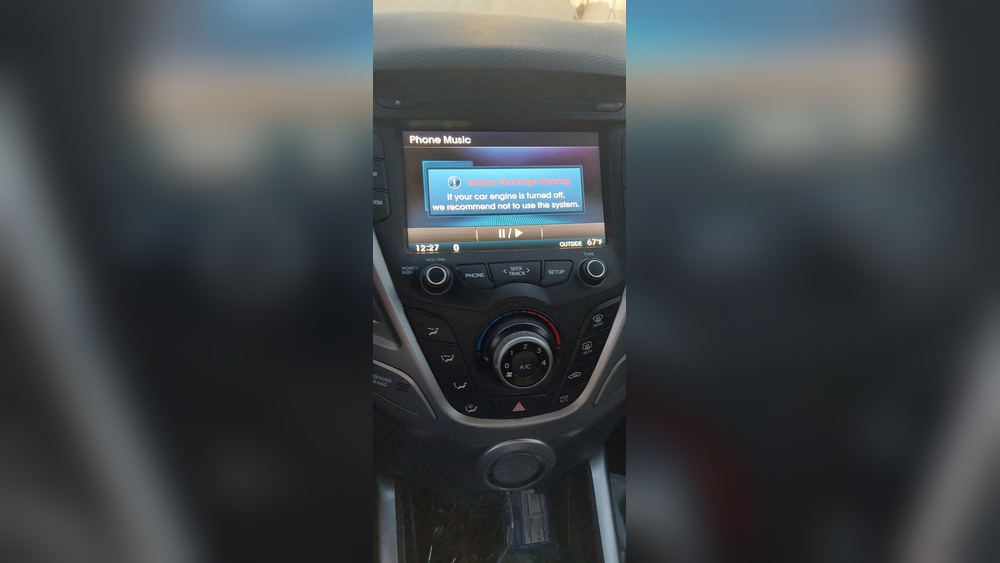
Have you ever wondered how long your car battery will last if you keep the radio on? You might think it’s no big deal, but leaving the radio playing without the engine running can drain your battery faster than you expect.
Knowing exactly how long your battery can handle this can save you from unexpected trouble, like being stuck with a dead battery when you least want it. You’ll discover what affects your battery’s life with the radio on and how to avoid common mistakes that could leave you stranded.
Keep reading to find out how to protect your car battery and enjoy your music worry-free.

Credit: am-autoparts.ae
Car Battery Basics
The car battery is the heart of your vehicle’s electrical system. It provides the power needed to start the engine and run electronic accessories, like the radio. Understanding how a car battery works helps you know how long it can last with the radio on. Batteries store energy in a chemical form and release it as electricity. This energy supply depends on the battery type and its capacity.
Running the radio uses some power from the battery. The length of time your battery can run the radio depends on its size and condition. Knowing the basics helps prevent surprises when you leave the radio on with the engine off.
Types Of Car Batteries
There are mainly two types of car batteries. Lead-acid batteries are the most common. They are affordable and reliable. Absorbent Glass Mat (AGM) batteries are newer and cost more. They last longer and handle power demands better. Each type has different strengths for powering accessories.
Battery Capacity And Ratings
Battery capacity shows how much energy a battery can store. It is measured in ampere-hours (Ah). A higher Ah means the battery lasts longer with the radio on. Another important rating is the Cold Cranking Amps (CCA). CCA measures the battery’s ability to start the car in cold weather. For running the radio, focus on the Ah rating. This number helps estimate how long the battery can supply power without the engine running.

Credit: www.reddit.com
Radio Power Consumption
Radio power consumption plays a key role in how long a car battery lasts. Radios use electrical energy from the battery to operate. The amount of power they draw depends on several things. Understanding this helps estimate battery life with the radio on.
Car radios do not use the same power all the time. Different models and settings change the energy use. This affects how quickly the battery loses charge. Knowing the average power use gives a useful baseline.
Average Energy Use Of Car Radios
Most car radios use about 0.5 to 1 amp of current. This equals around 6 to 12 watts of power. Simple radios tend to use less energy. Radios with screens or extra features draw more power.
Playing music at higher volume increases power use. Using Bluetooth or other wireless features also raises consumption. On average, expect the radio to drain the battery slowly but steadily.
Factors Affecting Radio Power Drain
Volume level is a major factor. Louder sound demands more energy. The type of radio matters too. Older analog radios usually consume less power than modern digital ones.
Additional functions, like displays and lighting, add to the drain. Signal strength can influence power use. Radios may use extra energy to find or maintain a station.
Battery condition also affects how long power lasts. A weak battery drains faster, even with small loads like the radio.
Battery Life With Radio On
Car batteries store energy to power your vehicle and its accessories. Leaving the radio on drains this energy slowly. How long the battery lasts depends on several factors. Understanding battery life with the radio on helps avoid surprises. It also helps protect your car from unexpected battery failure.
Estimated Drain Time
A typical car radio uses about 15 to 30 watts of power. This means it draws roughly 1 to 2 amps from the battery. A fully charged car battery usually holds around 48 amp-hours. With the radio on, the battery can last about 20 to 40 hours. This estimate varies based on radio volume and settings. Louder volume means more power use. Playing music through external speakers also drains battery faster. Keep in mind, this time is shorter if the battery is not fully charged.
Impact Of Battery Age And Condition
Old or weak batteries cannot hold charge well. Their capacity drops over time. A battery over five years old may last only half as long. Corrosion or damage also reduces battery life. Cold weather decreases battery efficiency too. Healthy, new batteries provide more reliable power. Checking battery condition helps predict how long it lasts. Regular maintenance extends battery life and performance.
Other Devices Affecting Battery Life
Car batteries power more than just the engine and radio. Many other devices draw energy from the battery. These devices can drain the battery faster and shorten its life. Understanding which devices use the most power helps you manage your battery better.
Lights And Accessories
Car lights use a steady amount of power. Headlights, interior lights, and dashboard lights all pull energy from the battery. Leaving these lights on for a long time can drain the battery quickly. Accessories like phone chargers and GPS units also consume power. Each accessory adds to the total battery load, reducing the time your battery lasts with the radio on.
Impact Of Amplifiers And Subwoofers
Amplifiers and subwoofers need more power than regular speakers. They increase the volume and bass but also draw more current from the battery. Running these sound systems at high volume can drain the battery much faster. This extra load shortens the battery life when the engine is off. Use these devices wisely to avoid unexpected battery failure.
Signs Of A Weak Battery
Knowing the signs of a weak car battery helps avoid unexpected problems. A battery that struggles can cause your radio and other electronics to fail. Early detection saves time and money. Watch for small changes. They often hint at bigger issues.
Symptoms While Using Radio
The radio may sound distorted or cut out suddenly. Volume might drop without adjusting controls. Lights on the dashboard can flicker or dim. The car might struggle to start after using the radio. These signs point to a battery losing its charge. Pay attention to these symptoms during short drives.
Testing Battery Health
Use a multimeter to check the battery voltage. A healthy battery shows around 12.6 volts when the car is off. Below 12.4 volts means the battery is weak. Many auto shops offer free battery tests. Some stores have quick battery testers you can use. Regular testing helps keep your car reliable.
Extending Battery Life
Extending the life of your car battery is important, especially when you use the radio for long periods. The radio draws power from the battery, which can cause it to drain faster. Taking steps to reduce power use and maintain the battery can help it last longer. This keeps your car ready to start and avoids unexpected battery problems.
Small changes in how you use your car and simple care routines can make a big difference. These easy tips help protect the battery and keep it working well for a longer time.
Tips For Reducing Power Drain
Turn off the radio when the engine is off. This saves battery power. Lower the radio volume to use less energy. Avoid using other power-hungry devices at the same time. Use the radio only when needed to prevent unnecessary drain. Keep the battery fully charged by driving regularly. Short trips can leave the battery low, so try longer drives.
Maintenance Practices
Check the battery terminals for dirt and corrosion. Clean them with a brush and baking soda if needed. Tighten loose connections to ensure good power flow. Test the battery voltage with a multimeter every few months. Replace the battery if it shows weak voltage or slow starts. Keep the battery case clean and dry to avoid damage. Store the car in a cool, dry place to protect the battery life.
When To Replace Your Battery
Knowing when to replace your car battery helps avoid unexpected failures. A battery struggling to power the radio could mean it’s near the end. Recognizing signs early saves time and money. Let’s explore what to expect from battery life and how to pick the right replacement.
Battery Lifespan Expectations
Car batteries usually last three to five years. Using the radio with the engine off drains the battery faster. Cold weather and short trips can shorten battery life too. If your radio dims or the car struggles to start, the battery might be weak. Regular checks help catch problems early.
Choosing The Right Replacement
Pick a battery that fits your car’s make and model. Check the battery’s cold cranking amps (CCA) rating for reliable starts. Match the size and terminal layout to avoid installation issues. Consider brands with good reviews for durability. A well-chosen battery keeps your radio and car running smoothly.
Credit: www.scrapcarcomparison.co.uk
Frequently Asked Questions
How Long Can A Car Battery Power The Radio?
A car battery can power the radio for about 1 to 3 hours. This depends on the battery’s condition and radio power usage. Newer batteries last longer, while older ones drain faster. Avoid running the radio too long without the engine to preserve battery life.
Does Playing The Radio Drain The Car Battery Quickly?
Yes, playing the radio without the engine on drains the battery faster. The radio uses electrical power, which the battery supplies when the engine is off. Prolonged use can weaken the battery, leading to starting issues. Always monitor battery health if frequently using the radio without driving.
Can A Weak Car Battery Run The Radio?
A weak car battery may struggle to run the radio effectively. It might cause the radio to cut off or produce low sound. Weak batteries are less reliable for powering accessories. It’s best to test and replace weak batteries to avoid inconvenience.
What Affects Car Battery Life With Radio On?
Battery age, radio volume, and engine status affect battery life. Higher volume uses more power. Older batteries hold less charge. Running the radio without the engine drains the battery faster. Regular maintenance helps maintain optimal battery performance.
Conclusion
A car battery can last a few hours with the radio on. The exact time depends on the battery’s age and condition. Older batteries lose power faster. Keeping the engine running helps charge the battery while using the radio. Turning off extra devices saves battery life.
Always check your battery regularly to avoid surprises. Small actions can extend battery life and keep you safe. Knowing how long your battery lasts helps plan better. Stay aware and protect your car’s power every day.


