

Is your car’s AC not cooling like it used to? You might be wondering how often you should recharge your AC to keep it working perfectly.
Knowing the right time to recharge your car’s air conditioning can save you from uncomfortable drives and expensive repairs. You’ll discover simple signs to watch for and expert tips to keep your AC fresh and efficient. Keep reading to make sure your car stays cool no matter the season!
Signs Your Car Ac Needs Recharging
Knowing the signs your car AC needs recharging helps avoid discomfort. The AC system uses refrigerant to cool the air. Over time, this refrigerant can leak or reduce, causing poor cooling. Spotting early signs saves time and money on repairs.
Weak Airflow
When the AC blows air, it should feel strong. Weak airflow means the refrigerant level is low. Low refrigerant makes the compressor work harder. This reduces the air pressure inside the vents. Notice if the breeze feels lighter than usual.
Warm Air Blowing
Cold air should come from the vents during AC use. Warm or room temperature air means the system is low on refrigerant. Without enough refrigerant, the AC cannot cool properly. This is a clear sign to recharge the system soon.
Unusual Noises
Strange sounds like hissing or clicking are warning signs. These noises often come from leaks or compressor issues. Low refrigerant causes the compressor to struggle and make sounds. Don’t ignore odd noises when the AC is on.
Bad Odors
Musty or rotten smells from the vents indicate a problem. This could mean mold or bacteria grow inside the system. Low refrigerant can cause moisture build-up, leading to bad odors. Clean the system and check refrigerant levels to fix this.
Factors Affecting Ac Recharge Frequency
Several factors affect how often you should recharge your car’s AC. Understanding these helps keep your AC working well. It also prevents costly repairs and keeps you cool.
Climate And Weather
Hot and humid climates make your AC work harder. This can cause refrigerant to leak faster. In cooler areas, the AC may need recharging less often. Seasonal changes also impact how often you check your AC.
Driving Habits
Frequent short trips can reduce AC efficiency. The system may not reach full cooling power. Long drives give the AC more time to work properly. How you use your AC affects its recharge needs.
Car Age And Model
Older cars often have leaks or worn parts. These cars may need more frequent AC recharges. Newer models usually have better seals and technology. This can lower how often you recharge.
Maintenance History
Regular AC checks and servicing keep the system healthy. Missing maintenance can cause leaks or blockages. Well-maintained AC systems hold refrigerant longer. This reduces the frequency of recharges needed.
How To Check Your Ac’s Refrigerant Level
Checking your car AC’s refrigerant level is key to keeping it cool and efficient. Low refrigerant can cause weak cooling or damage the system. Regular checks help spot problems early. Here are three simple ways to check your AC’s refrigerant level.
Using Pressure Gauges
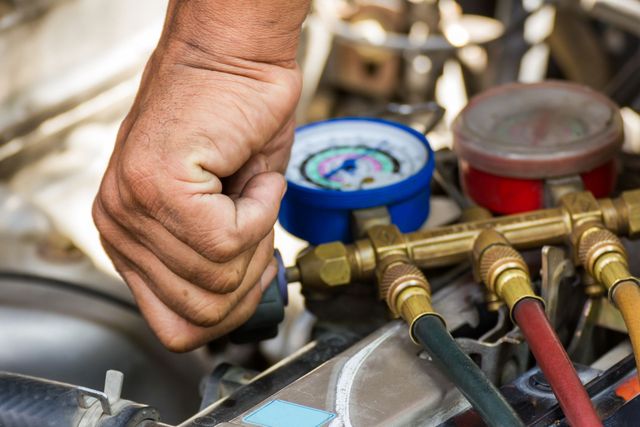
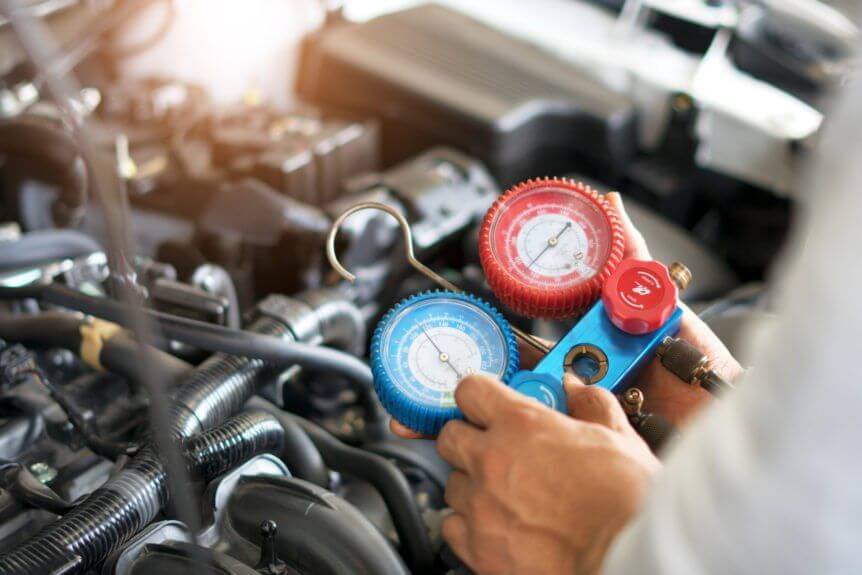
Pressure gauges measure the refrigerant pressure in the AC system. Connect the gauge to the service ports under the hood. The readings show if the refrigerant level is too low or too high. Compare the pressure with the recommended levels in your car manual. This method gives a quick and accurate check.
Visual Inspection
Look for signs of leaks or damage around the AC hoses and connections. Oil stains or wet spots may mean refrigerant is escaping. Check the compressor and condenser for cracks or corrosion. Visual inspection helps find leaks but does not measure refrigerant directly.
Professional Diagnostics
Mechanics use special tools to test refrigerant levels and system health. They can detect leaks, measure pressure, and check temperatures. A professional check is best if you notice poor cooling or strange noises. It ensures the AC system works safely and correctly.
Credit: www.allcarshopinc.com
Risks Of Overcharging Or Undercharging Ac
Overcharging or undercharging your car’s AC can cause serious problems. Both can harm your AC system and reduce its performance. Knowing the risks helps you keep your car cool and running well.
Damage To Compressor
The compressor works hard to keep the AC running. Too much refrigerant causes pressure to build up. This pressure can break the compressor. Too little refrigerant makes the compressor run dry. Running dry leads to overheating and failure.
Reduced Cooling Efficiency
Too little refrigerant means less cold air from vents. Overcharging can cause the AC to blow warm air. Both reduce the comfort inside your car. The AC struggles to keep the cabin cool on hot days.
Increased Fuel Consumption
An AC system with wrong refrigerant levels uses more power. The engine works harder to run the AC. This extra work uses more fuel. Your car’s mileage drops, costing you more money at the pump.
Diy Vs Professional Ac Recharge
Deciding between a DIY and professional AC recharge affects your car’s cooling and safety. Both options have benefits and risks. Understanding these helps you choose the right approach for your car’s AC system.
Pros And Cons Of Diy
DIY AC recharge kits cost less than professional services. You can save money by doing it yourself. Kits come with simple instructions for adding refrigerant.
DIY can be risky. Incorrect recharge may damage your AC system. Overfilling or underfilling affects performance. Handling refrigerant without proper tools can cause leaks or injury. DIY suits minor top-ups, not major repairs.
When To Seek Professional Help
Professionals have tools to check AC pressure and leaks accurately. They recharge with the right refrigerant amount. Experts detect hidden problems that DIY methods miss.
Choose professional help if your AC is very weak or not cooling. Strange noises or bad smells also need expert attention. Professionals ensure your AC runs safely and efficiently.
Credit: autoservicefairfax.com
Tips To Maintain Your Car Ac System
Maintaining your car’s AC system helps keep it working well longer. Proper care prevents costly repairs and keeps the air cool. Follow these simple tips to keep your AC system in good shape. Small actions make a big difference in performance and comfort.
Regular Use And Inspection
Run the AC regularly, even in winter. This keeps the system lubricated and prevents damage. Check for strange noises or weak airflow. Early inspection helps find problems before they get worse. Visit a mechanic if you notice issues.
Cleaning Ac Components
Clean the AC vents and coils to remove dust and debris. Dirty parts reduce cooling efficiency and cause bad smells. Use a soft brush or vacuum for cleaning. Keep the condenser free from leaves and dirt. Clean parts help the system work smoothly.
Replacing Cabin Air Filters
Replace the cabin air filter every 12,000 to 15,000 miles. A dirty filter blocks airflow and reduces cooling power. It also lets dust and allergens inside the car. Check the filter regularly and change it as needed. Fresh filters improve air quality and comfort.

Credit: blueridgeauto.co
Frequently Asked Questions
How Often Should I Recharge My Car Ac System?
You should recharge your car AC system every 1 to 2 years. This keeps the refrigerant at optimal levels for efficient cooling and prevents system damage.
What Are Signs My Car Ac Needs Recharging?
If your car AC blows warm air, has weak airflow, or unusual noises, it likely needs recharging. Regular checks can catch these issues early.
Can I Recharge My Car Ac Myself?
Yes, you can recharge your car AC using a DIY kit. However, proper knowledge and safety precautions are essential to avoid damage or injury.
Does Recharging Car Ac Improve Fuel Efficiency?
Yes, a well-maintained AC system reduces engine strain, improving fuel efficiency. Low refrigerant levels make the AC work harder, consuming more fuel.
Conclusion
Recharging your car’s AC keeps it working well and cool inside. Check it every year or when it feels less cold. Regular care stops bigger problems and saves money. Don’t wait for the heat to get uncomfortable. Small steps now keep your drives fresh and comfortable.
Stay cool, drive safe, and enjoy every trip.


