

Your car’s brakes are one of the most important safety features you have. But do you know when it’s time to replace your brake pads and rotors?
Ignoring worn-out brakes can put you and your loved ones at serious risk. You’ll discover clear signs to watch for, how often you should replace these parts, and why waiting too long could cost you more than just money. Keep reading to make sure your brakes are always ready when you need them most.
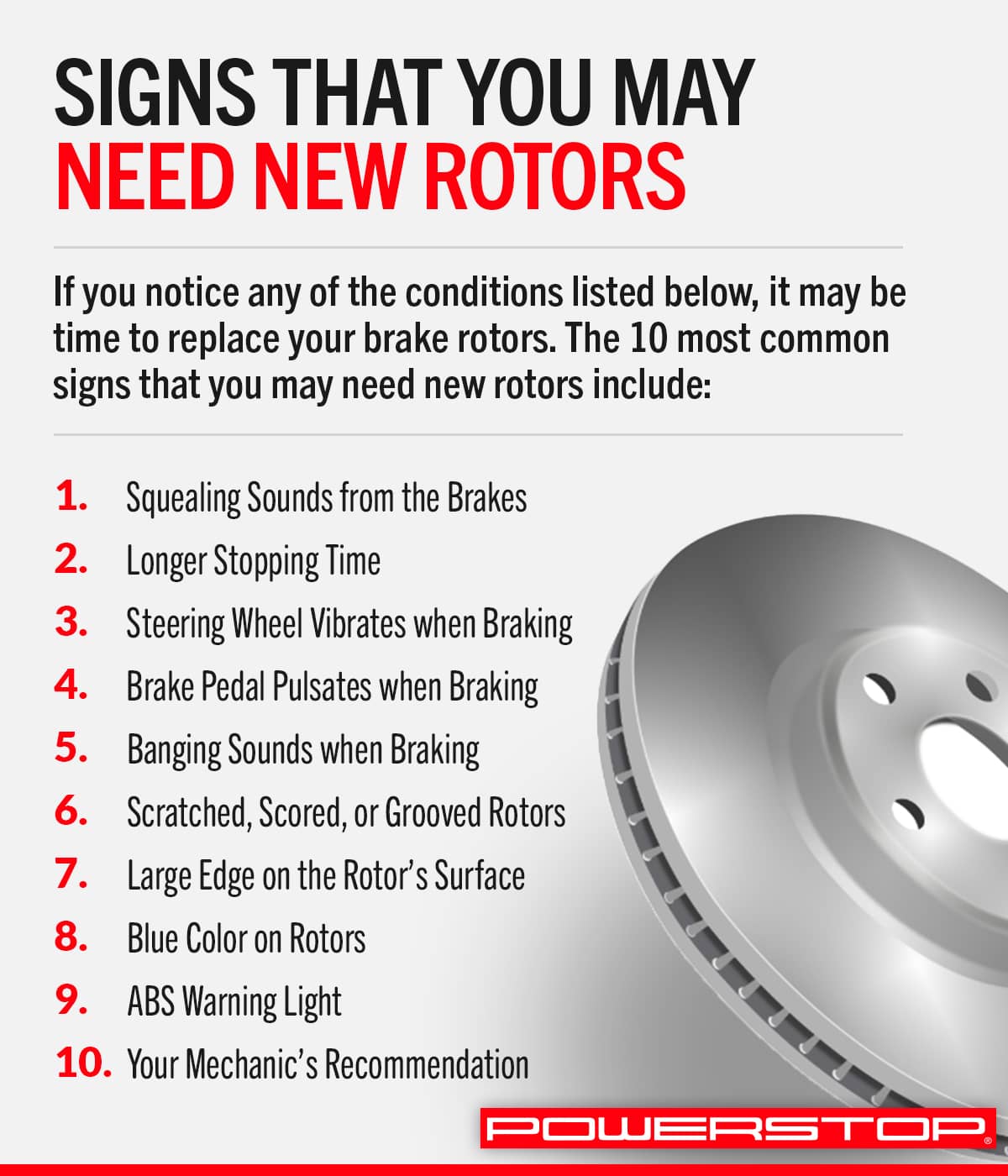
Credit: www.powerstop.com
Signs Of Worn Brake Pads
Worn brake pads are a common issue that affects your car’s safety. Recognizing the signs early helps avoid bigger problems. Watch for noises, changes in how your car stops, and strange feelings in the brake pedal.
Squeaking And Squealing Noises
Squeaking sounds often mean brake pads are wearing thin. The noise comes from a small metal indicator. It rubs against the rotor to warn you. Ignoring this sound can lead to damage and costly repairs.
Reduced Braking Performance
Brake pads that are too thin reduce your car’s stopping power. Your car might take longer to stop. You may feel the need to press harder on the pedal. This is a clear sign to check your brakes soon.
Vibration Or Pulsation In Pedal
A shaking or pulsing brake pedal can mean uneven brake pad wear. It might also point to rotor problems. This vibration is a warning to get your brakes inspected quickly. It affects control and safety on the road.
Credit: www.conicelliautoplex.com
When To Replace Brake Pads
Knowing when to replace brake pads is key for safe driving. Worn-out brake pads reduce stopping power and increase risk. Regular checks help catch wear early and avoid damage to other parts. This section covers simple ways to tell when brake pads need changing.
Mileage Guidelines
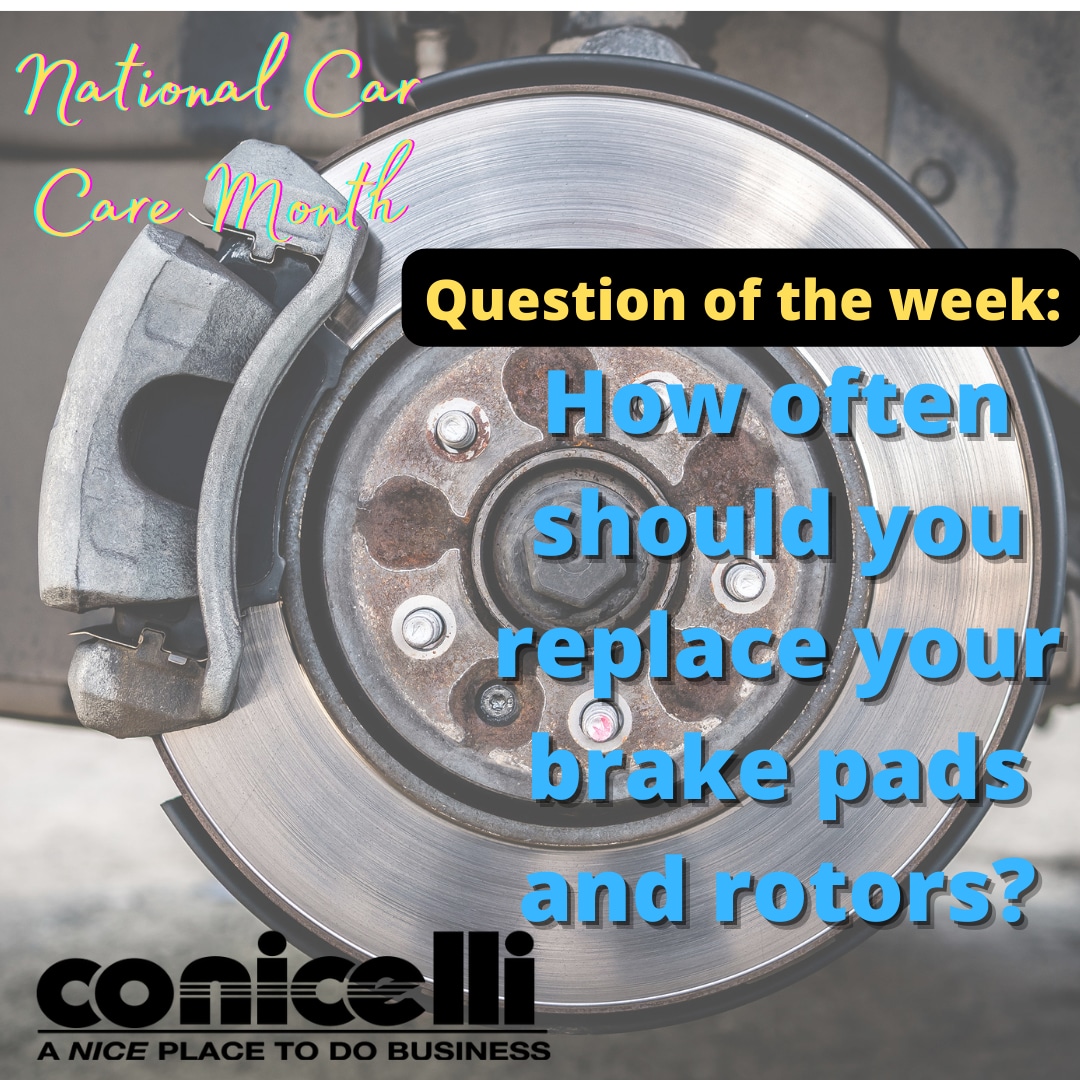
Brake pads usually last between 30,000 and 70,000 miles. This range varies by car type and driving habits. City driving with frequent stops wears pads faster than highway driving. Check your car’s manual for specific mileage advice. Use mileage as a rough guide, not a strict rule.
Visual Inspection Tips
Look at the brake pads through the wheel spokes. Thin pads, less than 3 millimeters, need replacement. Listen for squealing or grinding noises when braking. These sounds often mean worn pads. Check for uneven wear or cracks on the pads. Regular visual checks help spot problems early.
Manufacturer Recommendations
Car makers provide guidelines on brake pad replacement. Follow these instructions for best results. They base advice on tests and safety standards. Using the recommended brake pads keeps your car safe. Check your owner’s manual or manufacturer website for details.
Signs Of Damaged Rotors
Rotors are a key part of your car’s braking system. They work with brake pads to stop your vehicle safely. Over time, rotors wear down or get damaged. Knowing the signs of damaged rotors helps you stay safe. It also saves money by fixing issues early. Watch for these common signs to know when to replace your rotors.
Grooves And Scoring
Grooves appear as deep lines on the rotor surface. Scoring happens when brake pads wear unevenly. These marks reduce braking power. They can cause vibration or noise when braking. Grooves also make your brakes less smooth and less safe.
Warping Symptoms
Warped rotors cause a shaking feeling in the brake pedal. You might feel this when stopping at low speeds. Warping happens from heat build-up or hard braking. It causes uneven contact between pads and rotors. This leads to less control and longer stopping distances.
Corrosion And Rust
Rust often forms on rotors if the car sits unused. Light rust can clean off with normal braking. Heavy rust weakens the rotor and reduces braking. Corrosion can cause rough braking and noise. It is a sign that rotors need inspection or replacement.
.jpg)
Credit: www.cbac.com
Timing For Rotor Replacement
Knowing the right time to replace your brake rotors is key to safe driving. Rotors wear down with use and heat. You must check them regularly to avoid brake problems. Understanding when to replace rotors helps keep your brakes working well.
Rotor Thickness Limits
Rotors have a minimum thickness set by the manufacturer. This limit ensures the rotor can handle heat and pressure safely. When rotors wear below this thickness, they become unsafe. Mechanics measure thickness with a tool during brake service. Replace rotors if they are thinner than the limit.
Effects Of Overheating
Overheating damages brake rotors quickly. It causes warping or cracking, which leads to poor braking. Heavy braking or riding the brakes causes overheating. Signs include a burning smell or a pulsing brake pedal. If rotors show heat damage, replace them soon to avoid failure.
Impact On Brake Performance
Worn or damaged rotors reduce brake power and control. They can cause vibrations or noise when braking. This makes stopping less smooth and less safe. New rotors restore proper brake function. Timely replacement keeps your car stopping strong and steady.
Factors Affecting Brake Wear
Brake pads and rotors wear out at different rates. This depends on many factors. Understanding these helps you know when to replace them. Wear can vary a lot. Some cars need new brakes sooner. Others can go longer without changes.
Driving Habits
How you drive affects brake wear a lot. Hard braking wears pads faster. Smooth, gentle stops make pads last longer. Frequent stop-and-go traffic also wears brakes quickly. Long highway drives cause less brake wear. Braking often in city traffic wears rotors more.
Vehicle Type And Weight
Heavier vehicles put more stress on brakes. Trucks and SUVs often wear pads faster. Small cars usually have less brake wear. Performance cars may need special brake care. Different brake systems also wear at different rates.
Road Conditions
Driving on hilly or mountainous roads increases brake use. Rough or gravel roads can damage brake parts. Wet or icy roads may cause more braking. Clean, smooth roads cause less wear. Road conditions change how fast brakes wear out.
Maintaining Brake System Health
Maintaining your brake system is important for safe driving. The brake pads and rotors work hard every day. They slow down and stop your car. Keeping them in good shape means better control and fewer risks on the road.
Regular care helps your brakes last longer. It also saves money by preventing big repairs. Simple steps can keep your brake system healthy and reliable.
Regular Inspections
Check your brake pads and rotors often. Look for signs like squeaking or grinding noises. Thin brake pads need quick replacement. Rotors should be smooth, not warped or cracked. Regular checks catch problems early. This keeps your brakes working well.
Brake Fluid Checks
Brake fluid helps your brakes work properly. It can get dirty or low over time. Check the fluid level every few months. Replace old fluid to avoid brake failure. Clean fluid improves brake response and safety.
Professional Servicing
Visit a mechanic for brake system checks. Professionals spot issues you might miss. They can measure brake pad thickness and rotor condition. Experts also test brake fluid quality. Regular service keeps your brake system safe and effective.
Frequently Asked Questions
How Often Should Brake Pads Be Replaced?
Brake pads typically need replacement every 30,000 to 70,000 miles. This depends on driving habits, vehicle type, and pad material. Regular inspections help identify wear early and ensure safe braking performance.
When Do Brake Rotors Need Replacement?
Brake rotors usually require replacement every 50,000 to 70,000 miles. Signs include vibrations, grooves, or reduced braking efficiency. Rotors may also need replacement if warped or excessively worn.
Can Worn Brake Pads Damage Rotors?
Yes, worn brake pads can damage rotors by causing grooves and uneven wear. This leads to poor braking performance and may require rotor resurfacing or replacement.
What Are Signs To Replace Brake Pads And Rotors?
Listen for squealing or grinding noises, feel vibrations, or notice reduced braking power. Visual inspection revealing thin pads or scored rotors also indicates replacement is needed.
Conclusion
Regularly checking and replacing brake pads and rotors keeps your car safe. Worn parts can cause poor braking and accidents. Most brake pads last about 30,000 to 70,000 miles. Rotors usually last longer but need attention if they get damaged.
Listen for squeaking or grinding sounds; these warn you to act. Keep an eye on brake performance and get help if you feel changes. Staying on top of brake maintenance saves money and protects lives. Don’t wait until problems get worse—take care of brakes today.


