

You just got a new car, and you want it to look shiny and fresh for as long as possible. But how often should you wash and wax it to keep that new-car glow?
Washing too little can let dirt and grime damage your paint, while waxing too often might seem like a hassle. Finding the right balance is key to protecting your investment and turning heads every time you drive. Keep reading to discover simple, effective tips that will help you care for your new car the right way—without wasting time or money.

Credit: ethoscarcare.com
Car Wash Frequency
Keeping a new car clean is important to protect its paint and shine. Washing your car regularly removes dirt, dust, and grime that can damage the surface. But how often should you wash it? The answer depends on several factors.
Regular washing keeps your car looking new and helps maintain its value. It also prepares the surface for waxing, which adds extra protection. Understanding the right wash schedule helps you care for your car better.
Factors Affecting Wash Schedule
Driving habits affect how often you need to wash your car. Frequent long trips or driving on dirt roads mean more dirt buildup. Urban areas with pollution require more frequent washes. Parking under trees can cause sap or bird droppings, which need quick cleaning. Also, personal preference matters. Some owners prefer a spotless car every week, while others wash less often.
Seasonal Considerations
Seasons change how often you should wash your car. In winter, salt and sand on roads can harm the paint. Washing after winter trips is important to remove these chemicals. Spring brings pollen, which can stick to your car and dull the paint. Summer dust and bugs need quick cleaning. Fall leaves and sap can also cause stains. Adjust your wash schedule based on the season.
Environmental Impact
Environmental factors also affect washing frequency. Rain can wash away some dirt, but it may leave spots or contaminants. Pollution in the air can settle on your car’s surface, requiring more frequent washing. Coastal areas with salty air need extra care to prevent rust. Consider water use and use eco-friendly products to reduce environmental harm.
Waxing Schedule
Keeping a new car looking fresh needs more than washing. Waxing plays a key role in protecting the paint and shine. A good waxing schedule keeps your car safe from dirt, sun, and water damage. It also helps maintain that brand-new look for longer. Understanding when and how to wax your car makes a big difference.
Benefits Of Regular Waxing
Waxing adds a protective layer on your car’s paint. It stops dirt and grime from sticking easily. Wax also blocks harmful UV rays that can fade paint. This keeps the color bright and fresh. It creates a smooth surface that repels water. Water beads up and rolls off, preventing stains and rust. Waxing helps keep your car looking new and shiny.
How Often To Wax New Cars
New cars need waxing about every three months. This timing keeps the paint well-protected. If you park outside a lot, wax more often. Harsh weather can wear off the wax faster. For cars stored indoors, waxing twice a year might work. Watch the car’s surface for dullness or water spots. These signs mean it’s time to wax again.
Types Of Wax And Their Durability
Car wax comes in natural and synthetic types. Natural wax, like carnauba, gives a deep shine. It lasts about 4 to 6 weeks. Synthetic waxes last longer, up to 3 months. They offer stronger protection from elements. Some waxes are liquid, others paste or spray. Choose one that fits your car care routine. The right wax keeps your car looking great longer.
Best Washing Techniques
Washing a new car needs care and the right methods. The goal is to keep the paint shiny and avoid scratches. Using the best washing techniques helps protect your car’s finish. It also keeps your vehicle looking fresh for a long time.
Choosing the correct washing method and products is very important. Drying the car properly prevents water marks and damage. Let’s explore some key tips to wash your new car safely and effectively.
Hand Wash Vs. Automatic Wash
Hand washing is gentle and allows you to control pressure. It removes dirt without scratching the paint. Automatic washes can be quick but may cause small scratches. Brushes in some machines can be harsh on new paint.
Use hand washing for the best care of your new car. It also lets you clean hard-to-reach areas better. Automatic washes are fine occasionally, but avoid rough machines. Always pick a soft cloth or foam brush option.
Safe Products For New Paint
Choose car wash soaps made for automotive paint. Avoid household cleaners like dish soap, which can strip wax. Use pH-balanced shampoos to protect the paint layer. These products keep the finish smooth and bright.
Use microfiber wash mitts or soft sponges. They reduce the risk of fine scratches. Never use abrasive pads on new paint. Clean tools regularly to avoid trapping dirt and grit.
Drying Tips To Avoid Damage
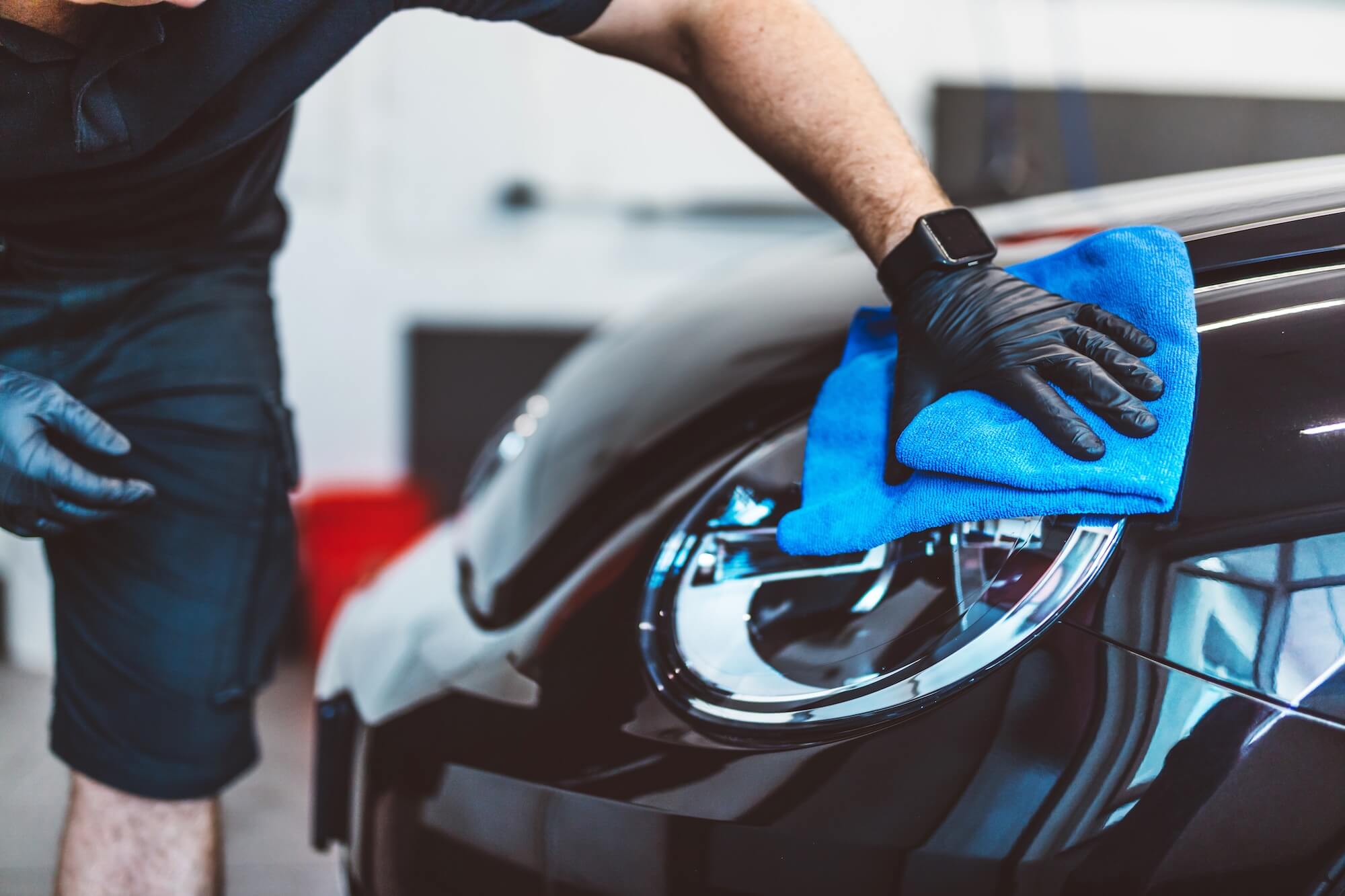
Dry your car immediately after washing. Letting water dry naturally leaves spots and stains. Use a clean microfiber towel to blot the surface gently. Avoid rubbing hard, which can cause micro-scratches.
Use a leaf blower or air dryer for tight spaces. This prevents water from settling in crevices. Change towels often if drying a large vehicle. Keeping the car dry protects the paint and wax.
Credit: www.greasepro.com
Wax Application Tips
Applying wax to a new car protects its paint and keeps it shiny. Wax creates a barrier against dirt, water, and sun damage. Proper application helps the wax last longer and work better. Follow these tips to get the best results from your wax.
Preparing The Car Surface
Start by washing the car thoroughly. Remove all dirt and dust to avoid scratches. Use a gentle car soap and clean water. Dry the car completely with a soft cloth. Check for any tar or bug spots and remove them. A clean, dry surface helps wax stick well.
Proper Wax Application Steps
Use a small amount of wax on a soft applicator pad. Apply wax in small, circular motions. Work on one section at a time to cover evenly. Let the wax dry until it looks hazy. Buff the wax off gently with a clean microfiber cloth. Repeat every few months for the best protection.
Avoiding Common Mistakes
Do not apply wax in direct sunlight or on a hot car. Avoid using too much wax, which can leave streaks. Never wax over dirt or grime, it can cause scratches. Do not rush the drying time; wax needs to haze properly. Use clean cloths to avoid dirt transfer during buffing.
Maintaining Shine Between Washes
Keeping your new car’s shine between washes is important. Dirt and dust can dull the paint quickly. Regular washing is good, but there are easier ways to maintain the shine. These methods help protect your car’s look without spending hours cleaning it.
Quick Detailers And Spray Waxes
Quick detailers and spray waxes are easy to use. Spray a small amount on the car’s surface and wipe it with a clean cloth. They remove light dust and fingerprints fast. These products add a thin protective layer that boosts shine. Use them on dry surfaces for best results.
Protecting Against Environmental Hazards
Pollution, bird droppings, and tree sap can harm your paint. Clean these off as soon as possible. Use gentle cleaners to avoid damage. Park in shaded or covered areas to reduce exposure. Regular protection helps keep the paint smooth and glossy.
Touch-up Cleaning Tips
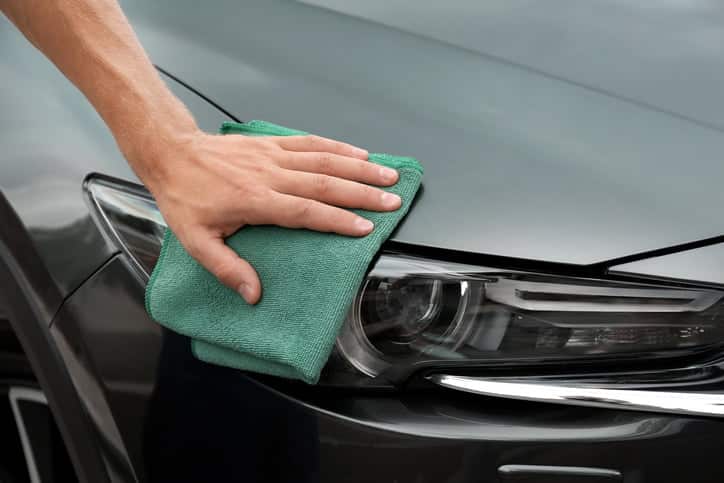
Spot cleaning is useful between full washes. Use a microfiber cloth to wipe small dirty areas. Avoid scrubbing hard to prevent scratches. Keep a small bottle of waterless wash in your car. This helps clean messes quickly and keeps your car looking fresh.
Credit: www.simoniz.uk
Signs Your Car Needs Washing Or Waxing
Knowing when to wash or wax your new car helps keep it in top shape. Dirt and grime can build up fast. Wax protects the paint and keeps it shiny. Watch for clear signs that your car needs care.
Visual Indicators
Dust and dirt on the surface make the paint look dull. Water spots and bird droppings stain the finish. Faded or cloudy paint shows wax has worn off. Scratches become more visible without protection. These signs mean it’s time to clean or wax your car.
Touch And Feel Tests
Run your hand over the car’s surface. A rough or sticky feel means dirt or old wax is present. Smooth and slippery means the wax is still working. Wax helps repel water and dirt, so feeling helps check its condition. If the surface feels dry, it needs waxing.
Performance And Protection Concerns
Dirt and contaminants harm the paint over time. Wax shields the car from sun, rain, and pollution. Without waxing, paint fades and cracks. Washing removes harmful grime that can cause rust. Protect your car by washing and waxing regularly to avoid damage.
Frequently Asked Questions
How Often Should I Wash A New Car?
Wash your new car every two weeks to remove dirt and contaminants. Frequent washing prevents paint damage and keeps your car looking new.
When Is The Best Time To Wax A New Car?
Wax your new car every three months. This protects the paint, enhances shine, and adds a durable protective layer.
Can Washing Too Often Damage My New Car’s Paint?
Washing too often with harsh products can damage paint. Use gentle, pH-balanced car shampoos to maintain your car’s finish safely.
Should I Wax A New Car Before Or After Washing?
Always wash your car before waxing. A clean surface ensures wax adheres properly and delivers better protection and shine.
Conclusion
Washing and waxing a new car keeps it looking fresh and shiny. Wash your car every two weeks to remove dirt and dust. Wax it every three months to protect the paint and add shine. Regular care helps avoid damage and keeps your car’s value high.
Small efforts make a big difference in the long run. A clean, waxed car shows you care about your investment. Simple steps keep your vehicle safe from harsh weather and dirt buildup. Stay consistent, and your car will look great for years.


