

Living in Florida means your car faces unique challenges every day. From salty sea air to sudden rain showers and constant sunshine, your vehicle’s exterior takes a beating.
You might be wondering, how often should you wash your car to keep it looking great and protect its value? If you want your car to shine and avoid costly damage, knowing the right washing routine is key. Keep reading, because the answer might surprise you—and it could save you time, money, and stress.
Credit: www.parkslincoln.com
Car Wash Frequency In Florida
Keeping your car clean in Florida requires more care than in other places. The state’s unique climate and environment affect how often you should wash your car. Dirt, salt, and rain can quickly build up on your vehicle. Regular washing protects the paint and keeps your car looking fresh.
Understanding the right wash frequency helps maintain your car’s value. It also prevents damage caused by grime and salt. Let’s explore key factors that influence how often you should wash your car in Florida.
Factors Influencing Wash Frequency
Driving habits change how often your car gets dirty. Frequent trips on sandy or salty roads mean more washing. Parking under trees can drop pollen and sap on your car. Coastal areas expose cars to salt spray, which can corrode paint. These factors increase wash needs. Clean cars last longer and avoid costly repairs.
Weather Impact On Car Cleanliness
Florida’s weather plays a big role in car dirtiness. Heavy rain washes away some dirt but leaves water spots. Humid air causes dust to stick to surfaces. Strong sun fades paint and hardens grime on cars. Storms bring mud and debris onto vehicles. Regular washing removes these elements and protects your car.
Seasonal Considerations
Different seasons affect your car’s cleanliness. Summer heat makes bugs and sap stick more. Fall brings pollen and leaves that can stain paint. Winter storms bring salt and mud from roads. Spring rains can cause dirt to build up quickly. Adjust your wash schedule to match these seasonal changes.
Credit: lifelanes.progressive.com
Benefits Of Regular Washing
Regular car washing in Florida offers many benefits beyond just keeping your vehicle clean. It helps protect your car’s look and condition in a tough environment. Salt, dirt, and sun can harm your car if not cleaned often. Washing your car regularly keeps it safe and looking good.
Protecting Paint And Finish
Washing your car removes dirt, salt, and bird droppings. These can damage the paint and make it fade. Clean paint lasts longer and keeps your car shiny. Regular washing also prevents stains and spots from setting in. A clean car always looks newer and well cared for.
Preventing Rust And Corrosion
Florida’s salty air and humidity cause rust fast. Dirt and salt build up in small places and hold moisture. Washing your car removes these harmful elements. This stops rust from forming on the metal parts. Rust weakens your car and can cause expensive repairs.
Maintaining Vehicle Value
A clean, well-kept car holds its value better. Buyers like cars that look nice and have no rust or damage. Regular washing shows you care for your vehicle. This can help you get a better price when selling or trading it. Clean cars last longer and cost less to fix.
Common Florida Car Wash Challenges
Florida’s climate and environment create unique challenges for car owners. Dirt and debris build up fast. Regular washing is important. Understanding these challenges helps keep cars clean longer.
Salt And Sand Exposure
Coastal winds carry salt from the ocean. Salt sticks to your car’s paint and metal parts. It can cause rust and corrosion. Sand from nearby beaches also scratches the surface. Frequent washing removes salt and sand before damage occurs.
Pollen And Sap Issues
Spring and summer bring heavy pollen in the air. Pollen settles on cars as a yellow layer. It can stain the paint if left too long. Tree sap drips often stick firmly to surfaces. Both need quick removal to protect the car’s finish.
Bug And Tar Removal
Florida roads have many insects. Bugs hit your car, leaving marks on the front and grill. Tar from road repairs sticks hard to tires and bumpers. Bug and tar residues can harm paint. Gentle scrubbing during washes helps keep the car spotless.
Best Washing Practices
Keeping your car clean in Florida means following smart washing habits. Salt air, sand, and heat can harm your car’s paint. The right washing routine helps keep your car looking fresh and protects its value.
Here are some tips on washing your car the best way. These practices save time and avoid damage.
Choosing The Right Products
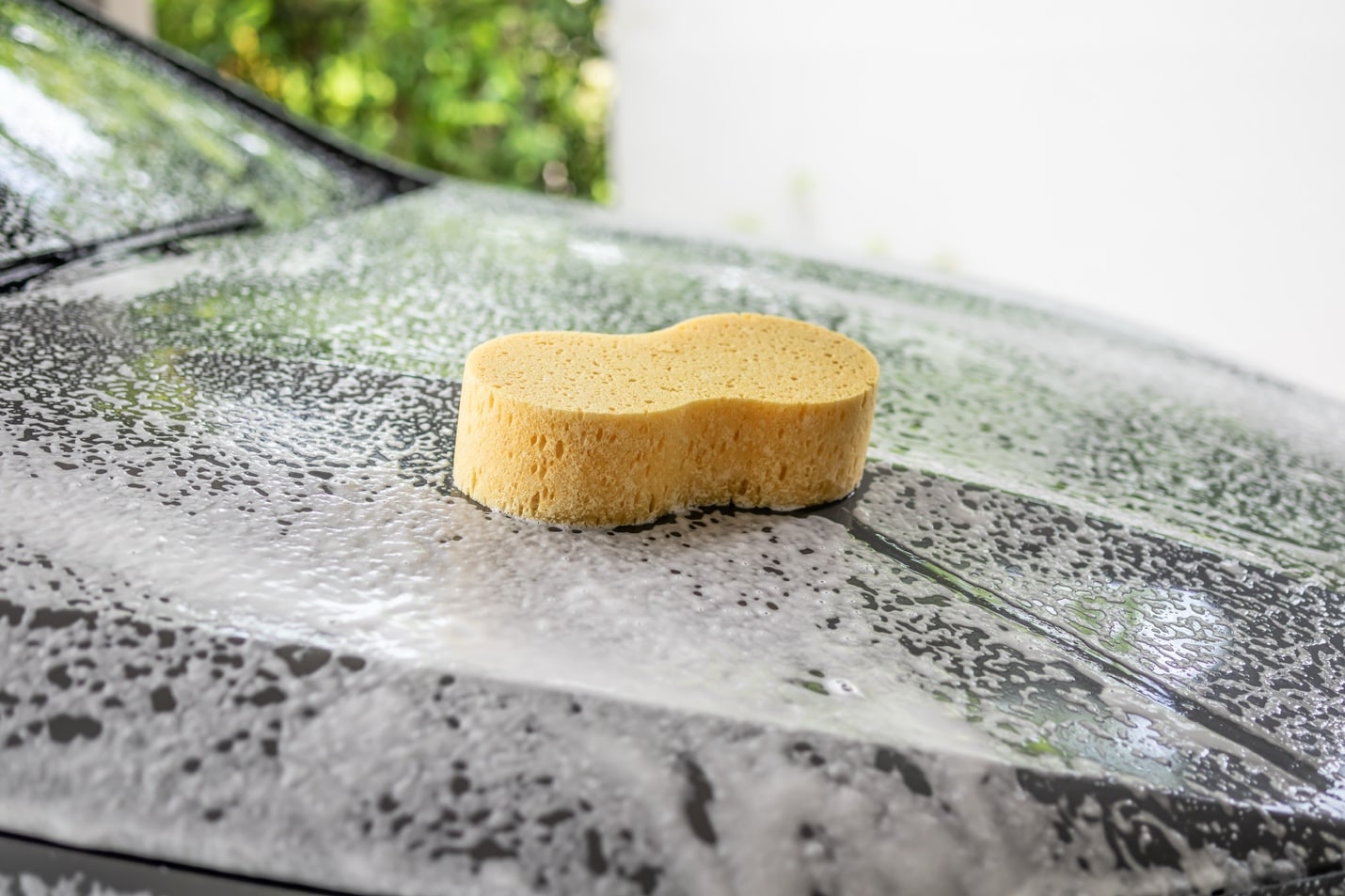
Select car wash soap made for vehicles, not household cleaners. Car soaps are gentle and protect paint. Use soft sponges or microfiber cloths to avoid scratches. Avoid harsh chemicals that can strip wax or damage paint. Also, pick products that rinse easily to prevent water spots.
Hand Wash Vs. Automatic Wash
Hand washing gives you more control and care. It helps reach tight spots and removes dirt better. Automatic washes are quicker but may use harsh brushes. These brushes can cause small scratches on paint. Use touchless automatic washes if you want a quick clean without risk. Hand washing suits Florida’s conditions best for thorough cleaning.
Drying Techniques
Dry your car with a clean microfiber towel to avoid streaks. Avoid air drying, as water spots can form in the sun. Pat dry instead of rubbing to protect the paint. Use a drying towel or chamois for best results. Drying fast prevents minerals in water from leaving marks.
Frequency Recommendations By Vehicle Type
Different types of vehicles need different washing schedules in Florida. The climate, road conditions, and vehicle use affect how often you should wash your car. This section explains washing frequency by vehicle type to keep your car clean and protected.
Sedans And Compact Cars
Sedans and compact cars usually need washing every two weeks. Florida’s salty air and frequent rain can cause dirt and grime to build up fast. Regular washing stops rust and paint damage. A good wash also keeps windows clear for safe driving.
Trucks And Suvs
Trucks and SUVs often face tougher conditions. Mud, sand, and road salt stick more easily to these bigger vehicles. Washing every one to two weeks is best. Pay attention to the undercarriage to avoid rust. Clean trucks and SUVs look better and last longer.
Luxury And Classic Cars
Luxury and classic cars need extra care. Wash them every week to protect the paint and finish. Use gentle, high-quality cleaning products. Avoid harsh chemicals that can damage delicate surfaces. Keeping these cars clean preserves their value and beauty.
Diy Vs. Professional Car Wash
Washing your car in Florida requires careful thought. The hot sun, salty air, and frequent rain can make your car dirty fast. Choosing between washing your car yourself or going to a professional service affects your car’s look and your wallet. Both methods have good points. Understanding these can help you decide what fits your needs best.
Cost Considerations
Washing your car at home costs less money. You only pay for soap, water, and cloths. Professional car washes charge fees per wash. Some places offer monthly plans. These can be good if you wash often. Think about your budget and how often you wash your car.
Convenience And Time
DIY washing takes your time and effort. You need to find water and wash carefully. Professional car washes save time. You drive in, and the workers or machines clean your car. Some services offer quick washes in minutes. This fits busy schedules well.
Quality And Results
Professional washes use special tools and products. They remove dirt well and protect paint. DIY washing can be gentle if done right. You can clean hard spots carefully. But some may miss parts or scratch paint. Quality depends on your skills and tools.
Eco-friendly Washing Tips
Washing your car in Florida often means dealing with heat, salt, and dirt. Choosing eco-friendly washing methods helps save water and protects nature. These tips keep your car clean and reduce harm to the environment.
Water Conservation Methods
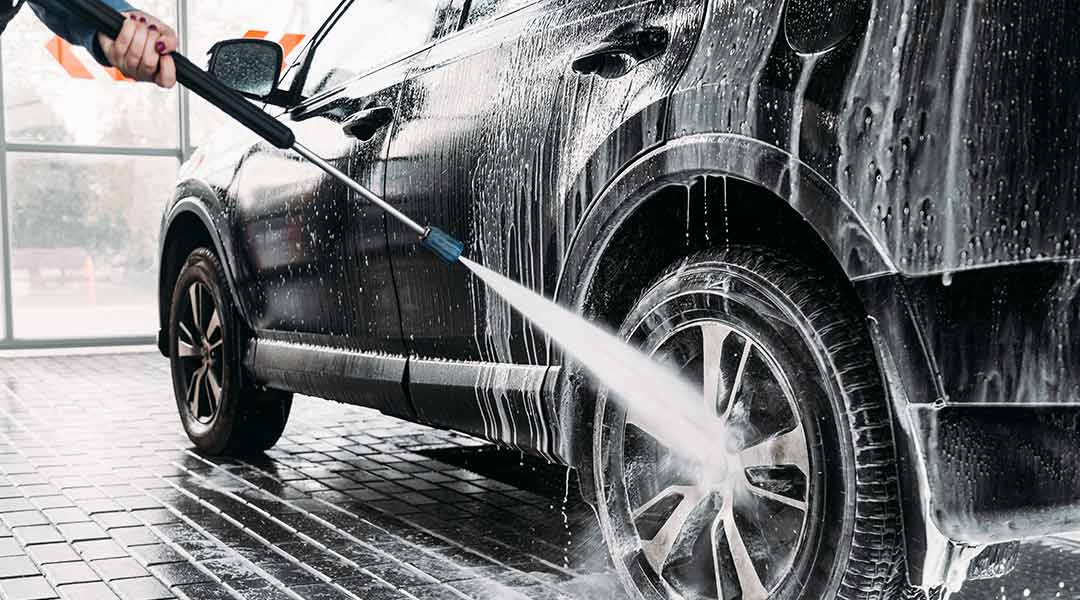
Use a bucket instead of a running hose. It saves gallons of water each wash. Try a spray nozzle with a shut-off valve. This stops water flow when not needed. Wash your car on grass or gravel. It helps the soil absorb water better.
Biodegradable Cleaning Products
Pick soaps and cleaners that break down naturally. They do not harm plants or animals. Avoid harsh chemicals that pollute water sources. Read labels to find eco-friendly options. These products clean well without toxic effects.
Minimizing Environmental Impact
Wash your car away from storm drains. This stops dirty water from reaching lakes and oceans. Use microfiber cloths to reduce soap use. Avoid washing on concrete or asphalt. These surfaces let soap run into drainage systems. Small changes protect Florida’s water and wildlife.

Credit: mckees37.com
Frequently Asked Questions
How Often Should I Wash My Car In Florida?
In Florida, washing your car every 1-2 weeks is ideal. Frequent washing removes salt, pollen, and dirt. This prevents paint damage and rust caused by the humid climate.
Does Florida’s Weather Affect Car Wash Frequency?
Yes, Florida’s heat, humidity, and frequent rain increase dirt buildup. Regular washing helps protect your car’s paint and finish from damage.
Is Hand Washing Better Than Automated Car Washes In Florida?
Hand washing is gentler and more thorough for Florida cars. Automated washes may cause scratches or miss tough grime, especially from salt and pollen.
Can Washing My Car Too Often Cause Damage?
Washing too often with harsh products can strip wax and damage paint. Use gentle soap and avoid over-washing to maintain your Florida car’s finish.
Conclusion
Washing your car often helps keep it clean and protects its paint. In Florida, dirt, salt, and sun can damage your car fast. Washing every one to two weeks works well for most drivers here. Rinse off salt and grime quickly to avoid rust and stains.
Clean cars look better and last longer. A simple wash saves money on repairs later. Keep a regular washing routine to enjoy your car’s shine. It takes little time but makes a big difference. Stay on top of car care for a fresh, bright ride.

