

Have you ever wondered how often you should change your fuel filter? It’s a small part, but it plays a big role in keeping your vehicle running smoothly.
Ignoring it can lead to poor engine performance or costly repairs. You’ll discover the signs that tell you it’s time for a change and how sticking to the right schedule can save you money and headaches. Keep reading to learn exactly when and why your fuel filter needs attention.
Credit: www.bigboxcars.com.au
Role Of A Fuel Filter
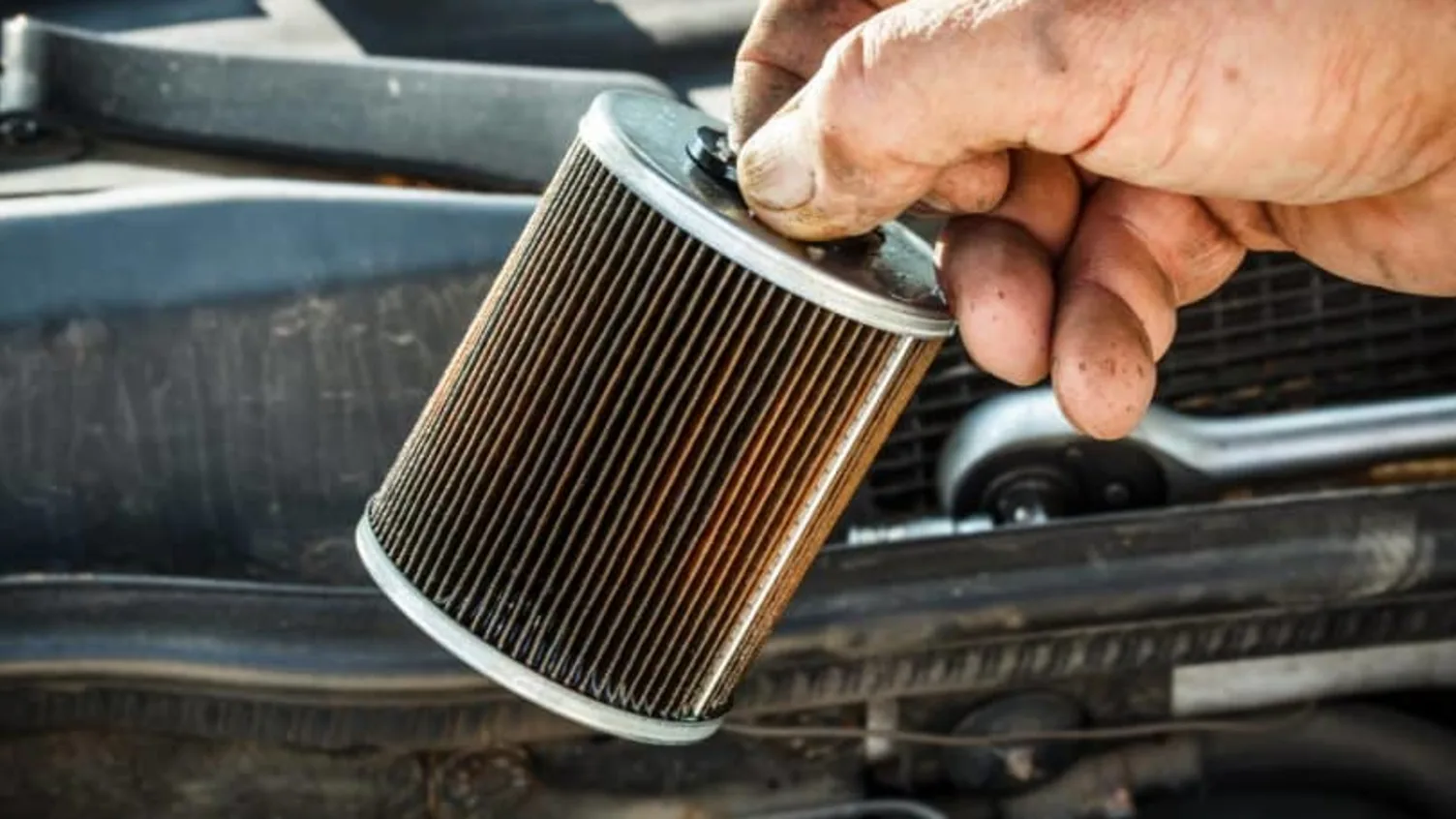
A fuel filter keeps your engine safe. It cleans the fuel before it reaches the engine parts. Dirt, rust, and other small particles can get into the fuel tank. These particles can damage the engine if not removed.
The filter traps these harmful particles. It stops them from flowing through the fuel lines. Clean fuel helps the engine run smoothly and last longer.
Protecting Engine Components
The fuel filter protects sensitive engine parts. Fuel injectors and carburetors need clean fuel to work well. Dirt in the fuel can cause blockages and wear. This leads to poor engine performance and costly repairs.
Improving Fuel Efficiency
A clean fuel filter helps the engine burn fuel better. Clean fuel burns more completely. This improves fuel efficiency. It saves money on gas and reduces pollution.
Preventing Engine Damage
Without a fuel filter, dirt can reach the engine. This causes damage to pistons and cylinders. Over time, the engine can fail. Changing the fuel filter regularly helps prevent this damage.
Credit: www.waynesautocenter.com
Signs Of A Clogged Fuel Filter
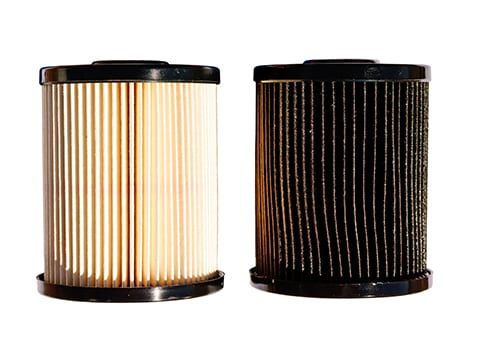
A clogged fuel filter can cause many car problems. It stops fuel from flowing well. This can damage the engine and reduce fuel efficiency. Knowing the signs helps you fix the filter early. It saves you from bigger repairs and costs.
Engine Performance Issues
The engine may run rough or lose power. You might feel hesitation during acceleration. The car can stall or hesitate on hills. These happen because less fuel reaches the engine. A clogged filter blocks fuel flow, causing these issues.
Starting Problems
The car may take longer to start or not start at all. This happens because the engine does not get enough fuel. A clogged filter limits fuel supply, making it hard to start. You might hear the engine crank but not catch.
Fuel Odor And Leaks
You might smell fuel inside or outside the car. This means fuel is leaking from the filter or fuel lines. A clogged filter can cause pressure buildup, leading to leaks. Fuel leaks are dangerous and need fast attention.
Recommended Replacement Intervals
Knowing the right time to change your fuel filter helps keep your engine healthy. Fuel filters stop dirt and rust from reaching the engine. Over time, these filters get clogged and lose their job. Changing them on time keeps fuel flowing well and stops engine problems.
Manufacturer Guidelines
Car makers give clear advice on fuel filter changes. Usually, they suggest replacing filters every 20,000 to 40,000 miles. Check your vehicle’s manual for exact numbers. Following these rules helps keep the warranty valid. It also ensures the engine runs smoothly.
Impact Of Driving Conditions
Driving habits change how fast fuel filters wear out. Rough roads and dusty areas clog filters faster. Short trips and stop-and-go traffic add extra strain. In these cases, change filters more often than the manual says. Clean fuel means better engine performance and fewer repairs.

Credit: kbmotorsports.biz
Diy Vs Professional Replacement
Changing a fuel filter is important for your vehicle’s health. You can do it yourself or hire a professional. Each choice has its benefits and challenges. Understanding both helps you decide the best option for you.
Tools Needed For Diy
To change a fuel filter yourself, you need basic tools. A wrench or socket set helps remove the old filter. You also need a new fuel filter that fits your car model. Safety glasses protect your eyes from fuel splashes. Gloves keep your hands clean and safe. A container to catch fuel spills is useful. Finally, rags help clean any mess. These tools make the job easier and safer.
When To Seek Professional Help
Some situations require a mechanic’s help. If your fuel filter is hard to reach, avoid DIY. Complex fuel systems need expert knowledge. Signs like fuel leaks or engine trouble need quick professional care. Mechanics have special tools and experience. They ensure the job is done right and safely. Choose a professional when unsure about the process.
Consequences Of Neglecting Fuel Filter Changes
Neglecting to change a fuel filter can cause many problems for a vehicle. The fuel filter cleans dirt and rust from the fuel. Over time, it gets clogged. This blocks the fuel flow. The engine may not get enough fuel to work well. Small issues can quickly turn into big repairs.
Ignoring fuel filter changes can reduce engine power. It may cause the engine to stall or hesitate. The vehicle might struggle to start or run roughly. Fuel efficiency drops. The engine uses more fuel but delivers less power.
Damage To Fuel Pump
A clogged fuel filter makes the fuel pump work harder. This extra effort causes the pump to wear out fast. A broken fuel pump is expensive to fix. Replacing it takes time and money.
Engine Misfires And Poor Performance
Blocked fuel filters lead to uneven fuel supply. The engine misfires or runs unevenly. This causes jerky rides and poor acceleration. Over time, the engine’s performance will get worse.
Increased Emissions And Pollution
A dirty fuel filter affects fuel burning. The engine burns fuel less cleanly. This creates more harmful exhaust gases. The vehicle pollutes more and may fail emissions tests.
Costly Repairs And Breakdowns
Ignoring fuel filter changes risks engine damage. Repair costs can rise quickly. Breakdowns on the road cause inconvenience and danger. Regular filter changes prevent these costly problems.
Tips To Extend Fuel Filter Life
Extending the life of your fuel filter saves money and keeps your car running well. Simple habits help avoid early clogging and damage. Follow these tips to protect the fuel filter and improve your vehicle’s fuel system.
Use Quality Fuel
Good fuel contains fewer impurities. Cheap or dirty fuel clogs the filter faster. Always buy fuel from trusted stations. Clean fuel helps the filter work better and last longer. Avoid filling up at unknown or low-quality sources.
Regular Vehicle Maintenance
Check the fuel system often. Replace the fuel filter as recommended by the vehicle maker. Keep up with oil changes and air filter replacements. Clean parts reduce strain on the fuel filter. Regular care improves overall engine health and filter life.
Frequently Asked Questions
How Often Should You Change A Fuel Filter?
Most manufacturers recommend changing the fuel filter every 20,000 to 40,000 miles. Regular replacement ensures clean fuel flow and prevents engine damage.
What Are Signs Of A Clogged Fuel Filter?
Common signs include engine misfires, poor acceleration, and difficulty starting. A clogged filter restricts fuel flow, impacting vehicle performance.
Can A Dirty Fuel Filter Cause Engine Problems?
Yes, a dirty fuel filter can cause poor engine performance and stalling. It blocks fuel flow, leading to inefficient combustion and potential damage.
Is Fuel Filter Replacement Necessary For All Vehicles?
Yes, all vehicles benefit from regular fuel filter changes. It maintains fuel system health and prolongs engine life regardless of vehicle type.
Conclusion
Changing your fuel filter keeps your engine running smoothly. Dirty filters block fuel and reduce car performance. Check your vehicle’s manual for exact intervals. Generally, changing it every 20,000 to 30,000 miles works well. Regular changes prevent costly repairs and save fuel.
Don’t wait for problems to start. A clean fuel filter helps your car last longer. Simple maintenance like this protects your engine daily. Keep your ride healthy and efficient with timely fuel filter changes. Easy steps lead to better driving and fewer breakdowns.


