

You rely on your car every day, and keeping it running smoothly means paying close attention to its fluids. But how often should you change them?
If you’re unsure, you’re not alone. The truth is, changing your car’s fluids at the right time can save you from costly repairs and keep your ride feeling fresh. You’ll discover exactly when and why to change each fluid, so you can protect your car and avoid unexpected breakdowns.
Keep reading—your car will thank you.
Engine Oil Replacement
Engine oil keeps your car running smoothly. It lubricates engine parts and stops wear. Over time, oil breaks down and loses its power. Changing engine oil regularly protects the engine and improves performance.
Signs Of Old Engine Oil
Dark, thick oil means it is old. A burning smell can come from dirty oil. Engine noise or knocking sounds can show low oil quality. Your car may use more fuel with old oil.
Recommended Oil Change Intervals
Many cars need oil changes every 5,000 to 7,500 miles. Check your car’s manual for exact times. Some newer cars can go longer between changes. Driving in tough conditions may need more frequent changes.
Choosing The Right Oil Type
Use the oil type your car’s manual recommends. Synthetic oils last longer and work better in cold weather. Conventional oil is cheaper and good for older cars. Mixing oil types can cause problems.
Credit: motorist.org
Transmission Fluid Check
Checking your car’s transmission fluid is a key part of vehicle care. This fluid helps the transmission work smoothly and last longer. Ignoring it can cause shifting problems and costly repairs. Regular checks keep your car running well and avoid surprises on the road.
Importance Of Transmission Fluid
Transmission fluid cools and lubricates the transmission parts. It prevents wear and tear inside the transmission system. Clean fluid helps the gears shift smoothly. Dirty or low fluid can cause slipping or overheating. This leads to poor performance and damage.
When To Replace Transmission Fluid
Most cars need a fluid change every 30,000 to 60,000 miles. Check your owner’s manual for exact intervals. Some newer cars have longer-lasting fluids. Look for signs like dark, dirty fluid or strange noises. These signs mean it’s time to change the fluid.
Diy Vs Professional Service
Changing transmission fluid yourself saves money but requires some skill. You need the right tools and fluid type. A professional service ensures a full flush and refill. Experts can spot other transmission issues early. Choose what fits your skills and budget best.
Coolant Fluid Maintenance
Maintaining the coolant fluid in your car is vital for engine performance. Coolant prevents overheating and protects engine parts from damage. Regular checks and changes keep your vehicle running smoothly. Ignoring coolant maintenance can lead to costly repairs.
Role Of Coolant In Engine Health
Coolant controls the engine temperature. It moves heat away from the engine to the radiator. This process stops the engine from getting too hot. Coolant also stops freezing in cold weather. It protects metal parts from rust and corrosion. Without coolant, the engine can overheat and fail.
Frequency Of Coolant Flush
Most cars need a coolant flush every 30,000 to 50,000 miles. Check your owner’s manual for exact intervals. Some newer cars can go longer between changes. Old or dirty coolant loses its ability to protect the engine. Flushing removes old coolant and cleans the system. Regular flushing helps avoid overheating and corrosion.
Types Of Coolants Available
There are several types of coolant fluids. The most common types are traditional green, long-life orange, and hybrid organic acid technology (HOAT). Each type works differently and suits specific vehicles. Always use the coolant recommended for your car. Mixing different coolants can cause damage. Check your car manual or ask a mechanic for advice.
Brake Fluid Replacement
Brake fluid is an important part of your car’s braking system. It helps transfer force from the brake pedal to the brake pads. This makes your car stop safely. Over time, brake fluid can absorb moisture and get dirty. This lowers its effectiveness and can cause brake problems. Changing brake fluid regularly keeps your brakes working well and protects your safety on the road.
Why Brake Fluid Matters
Brake fluid moves pressure inside the brake lines. This pressure pushes the brake pads against the wheels. Good brake fluid keeps this pressure steady. It also stops rust and corrosion inside the brake system. Old or dirty brake fluid can cause brakes to feel soft or slow. This can make stopping harder and unsafe.
Signs Brake Fluid Needs Changing
Brake fluid usually changes color from clear to dark. Dark fluid means it is dirty. If your brake pedal feels soft or sinks, the fluid may be weak. Warning lights on the dashboard can also signal brake fluid issues. Strange noises when braking can be a sign too. Watch for these signs to keep brakes safe.
Safe Brake Fluid Change Practices
Changing brake fluid needs care and the right tools. Use the brake fluid type recommended in your car manual. Avoid mixing different types of brake fluid. Flush out the old fluid completely before adding new fluid. Wear gloves and keep fluid away from paint and skin. Have a professional check the brake system after changing the fluid.
Power Steering Fluid Care
Power steering fluid plays a key role in making steering smooth and easy. It helps the steering system work without much effort from the driver. Taking care of this fluid keeps your car safe and comfortable to drive.
Checking and changing power steering fluid is simple. It stops the steering from getting stiff or noisy. Clean fluid also protects the power steering pump and other parts from damage.
Function Of Power Steering Fluid
Power steering fluid acts like a lubricant. It helps move parts inside the steering system. The fluid also transfers pressure that helps turn the wheels easily. Without enough fluid, steering can become hard and unsafe.
Checking Fluid Levels
Check the power steering fluid level regularly. Find the fluid reservoir under the hood. It usually has a cap with a dipstick. Wipe the dipstick clean and dip it again to check level. The fluid should be between the minimum and maximum marks.
Look at the fluid color too. Clean fluid is clear or light amber. Dark or dirty fluid means it needs to be changed soon.
When To Change Power Steering Fluid
Change power steering fluid every 50,000 miles or as stated in your car manual. Old fluid loses its ability to lubricate and protect. Change it if you notice steering noise or stiffness. Flushing the system removes dirt and old fluid. Fresh fluid keeps the steering system working well and lasting longer.
Windshield Washer Fluid Tips
Windshield washer fluid keeps your windshield clear and safe. It helps remove dirt, dust, and bugs. Regular care of this fluid improves your driving visibility. Learn simple tips to maintain it effectively.
Importance Of Clean Windshield Fluid
Clean windshield fluid removes grime quickly. It prevents smearing and streaks on the glass. This keeps your view sharp during rain or snow. Dirty fluid can clog the washer nozzles. Always use clean fluid for best results.
How Often To Refill
Check your windshield fluid every month. Refill it more often in bad weather. Use the washer before it runs out completely. Low fluid means less cleaning power when needed most. Keep the reservoir full for safety.
Best Fluids For Different Seasons
Use regular fluid in warm months for dirt removal. Switch to winter formula in cold months. Winter fluid prevents freezing in low temperatures. It often contains antifreeze and de-icing agents. Choose the right fluid for each season.
Additional Fluid Checks
Checking fluids beyond the basics helps keep your car running smoothly. These fluids work quietly but are vital for your vehicle’s health. Regular checks stop problems early and save money on repairs.
Differential Fluid Change Guidelines
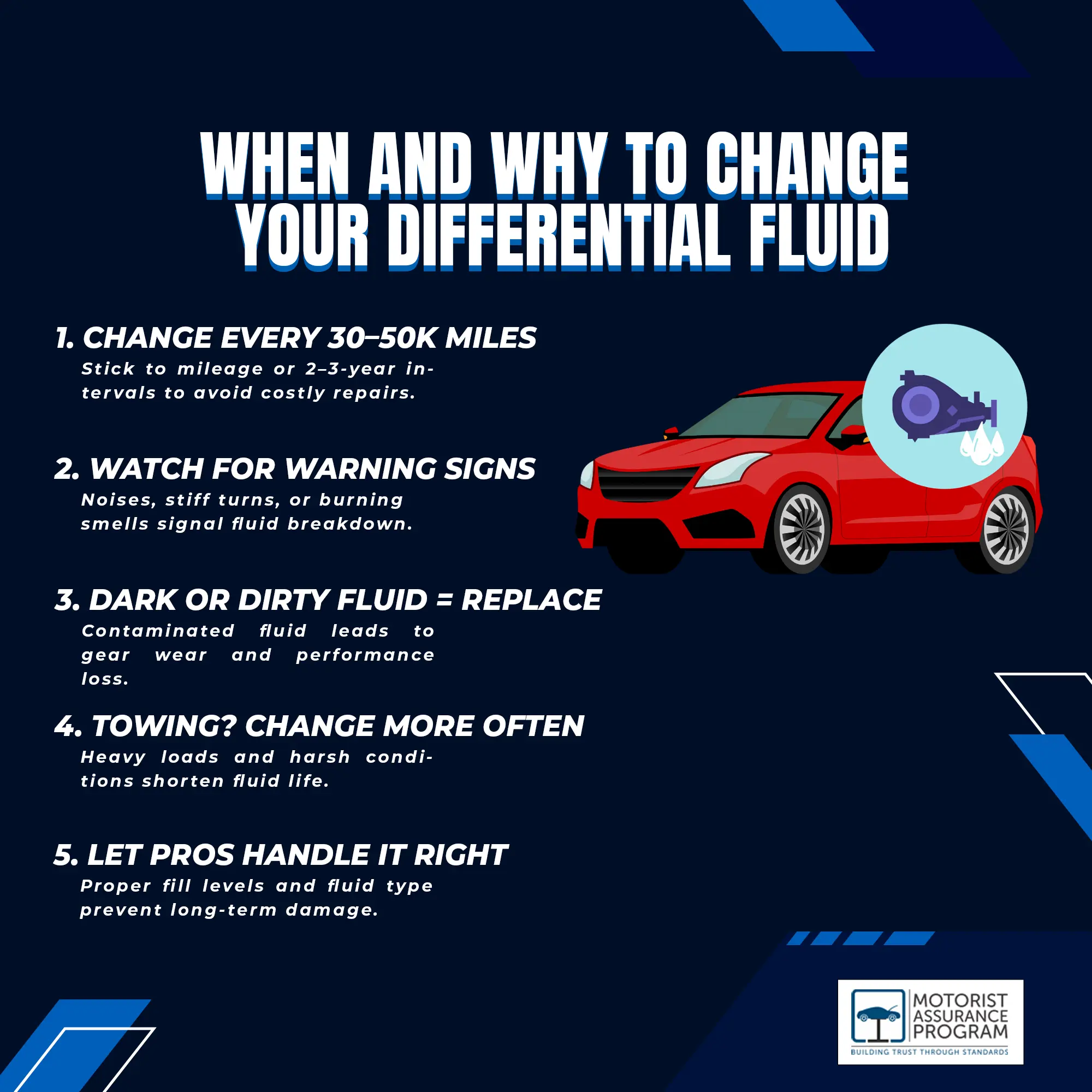
The differential helps your wheels turn at different speeds. Its fluid lubricates gears and prevents wear. Change this fluid every 30,000 to 60,000 miles. Check your owner’s manual for exact timing. Watch for leaks or strange noises near the rear axle.
Transfer Case Fluid Maintenance
Four-wheel and all-wheel drive vehicles have a transfer case. This part sends power to the front and rear wheels. The fluid inside needs changing about every 30,000 to 50,000 miles. Use the fluid type recommended by the manufacturer. Inspect the case for cracks or leaks during oil changes.
Other Fluids To Monitor
Power steering fluid affects how easily you turn the wheel. Check it every 20,000 miles or if steering feels stiff. Brake fluid keeps your brakes working well and should be replaced every 2 years. Coolant prevents your engine from overheating; check levels often and replace every 30,000 miles. Watch all fluids for color changes or dirt.
Factors Affecting Fluid Change Frequency
Several factors influence how often you should change the fluids in your car. These factors help determine the best schedule for fluid changes. Understanding them can save you from costly repairs and keep your car running smoothly.
Each vehicle and its use are unique. This means fluid change frequency can vary widely. Knowing these key factors helps you maintain your car properly.
Driving Conditions Impact
Driving in heavy traffic causes more wear on car fluids. Stop-and-go traffic heats up the engine and transmission. This speeds up fluid breakdown. Off-road driving or dusty roads can contaminate fluids faster. Cold weather causes fluids to thicken, reducing their efficiency. These conditions mean you should change fluids more often.
Vehicle Age And Mileage
Older cars often need more frequent fluid changes. As mileage increases, fluids collect more dirt and metal particles. These contaminants reduce fluid performance. High-mileage vehicles may need special fluids designed for wear protection. Regular fluid checks become more important as your car ages.
Manufacturer Recommendations
Car makers provide guidelines for fluid changes. These recommendations are based on tests and vehicle design. Following them ensures your car stays in warranty. They often list intervals in miles or months. Check your owner’s manual for the exact schedule. Stick to these guidelines for best results.
Tips For Fluid Maintenance
Proper fluid maintenance keeps your car running smoothly and safely. Fluids like oil, coolant, brake fluid, and transmission fluid need care. Simple habits help avoid costly repairs and improve performance. Follow these tips to maintain your car’s fluids effectively.
Regular Fluid Level Checks
Check fluid levels often, at least once a month. Use the dipstick for oil and transmission fluid. Inspect the coolant reservoir and brake fluid container. Low levels can cause engine damage or brake failure. Top up fluids as needed with the correct type.
Using Quality Replacement Fluids
Choose fluids that meet your car manufacturer’s standards. Avoid cheap or wrong types of fluids. Quality fluids protect your engine and parts better. They last longer and reduce wear and tear. Always read the label before buying replacement fluids.
Maintaining A Service Schedule
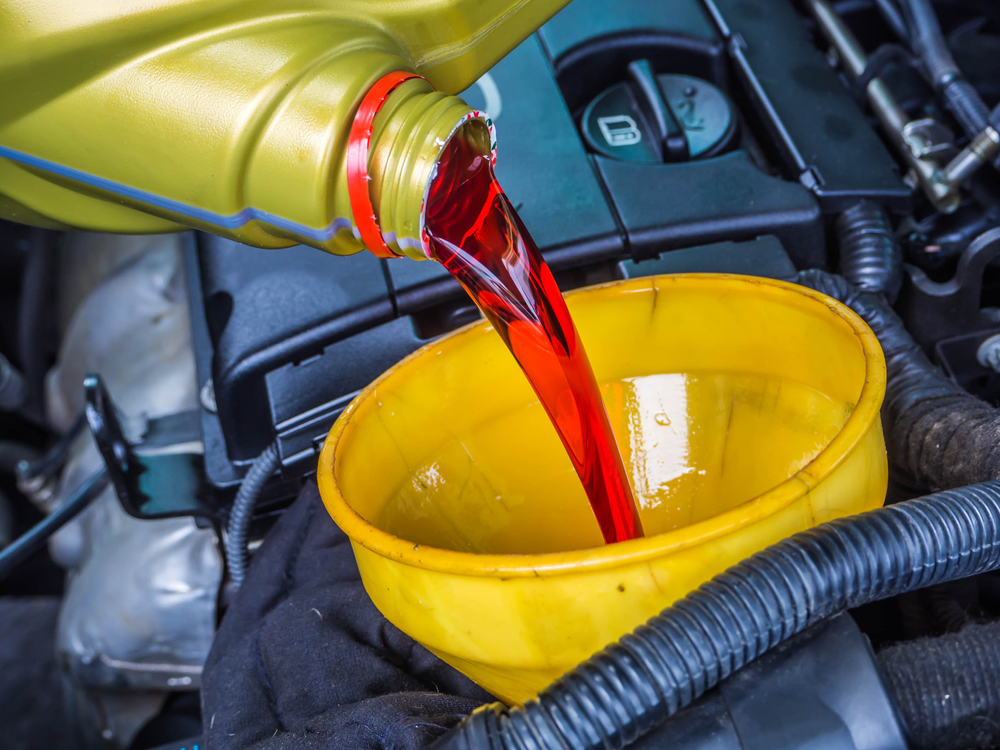
Stick to your car’s service schedule for fluid changes. Follow the intervals in your owner’s manual. Regular changes prevent sludge buildup and corrosion. Keep records of all fluid replacements. This helps maintain your car’s value and reliability.
Credit: www.cbac.com

Credit: www.capitalone.com
Frequently Asked Questions
How Often Should I Change My Car’s Engine Oil?
Change engine oil every 5,000 to 7,500 miles or as per the manufacturer’s guide. Regular changes keep the engine clean and efficient.
When Should I Replace Brake Fluid In My Car?
Brake fluid should be replaced every 2 years or 20,000 to 45,000 miles. Fresh fluid ensures proper brake system function and safety.
How Frequently Do I Need To Change Coolant?
Replace coolant every 30,000 to 50,000 miles or every 2 to 5 years. Proper coolant prevents engine overheating and corrosion.
How Often Is Transmission Fluid Replacement Necessary?
Change transmission fluid every 30,000 to 60,000 miles. This helps maintain smooth shifting and extends transmission life.
Conclusion
Regularly changing your car fluids keeps your vehicle running well. Each fluid has its own schedule to follow. Check your owner’s manual for exact intervals. Clean fluids help avoid costly repairs later. Stay alert to any changes in how your car drives.
Taking care of fluids protects your engine and parts. Small efforts now save big problems down the road. Keep your car healthy with simple, timely fluid changes. Easy to do, and worth every minute spent.

