

You want your car to look shiny and new for as long as possible. Using spray wax can help protect your paint and give it a brilliant shine.
But how often should you use spray wax on your car to get the best results without wasting time or product? If you’re unsure about the right balance, you’re not alone. You’ll discover the perfect routine for using spray wax that keeps your car looking great and saves you effort.
Keep reading to find out how to make your car shine effortlessly every time.
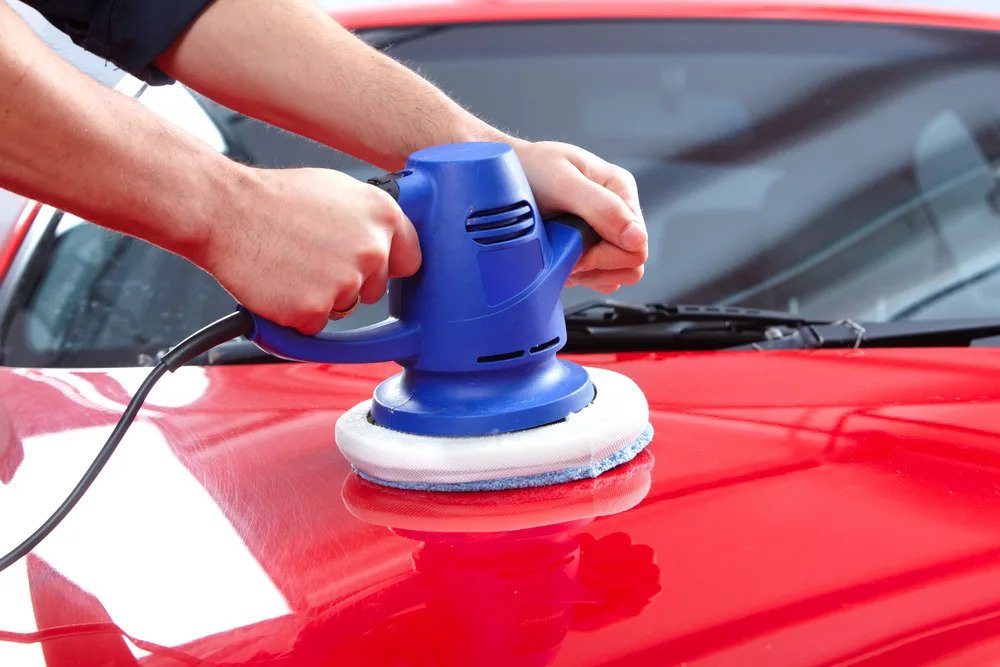
Credit: ethoscarcare.com
Benefits Of Spray Wax
Spray wax offers many benefits for car care. It helps keep your car looking fresh and clean. Using spray wax regularly can save time and effort. It protects your car’s paint and makes it shine bright.
Here are some key benefits of using spray wax on your car.
Enhancing Car Shine
Spray wax adds a shiny layer to your car’s surface. It brightens the color and makes the paint look new. The shine also makes dirt and dust less visible. Your car will look polished and well-kept after each use.
Protecting Paint Surface
Spray wax forms a thin shield on the paint. This shield guards against rain, dust, and sunlight. It helps prevent small scratches and fading. Regular use keeps the paint healthy and strong for longer.
Ease Of Application
Spray wax is quick and simple to use. It sprays on smoothly and spreads easily with a cloth. No need for hard rubbing or special tools. You can wax your car anytime, even without washing it first.
Credit: www.noxudolusa.com
When To Apply Spray Wax
Knowing when to apply spray wax helps keep your car looking fresh. Applying at the right time protects the paint and adds shine. It also saves effort by avoiding overuse or neglect. Several factors influence the best time to spray wax on your car.
Frequency Based On Weather
Hot and sunny weather can dry out the wax quickly. In this case, apply spray wax every two weeks. Rainy or humid conditions wash away wax faster. Reapply wax after heavy rain or storms. Cold weather slows wax wear, so every three to four weeks works. Adjust wax frequency with changing seasons.
Considering Car Usage
Cars driven daily need more frequent waxing. Dust, dirt, and road salt reduce wax protection. For occasional drivers, monthly waxing is enough. Parked cars need spray wax to protect from dust and bird droppings. Use wax more often if parking outdoors.
Signs Your Car Needs Wax
Look for dull or faded paint as a sign. Water no longer beads on the surface. The car feels rough or dirty after washing. Wax helps restore shine and smoothness. Apply spray wax whenever you notice these signs.
Types Of Spray Waxes
Spray wax comes in different types, each offering unique benefits. Understanding these types helps you pick the best option for your car. Some spray waxes are made with synthetic materials, while others use natural wax. Some products combine wax with quick detailers for fast application. Knowing the differences can improve your car care routine and keep your paint shiny and protected.
Synthetic Vs Natural Waxes
Synthetic waxes are made from man-made ingredients. They last longer and protect better against dirt and water. Natural waxes come from carnauba or other plant sources. They give a deep, warm shine but may not last as long. Both types work well but suit different needs and budgets.
Quick Detailers With Wax
Quick detailers often include wax to clean and shine at once. They remove light dust and fingerprints quickly. These sprays save time and add a thin layer of protection. Use them between full washes to keep your car looking fresh. They are easy to apply and dry fast.
Choosing The Right Product
Choose spray wax based on your car’s paint and weather conditions. For daily use, quick detailers with wax are good. For longer protection, try synthetic wax sprays. Natural wax sprays suit show cars needing extra shine. Always read product labels and follow instructions for best results.
Preparing Your Car
Preparing your car before applying spray wax is key to a smooth, lasting finish. This step helps the wax stick better and protects your paint. A clean, dry surface free from old wax and dirt makes a big difference.
Cleaning And Drying
Start by washing your car thoroughly. Use a mild car shampoo to remove dirt and grime. Avoid dish soap; it can strip protective layers. Rinse well to get rid of all soap residue. Dry the car with a soft microfiber towel. Water spots can ruin the shine, so ensure the surface is fully dry.
Removing Old Wax
Old wax can block new spray wax from bonding. Use a wax remover or a gentle clay bar to clear away old layers. This step ensures the new wax spreads evenly. Skip this, and you risk uneven shine or streaks. A clean slate gives the best results.
Ideal Conditions For Waxing
Choose a cool, shaded spot for waxing. Direct sunlight can cause the wax to dry too fast. Avoid windy days; dust will stick to the wet wax. The car’s surface should be cool to the touch. These conditions help the wax settle nicely and last longer.
Proper Application Techniques
Proper application techniques ensure the best results from spray wax on your car. Applying spray wax correctly helps protect your paint and adds shine. The right method saves time and avoids streaks or spots. Learn how to apply spray wax with care and precision for a smooth finish.
Spraying Methods
Hold the spray bottle about 6 to 8 inches from the car surface. Spray a light, even mist on a small section, not the whole car. Work on one panel at a time for better control. Avoid spraying too much wax. A little goes a long way.
Using Microfiber Towels
Use a clean microfiber towel to spread the spray wax. Gently wipe the wax in circular motions to cover the surface. Flip the towel often to avoid smearing dirt. Microfiber towels absorb wax and leave a smooth shine. Avoid rough cloths that can scratch the paint.
Avoiding Common Mistakes
Do not apply spray wax in direct sunlight or on a hot car. This can cause streaks and uneven drying. Avoid using too much wax in one spot. It can leave white marks or a hazy finish. Do not rush; take your time to spread wax evenly. Always test on a small area first.
Maintaining The Waxed Finish
Keeping your car’s wax finish in top shape needs care and attention. A waxed finish protects your car’s paint and keeps it shiny. But it can wear off over time. Dirt, rain, and sun can reduce its shine. Maintaining the wax means regular cleaning and careful touch-ups. Simple habits help the wax last longer and keep your car looking great.
Regular Washing Tips
Wash your car often to protect the wax layer. Use a mild car shampoo with clean water. Avoid harsh soaps that can strip the wax. Use a soft sponge or microfiber cloth. Rinse well to remove all soap and dirt. Dry the car with a soft towel. This stops water spots and keeps the wax safe.
Touch-up Applications
Small scratches and spots can harm the wax finish. Apply wax again to these areas to protect them. Use a clean cloth and a small amount of wax. Rub gently in circular motions. Let it dry and then buff with a soft cloth. This keeps the finish smooth and shiny.
Extending Wax Longevity
Park your car in shade to avoid sun damage. Avoid parking under trees that drop sap or leaves. Use a car cover if you keep your car outside. Wax your car after every 2 to 3 months. This keeps the protective layer strong. Regular care keeps your car’s paint bright and fresh.
Potential Risks Of Over-waxing
Applying spray wax too often can harm your car’s finish. Wax is good for protection, but too much causes problems. It is important to know the risks of over-waxing. This helps keep your car looking great for longer.
Wax Build-up Issues
Too much wax creates layers that do not dry well. These layers can trap dirt and dust easily. The wax may start to peel or flake off. This makes the car look dull and uneven. Cleaning off old wax layers takes more effort. It can also remove some paint protection.
Impact On Paint Durability
Over-waxing can weaken the paint over time. Thick wax layers block air and moisture from escaping. This causes the paint to lose its shine faster. It may lead to cracks or fading on the surface. Paint damage costs more to fix than regular waxing. Proper spacing between wax applications keeps paint strong.

Credit: wolfgangcarcare.com
Frequently Asked Questions
How Often Should I Apply Spray Wax On My Car?
Apply spray wax every 2 to 4 weeks for optimal shine and protection. Regular use maintains paint and repels dirt effectively.
Can I Use Spray Wax Instead Of Traditional Wax?
Spray wax is convenient for quick touch-ups but doesn’t replace traditional wax. Use traditional wax 2-3 times a year for deeper protection.
Does Spray Wax Protect Against Weather Damage?
Yes, spray wax adds a protective layer that shields paint from UV rays and light rain. It helps maintain your car’s finish longer.
Is Spray Wax Safe For All Car Paint Types?
Spray wax is generally safe for all paint finishes, including clear coats. Always check product instructions to ensure compatibility with your car’s paint.
Conclusion
Spray wax helps protect your car’s paint and shine. Use it every two to four weeks for best results. Apply on a clean, dry surface for easy use. It saves time compared to traditional waxing. Regular use keeps the car looking fresh and smooth.
Don’t overuse; too much can cause buildup. Keep your car’s finish bright and safe with simple care. A little effort goes a long way in car maintenance.


