

If you want your car to look shiny and new for longer, applying the right car wax is key. But how do you make sure you’re doing it right?
You might think it’s just about spreading wax on your car, but there’s a simple method that brings out the best results. In this guide, you’ll learn exactly how to apply Optimum Car Wax so your vehicle gets that smooth, glossy finish that turns heads.
Keep reading, and you’ll discover easy steps that save you time and give your car a professional shine every time.
Choosing The Right Car Wax
Choosing the right car wax is important for the best protection and shine. Each wax type has its own features and benefits. Picking the correct one depends on your car’s needs and your preferences.
Types Of Car Wax
Car wax comes in many forms. Paste wax offers a thick, durable layer. Liquid wax is easy to apply and spread. Spray wax is quick and good for touch-ups. Some waxes are synthetic, while others are natural. Each type affects how long the shine lasts.
Factors To Consider
Consider your car’s paint type before buying wax. Some waxes work better on certain paints. Think about how often you want to wax your car. Also, check if the wax protects against sun and rain. Ease of use matters if you wax your car yourself.
Wax Ingredients And Benefits
Natural waxes often include carnauba, known for a deep shine. Synthetic waxes use polymers for longer protection. Some waxes add UV blockers to guard paint. Others may contain cleaners to remove dirt. Each ingredient offers unique benefits for your car’s look.
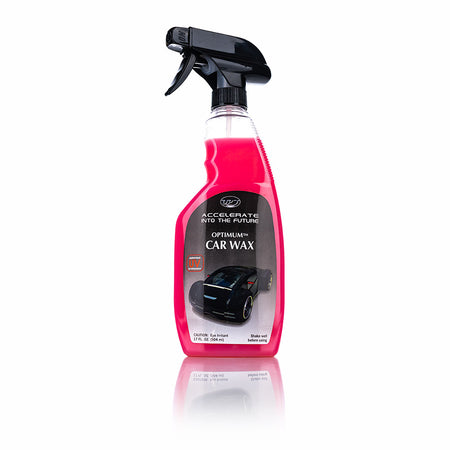
Credit: theragcompany.com
Preparing Your Car For Waxing
Preparing your car for waxing is an important step to get the best shine and protection. A clean and smooth surface helps the wax stick better. Taking time to prepare also prevents dirt from scratching your paint. Follow these simple steps before applying optimum car wax.
Washing And Drying
Start by washing your car thoroughly. Use a car shampoo and water to remove dirt and grime. Avoid household soaps; they can strip away wax. Rinse the car well with clean water. Dry your car with a soft microfiber towel. Make sure no water spots remain on the paint.
Removing Contaminants
After washing, check for stuck contaminants like tar, tree sap, or bug residue. Use a clay bar or a specialized cleaner to remove these. Gently rub the clay over the surface with a lubricant. This step smooths the paint and removes hidden dirt. Clean paint helps the wax bond properly.
Surface Inspection
Look closely at your car’s paint under good light. Check for scratches, swirls, or dull spots. These areas might need polishing before waxing. Fixing minor defects improves the wax’s finish and shine. A clean, smooth surface ensures the best wax protection.
Tools Needed For Wax Application
Applying car wax properly needs the right tools. These tools help spread wax evenly. They also protect your car’s paint. Using the best tools makes the job easier and cleaner. You get a smooth, shiny finish without streaks or spots.
Applicator Pads
Applicator pads are soft and round. They hold wax well for easy spreading. Choose foam or microfiber pads for best results. These pads help apply wax in thin, even layers. They reduce the chance of scratching your car’s surface.
Microfiber Towels
Microfiber towels are key for buffing wax off. They are soft and absorbent. Use clean towels to avoid dirt or scratches. Microfiber towels remove wax residue without smearing. They leave your car shiny and smooth.
Optional Accessories
Some tools make waxing easier but are not needed. A dual-action polisher can speed up the process. Waxing gloves protect your hands from chemicals. A detailing brush helps clean tight spots before waxing. These accessories improve comfort and results.
Step-by-step Wax Application
Applying car wax properly takes patience and care. Doing it step-by-step helps you get the best shine and protection. Follow these simple steps to apply wax like a pro. The key is to work on small parts and use the right motions. Avoid mistakes that can ruin your car’s finish.
Applying Wax In Small Sections
Work on one small section at a time. This stops the wax from drying too fast. Use a soft cloth or foam applicator. Spread the wax evenly over the area. Cover about two square feet each time. Small sections make it easier to control the process. It also helps to get a smooth, even coat.
Using Circular Motions
Apply wax using small, circular motions. This helps the wax stick better to the paint. Move your hand gently but firmly. Circles help cover every spot without missing areas. Avoid straight lines that can leave streaks. Circular rubbing also brings out a deeper shine.
Avoiding Common Mistakes
Do not apply wax in direct sunlight. The heat can make it dry too fast. Avoid thick layers of wax. Too much wax creates a cloudy look. Don’t rush the process; take your time. Use clean cloths to prevent scratches. Always follow the wax product’s instructions carefully.
Buffing And Polishing Techniques
Buffing and polishing are key steps in applying car wax. These steps help bring out a deep shine and protect your car’s paint. Proper techniques ensure the wax spreads evenly. They also prevent streaks and smudges. Follow simple tips to get the best results.
Timing For Buffing
Wait for the wax to dry before buffing. Drying time depends on the wax type and weather. Usually, it takes 5 to 15 minutes. The wax should feel hazy, not wet or sticky. Buffing too soon can smear the wax. Buffing too late makes it hard to remove.
Choosing The Right Cloth
Use a soft microfiber cloth for buffing. Microfiber cloths are gentle on paint and avoid scratches. Avoid rough or old cloths with debris. Clean cloths absorb wax well and spread it evenly. Keep several cloths ready for different areas.
Achieving A Uniform Shine
Buff in small, circular motions. This spreads wax evenly across the surface. Apply gentle pressure to avoid marks. Work on one panel at a time. Check your work in good light to spot missed spots. A uniform shine shows your car’s paint at its best.
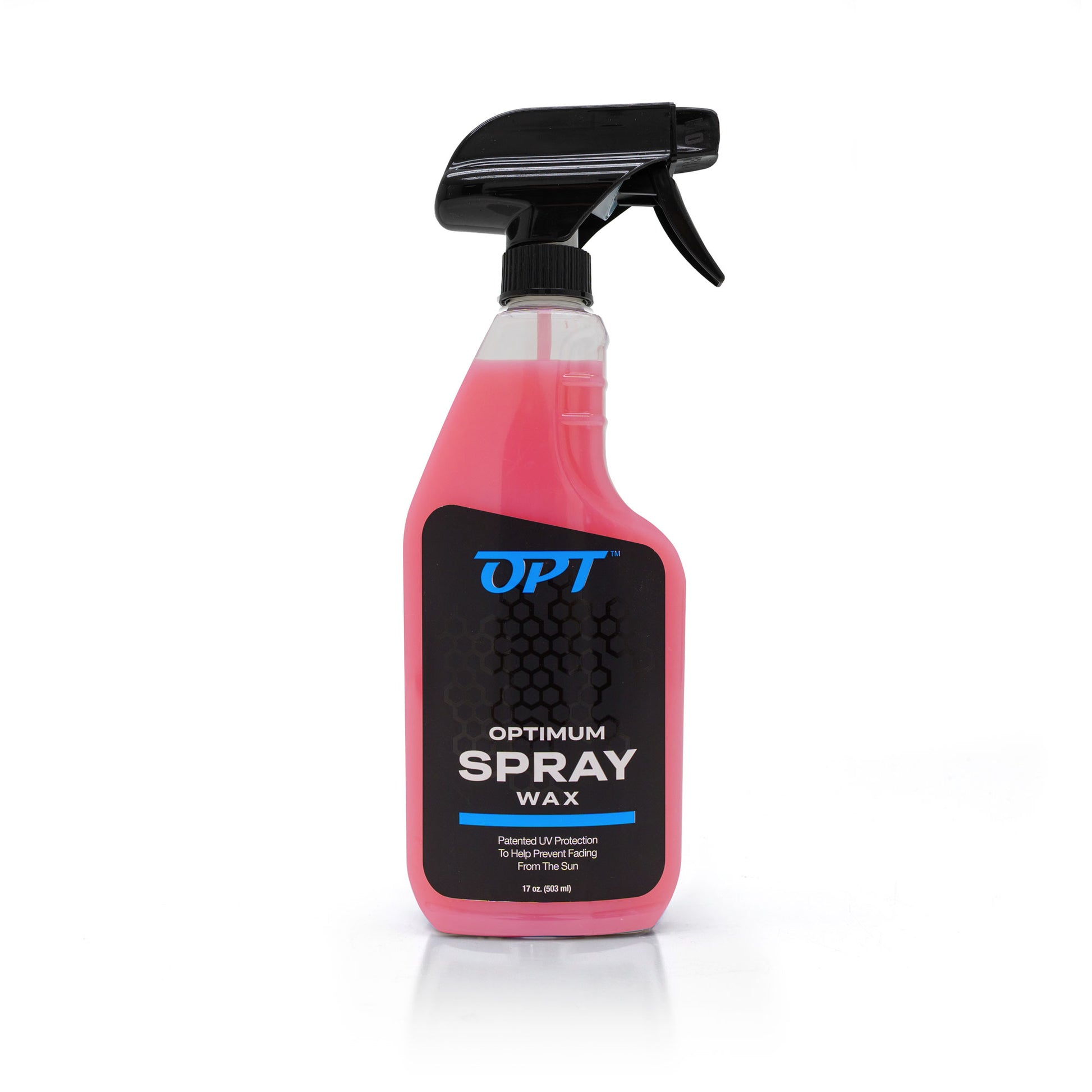
Credit: opticoat.com
Maintenance Tips For Lasting Shine
Maintaining the shine of your car after applying Optimum Car Wax is essential. Proper care helps keep the wax layer strong and your car looking fresh. Follow simple steps to protect the wax and enjoy a glossy finish for longer.
Regular Washing
Wash your car regularly to remove dirt and dust. Use a mild car shampoo and soft cloth or sponge. Avoid harsh detergents that can strip wax. Clean surfaces gently to protect the wax layer. Dry your car with a soft towel to prevent water spots.
Spot Cleaning
Clean bird droppings, tree sap, or bug splatters immediately. These can damage the wax and paint if left too long. Use a quick detailer spray and a soft microfiber cloth. Dab gently without scrubbing to avoid scratching the surface.
Reapplying Wax
Reapply Optimum Car Wax every 2 to 3 months. This refreshes the protective layer and boosts shine. Apply a thin, even coat using a foam applicator pad. Let it haze, then buff with a clean microfiber towel. Regular reapplication keeps your car protected and glossy.
Troubleshooting Waxing Issues
Applying car wax can sometimes lead to small problems. These issues can affect the shine and smoothness of your car’s surface. Fixing these problems is easy with the right steps. Here are common waxing issues and how to solve them quickly.
Removing Wax Residue
Wax residue looks like a cloudy film on your car. It happens when wax dries too long before wiping. Use a clean microfiber cloth to remove residue. Wipe gently in circular motions. Avoid pressing too hard to stop scratches. If residue stays, use a wax remover product. This cleans leftover wax without harming the paint.
Dealing With Streaks
Streaks appear as lines or marks after waxing. They happen if wax is applied unevenly or wiped too fast. To fix streaks, use a soft cloth dampened with water. Lightly buff the streaked area until smooth. Avoid using too much water, which can wash off wax. For tough streaks, apply a thin wax layer again and wipe carefully.
Fixing Uneven Gloss
Uneven gloss means some areas shine less than others. This problem occurs from uneven wax layers or not spreading wax well. To fix, apply wax in small sections using a foam applicator. Use gentle, even pressure to spread wax smoothly. After applying, buff the area with a dry cloth. Repeat on dull spots until gloss looks uniform.

Credit: opticoat.com
Frequently Asked Questions
What Is The Best Way To Apply Optimum Car Wax?
Apply optimum car wax in a shaded, clean area. Use a foam applicator pad to spread wax evenly. Apply thin, circular layers and let it dry to a haze before buffing with a microfiber cloth.
How Often Should I Wax My Car For Best Results?
Wax your car every 3 to 4 months to maintain optimal protection. Frequent waxing shields paint from UV rays, dirt, and water. This routine keeps your car glossy and preserves the finish.
Can I Apply Optimum Car Wax On A Wet Car?
No, always apply optimum car wax on a dry car. Moisture prevents proper bonding and reduces wax effectiveness. Ensure your car is clean and fully dry before waxing for best results.
Is It Necessary To Wash The Car Before Waxing?
Yes, washing removes dirt, grime, and contaminants that interfere with wax adhesion. Use a pH-balanced car shampoo and dry thoroughly. Clean surfaces ensure a smooth application and longer-lasting protection.
Conclusion
Applying optimum car wax protects your vehicle and keeps it shiny. Clean the surface well before starting the wax application. Use small amounts and apply in thin, even layers. Let the wax dry to a haze, then buff gently. Regular waxing helps your car resist dirt and water.
It also makes washing easier and saves paint from damage. Take your time and enjoy the process. A well-waxed car looks fresh and cared for. Simple steps lead to great results every time.


