

You’ve just got a brand-new car, and it looks amazing. Naturally, you want to keep it shining and protected.
But a question probably popped into your mind: how soon can you wax your new car? Waxing too early might cause problems, while waiting too long could leave your paint unprotected. You’ll discover the perfect timing and the best tips to make your car’s finish last longer and look stunning.
Keep reading to find out exactly when and how to wax your new ride for the best results.
Credit: www.chipsaway.co.uk
When To Wax A New Car
Knowing when to wax a new car helps protect its paint and keeps it shiny. Waxing too soon or too late can affect the finish. Understanding the right timing ensures your car looks great for years.
Factory Paint And Wax Coatings
New cars come with a factory paint layer. This layer often has a thin protective coating. Some cars even have a light wax or sealant applied by the factory. This coating protects the paint during shipping and sale.
This factory layer is delicate. Waxing immediately can damage it. It needs time to fully cure and harden after the car leaves the factory. This curing process helps the paint settle and bond.
Recommended Waiting Periods
The best time to wax a new car is after the paint cures. This usually takes 30 to 90 days. Many experts suggest waiting at least 60 days for best results. The exact time depends on the car’s paint type and climate.
Waiting allows the paint to harden. It also helps any factory wax layer to wear off naturally. Waxing too early may trap dirt or moisture under the wax. That can harm the paint over time.
Signs Your Car Is Ready
Look for a smooth, dry surface on your car’s paint. The paint should feel hard, not soft or sticky. Water should bead up and roll off easily. This shows the paint is cured well.
If the paint looks dull or feels rough, wait longer. If you see no water beading, the factory wax might still be there. Once these signs appear, your car is ready for waxing.
Credit: worldautobody.com
Types Of Wax For New Cars
Waxing a new car protects its paint and keeps it shiny. Different wax types offer various benefits. Choosing the right wax helps maintain your car’s look and value.
Each wax type works differently and lasts for different times. Understanding these types makes waxing easier and more effective.
Natural Vs Synthetic Waxes
Natural waxes come from plants or animals, like carnauba wax. They give a deep, warm shine and a smooth finish. Natural waxes usually last a few weeks.
Synthetic waxes are made in labs. They create a strong protective layer and last longer than natural waxes. Synthetic waxes can resist water and dirt better.
Sealants And Ceramic Coatings
Sealants are similar to synthetic waxes but last longer. They protect the paint for months. Sealants give a glossy and hard finish.
Ceramic coatings are liquid polymers that bond to the car’s surface. They offer strong protection and can last for years. Ceramic coatings resist scratches, chemicals, and UV rays.
Choosing The Right Product
Consider your budget and how long you want protection. For quick shine and easy use, natural or synthetic waxes work well. For long-term protection, sealants or ceramic coatings are better.
Think about your car’s color and finish. Dark cars show swirl marks easily, so a high-quality product helps. Always follow product instructions for best results.
Preparing Your Car For Waxing
Preparing your car before waxing is very important. It helps the wax stick better and last longer. Clean and smooth surfaces give the best shine and protection.
Taking the right steps before waxing saves time and effort later. It also keeps your car’s paint safe and looking new. Follow these simple steps for the best results.
Washing And Drying Techniques
Start by washing your car with a gentle car shampoo. Use a soft sponge or mitt to avoid scratches. Rinse well to remove all soap and dirt.
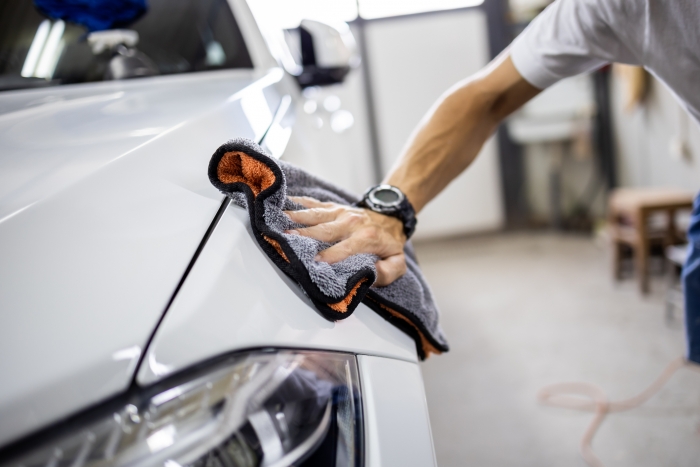
Dry the car completely with a clean, soft microfiber towel. Avoid air drying to stop water spots. Pat dry instead of rubbing to protect the paint.
Removing Contaminants
Check for stubborn dirt like tar, tree sap, or bird droppings. Use a clay bar or a special cleaner to remove these. Contaminants can block wax from sticking properly.
Work gently and in small sections. This step makes the surface smooth and ready for waxing.
Surface Inspection
Look closely at your car’s paint under good light. Check for scratches, swirl marks, or dull spots. Wax works best on clean, smooth surfaces.
Fix minor paint issues before waxing to improve shine. Skipping this step can reduce the wax’s effectiveness.
Waxing Techniques For A Perfect Shine
Waxing a new car brings out its best shine and protects its surface. Using the right techniques ensures the wax spreads evenly and lasts longer. Small steps make a big difference in the final look. Learn simple ways to apply wax correctly and keep your car shining.
Application Methods
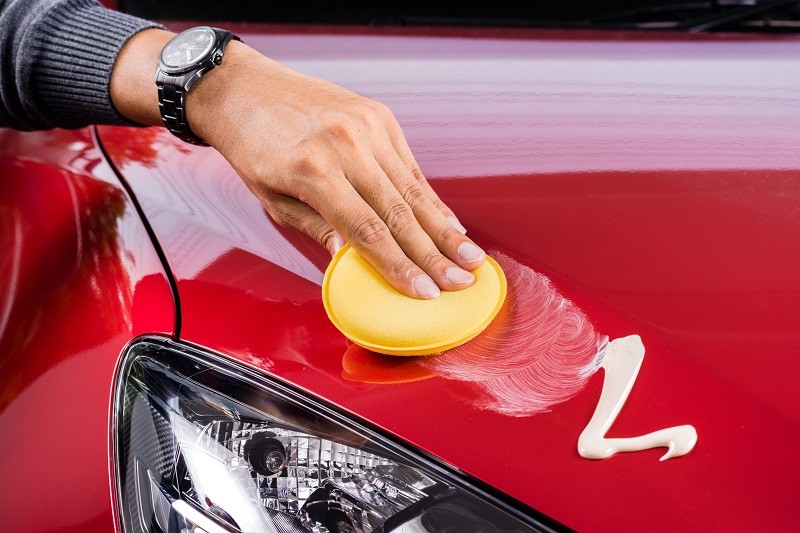
Start with a clean, dry car surface. Use a foam or microfiber applicator pad. Apply wax in small circles for even coverage. Work on one panel at a time to avoid streaks. Thin layers dry faster and give better results. Avoid applying wax under direct sunlight to prevent spots.
Buffing Tips
Let the wax dry to a haze before buffing. Use a clean microfiber cloth for best results. Buff with light, circular motions to enhance shine. Change cloth sides often to avoid smudging. Avoid pressing too hard to prevent scratches. Finish by wiping with a soft cloth for a smooth surface.
Avoiding Common Mistakes
Do not wax over dirt or grime; it traps particles. Avoid using old or contaminated applicators. Skip waxing on hot or wet surfaces. Do not rush the drying time before buffing. Avoid using too much wax; it causes buildup. Follow product instructions carefully for best results.
Maintaining Your Car’s Wax
Maintaining your car’s wax keeps its shine fresh and protects the paint. Wax creates a barrier against dirt, water, and sun damage. Regular care helps the wax last longer and preserves your car’s look. Follow simple steps to keep that glossy finish every day.
How Often To Wax
Wax your car every three to four months. This schedule keeps the paint safe and shiny. If your car stays outside in strong sun or rain, wax more often. Too much wax is not needed and can build up. Stick to a routine to protect your car well.
Touch-up Tips
Spot wax after washing to fix small dull areas. Use a small amount of wax on a soft cloth. Rub gently in circles until the shine returns. Touch-ups keep the whole car looking fresh between full wax jobs. Avoid harsh rubbing to protect the paint.
Protecting Your Shine In Different Weather
Sun and rain can wear off wax quickly. In hot weather, park in shade to reduce damage. In cold or wet seasons, wash off salt and grime fast. Use a quick detailer spray to add extra protection. These steps help your wax last longer in any weather.

Credit: www.boston.com
Frequently Asked Questions
How Soon Can I Wax My New Car After Purchase?
You should wait at least 30 days before waxing a new car. This allows the factory paint sealant to cure properly. Waxing too early might damage the paint or reduce shine. After 30 days, waxing helps protect and enhance your car’s finish.
Why Wait Before Waxing A New Car?
Waiting lets the paint fully cure and harden. Factory paint has a protective layer that needs time to set. Applying wax too soon can trap contaminants or cause uneven shine. Patience ensures better adhesion and longer-lasting protection from the wax.
Can I Use Any Wax On A New Car?
Choose a high-quality, non-abrasive wax suitable for new paint. Avoid harsh or abrasive products that may damage the clear coat. Carnauba wax or synthetic sealants are ideal for new cars to provide protection and a glossy finish.
What Happens If I Wax My Car Too Soon?
Waxing too soon can trap moisture and contaminants under the wax. It may cause streaking, dullness, or paint damage. Early waxing can interfere with the curing process, reducing paint durability. Always wait for the paint to fully cure for best results.
Conclusion
Waxing your new car protects its paint and keeps it shiny. Wait at least 30 days after purchase before waxing. This allows the paint to fully cure and harden. Waxing too soon can cause damage or uneven finish. Use a good quality wax and apply in small sections.
Regular waxing helps maintain your car’s appearance and value. Clean the car well before waxing for best results. Taking time to wax right makes your car look great longer. Simple care makes a big difference.


