

You just got a brand-new car, and it looks amazing. But you might be wondering: how soon should I wax my new car?
Waxing isn’t just about making your car shine—it protects your paint and keeps your car looking fresh for years. If you wait too long, dirt and grime could damage that pristine finish. If you wax too soon, you might not get the best results.
You’ll discover the perfect timing for waxing your new car and easy tips to keep it looking its best. Keep reading to make sure your car stays as stunning as the day you drove it off the lot.
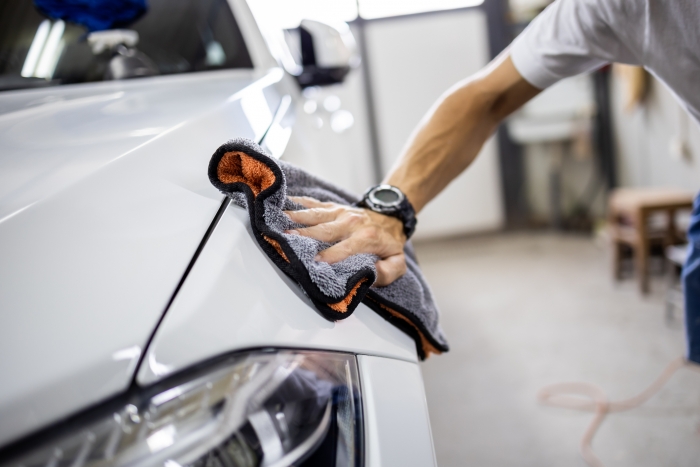
Credit: www.chipsaway.co.uk
When To Wax A New Car
Knowing the right time to wax a new car helps protect its paint. Waxing too soon can harm the finish. Waiting too long lets dirt and grime build up. Understanding when to wax keeps your car shiny and safe.
Factory Paint Curing Time
New cars have fresh paint that needs time to harden. This process is called curing. It usually takes about 30 to 60 days. During this time, the paint becomes strong and durable. Waxing before curing finishes can trap solvents and cause damage. Patience is key for the best results.
Signs Paint Is Ready
Look for a smooth, even surface on the paint. It should feel hard, not soft or sticky. Water should bead up and roll off easily. No dull spots or fingerprints should remain. These signs show the paint is ready for waxing. Once ready, waxing protects and enhances the shine.

Credit: www.bowmanchevy.com
Factors Affecting Wax Timing
Knowing the right time to wax your new car depends on several factors. These factors affect how well the wax sticks and protects the paint. Understanding them helps keep your car looking shiny and new for longer. Two key factors are climate and weather, and the type of paint finish on your car.
Climate And Weather Impact
The weather in your area changes how often you should wax. Hot and sunny places make wax break down faster. Rainy or snowy areas add dirt and salt that harm the paint. Humid climates can cause wax to wear off quicker too. Cars in mild weather need waxing less often. Adjust your waxing schedule based on local climate.
Type Of Paint Finish
Different paint finishes react differently to wax. Glossy finishes show scratches and dirt more. They need waxing soon to protect the shine. Matte finishes are delicate and require special waxes. Some finishes have protective coatings that last longer. Check your car’s paint type before waxing. Use the right wax for the best results.
Types Of Wax For New Cars
Choosing the right wax for a new car helps protect its fresh paint. Wax adds shine and guards against dirt, rain, and sun. Different wax types suit different needs and budgets. Knowing the options makes the best choice easier.
Some waxes offer a deep shine but need frequent reapplication. Others last longer but may not shine as much. Understanding these differences helps keep your new car looking great.
Carnauba Vs Synthetic Wax
Carnauba wax comes from a Brazilian palm tree. It creates a rich, warm shine that many car lovers prefer. This wax feels natural and gives a smooth finish. It wears off faster, so you need to apply it more often.
Synthetic wax is made from man-made ingredients. It creates a glossy, wet look on the paint. This type lasts longer and protects better against weather. It is easier to apply and removes dirt well.
Both waxes protect your car’s paint. Carnauba offers shine but less durability. Synthetic wax lasts longer but has a different shine style.
Sealants And Ceramic Coatings
Sealants are like synthetic wax but stronger. They form a hard layer on your car’s surface. This layer protects paint from scratches and sun damage. Sealants last for months without needing a new coat.
Ceramic coatings are advanced products for long-term protection. They bond with paint to create a tough shield. This shield repels water, dirt, and chemicals better than wax or sealants. Ceramic coatings can last years but cost more and need expert application.
Sealants and ceramic coatings protect better than regular wax. They keep your car cleaner and guard paint longer. Choose based on how much time and money you want to spend.
Preparing Your Car Before Waxing
Preparing your new car before waxing is very important. It helps the wax stick better and last longer. Dirt, dust, and other particles can block the wax from protecting the paint. Cleaning your car properly is the first step to a shiny finish.
Proper Washing Techniques
Start with a gentle rinse using clean water. Use a soft sponge or microfiber cloth. Choose a car shampoo made for automotive paint. Avoid household soaps that can strip wax or damage paint. Wash the car in sections to keep the surface wet. Rinse each section before moving on. Dry the car with a clean, soft towel to stop water spots.
Removing Contaminants
After washing, check for stubborn spots like tar, sap, or bird droppings. Use a clay bar to remove these contaminants safely. Lubricate the surface with clay lubricant or soapy water. Gently rub the clay over the paint until smooth. This step clears hidden dirt that washing misses. Clean paint means better wax adhesion and shine.
Waxing Frequency For New Cars
Knowing how often to wax a new car can keep it looking fresh and shiny. Waxing adds a layer of protection and enhances the paint’s brightness. New cars need special care to maintain their showroom look. Regular waxing helps preserve the paint and prevents damage from dirt and sun. The right frequency depends on the wax type and driving conditions. A simple waxing schedule can extend the life of your car’s finish.
Maintaining Shine
Waxing keeps your car’s shine bright and smooth. It fills tiny scratches and evens out the surface. A fresh coat of wax makes the paint look glossy and new. For new cars, waxing every three months works well. This timing helps keep the shine without overdoing it. If the car stays mostly indoors, waxing four times a year is enough. Regular waxing stops the paint from looking dull or faded.
Protecting The Paint
Wax creates a barrier against harmful elements like UV rays and dirt. It prevents the paint from drying out and cracking. New cars have a delicate clear coat that wax shields from damage. Waxing every two to three months protects this layer effectively. Cars driven often or in harsh weather may need waxing more often. This protection reduces the risk of rust and stains. Good wax care keeps the paint smooth and healthy for years.

Credit: www.boston.com
Common Waxing Mistakes To Avoid
Waxing a new car protects its paint and keeps it shiny. Yet, many people make simple mistakes that can harm the finish. Avoiding these errors helps your wax last longer and your car look better. Learn the common waxing mistakes to keep your new car in top shape.
Waxing Too Soon
New cars often have factory paint sealants. These sealants need time to settle before waxing. Waxing too soon can trap chemicals under the wax. This may cause uneven shine or damage. Wait at least 30 days after purchase before waxing. This allows paint to cure fully and prevents problems.
Using The Wrong Products
Choosing the right wax matters a lot. Some waxes do not suit all paint types. Using harsh chemicals can strip paint protection. Avoid products with strong solvents or abrasives. Pick wax made for automotive paint. Read labels carefully to ensure compatibility with your car’s finish.
Frequently Asked Questions
How Soon After Purchase Should I Wax My New Car?
You should wait at least 30 days before waxing a new car. This allows the factory paint to fully cure and harden. Waxing too early can trap contaminants or damage the paint. After 30 days, waxing protects and enhances your car’s finish effectively.
Can I Wax My Car Immediately After Washing?
It’s best to dry your car completely before waxing. Wax adheres better on a clean, dry surface. Avoid waxing if the surface feels cool or damp. Drying ensures the wax bonds properly and provides a smooth, long-lasting shine.
How Often Should I Wax My New Car?
Wax your new car every 3 to 4 months for optimal protection. Frequent waxing maintains the paint’s shine and guards against environmental damage. Seasonal changes may require more frequent application for best results.
Does Waxing Improve My Car’s Paint Durability?
Yes, waxing adds a protective layer to your paint. It shields against UV rays, dirt, and minor scratches. Waxing also repels water and reduces oxidation, keeping the paint fresh and durable over time.
Conclusion
Waxing your new car soon helps protect its paint and shine. Wait about 30 to 60 days after purchase before the first wax. This time lets the paint cure fully. Regular waxing keeps your car looking fresh and clean. It also guards against dirt, rain, and sun damage.
You can wax at home or visit a professional. Keep your car’s finish smooth and strong with good care. A little effort goes a long way in preserving your car’s beauty. Remember, clean and wax often for the best results.


