

Are you ready to turn your passion for cars and creativity into a rewarding career? Becoming a vinyl wrap installer might be the perfect path for you.
Imagine transforming ordinary vehicles into eye-catching works of art while earning a steady income. But how do you get started? This guide will walk you through the exact steps you need to take to become a skilled vinyl wrap installer.
By the end, you’ll know what skills to build, what tools to get, and how to find your first clients. Keep reading to discover how you can make this exciting career your reality.
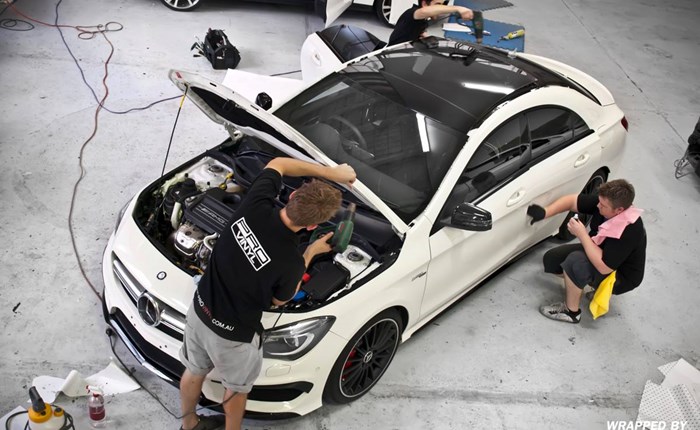
Credit: www.3domwraps.com
Skills Needed For Vinyl Wrapping
Vinyl wrapping requires specific skills to achieve great results. These skills help installers work cleanly and efficiently. Good skills reduce mistakes and improve customer satisfaction.
Understanding these skills can prepare you for a career in vinyl wrapping. They help you handle different materials and complex projects with ease.
Precision And Attention To Detail
Precision is key in vinyl wrapping. Each cut and placement must be exact. Small errors can cause bubbles or wrinkles in the wrap.
Attention to detail helps catch flaws early. It ensures edges and seams look smooth. This skill improves the final appearance of the wrap.
Patience And Steady Hands
Vinyl wrapping takes time and patience. Rushing can lead to mistakes and damage. Steady hands keep the vinyl smooth during application.
Patience helps with tricky areas like curves and corners. It allows careful stretching and fitting of the vinyl. This skill prevents tears and uneven spots.
Knowledge Of Materials And Tools
Knowing vinyl types helps you choose the right one for each job. Some vinyls stretch more, while others resist heat better. Understanding this helps in different environments.
Familiarity with tools like squeegees and heat guns is important. Proper use of tools makes the wrap look clean and professional. It also speeds up the installation process.
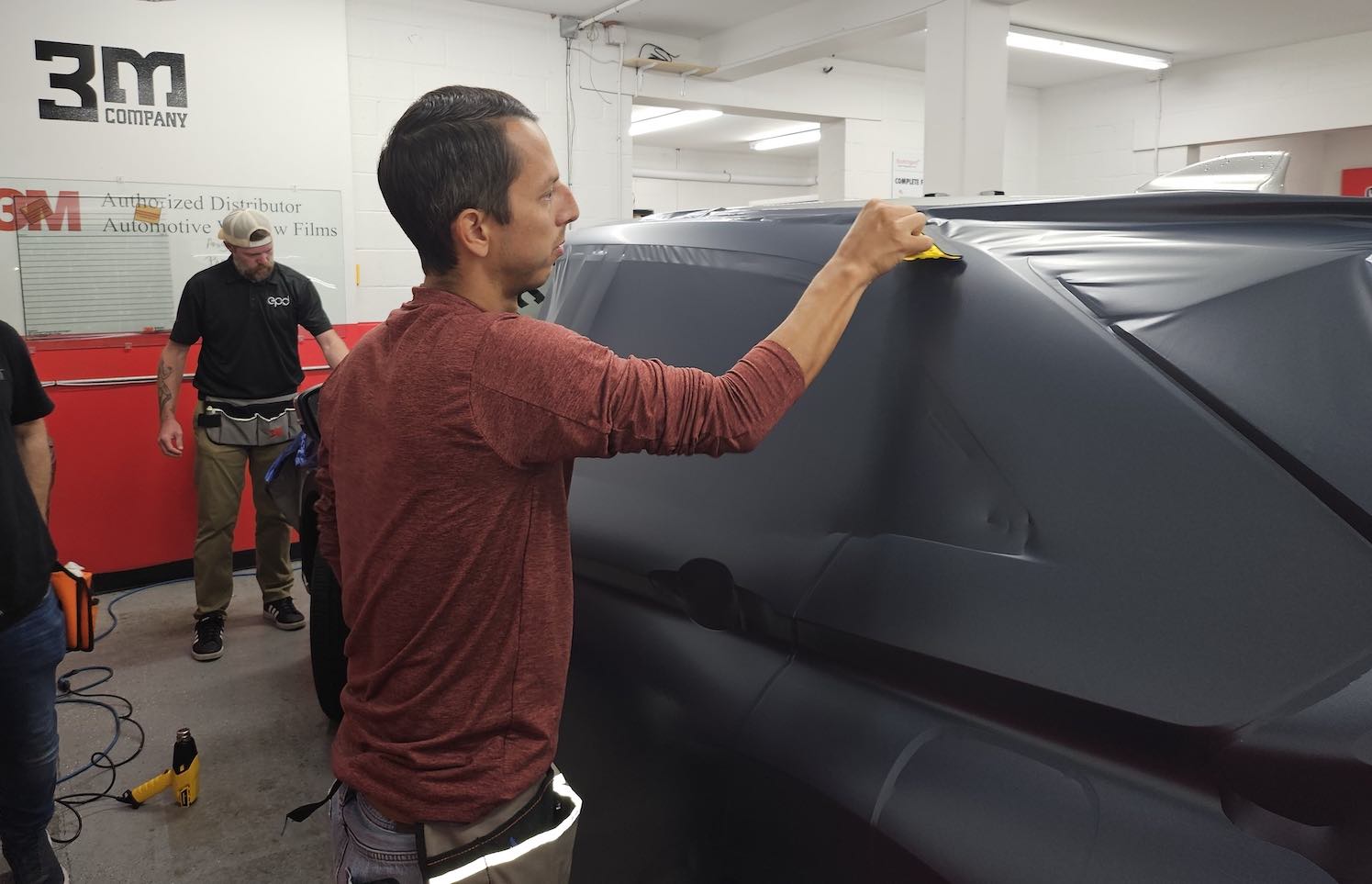
Credit: epdwindowfilm.com
Essential Equipment And Supplies
Starting a career as a vinyl wrap installer needs the right tools and materials. Good equipment helps apply wraps smoothly and last longer. Knowing what to use saves time and avoids mistakes. This section covers key supplies and tools to get started.
Types Of Vinyl Wrap Films
Vinyl wrap films come in many styles. Cast vinyl is thin and flexible. It fits well on curves and lasts longer. Calendared vinyl is thicker and cheaper. It works best on flat surfaces. Matte, gloss, and satin finishes change the look. Specialty films include carbon fiber and chrome. Choose film type based on the job’s needs.
Tools For Application
Installers need several tools for a smooth wrap. A squeegee pushes out air bubbles and smooths vinyl. A heat gun helps stretch and shape the film. Cutting tools like knives and blades trim edges cleanly. Gloves protect hands and prevent fingerprints. Measuring tape and markers help with precise cuts. Each tool plays a specific role during installation.
Workspace Setup
A clean, well-lit workspace is essential. Dust or dirt can ruin a wrap’s finish. Use a flat surface for laying out materials. Temperature control helps vinyl stretch and stick properly. Good lighting reveals imperfections during application. Keep tools organized and within reach. A tidy area speeds up the work and reduces errors.
Learning The Basics
Learning the basics is the first step to becoming a vinyl wrap installer. Understanding core skills and techniques builds a strong foundation. This helps you work confidently and achieve better results. Focus on the essential knowledge before moving to advanced skills.
Choosing The Right Training
Select training programs that cover essential vinyl wrap skills. Look for courses taught by experienced professionals. Training should include surface preparation, cutting, and application methods. Good training saves time and reduces mistakes. Choose options that fit your budget and schedule.
Online Courses And Tutorials
Online courses offer flexible learning for beginners. Many videos show step-by-step instructions on vinyl wrapping. Tutorials often cover tools, materials, and common problems. Watch several tutorials to compare techniques. Practice along to improve your skills faster.
Hands-on Practice Techniques
Practice is key to gaining confidence in vinyl wrapping. Start with small projects like wrapping a laptop or phone case. Use scrap vinyl to try different cuts and curves. Work on applying vinyl without bubbles or wrinkles. Regular practice helps you learn control and precision.
Advanced Wrapping Techniques
Advanced wrapping techniques help vinyl wrap installers improve their skills. These techniques allow for cleaner, smoother, and more professional results. Learning these skills sets experienced installers apart from beginners. It also helps work on complex vehicle shapes and designs.
Handling Curves And Edges
Curves and edges challenge vinyl wrap installation. To handle them well, stretch the vinyl gently and heat it using a heat gun. This makes the vinyl more flexible. Use a squeegee to press the vinyl firmly over curves. Take care not to stretch the vinyl too much to avoid damage. Trim excess vinyl carefully along edges for a neat finish.
Removing Wrinkles And Bubbles
Wrinkles and bubbles spoil the wrap’s appearance. Use a squeegee to push air out from the center toward the edges. Heat the vinyl slightly to relax it, which helps smooth out wrinkles. Small bubbles can be pierced with a pin and then pressed flat. Patience is key to achieving a flawless surface.
Custom Designs And Patterns
Custom designs add uniqueness to vinyl wraps. Use printed vinyl films to apply patterns or logos. Align designs carefully before pressing them onto the vehicle. Cut out intricate shapes with precision using sharp blades. Practice helps improve cutting skills and design placement accuracy.
Building A Portfolio
Building a strong portfolio is key to becoming a successful vinyl wrap installer. It shows your skills and helps attract clients. A good portfolio proves your work quality and experience. Focus on clear, well-organized examples that highlight your abilities.
Documenting Your Work
Take clear photos of every project you complete. Use good lighting and steady shots. Capture all angles to show details. Keep photos organized by date or client. This helps track your progress and builds trust with customers.
Creating Before And After Shots
Show the vehicle before you start wrapping. Then take photos after the wrap is done. Side-by-side images highlight your impact. They help clients see the difference you make. Keep these shots consistent for a professional look.
Showcasing Variety In Projects
Include different types of wraps in your portfolio. Show work on cars, trucks, and other surfaces. Use various colors and designs to display your range. A diverse portfolio attracts more clients and opportunities.

Credit: www.3domwraps.com
Finding Clients And Jobs
Finding clients and jobs is a key step for anyone who wants to work as a vinyl wrap installer. Without a steady flow of clients, it can be hard to build a strong business. Many new installers struggle to get their first few jobs. That is why having clear strategies helps. These strategies open doors to many opportunities and steady work.
Networking Strategies
Networking is a powerful way to meet potential clients. Start by connecting with local car shops and detailing businesses. Attend car shows and community events. Talk to car owners and professionals about your services. Join online groups and forums related to car customization. A simple conversation can lead to a new job. Keep business cards handy and share them often. Building relationships brings trust and referrals.
Marketing Your Services
Marketing helps you reach more people. Create a simple website to show your work. Use clear photos of your best projects. Post regularly on social media platforms like Instagram or Facebook. Share before and after pictures of wraps. Ask happy clients to leave reviews. Flyers and local ads can also attract clients. Keep your message clear and direct. Good marketing builds your reputation and brings steady clients.
Working With Businesses And Individuals
Both businesses and individuals need vinyl wraps. Offer your services to local companies for their vehicle fleets. Business wraps are a great way to get larger jobs. Also, work with individual car owners who want custom looks. Offer flexible packages and clear pricing. Provide excellent service to all clients. Happy clients will recommend you to others. Treat every job with care to build a strong client base.
Managing Your Business
Managing your vinyl wrap installation business well is key to success. It helps keep customers happy and work flowing. Good business management saves time and grows profits. Focus on pricing, scheduling, and customer service.
Setting Prices And Quotes
Price your services fairly. Check local market rates for vinyl wrapping. Factor in material costs, labor, and time spent. Provide clear, detailed quotes to customers. Avoid surprises by listing all charges upfront. Update prices as costs change.
Scheduling And Time Management
Use a calendar to organize appointments. Plan each job’s start and end time carefully. Allow extra time for unexpected delays. Confirm appointments a day before. Keep work hours consistent to build trust. Track time spent on each project for better estimates.
Customer Service Tips
Listen carefully to customer needs. Answer questions politely and clearly. Show respect and patience at all times. Deliver work on time and as promised. Ask for feedback to improve your service. A happy customer often leads to referrals.
Staying Updated In The Industry
Staying updated in the vinyl wrap industry is key to success. Trends and tools change fast. Installers who keep learning stay ahead. This helps deliver quality work and satisfy clients. Here are ways to stay current.
Following Trends And Innovations
New materials and techniques appear regularly. Watch industry blogs and magazines. Follow top installers on social media. Notice popular wrap styles and colors. Try to understand what customers want next.
Joining Professional Communities
Groups for vinyl wrap installers offer great support. Join online forums or local clubs. Share experiences and ask questions. Networking helps find advice and job leads. Being part of a group builds your reputation.
Continuing Education Opportunities
Workshops and courses teach new skills. Look for classes on advanced wrapping methods. Learn about tools and safety tips. Training often updates with industry changes. Staying educated improves your work quality and speed.
Frequently Asked Questions
What Skills Are Needed To Become A Vinyl Wrap Installer?
A vinyl wrap installer needs precision, patience, and attention to detail. Skills in surface preparation, cutting, and smoothing vinyl are essential. Good hand-eye coordination and problem-solving abilities also help in handling different vehicle shapes and materials effectively.
How Long Does It Take To Learn Vinyl Wrapping?
Learning vinyl wrapping typically takes a few weeks to months. Practice is key to mastering techniques like cutting and heat application. Formal training or workshops can speed up the learning process, but consistent hands-on experience is crucial.
What Tools Are Essential For Vinyl Wrap Installation?
Essential tools include squeegees, heat guns, cutting knives, and measuring tapes. Clean cloths and gloves help maintain vinyl quality. Having a well-organized toolkit ensures efficient and precise installation.
Can I Start A Vinyl Wrap Business With No Experience?
Starting without experience is possible but challenging. Gaining skills through training or apprenticeships is recommended. Building a portfolio and gaining customer trust are vital for business success in vinyl wrapping.
Conclusion
Becoming a vinyl wrap installer takes time and practice. Start by learning the basics and gathering the right tools. Practice on small projects to build your confidence and skills. Keep improving by studying techniques and watching tutorials. Patience and attention to detail matter a lot.
With effort, you can turn this skill into a career. Stay focused, keep learning, and enjoy the process. Success comes step by step.


