

If you have an Amaryllis in wax, you might be wondering how to keep it looking fresh and beautiful for as long as possible. You want your vibrant flower to stay bright and healthy, but caring for a wax-coated plant can feel tricky.
Don’t worry—this guide will show you simple, effective steps you can take to make sure your Amaryllis thrives. By the end, you’ll feel confident in giving your unique flower the care it deserves. Keep reading to discover easy tips that will keep your Amaryllis in wax stunning and full of life.
Choosing The Right Amaryllis Wax
Choosing the right wax for your amaryllis is important for its health and appearance. The wax protects the bulb and helps it last longer. Different types of wax offer different benefits. Knowing which wax suits your needs makes caring for your amaryllis easier and more effective.
Types Of Wax For Amaryllis
There are several wax options for amaryllis bulbs. Paraffin wax is common and easy to use. It creates a smooth, shiny coat that seals moisture inside. Beeswax is natural and gentle on plants. It offers good protection without harmful chemicals. Carnauba wax is harder and more durable. It keeps the bulb safe from damage and dryness for a longer time.
Benefits Of Waxed Amaryllis
Waxing an amaryllis bulb helps it keep water and nutrients. The wax layer stops the bulb from drying out. It also protects against mold and pests. Waxed bulbs often bloom better and last longer. The wax adds a nice shine, making the amaryllis look fresh and healthy. Proper waxing makes your amaryllis easier to care for and enjoy.

Credit: www.jacksonandperkins.com
Preparing Your Amaryllis For Waxing
Preparing your amaryllis for waxing sets the stage for a beautiful, lasting bloom. Proper preparation helps the wax stick well and keeps your flower fresh. Take time to follow these simple steps before you start the waxing process.
Selecting Healthy Bulbs
Choose bulbs that are firm and free from soft spots. Avoid bulbs with mold or cracks. Look for bulbs with healthy roots and no signs of disease. Picking strong bulbs ensures your amaryllis will grow well under the wax coating.
Cleaning And Trimming
Gently remove any dirt from the bulb using a soft cloth. Trim off dead or damaged roots carefully. Clean leaves and stems by wiping them with a damp cloth. Removing old parts helps the wax stick better and keeps the plant healthy.
Applying Wax To Amaryllis
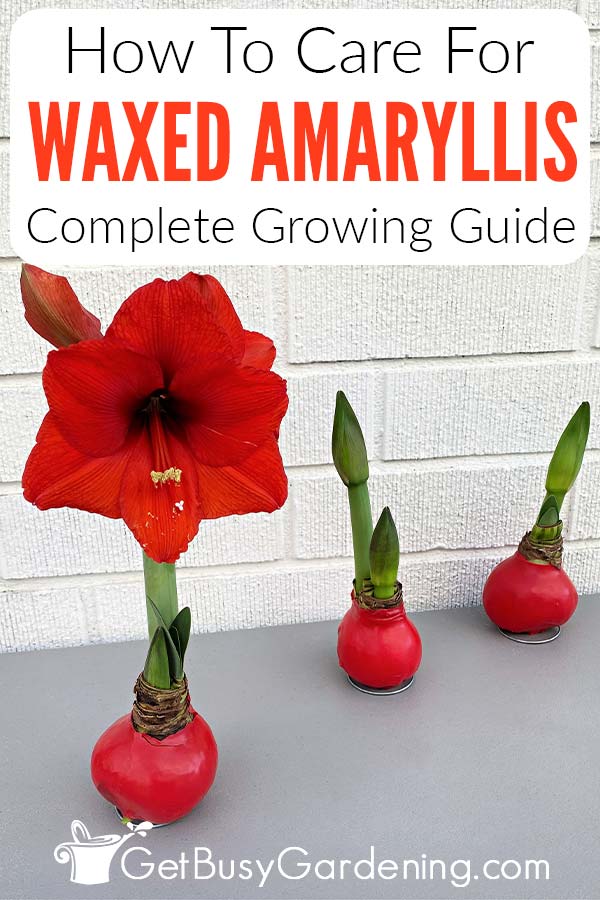
Applying wax to an Amaryllis flower helps protect it and keeps it fresh longer. The wax creates a thin layer that seals moisture inside the petals. This process requires care and patience to avoid damaging the flower.
Start by choosing the right wax and preparing the flower properly. The wax should be warm but not too hot. The petals must be clean and dry before applying the wax. This prevents any dirt or water from trapping under the wax layer.
Waxing Techniques
Dip the Amaryllis petals quickly into the warm wax. Move the flower smoothly to cover all petals evenly. Avoid dipping the stem or leaves to keep them healthy. Use a soft brush to spread wax on hard-to-reach areas. Work gently to prevent tearing the petals.
Drying And Setting
After waxing, hold the flower upside down for a few seconds. This helps excess wax drip off the petals. Place the flower in a cool, dry spot to let the wax harden. Avoid touching the petals during this time. The wax layer should feel firm but flexible once set.
Credit: getbusygardening.com
Watering And Feeding Waxed Amaryllis
Watering and feeding a waxed amaryllis are key to keeping it healthy and blooming. This plant needs just the right care to thrive. Water and nutrients must be balanced carefully. Too much or too little can hurt the flower.
Understanding how often to water and what type of fertilizer to use helps the amaryllis grow strong. The wax coating on the bulb affects its water needs. Proper feeding supports vibrant blooms and long-lasting beauty.
Watering Frequency
Water the waxed amaryllis sparingly. The wax layer slows water absorption. Check the soil before watering. It should feel dry about an inch deep. Water only when the topsoil is dry. Overwatering can cause root rot. Use room temperature water. Pour gently to avoid washing away soil. Usually, watering once every 7 to 10 days is enough. In hotter rooms, water a bit more often. In cooler rooms, water less. Always let excess water drain out. Never let the pot sit in water.
Fertilizer Choices
Choose a balanced fertilizer for waxed amaryllis. A 10-10-10 or 20-20-20 mix works well. Feed the plant every 2 to 4 weeks during growth. Dilute fertilizer to half the recommended strength. Strong fertilizer can burn the roots. Avoid high nitrogen fertilizers; they cause too much leaf growth. Use liquid fertilizer for easy absorption. Stop feeding once the flowers fade. This helps the bulb rest and store energy. Organic options like fish emulsion or seaweed extract are gentle and effective. Always follow the fertilizer instructions on the label.
Light And Temperature Needs
Proper light and temperature help Amaryllis in Wax grow strong and bloom beautifully. These plants need specific conditions to stay healthy. Light and temperature affect their growth and flowering cycle. Knowing the right settings can keep your Amaryllis vibrant and long-lasting.
Ideal Light Conditions
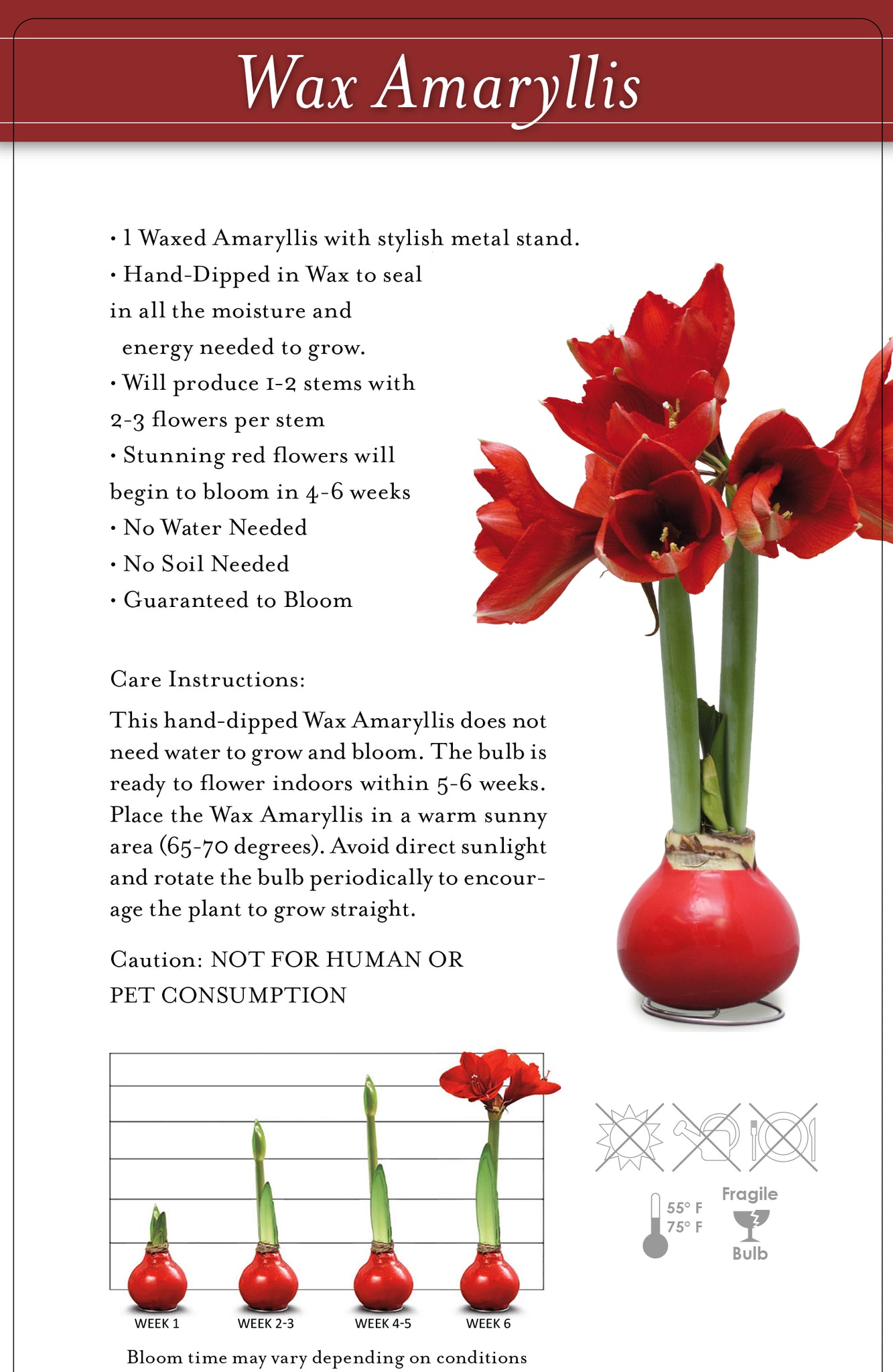
Amaryllis in Wax thrives in bright, indirect sunlight. Direct sunlight can burn its leaves and flowers. A spot near a window with filtered light works best. Too little light slows growth and reduces blooms. Rotate the plant every few days to keep it balanced.
Temperature Tips
Keep Amaryllis in Wax in a room between 60-75°F (15-24°C). Avoid cold drafts or sudden temperature changes. Warm temperatures encourage blooming and healthy leaves. Too hot or cold can cause stress and damage. Night temperatures slightly cooler than daytime help the plant rest.
Managing Pests And Diseases
Managing pests and diseases is key to keeping your Amaryllis in Wax healthy. Pests can harm leaves and flowers. Diseases can stunt growth or kill the plant. Early care helps your plant thrive and bloom beautifully.
Common Pests
Spider mites often attack Amaryllis in Wax. They cause tiny spots and webbing on leaves. Aphids are small bugs that suck sap. They leave sticky residue and cause leaves to curl. Mealybugs look like small cotton balls. They weaken the plant by feeding on its juices. Scale insects appear as small bumps on stems. They also feed on plant sap and cause damage.
Preventive Measures
Keep your plant clean by wiping leaves gently with a damp cloth. Inspect leaves and stems regularly for any pests. Remove any bugs by hand or use a soft brush. Avoid overwatering as wet soil invites fungus and disease. Use well-draining soil and good air circulation. Quarantine new plants to stop pest spread. Natural sprays like neem oil help control pests safely. Regular care reduces risks and keeps your Amaryllis strong.
Encouraging Vibrant Blooms
Encouraging vibrant blooms in your Amaryllis in Wax helps keep the plant healthy and beautiful. Proper care supports strong flowers and extends their life. Focus on two key tasks: supporting flower stems and deadheading.
Supporting Flower Stems
Amaryllis flower stems can grow tall and heavy. Use stakes or sticks to support them. Tie stems gently with soft string or plant ties. This prevents bending or breaking. Proper support keeps flowers upright and looking fresh longer.
Deadheading And Pruning
Remove faded or dead flowers regularly. This process is called deadheading. It stops the plant from wasting energy on old blooms. Cut flowers close to the stem base. Also, trim yellow or damaged leaves. Pruning helps the plant focus energy on new growth and future blooms.
Post-bloom Care
After your Amaryllis in wax finishes blooming, it needs special care. Post-bloom care helps the bulb stay healthy and bloom again next year. This phase is important for the plant’s future growth.
Bulb Storage
Cut the flower stalk down to about two inches above the bulb. Leave the leaves growing as they help feed the bulb. Place the pot in a bright spot with indirect light. Keep watering the plant moderately. Stop watering when leaves turn yellow. Let the bulb dry for about eight to ten weeks. Store the bulb in a cool, dark place during this time.
Preparing For Next Season
After the resting period, bring the bulb back to light. Repot it in fresh soil if needed. Start watering again and place in a warm, bright spot. Fertilize the plant monthly to encourage growth. Watch for new shoots. This signals the start of a new growing season. Keep caring for the plant until it blooms again.
Credit: hollandbeauty.com
Frequently Asked Questions
How Often Should I Water An Amaryllis In Wax?
Water your Amaryllis in wax sparingly. Only water when the top inch of soil feels dry. Overwatering can cause root rot.
What Light Conditions Does Amaryllis In Wax Need?
Place your Amaryllis in bright, indirect sunlight. Avoid direct sun to prevent leaf burn. Proper light encourages healthy blooms.
How Do I Fertilize Amaryllis In Wax?
Use a balanced, water-soluble fertilizer every 2-4 weeks during growth. Dilute to half strength to avoid overfeeding and promote vibrant flowers.
Can I Repot An Amaryllis In Wax Container?
Yes, repot when roots outgrow the container. Use well-draining soil and a pot with drainage holes to ensure healthy root growth.
Conclusion
Caring for an Amaryllis in wax takes patience and gentle attention. Keep the plant in a bright, warm spot. Water it carefully to avoid overdoing it. Watch the leaves and flowers for signs of health. Trim dead parts to help new growth.
Enjoy the beauty this unique plant brings to your home. Small daily steps make a big difference. Your Amaryllis will thrive with simple care and love.


