

If you have a waxed bulb amaryllis, you probably want to keep it looking fresh and blooming beautifully. But how do you care for this unique plant so it lasts longer and stays healthy?
You might be surprised how simple steps can make a big difference. In this guide, you’ll discover easy, practical tips that anyone can follow. By the end, you’ll feel confident giving your waxed bulb amaryllis the care it deserves—and enjoy its stunning flowers again and again.
Keep reading to unlock the secrets to thriving amaryllis care!
Choosing The Right Bulb
Choosing the right bulb is the first step to growing a beautiful waxed bulb amaryllis. A healthy bulb ensures strong growth and bright flowers. Picking the correct type helps the plant thrive indoors or outdoors.
Not all amaryllis bulbs are the same. Some bulbs are waxed to protect them and extend their life. Knowing how to spot these bulbs makes a big difference in care and results.
Selecting Healthy Bulbs
Pick bulbs that feel firm and heavy. Avoid bulbs that are soft or have dark spots. These signs show damage or disease. A healthy bulb has smooth, dry skin without cracks. Choose bulbs that are large for better blooms.
Identifying Waxed Varieties
Waxed bulbs have a shiny, smooth coating on their surface. This wax layer helps keep moisture and protect the bulb. Look for bulbs that do not have loose skin or dry patches. Waxed bulbs often look polished and slightly glossy.

Credit: www.jacksonandperkins.com
Planting Your Amaryllis
Planting your waxed bulb amaryllis correctly is key for healthy growth. The right pot and soil help the bulb thrive. Planting depth affects how the roots develop and how the bulb blooms. Follow these steps to give your amaryllis a strong start.
Ideal Pot And Soil
Choose a pot with good drainage holes. The pot should be about 1 to 2 inches wider than the bulb. This gives roots space to grow but keeps the bulb snug. Use light, well-draining soil. A mix of potting soil and sand works well. Avoid heavy or clay soils that hold too much water. Good drainage stops root rot and keeps the bulb healthy.
Proper Planting Depth
Plant the amaryllis bulb with its top third above the soil. The bulb’s neck should stay dry and exposed. If buried too deep, the bulb may rot or not flower. If too shallow, roots may dry out. Firm the soil gently around the bulb to hold it in place. Water lightly after planting to settle the soil without soaking it.
Watering Techniques
Watering a waxed bulb amaryllis needs care and attention. Proper watering helps the plant grow strong and bloom beautifully. Too much or too little water can harm the bulb and leaves. Understanding the right watering techniques keeps your amaryllis healthy and vibrant.
Frequency And Amount
Water the amaryllis once the top inch of soil feels dry. Usually, this means watering every seven to ten days. Use just enough water to moisten the soil. Avoid soaking the bulb directly. A small amount of water helps the roots stay healthy. Watch the plant’s leaves for signs of thirst or overwatering.
Avoiding Overwatering
Overwatering can cause the bulb to rot. Check the soil before watering. If it feels wet or soggy, wait a few more days. Use pots with drainage holes to stop water from sitting at the bottom. Remove any extra water collected in saucers under the pot. Keeping the soil just damp is best for this plant.
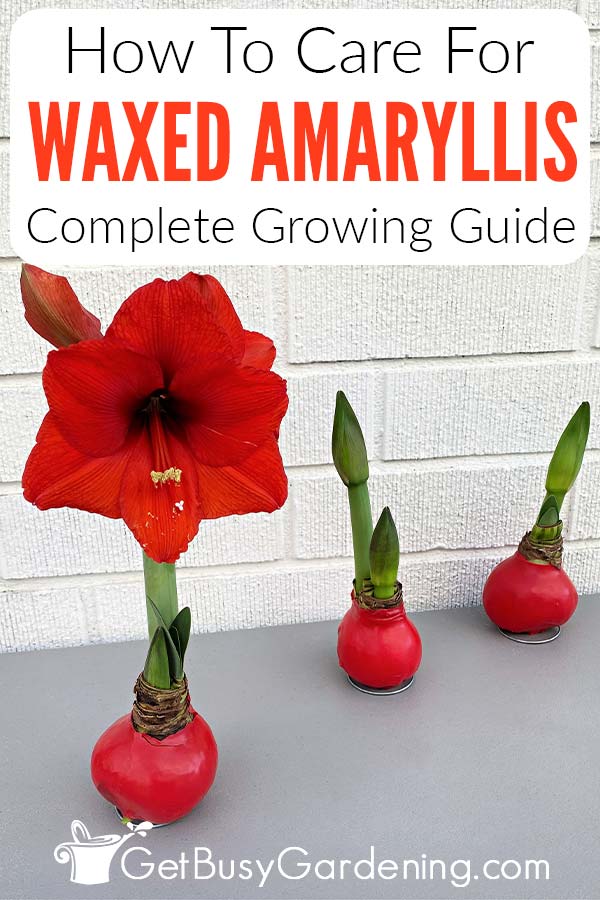
Credit: getbusygardening.com
Lighting Needs
Lighting plays a key role in the health of a waxed bulb amaryllis. It needs the right light to grow strong and bloom fully. Too much light can burn its leaves. Too little light makes it weak and stops flowering. Understanding its lighting needs helps it thrive indoors or outdoors.
Best Light Conditions
The waxed bulb amaryllis prefers bright, indirect light. A spot near a window with filtered sunlight works well. Direct sunlight for more than a few hours can cause leaf scorch. Morning sun is gentler and safer for the plant. Aim for about 6 hours of indirect light daily.
Adjusting For Indoor Settings
Indoor light varies by room and season. Place your amaryllis near east or west-facing windows. These spots provide moderate light without harsh rays. If natural light is low, use a grow light for 10 to 12 hours daily. Rotate the plant weekly to keep growth even. Avoid dark corners or rooms with little sunlight.
Temperature And Humidity
Temperature and humidity play a key role in caring for a waxed bulb amaryllis. These factors affect the plant’s growth and flower quality. Keeping the right conditions helps your amaryllis stay healthy and bloom beautifully.
Optimal Temperature Range
The best temperature for waxed bulb amaryllis is between 60°F and 75°F. Cooler temperatures below 50°F can slow growth and cause damage. Avoid placing the plant near drafts or heat sources. Consistent temperature helps the bulb develop strong roots and flowers.
Maintaining Humidity Levels
Waxed bulb amaryllis prefers moderate humidity. Aim for 40% to 60% humidity in the room. Dry air can cause the leaves to brown or curl. Use a humidifier or place a tray of water near the plant. Misting the leaves occasionally also helps keep humidity balanced.
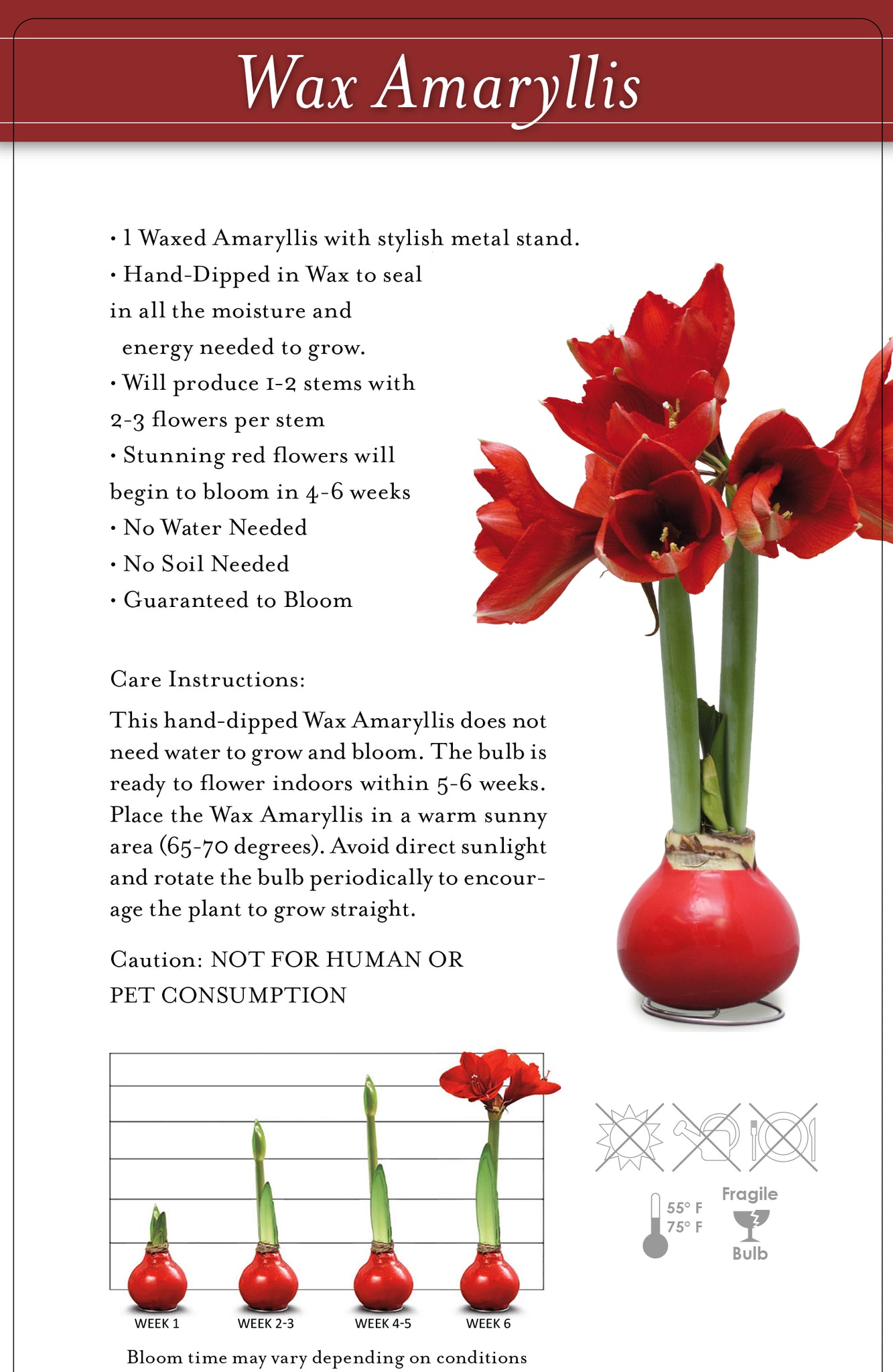
Credit: hollandbeauty.com
Fertilizing Tips
Fertilizing a waxed bulb amaryllis helps it grow strong and bloom beautifully. Proper feeding gives the plant nutrients to thrive and stay healthy. Use the right fertilizer and follow a feeding schedule for best results.
Choosing The Right Fertilizer
Pick a balanced fertilizer with equal parts nitrogen, phosphorus, and potassium. A 10-10-10 or 20-20-20 formula works well. Avoid fertilizers with too much nitrogen; it may cause more leaves, fewer flowers. Slow-release fertilizers are easy to use and feed the plant over time. Liquid fertilizers can give quick nutrients during the growing season.
Feeding Schedule
Feed the amaryllis every two to four weeks during active growth. Start fertilizing after the leaves appear and stop once the plant goes dormant. Do not feed a dry or dormant bulb. Water the plant before adding fertilizer to avoid root burn. Keep a regular feeding routine for steady growth and vibrant blooms.
Dealing With Pests And Diseases
Waxed bulb Amaryllis plants are beautiful but can face problems with pests and diseases. These issues can harm the plant’s growth and bloom. Early care and attention help keep your plant healthy and vibrant. Knowing common pests and diseases helps you act fast and protect your Amaryllis.
Common Issues
Spider mites often attack waxed bulb Amaryllis. They cause tiny spots and webbing on leaves. Aphids are another problem. They suck sap and weaken the plant. Mealybugs show up as white, cottony spots. Fungal infections like leaf spot cause brown patches. Bulb rot happens from too much water. It makes the bulb soft and mushy.
Natural Remedies
Spray plants with water to remove spider mites and aphids. Use a soft cloth to wipe leaves gently. Neem oil works well against many pests. It is safe and natural. Soap water spray kills bugs without chemicals. Ensure good air flow to prevent fungal growth. Avoid overwatering to keep bulbs dry. Remove affected leaves to stop disease spread. Healthy plants resist pests better.
Encouraging Repeat Blooms
Encouraging repeat blooms on your waxed bulb amaryllis brings joy year after year. With proper care, the plant can flower multiple times. The key is to support its natural growth and rest cycles. Follow these steps to help your amaryllis bloom again.
Post-bloom Care
After the flowers fade, cut the flower stalk close to the bulb. Leave the green leaves intact. They gather energy for the bulb. Water the plant moderately and place it in bright, indirect sunlight. Feed with a balanced liquid fertilizer every two weeks. This supports bulb strength and future blooms.
Dormancy Period Management
Allow the leaves to grow until they turn yellow naturally. Then, reduce watering gradually. Stop feeding the plant during this time. Move the bulb to a cool, dark place for about 8-10 weeks. This rest period is vital. After dormancy, repot the bulb in fresh soil. Start watering lightly and return it to sunlight. Soon, new growth and flowers will appear.
Troubleshooting Common Problems
Taking care of a waxed bulb amaryllis sometimes brings small problems. Knowing how to fix these issues helps keep your plant healthy and beautiful. Here are common problems and easy ways to solve them.
Yellowing Leaves
Yellow leaves often mean too much water. The soil must dry a little before watering again. Poor light can also cause yellow leaves. Place your amaryllis near a bright window but avoid direct sun. Lack of nutrients may also turn leaves yellow. Feed your plant with balanced fertilizer once a month.
Wilting Flowers
Wilting flowers usually show stress from heat or lack of water. Check the soil moisture and water if dry. Keep the plant away from hot drafts or heaters. Old flowers will naturally wilt and die. Remove them to encourage new blooms. Proper care helps your amaryllis stay fresh and strong.
Frequently Asked Questions
How Often Should I Water A Waxed Bulb Amaryllis?
Water your waxed bulb amaryllis sparingly. Keep the soil moist but not soggy. Water once the top inch of soil feels dry. Overwatering can cause bulb rot and damage the plant.
What Is The Ideal Light For Waxed Bulb Amaryllis?
Place your waxed bulb amaryllis in bright, indirect sunlight. Avoid direct sunlight, which can scorch the leaves. A well-lit spot near a window is perfect to encourage healthy growth and vibrant blooms.
How Do I Care For Waxed Bulb Amaryllis After Blooming?
After blooming, remove spent flowers and reduce watering gradually. Let the leaves grow to nourish the bulb. Once leaves yellow, stop watering and allow the bulb to rest before the next growing cycle.
Can Waxed Bulb Amaryllis Be Reused For Next Season?
Yes, waxed bulb amaryllis bulbs can be reused. Store the bulb in a cool, dry place during dormancy. Replant in fresh soil after the resting period to encourage new blooms next season.
Conclusion
Caring for a waxed bulb amaryllis is simple and rewarding. Water it just enough to keep soil moist, not wet. Place the plant where it gets bright, indirect light. Keep the temperature steady and avoid cold drafts. Remove faded flowers to help new ones grow.
With these easy steps, your amaryllis will stay healthy and bloom beautifully. Enjoy the bright, colorful flowers in your home year after year. Easy care brings lasting beauty.


