

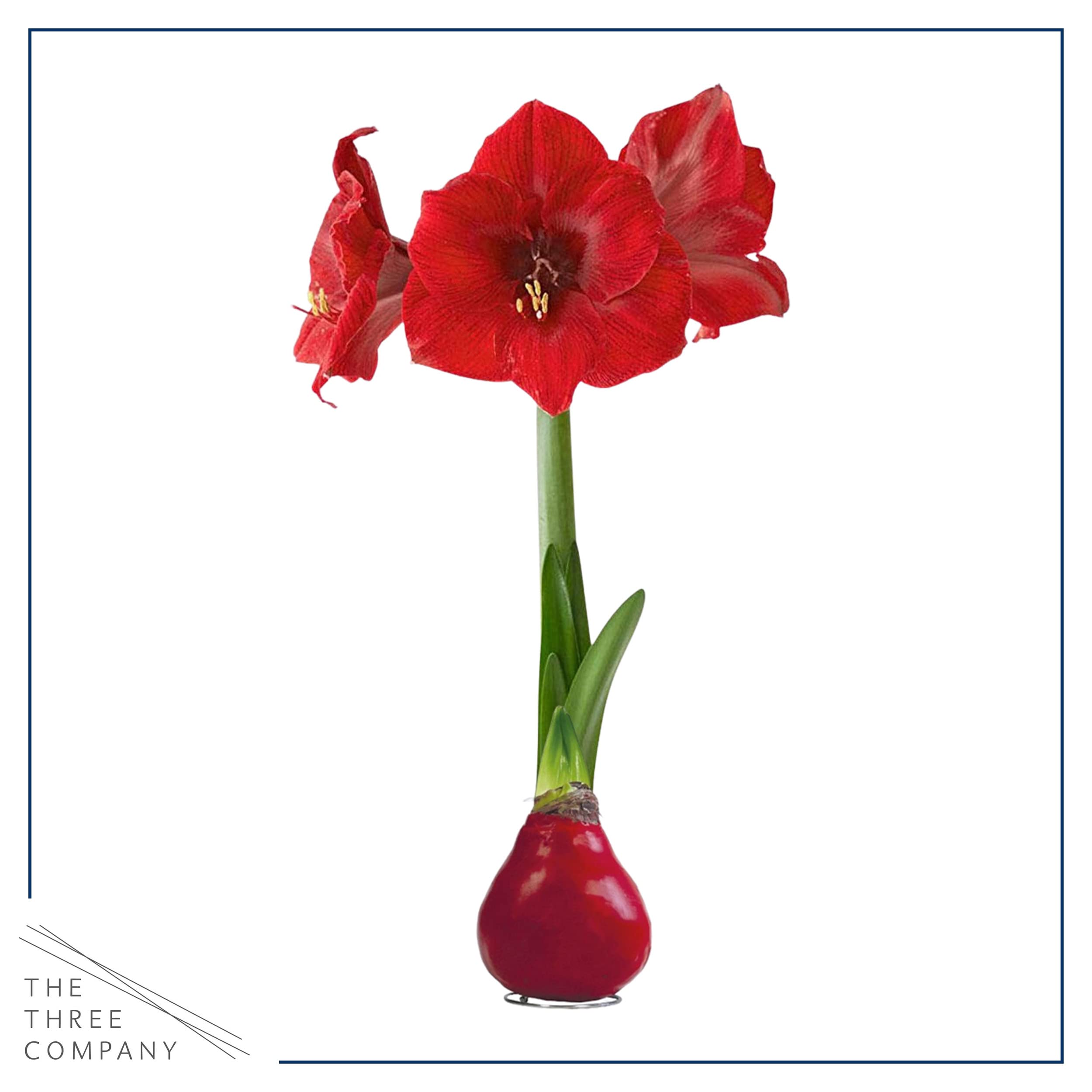
If you have an amaryllis bulb wrapped in wax, you might wonder how to care for it so it blooms beautifully. Taking care of this special bulb is easier than you think, but it does need a little extra attention.
By following simple steps, you can enjoy stunning flowers that brighten up your home. Keep reading, and you’ll discover exactly what your amaryllis bulb needs to thrive and reward you with its vibrant blooms.

Credit: www.youtube.com
Choosing The Right Amaryllis Bulb
Choosing the right amaryllis bulb is the first step to enjoying beautiful blooms. The quality of the bulb affects how well the plant grows and flowers. It is important to pick bulbs that are healthy and well cared for. Wax wrapping can protect bulbs and keep them fresh longer. Understanding what to look for in a bulb helps you get the best results.
Identifying Quality Bulbs
Look for bulbs that are firm and heavy for their size. Soft spots or mold indicate poor health. The bulb’s outer skin should be dry and intact. Avoid bulbs with cracks or signs of damage. Bigger bulbs usually produce larger flowers. Choose bulbs with no signs of sprouting or shriveling.
Benefits Of Wax Wrapping
Wax wrapping seals the bulb, protecting it from moisture loss. This keeps the bulb fresh and prevents drying out. The wax layer also blocks pests and diseases. Wrapped bulbs often have a longer shelf life. This makes them easier to store before planting. Wax wrapping helps bulbs arrive healthy and ready to grow.
Preparing The Bulb For Planting
Preparing the amaryllis bulb wrapped in wax is the first step to a healthy plant. This process helps the bulb adjust to soil and water. Proper preparation increases the chance of strong growth and vibrant flowers.
Removing The Wax Coating
Start by gently warming the bulb to soften the wax. Use your hands or place it in warm water for a few minutes. Carefully peel off the wax layer without damaging the bulb. Removing wax allows the bulb to breathe and absorb water better.
Inspecting For Damage
Look closely at the bulb after wax removal. Check for soft spots, mold, or cuts. Damaged areas can cause the bulb to rot. Trim away any bad parts with a clean knife. Only healthy bulbs should go into the soil for best results.
Planting Techniques
Planting an amaryllis bulb wrapped in wax needs care and the right steps. Proper planting ensures strong roots and bright flowers. Follow simple techniques to help your bulb grow well and bloom beautifully.
Selecting The Ideal Soil
Choose soil that drains water well. Amaryllis bulbs do not like sitting in water. Use a mix of potting soil and sand or perlite. This mix keeps the soil light and airy. Avoid heavy or clay soils that hold too much moisture.
Soil should be slightly acidic to neutral. A pH between 6.0 and 7.0 works best. Good soil gives the bulb nutrients and air. It supports healthy root growth and strong blooms.
Potting Tips For Growth
Select a pot with drainage holes. This stops water from pooling at the bottom. Choose a pot slightly larger than the bulb. Leave about one inch of space around the bulb for roots.
Place the bulb so its top is above the soil. Cover the roots and base with soil, but do not bury the bulb completely. Water lightly after potting. Keep soil moist but not soggy.
Place the pot in a warm spot with indirect light. This helps the bulb wake up and start growing. Avoid cold or drafty areas. Watch for new shoots and enjoy your growing amaryllis.

Credit: www.youtube.com
Watering And Feeding
Watering and feeding are key to keeping your amaryllis bulb healthy. Proper care helps the bulb grow strong and produce beautiful flowers. This section explains how to water and feed your wax-wrapped amaryllis bulb correctly.
Watering Schedule
Start watering sparingly after planting. The wax wrap helps keep moisture in. Water just enough to keep the soil slightly damp. Avoid soaking the soil or letting it dry out completely.
Once the stem appears, increase watering. Water more often but do not flood the soil. Let the top inch of soil dry before watering again. Too much water can cause bulb rot.
Choosing The Right Fertilizer
Use a balanced, water-soluble fertilizer. Choose one with equal amounts of nitrogen, phosphorus, and potassium, such as 10-10-10. Fertilize every 2 to 4 weeks during growth.
Dilute fertilizer to half strength to avoid burning the bulb. Stop feeding once flowers start to fade. This helps the bulb store energy for next season.
Light And Temperature Needs
Light and temperature play a big role in the growth of amaryllis bulbs wrapped in wax. These bulbs need the right amount of light and a steady temperature to bloom beautifully. Understanding these needs helps keep your plant healthy and vibrant.
Optimal Light Conditions
Amaryllis bulbs need bright, indirect light. Place them near a window with filtered sunlight. Avoid direct sun; it can scorch the leaves and flowers.
During the growing phase, a spot with 6 to 8 hours of light works well. Too little light causes weak stems and fewer blooms. Rotate the pot often to keep the plant growing evenly.
Temperature Management
Keep the amaryllis bulb in a warm room. Ideal temperatures range from 65°F to 75°F (18°C to 24°C). Avoid cold drafts or sudden temperature changes.
At night, a slightly cooler room temperature helps the plant rest. Do not expose the bulb to temperatures below 50°F (10°C). Consistent warmth encourages strong growth and vibrant flowers.
Credit: www.amazon.com
Managing Growth And Bloom
Managing the growth and bloom of your amaryllis bulb wrapped in wax is key to enjoying its beauty. Proper care helps the flower stalk stay strong and the blooms last longer. Watch the plant closely to support its needs and keep it healthy.
Supporting The Flower Stalk
The flower stalk of an amaryllis can grow tall and heavy. Use a stake or stick to hold it up. Gently tie the stalk to the support with soft string or plant ties. This stops the stalk from bending or breaking. Check the ties often to avoid damage. Keeping the stalk upright helps the flower open fully and look its best.
Extending Bloom Time
Keeping blooms fresh takes care and attention. Place your amaryllis in a cool spot, away from direct sunlight and heat sources. Water the plant moderately, allowing the soil to dry slightly between watering. Remove wilted flowers to encourage new blooms. Cooler temperatures slow down the blooming process, making the flowers last longer. This way, you enjoy the vibrant colors for weeks.
Post-bloom Care
After your amaryllis bulb wrapped in wax finishes blooming, its care is still important. Post-bloom care helps the bulb store energy for next year’s flowers. Proper steps keep the plant healthy and ready for another bloom cycle.
Caring For Foliage
Keep the leaves growing after the flowers fade. The leaves gather sunlight and make food for the bulb. Water the plant regularly but do not soak the soil. Use a balanced fertilizer every two weeks to feed the leaves. Cut away any yellow or dead leaves. Healthy leaves mean a strong bulb.
Preparing For Dormancy
After about 8 to 10 weeks, the leaves will start to die back. Stop watering the plant slowly to let it rest. Move the bulb to a cool, dark place for about 8 weeks. This rest period helps the bulb grow roots inside. Avoid too much moisture to prevent rot. After dormancy, the bulb is ready to bloom again.
Troubleshooting Common Issues
Amaryllis bulbs wrapped in wax need special care to stay healthy. Problems can happen, but most can be fixed easily. Knowing what to do saves your plant and helps it grow strong.
Pest And Disease Control
Watch for small bugs like aphids or spider mites. They suck the plant’s juice and make it weak. Use a soft cloth or spray water to clean the leaves. Natural insect sprays also work well and are safe.
Check the bulb and leaves often for signs of disease. Look for spots, mold, or yellowing. Remove any damaged parts quickly to stop the spread. Good air flow around the plant helps prevent disease.
Handling Bulb Rot
Bulb rot happens if the bulb stays too wet. It looks soft, dark, and smells bad. Remove the bulb from the soil and clean it gently.
Cut away all the soft parts with a clean knife. Let the bulb dry in a warm, dry place for a few days. Replant only healthy parts in fresh, well-draining soil. Avoid overwatering to keep the bulb safe.
Frequently Asked Questions
How Do I Prepare An Amaryllis Bulb Wrapped In Wax?
First, unwrap the wax carefully without damaging the bulb. Then, plant the bulb in well-draining soil. Keep the soil moist but not soggy. Place the pot in a sunny spot to encourage growth.
When Should I Water My Wax-wrapped Amaryllis Bulb?
Water the bulb sparingly until roots develop. Once growth appears, water regularly to keep soil moist. Avoid overwatering to prevent bulb rot. Proper watering ensures healthy blooms and strong stems.
How Much Sunlight Does An Amaryllis Bulb Need?
Amaryllis bulbs need bright, indirect sunlight. Place them near a window with filtered light. Too much direct sun can scorch leaves. Adequate light promotes vibrant flowers and fast growth.
Can I Reuse A Wax-wrapped Amaryllis Bulb?
Yes, you can reuse the bulb after flowering. Allow the foliage to die back naturally, then store the bulb in a cool, dry place. Replant the bulb the next season for more blooms.
Conclusion
Caring for an amaryllis bulb wrapped in wax is simple and rewarding. Keep it in a cool, dry place until planting. Water it carefully to avoid rot. Provide bright, indirect sunlight once it sprouts. Watch your bulb grow and bloom beautifully.
This easy care helps your amaryllis thrive year after year. Enjoy the bright, stunning flowers indoors. A little attention brings great joy. Try these steps for healthy, lasting blooms.


