Are you excited to bring home an amaryllis plant in wax but unsure how to keep it looking fresh and vibrant? You’re not alone.
These stunning plants can brighten any room, but they need the right care to thrive. In this guide, you’ll discover simple, effective tips that make caring for your amaryllis easy and enjoyable. By following these steps, you’ll enjoy beautiful blooms that last longer and a plant that stays healthy.
Keep reading to unlock the secrets to perfect amaryllis care—your green thumb is just a few tips away!
Choosing The Right Amaryllis
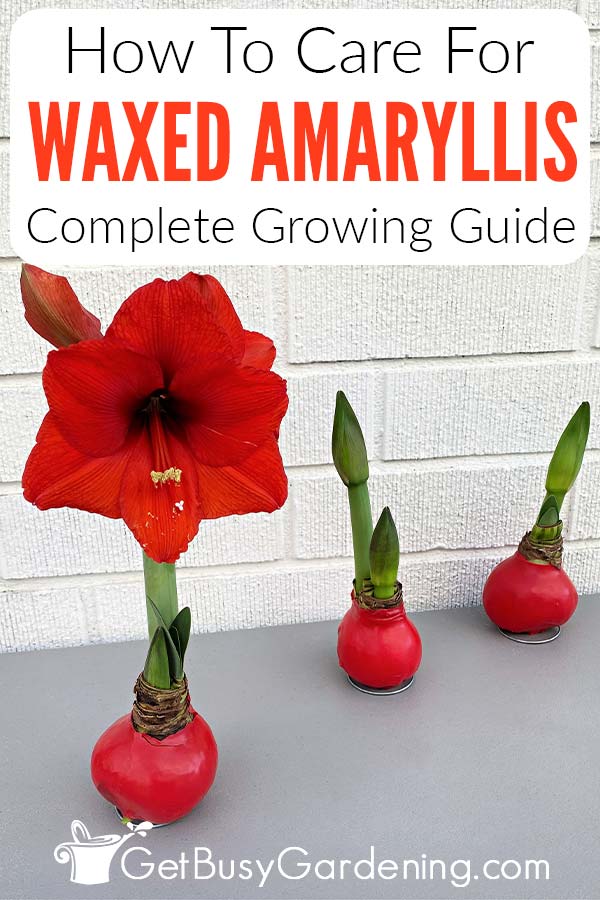
Choosing the right amaryllis is the first step to a healthy and vibrant plant. The right bulb and wax coating make a big difference. Healthy bulbs grow strong flowers. The wax protects the bulb and keeps it fresh. Both parts work together for the best results.
Take your time to select bulbs and wax coatings carefully. This helps your amaryllis thrive indoors or outdoors. Knowing what to pick saves you time and effort later.
Selecting Healthy Bulbs
Choose bulbs that are firm and heavy for their size. Avoid bulbs with soft spots or mold. A healthy bulb feels solid and has no cracks. The skin should be smooth and dry. Look for bulbs with a clean, fresh smell. Healthy bulbs store energy to grow big flowers.
Picking Suitable Wax Coatings
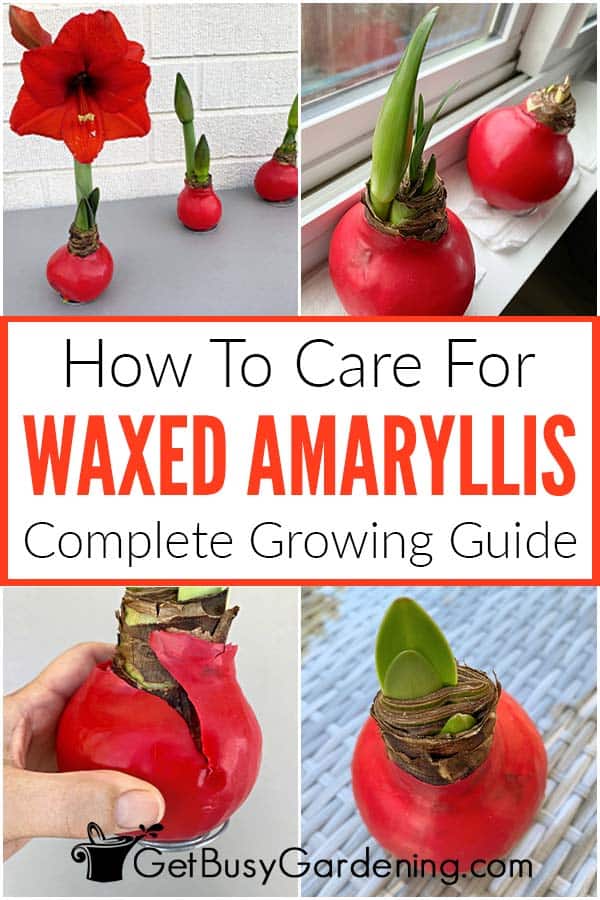
Pick wax coatings that fit the bulb size well. The wax should cover the bulb completely without gaps. Good wax keeps moisture inside and stops rot. Use wax made for plants, not craft wax. Check the wax is not cracked or brittle. Proper wax coating helps the bulb last longer.
Credit: getbusygardening.com
Preparing The Plant For Waxing
Preparing your Amaryllis plant for waxing is an important step. It helps protect the bulb and keeps it healthy. Proper preparation ensures the wax sticks well and lasts longer. This section guides you through the cleaning and drying process. It also explains the best time to apply wax for great results.
Cleaning And Drying The Bulb
Start by gently removing dirt from the bulb. Use a soft brush or cloth to avoid damage. Do not soak the bulb in water. Instead, wipe it carefully to keep it dry. After cleaning, let the bulb air dry in a cool place. Make sure it is completely dry before applying wax. Moisture can cause the wax to peel or mold to grow.
Optimal Timing For Wax Application
Apply wax when the bulb is fully dry and firm. This usually takes a few hours after cleaning. Avoid waxing right after watering the plant. The best time is during the plant’s dormant period. Waxing at this time protects the bulb without affecting growth. Do not wax when the plant is actively growing or blooming. This can harm the bulb and reduce flower quality.
Applying Wax To Amaryllis
Applying wax to an Amaryllis plant helps protect it and keep it healthy. The wax forms a thin layer on the leaves and flower stems. This layer stops water loss and keeps pests away. It also gives the plant a shiny, fresh look. Waxing is a gentle way to care for your Amaryllis and can extend its blooming time.
Choosing the right type of wax and applying it carefully will give the best results. Each wax type has its own benefits for the plant’s health and appearance. Learning the correct steps to apply wax will ensure your Amaryllis looks great and stays strong.
Types Of Wax And Their Benefits
Beeswax is a natural option that plants easily absorb. It protects against dryness and adds a soft shine. Carnauba wax comes from palm leaves. It is harder and gives a strong, glossy finish. Paraffin wax is common and affordable. It creates a thick protective layer but can be less natural. Choose wax based on how much shine and protection you want.
Step-by-step Waxing Process
First, clean your Amaryllis leaves and stems with a damp cloth. Make sure the plant is dry before waxing. Warm the wax gently until it melts. Use a soft brush or cloth to apply a thin, even layer on leaves and stems. Avoid the flower petals to prevent damage. Let the wax dry for a few minutes. Repeat the process if you want extra protection. Always use wax sparingly to keep the plant healthy and natural.
Credit: getbusygardening.com
Watering And Feeding
Watering and feeding an amaryllis plant in wax requires special care. These plants need just the right amount of water and nutrients. Too much water can cause problems. Too little can stop growth. Proper feeding helps the plant bloom beautifully.
Adjusting Watering For Waxed Plants
Waxed amaryllis plants do not absorb water like regular plants. The wax coating slows water intake. Water the soil, not the plant itself. Keep the soil moist but not wet. Let the top inch of soil dry before watering again. Overwatering can cause root rot. Use a pot with good drainage to avoid water build-up.
Choosing The Right Fertilizer
Select a balanced, water-soluble fertilizer for amaryllis. Use one with equal parts nitrogen, phosphorus, and potassium. Feed the plant every two to four weeks during growth. Dilute the fertilizer to half strength to avoid burning roots. Stop feeding when the plant stops growing or blooms fade. This helps the plant rest and prepare for the next cycle.
Light And Temperature Needs
Caring for an Amaryllis plant in wax needs attention to light and temperature. These two factors help your plant grow strong and bloom beautifully. Proper light and warmth keep the leaves green and the flowers bright.
Ideal Light Conditions
Place your Amaryllis near a window with bright, indirect sunlight. Too much direct sun can burn the leaves. Too little light will slow growth and reduce blooming. A spot with filtered light works best. Turn the plant occasionally to keep it even and healthy.
Maintaining Proper Temperature
Amaryllis prefers a warm environment between 60°F and 75°F (15°C to 24°C). Avoid cold drafts or sudden temperature changes. Nights should not be colder than 50°F (10°C). Keep the plant away from heaters or air conditioners. Stable temperatures help the flower last longer and the bulb stay healthy.
Managing Growth And Bloom
Managing the growth and bloom of your amaryllis plant in wax is key to a vibrant display. Proper care helps the plant produce strong flowers and healthy leaves. Follow simple steps to support its natural cycle and enjoy its beauty longer.
Encouraging Healthy Flowering
Place the amaryllis in a bright spot with indirect sunlight. Water the plant moderately, keeping the soil moist but not wet. Use a balanced fertilizer every two weeks during growth. Avoid overwatering, which can cause root rot. Keep the room temperature between 60-70°F for best results. Healthy flowers start with good light and proper care.
Pruning And Supporting Stems
Remove faded flowers to help the plant focus energy on new growth. Cut flower stalks close to the bulb after blooming ends. Support tall stems with stakes to prevent bending. Use soft ties to avoid damaging the plant. Pruning and support keep your amaryllis strong and upright. This care encourages more blooms next season.
Dealing With Pests And Diseases
Dealing with pests and diseases is important for keeping your waxed amaryllis healthy. Pests can damage leaves and flowers, while diseases may cause spots or rot. Catching problems early helps save your plant. Knowing common issues and safe treatments keeps your amaryllis thriving.
Common Issues In Waxed Amaryllis
Spider mites are tiny pests that suck plant juices. They cause yellow spots and webbing on leaves. Aphids gather on new growth, leaving sticky residue. Mealybugs look like small cotton balls on stems and leaves. Fungal diseases cause brown or black spots on leaves. Root rot happens if the soil stays too wet.
Safe Treatment Options
Wash pests off with a gentle spray of water. Use insecticidal soap or neem oil to control bugs safely. Remove affected leaves to stop disease spread. Keep soil dry to prevent root rot. Place your amaryllis in a well-ventilated area. Regularly inspect your plant for signs of trouble.
Long-term Care Tips
Long-term care is vital to keep your amaryllis plant healthy and blooming year after year. After the flowers fade, the focus shifts to maintaining the bulb. Proper care helps the bulb store energy for the next bloom cycle. This section covers key steps to store your amaryllis bulb safely and prepare it for the next growing season.
Storing Bulbs After Bloom
Wait until the leaves turn yellow and die back. This signals the bulb has stored enough energy. Gently remove the bulb from the wax pot. Brush off any soil without damaging the roots. Keep the bulb in a cool, dark, dry place. Avoid places with high humidity or direct sunlight. Store bulbs in paper bags or mesh sacks. Check the bulb every few weeks for signs of mold or rot. Remove any soft or damaged parts immediately to prevent spread.
Preparing For Next Season
About 6 to 8 weeks before you want new blooms, start the preparation. Take the bulb out of storage and trim old roots. Plant it in fresh, well-draining soil with the top third of the bulb exposed. Place the pot in a bright, warm spot but avoid direct sun. Water sparingly until green shoots appear. Gradually increase watering as the plant grows. Feed with a balanced fertilizer every 2 weeks. Keep the temperature between 65 and 75 degrees Fahrenheit for best results.

Credit: www.jacksonandperkins.com
Frequently Asked Questions
How Often Should I Water An Amaryllis In Wax?
Water your Amaryllis in wax sparingly. Keep the soil moist but not soggy. Water every 7 to 10 days, adjusting based on humidity and temperature. Overwatering can cause root rot, so ensure good drainage and check soil moisture regularly.
What Light Conditions Suit Amaryllis Plants In Wax?
Amaryllis in wax thrives in bright, indirect light. Place it near a window with filtered sunlight. Avoid direct harsh sunlight as it can scorch the leaves and wax coating. Consistent light helps promote healthy blooms and growth.
How Do I Encourage Amaryllis To Bloom Again?
To encourage reblooming, reduce watering after flowering. Move the plant to a cooler spot for 8-10 weeks. Resume regular watering and bright light after this rest period. This helps the plant build energy for the next blooming cycle.
Can I Fertilize An Amaryllis In Wax?
Yes, use a balanced, water-soluble fertilizer every 4 weeks during the growing season. Dilute it to half strength to avoid overfeeding. Fertilizing supports healthy growth and vibrant flowers for your Amaryllis in wax.
Conclusion
Caring for an amaryllis plant in wax is simple and rewarding. Keep the soil moist but not wet. Place the plant where it gets bright, indirect light. Trim dead leaves and flowers to help growth. Avoid cold drafts and extreme heat.
Watch your plant daily for any problems. With little effort, your amaryllis will bloom beautifully. Enjoy the bright colors and fresh flowers in your home. This easy care routine keeps your plant healthy and happy.