Are you ready to bring a touch of green and life into your home with an indoor ficus tree? These beautiful plants can brighten any space, but they need the right care to thrive.
If you want your ficus to stay healthy, lush, and vibrant, you need to know the simple steps that keep it happy. In this guide, you’ll discover easy and effective tips that make caring for your indoor ficus tree a breeze.
Keep reading, and you’ll soon enjoy a thriving plant that feels like a natural part of your home.
Credit: bloomscape.com
Choosing The Right Ficus Variety
Choosing the right ficus variety is key for a happy indoor tree. Different types fit different homes and needs. Pick one that suits your space and light. This helps the tree grow healthy and strong. Understanding popular types and space needs makes care easier.
Popular Indoor Ficus Types
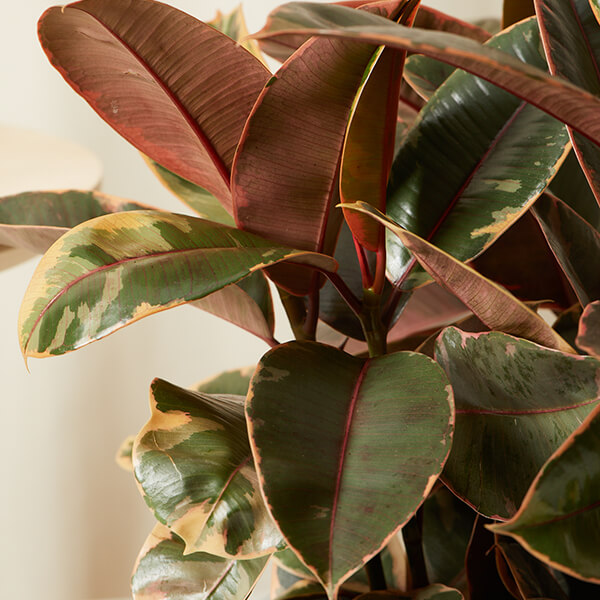
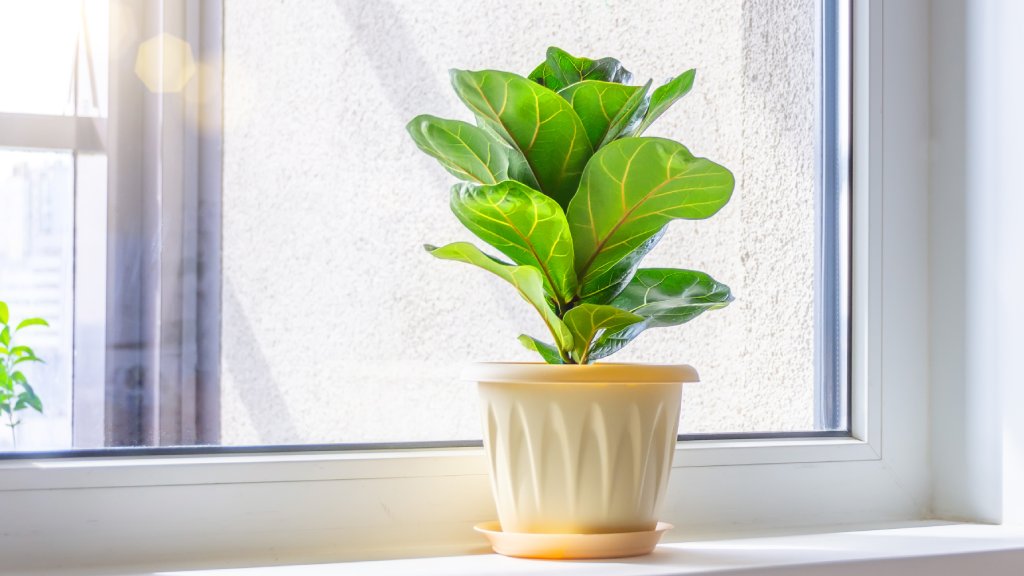
The Ficus genus has many popular indoor types. The Fiddle Leaf Fig is famous for its big, violin-shaped leaves. It needs bright light and regular watering. The Rubber Tree has thick, shiny leaves and is easy to grow. The Weeping Fig is a classic with small, glossy leaves. It adapts well to indoor spaces. The Creeping Fig grows as a vine and can cover walls or trellises. Choose a type that matches your style and care routine.
Selecting Based On Space And Light
Space is important when picking a ficus. Large trees like the Fiddle Leaf Fig need room to grow. Small varieties fit better in tight spaces. Light is another key factor. Bright light suits most ficus types. Low light can cause leaf drop and slow growth. Some ficus trees tolerate medium light but avoid dark spots. Measure your room’s light and space before choosing. This keeps your ficus healthy and thriving indoors.
Ideal Light Conditions
Ficus trees need the right light to grow well indoors. Light affects their leaves and overall health. Too little light makes leaves fall. Too much light can burn them. Finding the right balance is key to keeping your ficus happy and green.
Bright Indirect Light Needs
Ficus trees thrive in bright, indirect light. Place them near a window with filtered sunlight. A sheer curtain works well to soften the light. This setup helps the tree make food and grow strong. It also keeps leaves vibrant and full.
Avoiding Direct Sunlight
Direct sunlight can harm your indoor ficus. It causes leaf scorch and browning. Avoid placing the tree in harsh, midday sun. Morning or late afternoon sun is less intense and safer. Keep your ficus away from south-facing windows without shade.
Watering Techniques
Watering is key to keeping an indoor ficus tree healthy. Giving it the right amount of water helps the roots stay strong. Too much water can cause root rot. Too little water makes leaves dry and drop. Understanding how to check and time your watering keeps your ficus happy and growing well.
Checking Soil Moisture
Start by feeling the soil with your finger. Stick your finger about an inch deep into the soil. If it feels dry, the plant needs water. If it feels moist, wait a few days before checking again. Using a moisture meter can also help. This tool gives a clear reading of soil wetness.
Watering Frequency Tips
Water your ficus tree every 7 to 10 days. This schedule changes based on room temperature and humidity. In warmer months, water more often. During cooler months, water less. Always water slowly until water drains from the pot’s bottom. Avoid leaving the plant in standing water. This ensures the roots get enough air and stay healthy.
Humidity And Temperature
Humidity and temperature play a big role in keeping your indoor ficus tree healthy. These factors affect how well your plant grows and stays green. Understanding the right levels can help your ficus thrive inside your home.
Maintaining Optimal Humidity
Ficus trees like moderate humidity. Aim for 40% to 60% humidity in the room. Dry air can cause leaves to drop or turn brown. Use a humidifier or place a tray with water near the plant. Misting the leaves with water once a day also helps. Keep the air moist but not soggy.
Temperature Preferences
Ficus trees prefer temperatures between 65°F and 75°F (18°C to 24°C). Avoid sudden temperature changes, which can stress the plant. Keep your ficus away from drafts, heaters, and air conditioners. Night temperatures should not drop below 55°F (13°C). Stable warmth helps your ficus stay strong and healthy.
Soil And Pot Selection
Choosing the right soil and pot is key for a healthy indoor ficus tree. Soil affects water flow and root health. The pot controls space and drainage. Both must work well together for strong growth.
Best Soil Mix For Drainage
A good soil mix lets water drain quickly. Use soil with peat, pine bark, and perlite. Peat holds moisture but drains well. Pine bark adds air pockets. Perlite stops soil from packing too tight. Avoid garden dirt or heavy clay soil. These hold too much water and can rot roots.
Choosing The Right Pot Size
Pick a pot slightly bigger than the root ball. Too big pots keep soil wet too long. Too small pots limit root growth. The pot must have drainage holes. These holes stop water from sitting at the bottom. Use a tray to catch extra water. Change pots every 1-2 years as the tree grows.
Fertilizing Your Ficus
Fertilizing your indoor ficus tree helps it grow strong and healthy. The right nutrients boost leaf color and overall plant vigor. Without proper feeding, your ficus may lose leaves or grow slowly. Understanding what type of fertilizer to use and how often to feed is key. This section explains simple steps for effective fertilizing.
Type Of Fertilizer To Use
Choose a balanced, water-soluble fertilizer for your ficus. Look for one with equal amounts of nitrogen, phosphorus, and potassium, such as 10-10-10 or 20-20-20. These nutrients support leaf growth, root health, and overall strength. Avoid fertilizers with too much nitrogen, as they can cause weak, leggy growth. Organic options like fish emulsion or seaweed extract also work well. Always follow the package instructions to avoid overfeeding.
Feeding Schedule
Feed your ficus every four to six weeks during spring and summer. This is the active growing season when the plant uses more nutrients. Skip feeding in fall and winter. The plant grows slower and needs fewer nutrients then. Use half the recommended fertilizer strength to avoid burning the roots. Water the plant before and after feeding to help absorb nutrients. Regular feeding keeps your ficus lush and vibrant year-round.
Pruning And Shaping
Pruning and shaping an indoor ficus tree helps keep it healthy and attractive. Cutting the branches controls its size and encourages new growth. It also improves air flow inside the plant, reducing the risk of disease. Regular trimming shapes your ficus into a beautiful indoor feature.
When To Prune
Prune your ficus during the growing season, usually spring or early summer. Avoid cutting in winter when the plant rests. Watch for dead or yellow leaves and remove them anytime. Pruning too late or too often can stress the tree. A light trim every few months works best.
Techniques For Healthy Growth
Use clean, sharp scissors or pruning shears to make precise cuts. Cut just above a leaf node or branch junction to encourage new shoots. Remove any weak or crossing branches to open the canopy. Thin out crowded areas to let light reach all leaves. Avoid cutting more than 20% of the tree at once. This helps the ficus recover quickly and grow stronger.
Pest And Disease Control
Indoor ficus trees can face problems from pests and diseases. These issues can weaken your plant and stop it from growing well. Watching your ficus regularly helps you catch problems early. Treating pests and diseases quickly keeps your tree healthy and strong.
Common Indoor Ficus Pests
Ficus trees often attract pests like spider mites, scale insects, and mealybugs. Spider mites create tiny webs and cause leaves to turn yellow. Scale insects look like small bumps on stems and leaves. Mealybugs appear as white, cottony spots on the plant. These pests suck the sap, making your plant weak and unhealthy.
Natural Remedies And Treatments
Use a soft cloth or sponge dipped in soapy water to wipe leaves. This removes pests without chemicals. Spray neem oil or insecticidal soap on affected areas. These natural treatments kill bugs and do not harm the plant. Keep your ficus clean by removing dead leaves and debris. This reduces places where pests hide. Regularly check your plant to catch pests early and stop spread.
Repotting Guidelines
Repotting your indoor ficus tree is essential for its health and growth. Over time, the roots fill the pot and soil loses nutrients. Fresh soil and a bigger pot help the tree grow strong. Repotting also prevents root rot and keeps the plant happy.
Signs It’s Time To Repot
Roots growing out of drainage holes show the plant needs more space. The soil dries out very fast after watering. The ficus looks wilted or stops growing. The pot feels heavy or cracked. These signs mean repotting is necessary.
Step-by-step Repotting Process
Choose a pot one size larger than the current one. Use fresh, well-draining potting soil. Gently remove the ficus from its pot. Loosen the roots carefully without breaking them. Place the tree in the new pot. Fill with soil around the roots. Press the soil lightly to remove air pockets. Water the plant well after repotting. Keep the tree in indirect light for a few days.
Credit: www.gardeningknowhow.com
Troubleshooting Common Issues
Indoor ficus trees add beauty to any room but can face problems. Knowing how to spot and fix common issues keeps your plant healthy. This section helps identify signs and offers simple solutions.
Leaf Drop Causes
Leaf drop is a common problem for indoor ficus trees. Sudden changes in light or temperature often cause leaves to fall. Overwatering can also make leaves drop quickly. Dry air or low humidity stresses the plant. Pests like spider mites or scale insects damage leaves too. Regularly check your ficus for these issues.
Yellowing Leaves Solutions
Yellow leaves signal a problem with care. Too much water causes root rot and yellowing leaves. Check soil moisture and reduce watering if needed. Poor drainage makes roots sit in water and must be fixed. Lack of nutrients can cause yellow leaves. Feed your ficus with balanced fertilizer every few months. Low light causes yellow leaves as well. Move your plant closer to a bright window for better growth.
Credit: bloomscape.com
Frequently Asked Questions
How Often Should I Water My Indoor Ficus Tree?
Water your indoor ficus when the top inch of soil feels dry. Usually, this means watering once a week. Avoid overwatering to prevent root rot. Always allow excess water to drain out to keep roots healthy.
What Type Of Light Does A Ficus Tree Need?
Ficus trees thrive in bright, indirect light. Place them near a window with filtered sunlight. Avoid direct harsh sun, which can scorch the leaves. Consistent lighting helps the tree grow evenly and stay healthy.
How Can I Prevent My Ficus Leaves From Dropping?
Leaf drop often happens due to stress like light changes or overwatering. Keep the environment stable with consistent watering and lighting. Avoid sudden temperature changes and drafts. Regularly check for pests that can cause leaf damage.
When Should I Prune My Indoor Ficus Tree?
Prune your ficus tree during early spring or late winter. This encourages new growth and maintains shape. Remove dead or yellow leaves and trim leggy branches. Use clean, sharp tools to avoid damaging the plant.
Conclusion
Caring for an indoor ficus tree is simple and rewarding. Keep its soil moist but not wet. Place the tree where it gets bright, indirect light. Regularly dust the leaves to help it breathe. Watch for pests and remove them quickly.
Prune to keep the shape neat and healthy. A little attention goes a long way. Your ficus will grow strong and beautiful with care. Enjoy the calm and green touch it brings to your home.