

If you have egg-laying hens or are thinking about getting some, you want to make sure they stay healthy and happy. Proper care is the key to getting fresh, delicious eggs every day.
But caring for hens isn’t just about feeding them; it’s about understanding their needs and creating the right environment. In this guide, you’ll discover simple steps to keep your hens strong, comfortable, and laying their best. Ready to become the best caretaker your flock has ever known?
Let’s dive in.
Choosing The Right Breed
Choosing the right breed of hen is key for successful egg production. Different breeds lay different numbers of eggs. Some breeds suit cold weather better, while others thrive in warmth. Knowing these details helps you pick hens that fit your needs and environment.
Popular Egg Layers
Some hens are famous for laying many eggs. The White Leghorn is one of the best layers. It can lay over 280 eggs a year. Rhode Island Reds are also popular. They lay brown eggs and are hardy. Sussex hens lay large eggs and are friendly. These breeds suit most backyard flocks.
Climate Considerations
Climate affects how well hens lay eggs. Cold climates need breeds that handle frost well. Plymouth Rocks and Orpingtons do well in cold. Hot climates need hens that stay cool. Mediterranean breeds like Leghorns like heat. Choose a breed that matches your weather. This keeps hens healthy and laying eggs.
Temperament And Behavior
Some hens are calm and friendly. Others can be shy or aggressive. Calm hens are easier to manage, especially for beginners. Rhode Island Reds are known for being gentle. Leghorns can be more nervous and active. Think about how you want to interact with your hens. Choose a breed with a temperament you like.
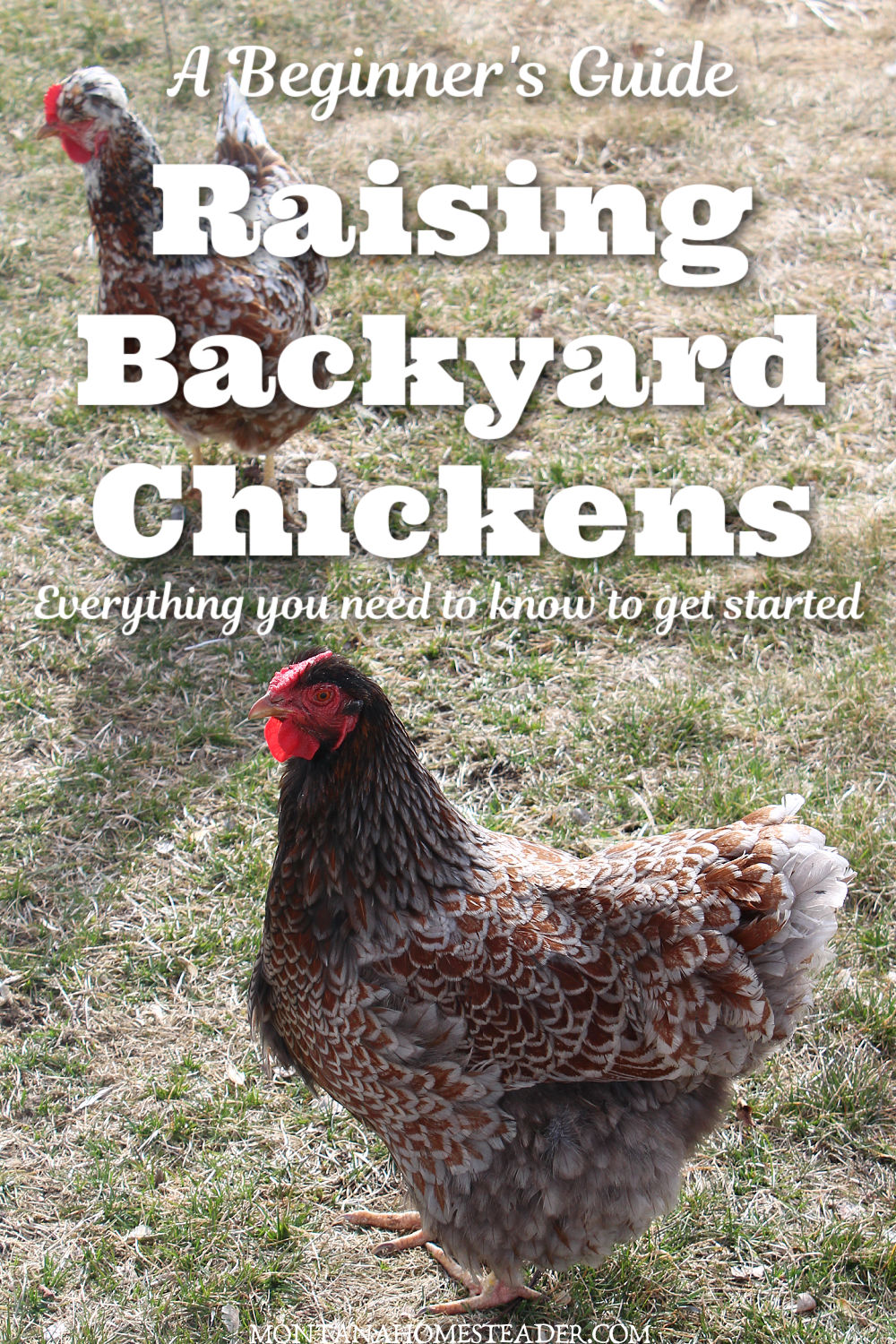
Credit: montanahomesteader.com
Setting Up The Coop
Setting up a proper coop is key for healthy egg-laying hens. A good coop keeps hens safe, comfortable, and productive. It needs enough space, fresh air, and cozy spots for resting and laying eggs. Planning these details makes care easier and helps hens stay happy.
Space Requirements
Each hen needs at least 4 square feet inside the coop. More space reduces stress and fighting. Outdoor run space is important too. About 8 to 10 square feet per hen lets them roam freely. Crowded coops cause problems like illness and broken eggs.
Ventilation And Lighting
Good airflow prevents moisture and ammonia build-up. Install vents near the roof for warm air to escape. Avoid drafts at hen level to keep them warm. Natural light helps hens lay eggs regularly. Provide 14 to 16 hours of light each day, using timers if needed.
Nesting Boxes And Roosts
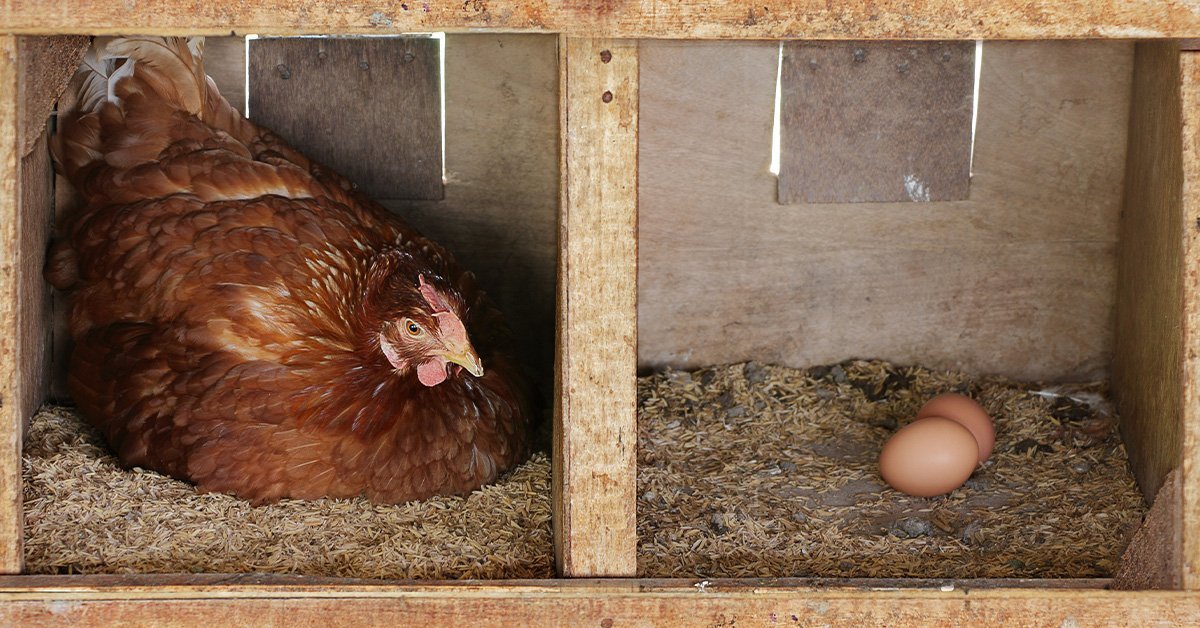
Nesting boxes give hens a quiet, safe place to lay eggs. One box per 4 hens works well. Keep boxes clean and filled with soft bedding. Roosts should be higher than nesting boxes. Hens sleep on roosts at night. Use smooth, rounded wood and space roosts 8-12 inches apart.
Feeding Essentials
Feeding hens the right food is key to healthy egg production. Good nutrition helps hens stay strong and lay eggs regularly. Knowing what to feed and how to feed keeps hens happy and healthy.
Balanced Diet Components
Hens need a mix of proteins, grains, and vitamins. Protein builds strong muscles and helps with egg formation. Grains provide energy for daily activities. Vitamins and minerals support overall health. Feed hens commercial layer feed for a balanced diet.
Adding fresh vegetables or kitchen scraps can boost nutrition. Avoid salty or sugary foods that harm hens. A balanced diet means hens lay better eggs and live longer.
Providing Grit And Calcium
Grit helps hens grind their food in the gizzard. Without grit, food digestion slows down. Provide small stones or commercial grit daily.
Calcium is vital for strong eggshells. Supply crushed oyster shells or limestone. Too little calcium causes soft or broken eggshells. Offer calcium separately so hens eat enough.
Fresh Water Importance
Water keeps hens hydrated and helps digestion. Clean water is essential every day. Change water daily to prevent bacteria growth.
Water aids nutrient absorption and keeps hens cool. Without enough water, hens lay fewer eggs. Provide water close to feeding areas for easy access.
Health Maintenance
Keeping egg laying hens healthy is key to good egg production. Healthy hens lay more eggs and live longer. Taking care of their health means watching for signs of illness and preventing problems early. A strong health routine helps hens stay active and happy.
Regular Health Checks
Check your hens daily for any changes. Look at their eyes, feathers, and feet. Healthy hens have bright eyes and smooth feathers. Watch for sneezing, coughing, or limping. These signs can show illness early. Handling hens gently helps spot problems faster.
Common Diseases And Prevention
Some diseases spread quickly in hen flocks. Keep the coop clean to reduce risks. Vaccinate hens if vaccines are available for your area. Separate sick hens to stop disease spread. Good nutrition and fresh water boost their immune system. Early treatment can save many hens.
Parasite Control
Parasites like mites and lice harm hens and reduce egg laying. Check hens often for tiny bugs or feather damage. Clean the coop regularly to remove parasite eggs. Use safe treatments to kill parasites if found. Keep the bedding dry and fresh to prevent infestations.
Daily Care Routines
Daily care routines keep egg laying hens healthy and productive. These routines help prevent diseases and ensure hens lay eggs regularly. Consistent care builds a safe and comfortable home for your flock. Pay attention to their environment, health, and behavior every day.
Cleaning And Coop Maintenance
Clean the coop daily to reduce bacteria and pests. Remove old bedding and replace it with fresh, dry material. Sweep droppings and uneaten food to keep the area tidy. Check for leaks or damage that might cause drafts or dampness. Good coop hygiene helps hens stay healthy and lay more eggs.
Monitoring Egg Production
Collect eggs at least twice a day to prevent breakage and egg eating. Keep a record of how many eggs each hen lays. Notice any sudden drops in egg numbers. Changes in egg production may signal illness or stress. Early detection helps solve problems quickly.
Handling Stress And Pecking
Stress affects hen health and egg laying. Watch for signs like feather loss or aggression. Provide enough space to reduce crowding. Offer treats like scratch grains to distract hens from pecking. Calm hens produce better and stay healthier.
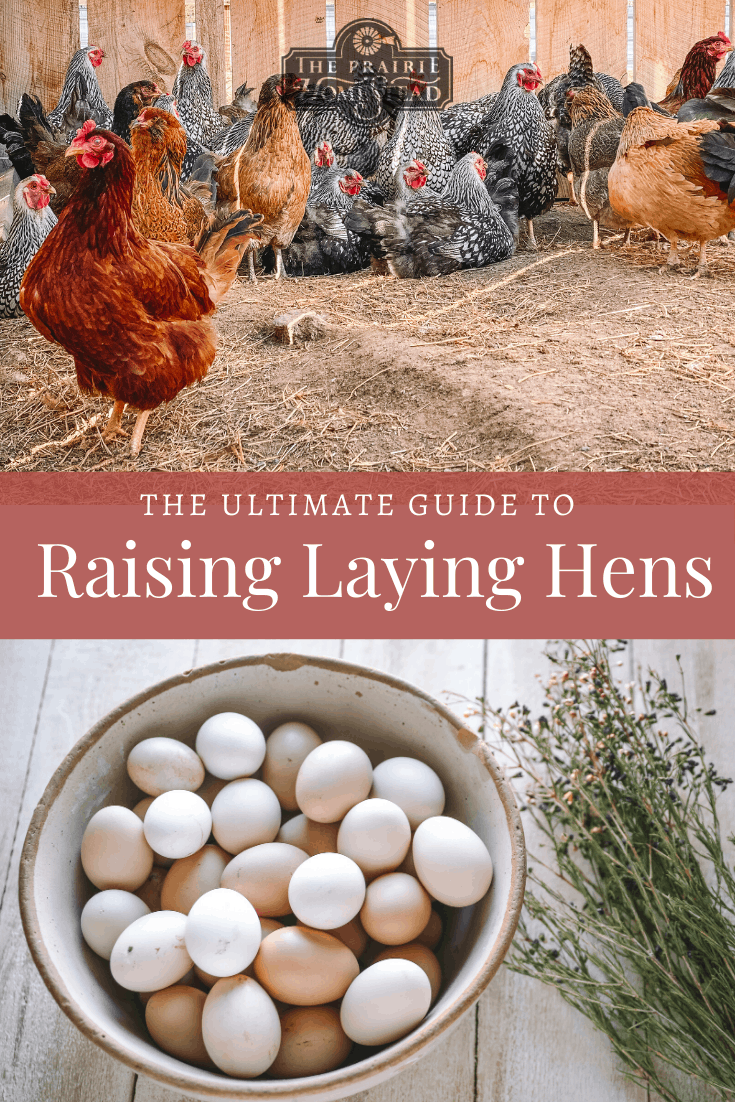
Credit: www.theprairiehomestead.com
Seasonal Care Tips
Egg laying hens need special care during different seasons. Each season brings new challenges for their health and egg production. Adjusting care routines helps keep hens healthy and happy all year. Seasonal care also protects hens from stress and illness.
Winter Care Strategies
Keep hen houses warm and dry in winter. Use straw or wood shavings for bedding to insulate the floor. Check for drafts and block cold air without stopping ventilation. Provide extra food because hens use more energy to stay warm. Make sure water does not freeze. Use heated waterers or change water often.
Summer Heat Management
Offer shade to protect hens from the hot sun. Use fans or open windows for good airflow. Give cool, fresh water all day long. Add ice cubes to water to lower temperature. Avoid feeding large meals in the hottest part of the day. Offer small meals early morning or late evening. Watch for signs of heat stress like panting or lethargy.
Adjusting Diet Seasonally
Change hen diets to match their energy needs in each season. In winter, increase grains and protein to keep hens warm. In summer, provide more fresh greens and water-rich foods. Add vitamins and minerals to support health. Avoid giving spoiled or moldy food. Proper diet helps maintain strong eggs and healthy hens.
Encouraging Natural Behaviors
Encouraging natural behaviors in egg-laying hens improves their health and happiness. Hens need space and activities that let them act like they do in nature. This section covers ways to help hens express these behaviors.
Free-range Benefits
Free-range hens have space to roam and explore. They find bugs and plants to eat, which boosts their diet. Moving freely helps their muscles stay strong and reduces stress. Fresh air and sunlight also support better egg production. Free-range hens show more natural behaviors like scratching and pecking.
Providing Enrichment
Enrichment keeps hens active and curious. Items like hanging vegetables or mirrors catch their attention. Logs and perches offer places to climb and rest. Scattering grains encourages scratching and foraging. Changing enrichment regularly stops boredom and improves well-being.
Promoting Dust Bathing
Dust bathing cleans feathers and removes parasites. Offer a dry, loose area with sand or dirt for bathing. Hens will roll and flap in the dust to stay healthy. Dust baths reduce stress and keep hens comfortable. Make sure the dust bath area is easy to access and clean.
Credit: www.kalmbachfeeds.com
Frequently Asked Questions
How Often Should I Feed Egg Laying Hens?
Feed egg laying hens twice daily with balanced poultry feed. Provide fresh water and occasional treats. Proper nutrition boosts egg production and hen health.
What Is The Ideal Coop Environment For Hens?
Keep the coop clean, dry, and well-ventilated. Maintain 70°F to 75°F temperature. Provide nesting boxes with soft bedding for comfort and egg laying.
How Much Space Do Hens Need To Lay Eggs Comfortably?
Each hen requires at least 4 square feet inside the coop. Outdoor space should be around 8-10 square feet per hen for roaming.
When Do Hens Start Laying Eggs?
Hens usually start laying eggs at 18-22 weeks old. Breed, diet, and environment can affect the timing. Good care encourages earlier laying.
Conclusion
Caring for egg-laying hens takes patience and daily attention. Provide fresh water and good food to keep them healthy. Clean their coop regularly to prevent disease. Give hens a safe, comfortable place to lay eggs. Watch their behavior to catch problems early.
Happy hens lay more eggs. Small efforts bring big rewards. Enjoy fresh eggs and happy birds each day. Keep learning and improving your care routine. Your hens will thank you with healthy eggs and lively spirits.
