

If you’ve just brought home a giant amaryllis bulb covered in wax, you’re probably wondering how to keep it healthy and blooming beautifully. These stunning flowers can brighten any room, but they need the right care to thrive.
You might be asking yourself, “What’s the best way to water it? When should I expect blooms? How do I make sure the wax coating doesn’t cause problems? ” Don’t worry — this guide will answer all your questions and give you simple, effective tips to help your giant amaryllis shine.
Keep reading to discover how easy it can be to care for this unique and eye-catching plant.
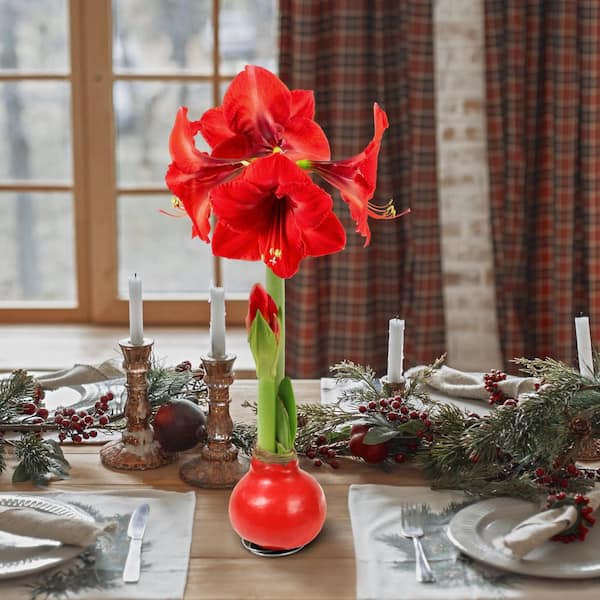
Credit: www.homedepot.com
Choosing The Right Bulb
Choosing the right giant amaryllis bulb covered in wax is the first step to a beautiful bloom. The quality of the bulb affects how well the plant grows. A good bulb gives strong roots and vibrant flowers. Picking a healthy bulb saves time and effort later.
Selecting Healthy Wax-covered Bulbs
Check the bulb’s wax coating carefully. It should cover the bulb evenly without cracks or holes. The wax protects the bulb from drying out and pests. Avoid bulbs with soft spots or mold under the wax. These signs show damage or decay. Choose bulbs that feel firm and heavy for their size. These bulbs store more energy for growth.
Identifying Quality Indicators
Look for bulbs with a smooth surface and no bruises. The bulb’s base should be clean and dry. Avoid bulbs with dark or mushy areas. The size matters too. Larger bulbs usually produce bigger flowers. Check the bulb’s color; it should be natural and consistent. Small roots or growths on the bulb mean it is fresh and ready to plant.
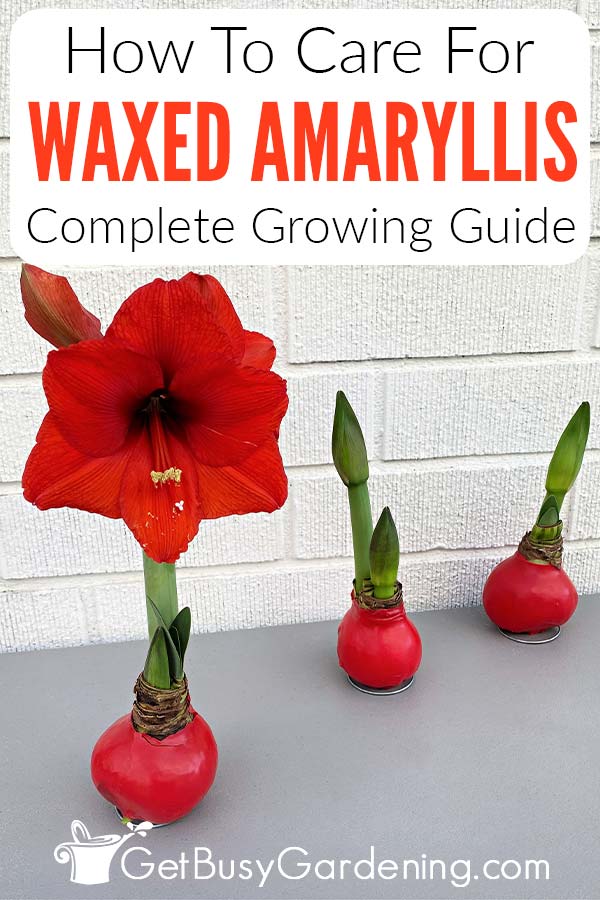
Credit: getbusygardening.com
Preparing The Bulb For Planting
Preparing the giant amaryllis bulb covered in wax is the first step to healthy growth. This stage ensures the bulb is ready to sprout strong roots and vibrant flowers. Proper preparation helps the bulb absorb water and nutrients effectively. It also prevents any damage or disease during planting.
Removing Excess Wax Safely
Start by checking the bulb for thick wax layers. Too much wax can block water and air from reaching the bulb. Use a soft cloth or paper towel to gently rub off loose wax. Avoid using sharp tools that might harm the bulb’s surface. If the wax is hard, warm the bulb slightly in your hands. This softens the wax, making it easier to remove. Be patient and careful to protect the bulb’s skin.
Soaking And Cleaning Techniques
Soaking the bulb helps remove leftover wax and dirt. Use a bowl of lukewarm water for soaking. Do not use hot or cold water to avoid shocking the bulb. Soak the bulb for about 10 to 15 minutes. This softens any remaining wax and cleans the bulb gently. After soaking, wipe the bulb with a soft cloth to remove loosened wax. Let the bulb dry in a cool, shaded place before planting. This step prevents mold and prepares the bulb for planting soil.
Planting The Giant Amaryllis
Planting a giant amaryllis bulb covered in wax is an exciting step. This unique bulb needs special care for best growth. Proper planting sets the stage for strong roots and vibrant flowers. Follow simple steps to give your amaryllis the right start.
Choosing Suitable Soil
Select soil that drains water well. A mix of potting soil and sand works great. Avoid heavy or clay soils that hold too much water. Good drainage keeps the bulb healthy and prevents rot. Adding some organic matter helps the bulb get nutrients.
Pot Selection And Planting Depth
Use a pot with drainage holes to stop water buildup. Choose a pot wide enough for the bulb’s roots to grow. Plant the bulb so the top third stays above soil. This keeps the wax coating dry and protects the bulb. Press the soil gently around the bulb for support.
Watering And Feeding
Watering and feeding a giant Amaryllis bulb covered in wax need special care. This plant stores water well because of the wax layer. Overwatering can harm the bulb, causing rot. Proper feeding helps the flower grow strong and healthy. Follow the right schedule for watering and choose the best fertilizer for your plant.
Watering Schedule Tips
Water the bulb only when the soil feels dry. Check the top inch of soil before watering. Use room temperature water to avoid shock. Water slowly to let the soil absorb moisture well. Avoid water sitting on the waxed bulb surface. Cut back watering during the plant’s dormant phase. Less water is better than too much. Watch the leaves for signs of underwatering or overwatering.
Fertilizer Recommendations
Use a balanced, water-soluble fertilizer with equal parts nitrogen, phosphorus, and potassium. Feed the plant every 2 to 4 weeks during the growing season. Avoid high nitrogen fertilizers that can cause too much leaf growth. Stop feeding when the plant stops blooming. Dilute fertilizer to half strength to protect the bulb. Organic options like compost tea also work well. Proper feeding supports bright blooms and strong roots.
Light And Temperature Needs
Giant Amaryllis bulbs covered in wax have unique light and temperature needs. Proper care helps them grow strong and bloom beautifully. Providing the right environment is key to their health. This section explains how to meet these needs effectively.
Ideal Light Conditions
Place the Amaryllis in bright, indirect sunlight. Direct sun can scorch the leaves and wax coating. A spot near a window with filtered light works best. Avoid dark or shaded areas that slow growth. Regular light helps the bulb produce healthy flowers.
Optimal Temperature Range
Keep the temperature between 60°F and 75°F (15°C to 24°C). Avoid cold drafts or hot, dry air. Extreme temperatures stress the bulb and affect blooming. A stable room temperature encourages steady growth. Cooler nights around 55°F (13°C) can boost flower development.
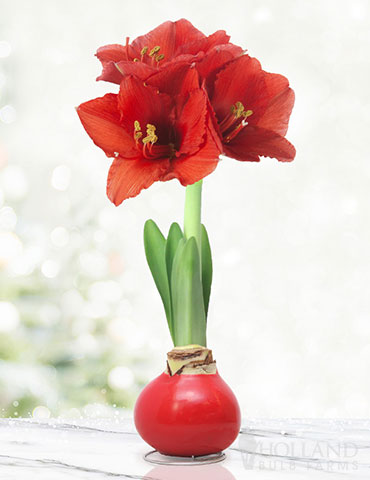
Credit: www.hollandbulbfarms.com
Managing Growth And Blooming
Managing the growth and blooming of your giant amaryllis bulb covered in wax is important for a healthy plant. Proper care helps the bulb produce strong flowers and tall stems. Understanding how to encourage flower development and support the stems will make your amaryllis look its best.
Encouraging Flower Development
Start by placing the bulb in a bright spot with indirect sunlight. Keep the soil moist but not wet. Use a balanced fertilizer every two weeks to provide nutrients. Avoid cold drafts, as they can slow down blooming. Maintain a warm room temperature around 65-75°F. Watch for flower buds to appear and adjust watering to keep the soil slightly drier.
Supporting Tall Stems
Tall stems can become heavy and bend. Use stakes or small supports to keep stems upright. Tie stems gently with soft ties or garden twine. Move the plant away from strong winds or heavy traffic areas. This prevents damage and helps flowers stay upright. Regularly check supports to avoid cutting into the stem as it grows.
Pest And Disease Control
Giant Amaryllis bulbs covered in wax need careful pest and disease control. These bulbs can attract pests or develop diseases that harm their growth. Early detection and treatment keep your plant healthy and blooming.
Common Issues To Watch For
Watch for aphids and spider mites. They suck the plant’s juices and weaken it. Mealybugs also hide under the wax and cause damage. Fungal infections may appear as spots or mold on leaves. Rot can happen if the bulb stays too wet.
Natural And Chemical Treatments
Use insecticidal soap or neem oil to treat pests naturally. Spray the plant gently, covering all areas. Clean leaves often to remove dust and pests. For fungal infections, apply a fungicide made for bulbs. Always follow instructions on chemical products. Avoid overwatering to prevent rot and fungal problems.
Post-bloom Care
After your giant amaryllis bulb covered in wax has finished blooming, proper care is key. Post-bloom care helps the bulb store energy for the next flowering season. This stage involves removing spent flowers and preparing the bulb for rest. Follow simple steps to keep your plant healthy and ready to bloom again.
Deadheading And Pruning
Remove the faded flowers carefully. Cut the flower stalk near the base but leave the leaves intact. Leaves gather sunlight and make food for the bulb. Do not cut leaves until they turn yellow or brown. Removing only dead flowers helps the plant focus energy on the bulb.
Preparing Bulbs For Dormancy
After the leaves die back naturally, stop watering the bulb. Move the bulb to a cool, dry place with indirect light. Keep it away from frost or extreme heat. Let the bulb rest for about 8 to 10 weeks. This rest period is important for strong blooms next season.
Storing And Reusing Bulbs
Proper care for your giant amaryllis bulb does not end after flowering. Storing and reusing bulbs lets you enjoy blooms year after year. Taking the right steps ensures the bulb stays healthy and ready for the next season.
Proper Storage Conditions
Keep the wax-covered bulb in a cool, dry place. Avoid areas with high humidity or direct sunlight. Ideal temperature ranges between 50 to 60 degrees Fahrenheit. Store the bulb in a paper bag or cardboard box. This helps prevent mold and moisture buildup. Check the bulb monthly for soft spots or rot. Remove any damaged bulbs immediately to protect others.
When And How To Replant
Plant the bulb in early fall to prepare for winter growth. Choose a pot with good drainage and use fresh, well-draining soil. Remove the wax gently before planting to allow water absorption. Place the bulb so the top third remains above soil. Water lightly after planting and keep soil moist but not wet. Move the pot to a bright spot with indirect sunlight. This encourages strong root development before blooming.
Frequently Asked Questions
How Do I Water A Giant Amaryllis Bulb Covered In Wax?
Water the base of the wax-covered bulb sparingly. Avoid soaking the bulb itself to prevent rot. Keep soil moist but not soggy for healthy growth.
When Should I Plant A Wax-covered Amaryllis Bulb?
Plant the bulb in early fall or late winter. This timing encourages blooming within 6 to 8 weeks. Use well-draining soil and a pot with drainage holes.
How Much Light Does A Giant Amaryllis Bulb Need?
Place the bulb in bright, indirect sunlight. Avoid direct midday sun to prevent leaf scorch. Adequate light helps the plant produce strong flowers.
Can I Reuse A Wax-covered Amaryllis Bulb?
Yes, you can reuse the bulb after flowering. Store it in a cool, dry place during dormancy. Replant when new growth appears for seasonal blooms.
Conclusion
Caring for a giant amaryllis bulb covered in wax takes patience and gentle care. Keep the bulb in a warm, bright spot but avoid direct sunlight. Water sparingly to prevent rot. Remove the wax carefully to check the bulb’s health.
Watch for new growth and enjoy the beautiful flowers when they bloom. With simple steps, your amaryllis will thrive and brighten your space. Small efforts bring great rewards. Keep these tips in mind to help your wax-covered giant amaryllis stay healthy and strong.


