

Are you worried about your hostas surviving the cold winter months? You’re not alone.
These beautiful, leafy plants need special care when the temperature drops. If you want your hostas to come back healthy and vibrant in spring, knowing how to protect them during winter is key. You’ll discover simple, effective steps to keep your hostas safe from frost, pests, and other winter challenges.
Keep reading to make sure your garden stays lush year after year.
Credit: www.hopereflected.com
Preparing Hostas For Winter
Preparing hostas for winter helps them survive cold months. Proper care keeps roots safe and plants healthy. Follow simple steps to get your hostas ready before frost arrives.
Timing The First Frost
Watch the weather closely as fall ends. Hostas need protection before the first hard frost. Usually, this happens in late October or early November. Stop watering hostas a week before frost. This helps plants prepare for dormancy.
Trimming And Cleaning Leaves
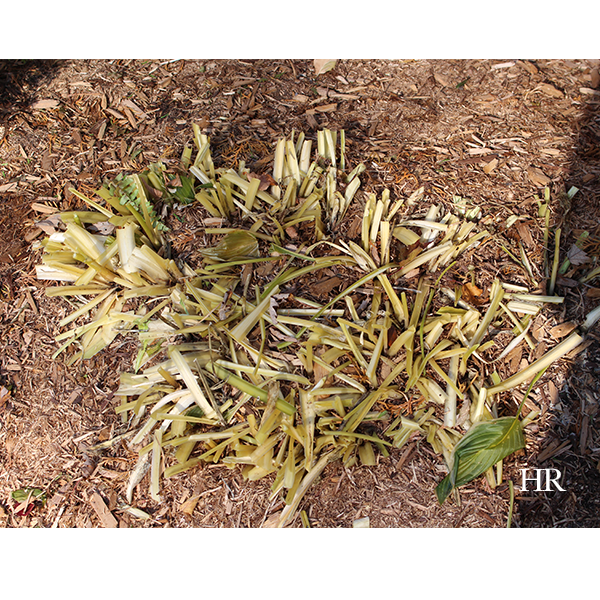
Cut back hosta leaves after frost kills them. Remove dead leaves to prevent disease and pests. Use clean scissors or garden shears for trimming. Clear away old leaves from around the plant base. This keeps the area tidy and healthy.
Mulching For Insulation
Apply a thick layer of mulch around hostas to protect roots. Use straw, shredded leaves, or bark chips. Mulch keeps soil temperature steady and prevents freezing. Spread mulch 2 to 3 inches deep. Avoid covering the plant crown to stop rot.
Credit: gardenerspath.com
Protecting Hostas From Harsh Weather
Hostas are beautiful plants that need extra care during winter. Cold winds, frost, and heavy snow can harm their leaves and roots. Protecting hostas from harsh weather keeps them healthy and ready to grow again in spring. Simple steps can make a big difference in their survival through winter.
Using Burlap And Covers
Burlap is a natural fabric that shields hostas from cold winds and frost. Wrap burlap around the plants or create a small tent over them. Use stakes to keep the burlap from touching the leaves directly. Covers like frost blankets also work well to trap warmth and prevent ice damage. Remove covers on sunny days to avoid overheating.
Creating Windbreaks
Strong winds dry out hosta leaves and soil fast. Build windbreaks with fences or plant evergreen shrubs nearby. These barriers block cold winds and keep the area around hostas calmer. Position windbreaks to protect plants from prevailing winds. This reduces stress on hostas and helps maintain moisture in the soil.
Avoiding Excess Moisture
Too much water in winter can cause root rot in hostas. Make sure soil drains well and does not stay soggy. Avoid watering hostas during cold spells. Snow usually provides enough moisture. If heavy rain or melting snow occurs, check soil to ensure it dries out between wet periods. Proper drainage keeps roots healthy and strong.
Watering Hostas In Cold Months
Watering hostas in cold months needs careful attention. The plants grow slower and need less water. Overwatering can cause root problems. Underwatering can dry out the roots. Understanding how to water hostas in winter keeps them healthy through the cold season.
Adjusting Water Schedule
Hostas need less water in winter. Check the soil moisture before watering. Water only if the top inch of soil feels dry. Watering once every two to three weeks usually works. Avoid watering when the ground is frozen. Use less water to prevent root rot.
Preventing Root Drying
Dry roots can harm hostas in winter. Mulch helps keep soil moist and temperature steady. Apply a 2-3 inch layer of mulch around the base. Use straw, leaves, or bark as mulch. Avoid piling mulch directly on the plant crown. Mulch protects roots from freezing and drying winds.
Dealing With Snow And Ice
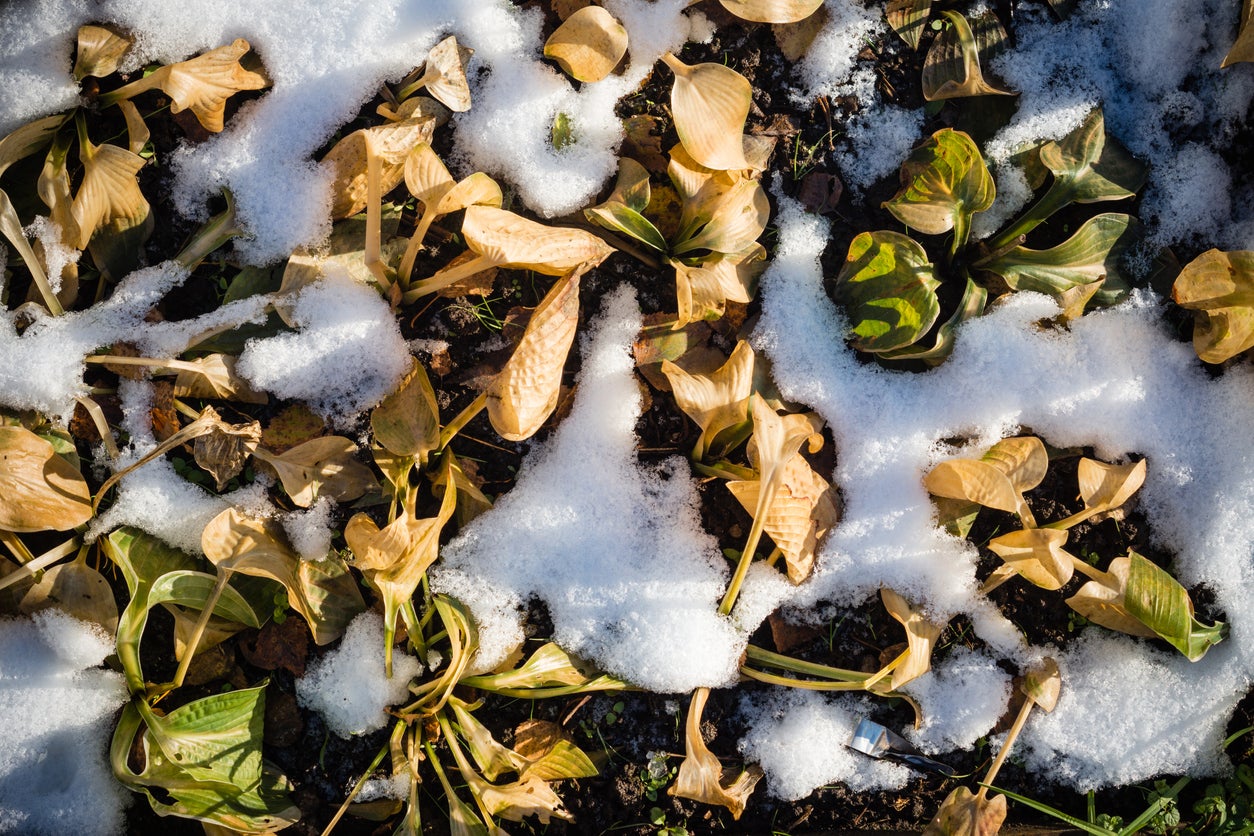
Hostas are hardy plants but snow and ice can still harm them. Heavy snow bends their leaves and stems. Ice can freeze the plant tissues and cause damage. Proper care during winter helps your hostas survive and stay healthy.
Removing Heavy Snow
Gently brush off snow from hosta leaves. Use a soft broom or your hands. Avoid shaking the plant hard. Remove snow soon after it falls. Heavy snow can crush the leaves and stems. Clearing snow prevents breakage and bending.
Preventing Ice Damage
Ice forms a hard layer on hostas. It can freeze the leaves and roots. Avoid walking near the plants to prevent soil compaction. Mulch around the base to protect roots from freezing. Do not try to chip off ice. Let ice melt naturally to avoid plant injury.
Choosing Hardy Hosta Varieties
Choosing hardy hosta varieties helps your plants survive cold winters. Some hostas handle frost better than others. Picking the right type reduces damage and keeps your garden healthy. Hardy hostas need less care and protect your landscape.
Selecting Cold-tolerant Types
Choose hosta varieties known for their cold tolerance. Some types can survive freezing temperatures without harm. Look for names like ‘Blue Angel,’ ‘Patriot,’ or ‘Sum and Substance.’ These hostas have thick leaves and strong roots. They stay green longer in fall and recover well in spring.
Planting In Protected Spots
Plant hostas where wind and harsh cold are blocked. Near walls, fences, or under trees is best. These areas keep temperature stable and reduce frost damage. Avoid open spaces with strong winds. Protection helps hostas keep moisture and warmth through winter.
Credit: www.gardeningknowhow.com
Post-winter Care Tips
After the winter frost fades, hostas need special care to thrive. Post-winter care helps your plants recover and grow strong. This period is crucial for removing old debris and feeding the soil. Proper steps now lead to lush, healthy hostas in spring and summer.
Cleaning Up Debris
Start by clearing dead leaves and old stems. Remove debris around the base to prevent pests and diseases. Use garden gloves and scissors for clean cuts. Dispose of the debris far from the garden. This cleanup improves air flow and sunlight exposure.
Feeding And Preparing For Growth
Apply a balanced fertilizer to support new growth. Choose a slow-release fertilizer for steady nutrition. Water the soil gently after feeding to help nutrients absorb. Mulch with organic material to keep moisture and control weeds. This feeding sets the stage for strong, healthy leaves.
Frequently Asked Questions
How Do I Prepare Hostas For Winter?
Cut back hosta leaves after frost. Remove debris to prevent pests. Mulch with straw or leaves to protect roots. Avoid heavy watering as plants become dormant.
Should I Water Hostas During Winter?
Water hostas sparingly in winter. Only water if soil is dry. Overwatering can cause root rot. Dormant hostas need minimal moisture to survive cold.
Can I Leave Hostas Uncovered In Winter?
Hostas can survive uncovered in mild winters. Mulching is recommended for insulation in cold climates. Covering protects from frost but may trap moisture, causing rot.
How Does Mulching Help Hostas In Winter?
Mulching insulates hosta roots against cold temperatures. It retains soil moisture and prevents freeze-thaw cycles. Use organic mulch like straw or shredded leaves for best results.
Conclusion
Caring for hostas in winter helps them grow strong next spring. Protecting leaves and roots keeps plants healthy through cold months. Mulch and water well before frost arrives. Check plants often for signs of damage or pests. A little care now saves work later.
Your hostas will thank you with vibrant leaves and blooms. Winter care is simple but important. Keep your garden beautiful year-round.


