

Are you excited to bring the beauty of hydrangeas inside your home but unsure how to keep them thriving? Caring for hydrangeas indoors can seem tricky, but with the right tips, you can enjoy their vibrant blooms all year long.
Imagine walking into a room filled with lush, colorful flowers that brighten your space and lift your mood every day. In this guide, you’ll discover simple, effective ways to care for your indoor hydrangeas, so they stay healthy and stunning.
Ready to unlock the secrets to happy, blooming hydrangeas right inside your home? Keep reading—you’re just moments away from becoming a hydrangea care pro.
Choosing The Right Hydrangea Variety
Choosing the right hydrangea variety is key for indoor success. Different types have unique needs and looks. Picking a variety that fits your indoor space helps the plant thrive. It also makes caring easier and more enjoyable.
Best Indoor Hydrangea Types
Some hydrangeas do well inside. The most popular is the Bigleaf hydrangea. It has large, round flower heads. Another good choice is the Panicle hydrangea. It grows upright and tolerates indoor conditions. The Smooth hydrangea also adapts well to pots. These types stay smaller and bloom nicely indoors.
Flower Color And Size Options
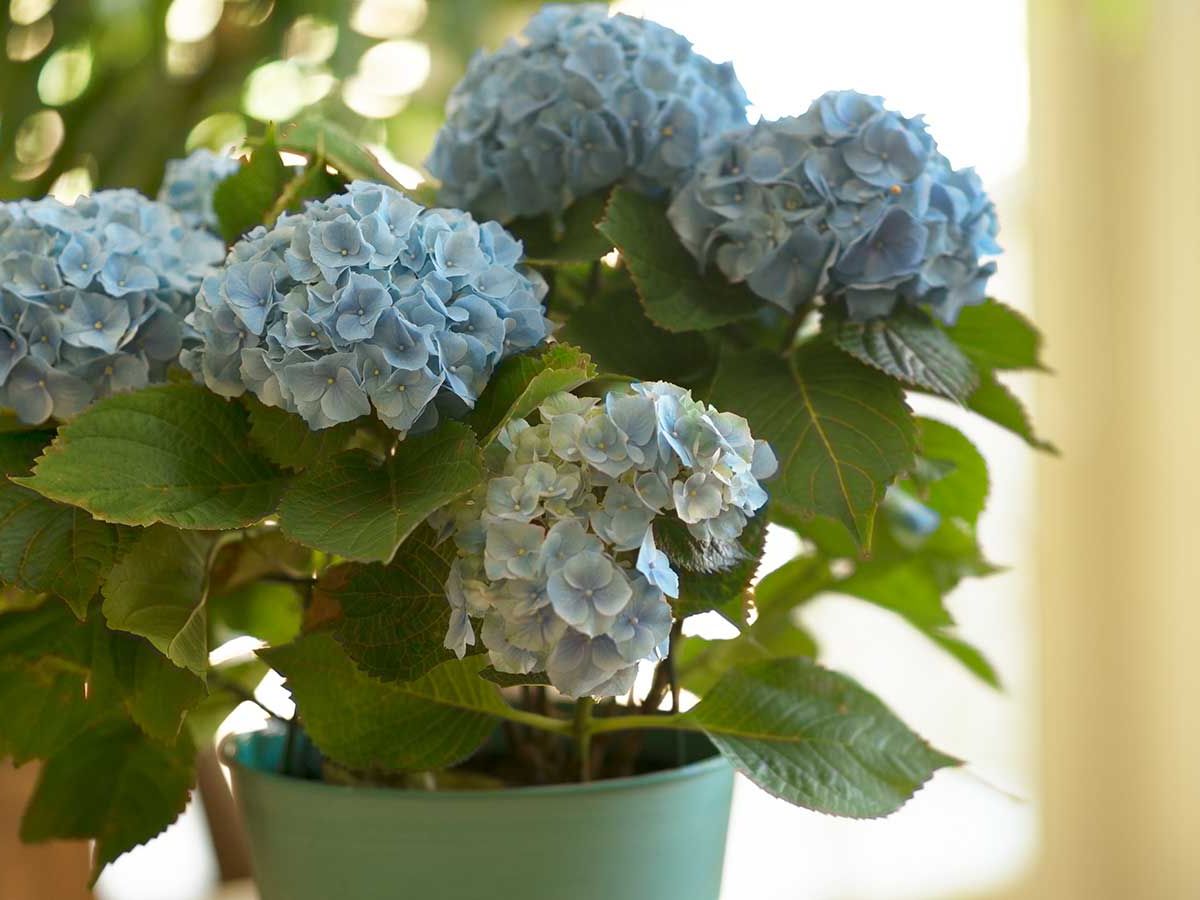
Hydrangeas offer many flower colors. Blue, pink, white, and purple are common. The flower size can vary from small clusters to big balls. Flower color can change based on soil acidity for some types. Choose colors that brighten your room. Size matters too—pick a flower size that fits your space.
Credit: www.homesandgardens.com
Ideal Lighting Conditions
Hydrangeas need the right light to grow well indoors. Too much light can burn their leaves. Too little light makes them weak and slow to bloom. Finding the perfect light helps hydrangeas stay healthy and vibrant inside your home.
Natural Light Requirements
Place hydrangeas near a window with bright, indirect sunlight. East or north-facing windows work best. Direct sun can cause leaf scorch. Morning sun is gentle and good for the plant. Keep hydrangeas away from harsh afternoon sun. They thrive in soft, filtered light.
Using Artificial Light
Use artificial light if natural light is not enough. Fluorescent or LED grow lights are suitable options. Keep lights 6 to 12 inches above the plant. Turn lights on for 12 to 16 hours each day. This helps hydrangeas get enough light to grow strong. Avoid placing them in dark corners without light.
Watering Techniques
Watering hydrangeas indoors needs care and attention. Hydrangeas like moist soil but not waterlogged roots. Proper watering helps keep the plant healthy and vibrant. Understanding the right frequency and amount makes all the difference.
Frequency And Amount
Water hydrangeas when the top inch of soil feels dry. Usually, watering once or twice a week works well. Use enough water to moisten the soil evenly. Avoid letting the pot sit in standing water. Drain excess water from the saucer after watering.
Adjust watering frequency based on room temperature and humidity. Warmer rooms may need more frequent watering. Cooler rooms allow the soil to dry out slower. Always check the soil before watering again.
Signs Of Overwatering And Underwatering
Wilting leaves can mean underwatering or overwatering. Yellowing leaves often show overwatering problems. Mushy stems or root rot smell also indicate excess water. Dry, brittle leaves usually mean underwatering. Brown leaf edges may appear from lack of water too.
Watch your hydrangea closely for these signs. Adjust watering habits quickly to prevent damage. Healthy hydrangeas have firm, green leaves and steady growth.

Credit: hind-toufga.blogspot.com
Soil And Pot Selection
Choosing the right soil and pot is important for healthy hydrangeas indoors. These plants need soil that drains well but holds moisture. The pot must fit the plant’s size and support its growth. Proper soil and pot help hydrangeas thrive inside your home.
Best Soil Mix For Hydrangeas
Hydrangeas prefer soil that is rich and slightly acidic. A good mix includes potting soil, peat moss, and perlite. This blend keeps the soil moist but not soggy. It also lets air reach the roots easily. Avoid heavy clay soils that hold too much water. Use fresh soil to prevent pests and diseases.
Choosing The Right Pot Size And Material
Select a pot that is 2 to 4 inches wider than the root ball. This space allows roots to grow well. The pot should have drainage holes to stop water from pooling. Terracotta pots work well because they breathe and dry quickly. Plastic pots hold moisture longer, which suits drier rooms. Choose a pot that balances moisture and air for your hydrangea.
Temperature And Humidity
Temperature and humidity are key to keeping hydrangeas healthy indoors. These plants need a cozy environment that mimics their natural habitat. Too hot or too cold can harm their leaves and flowers. Dry air can cause buds to drop and leaves to turn brown. Understanding the right temperature and humidity helps hydrangeas thrive inside your home.
Optimal Temperature Range
Hydrangeas prefer temperatures between 60°F and 70°F (15°C to 21°C). Avoid placing them near heaters or cold drafts. Sudden temperature changes stress the plant. Night temperatures should not fall below 50°F (10°C). Keeping a steady temperature supports strong growth and vibrant blooms.
Maintaining Adequate Humidity Indoors
Hydrangeas like moderate to high humidity levels, around 50% or more. Indoor air can be dry, especially in winter. Use a humidifier or place a tray of water near the plant. Misting the leaves regularly also helps. Proper humidity keeps the flowers fresh and leaves soft.
Fertilizing Your Hydrangeas
Fertilizing your indoor hydrangeas helps them grow strong and bloom beautifully. Proper nutrients keep the plant healthy and vibrant. Without the right feed, hydrangeas may look weak or stop flowering. Understanding what fertilizers to use and when to feed your plant makes a big difference.
Types Of Fertilizers To Use
Choose a balanced fertilizer with equal parts nitrogen, phosphorus, and potassium. A 10-10-10 or 20-20-20 fertilizer works well. Look for slow-release types that feed the plant over time. Liquid fertilizers are also good for quick nutrient absorption. Avoid high nitrogen fertilizers as they can cause more leaves but fewer flowers.
Feeding Schedule And Tips
Feed hydrangeas every two weeks during the growing season, usually spring through early fall. Use half the recommended strength to avoid overfeeding. Stop fertilizing in late fall to let the plant rest. Water the plant before applying fertilizer to protect the roots. Always follow the instructions on the fertilizer package for best results.
Pruning And Maintenance
Taking care of hydrangeas indoors involves regular pruning and maintenance. This keeps the plant healthy and encourages new blooms. Pruning helps shape the plant and removes old growth. Maintenance includes cleaning up dead leaves and faded flowers. These steps improve air flow and stop disease.
When And How To Prune
Prune hydrangeas in early spring before new growth starts. Use clean, sharp scissors or pruning shears. Cut back any weak or thin stems. Trim stems to just above a healthy set of leaves or buds. Avoid cutting too close to the main stem. This helps the plant grow strong and produce big flowers.
Removing Dead Or Faded Blooms
Remove dead or faded blooms right away. Pinch or cut them off at the base of the flower stem. This redirects energy to new buds and prevents mold. Check your plant weekly to catch old blooms early. Clean up fallen leaves or petals around the plant to keep it tidy. Healthy plants bloom longer and look better indoors.
Dealing With Common Pests And Diseases
Hydrangeas growing indoors can face common pests and diseases. These problems affect their health and beauty. Early detection and proper care help keep your plant strong and vibrant.
Identifying Indoor Pests
Watch for small insects like aphids, spider mites, and whiteflies. Aphids cluster on new growth and leave sticky residue. Spider mites create tiny webs under leaves and cause yellow spots. Whiteflies fly up when you shake the plant. Check leaves regularly for these signs.
Natural And Chemical Treatments
Use insecticidal soap or neem oil to treat pests naturally. Spray the plant, covering both sides of leaves. Repeat treatment every few days until pests disappear. For severe infestations, use a gentle chemical pesticide. Always follow product instructions to protect your plant and home.
Encouraging Blooming Indoors
Encouraging hydrangeas to bloom indoors takes a little care and attention. These plants need the right environment to produce their beautiful flowers. Understanding how to boost flower production and adjust care with the seasons helps keep your hydrangea healthy and blooming.
Boosting Flower Production
Hydrangeas need plenty of bright, indirect light to bloom well. Place them near a window that gets morning sunlight. Avoid direct afternoon sun, as it can burn the leaves. Water the plant regularly but do not overwater. The soil should be moist but not soggy. Use a balanced fertilizer every two weeks during the growing season. This helps provide nutrients needed for flowers. Removing old flowers encourages new blooms. Pinch off faded blooms carefully to promote growth.
Adjusting Care For Seasonal Changes
Hydrangeas react to changes in light and temperature. In winter, move the plant to a cooler spot with less light. Reduce watering during this time to avoid root rot. In spring, increase watering and bring the plant back to brighter light. Fertilize more often as new growth starts. Watch for signs of stress like drooping leaves. Adjust care to help the plant recover and prepare for blooming again. Seasonal care changes keep hydrangeas strong indoors.

Credit: www.harbourbreezehome.com
Frequently Asked Questions
How Often Should I Water Indoor Hydrangeas?
Water indoor hydrangeas when the top inch of soil feels dry. Typically, this means watering once or twice a week. Avoid overwatering to prevent root rot. Ensure good drainage for healthy growth and vibrant blooms.
What Light Conditions Do Hydrangeas Need Indoors?
Hydrangeas thrive in bright, indirect light indoors. Avoid direct sunlight, which can scorch their leaves. A spot near a north or east-facing window works well. Proper lighting helps maintain strong stems and vibrant flowers.
How Do I Maintain Humidity For Indoor Hydrangeas?
Hydrangeas prefer moderate humidity levels. Increase humidity by misting leaves daily or placing a water tray nearby. Using a humidifier also helps. Proper humidity prevents leaf browning and keeps the plant healthy.
Can I Fertilize Hydrangeas Indoors?
Yes, fertilize indoor hydrangeas monthly during the growing season. Use a balanced, water-soluble fertilizer diluted to half strength. Avoid over-fertilizing, which can harm the plant. Fertilizing supports lush foliage and abundant blooms.
Conclusion
Caring for hydrangeas indoors takes patience and attention. Keep their soil moist but not soggy. Place them where they get bright, indirect light. Watch for pests and remove dead leaves. Regular feeding helps flowers bloom strong and bright. With simple steps, your hydrangeas will thrive inside.
Enjoy their beauty all year round. Growing these plants indoors brings calm and joy. Give your hydrangeas good care, and they will reward you.


